Cellar of the Artist’s Home in The Hague — History & Facts
Can paint confess what words never could? In a dimly lit cellar, shadows cling to the walls, whispering secrets of the past and the fragility of memory. Focus on the soft interplay of light in this work, where the muted palette breathes life into the stillness. Look to the left, where a modest window allows a sliver of daylight to pierce the darkness, illuminating dust particles suspended in time. Notice how the gentle brushstrokes render the textures of the stone walls and wooden beams, evoking a sense of intimacy and melancholy, as if the viewer is invited into a sacred space of solitude. The cellar holds more than mere objects; it cradles the emotions of its creator.
The contrast between the vibrant hints of light and the consuming shadows speaks to the duality of existence—the beauty nestled within the somber. Each whisper of color reveals a narrative of fragility and resilience, suggesting the artist’s personal struggles and triumphs—the quiet moments that shape one's identity. In 1888, while painting this evocative scene in The Hague, Weissenbruch found himself exploring themes of intimacy and isolation, reflective of a broader movement in the art world toward realism and emotional depth. At this time, he was becoming increasingly recognized for his ability to infuse everyday life with profound meaning, capturing the essence of the human experience through the lens of ordinary settings.
More Artworks by Johan Hendrik Weissenbruch
Browse all →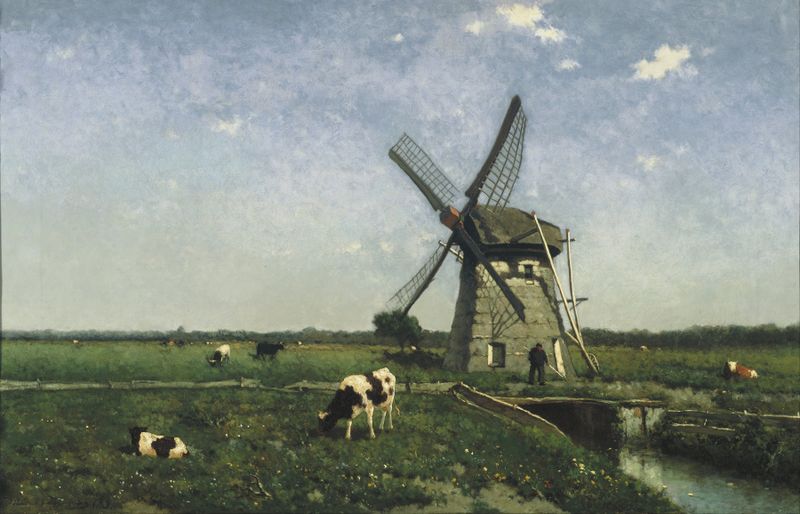
Landscape with Windmill near Schiedam
Johan Hendrik Weissenbruch
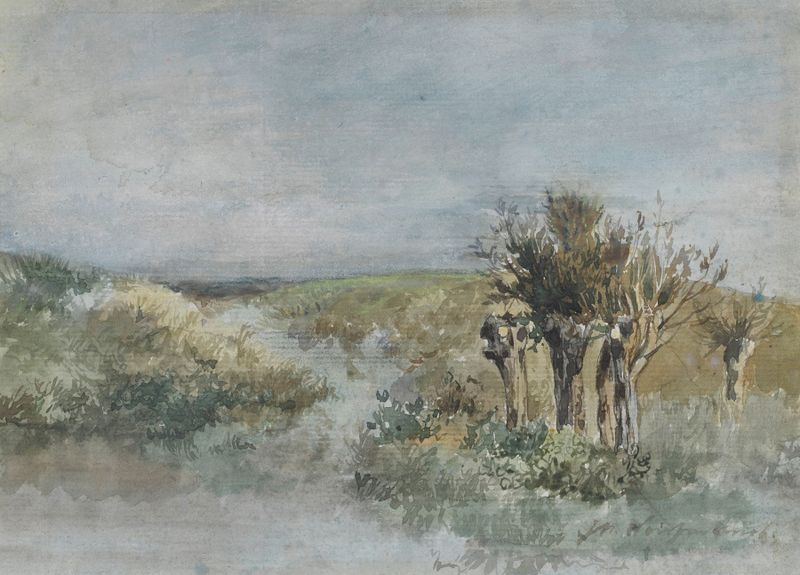
Landschap met knotwilgen langs een sloot
Johan Hendrik Weissenbruch
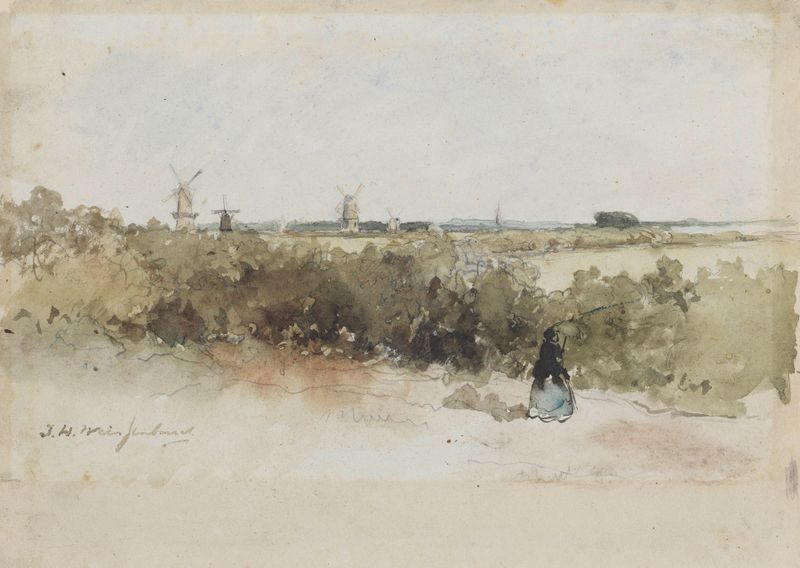
Landschap met windmolens
Johan Hendrik Weissenbruch
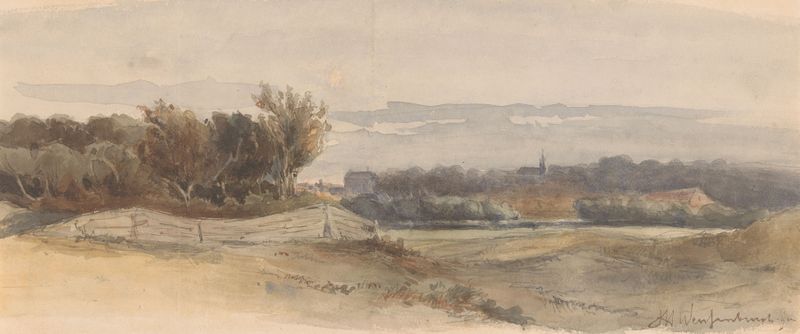
Panoramisch landschap
Johan Hendrik Weissenbruch
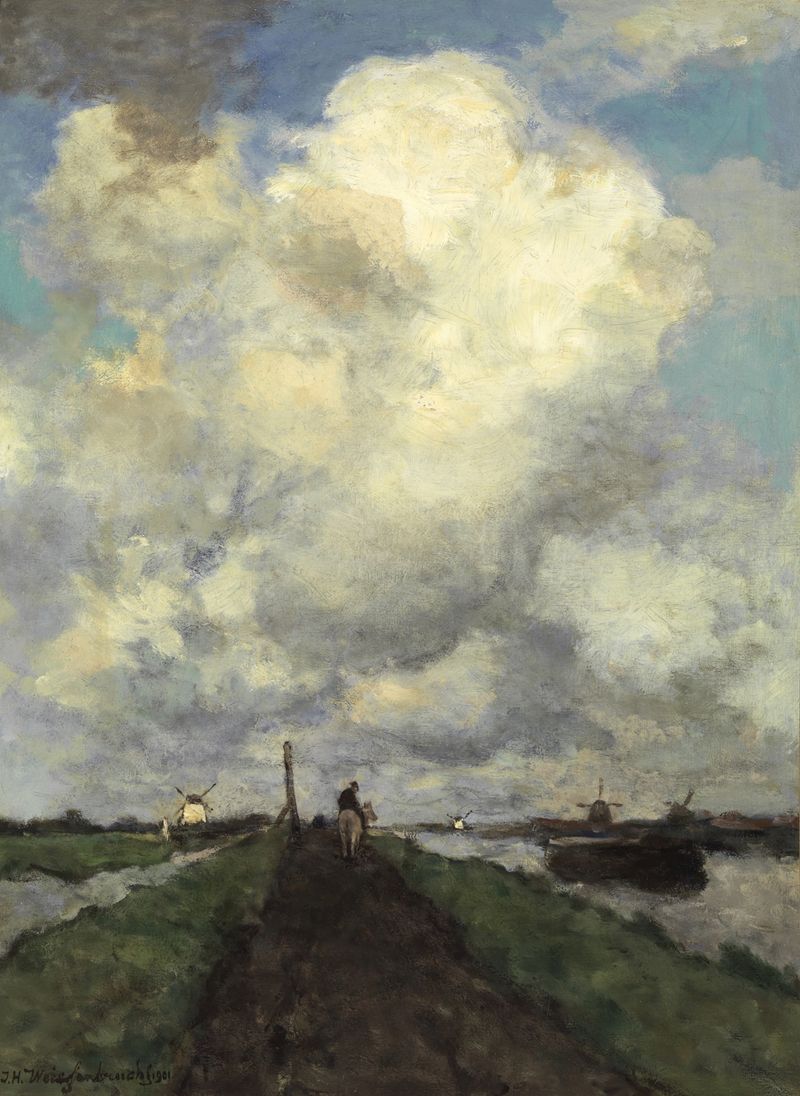
De witte wolk
Johan Hendrik Weissenbruch
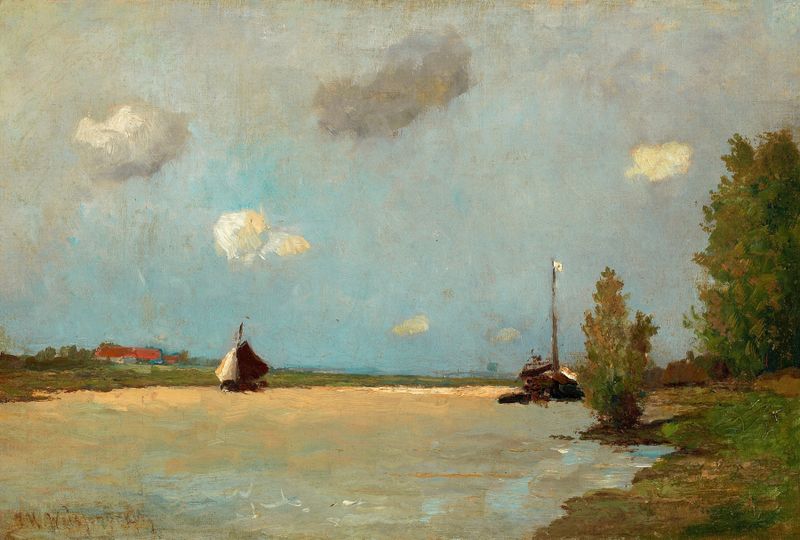
Dutch Landscape with Boats
Johan Hendrik Weissenbruch
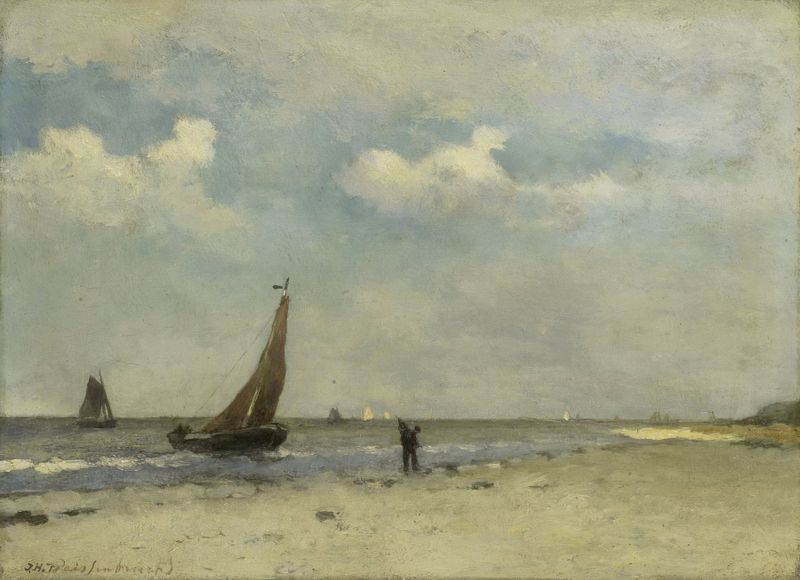
Beach Scene
Johan Hendrik Weissenbruch
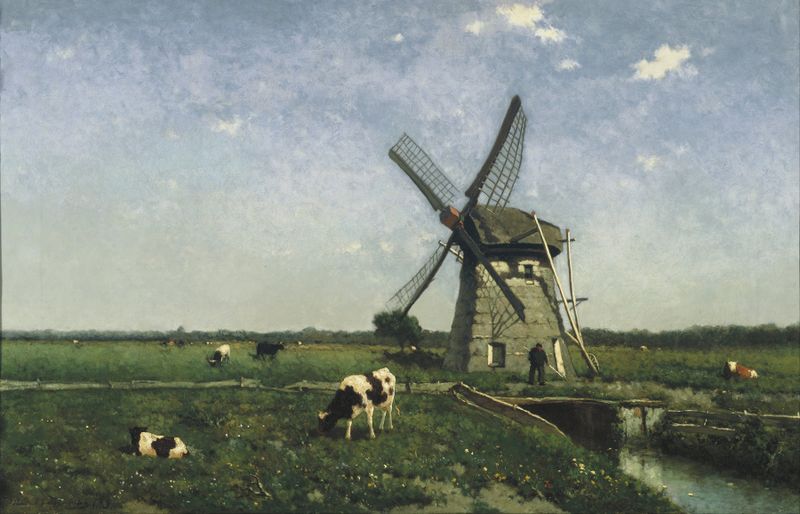
Landscape with Windmill near Schiedam
Johan Hendrik Weissenbruch
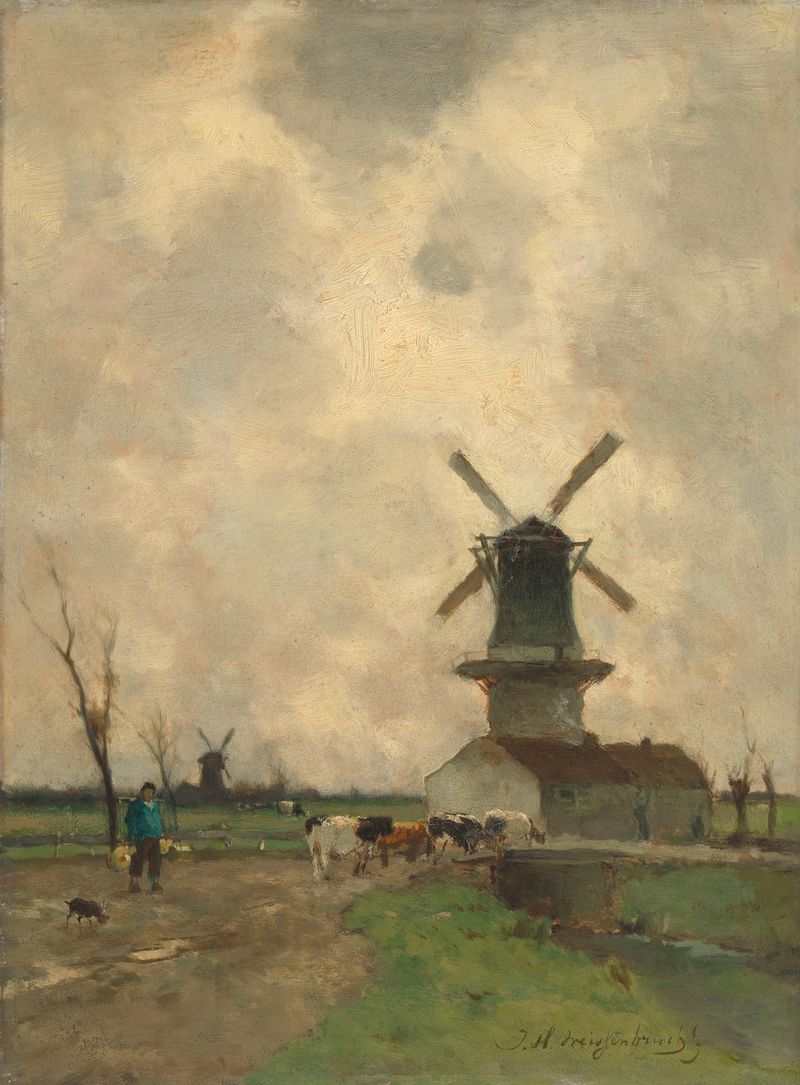
The Mill
Johan Hendrik Weissenbruch
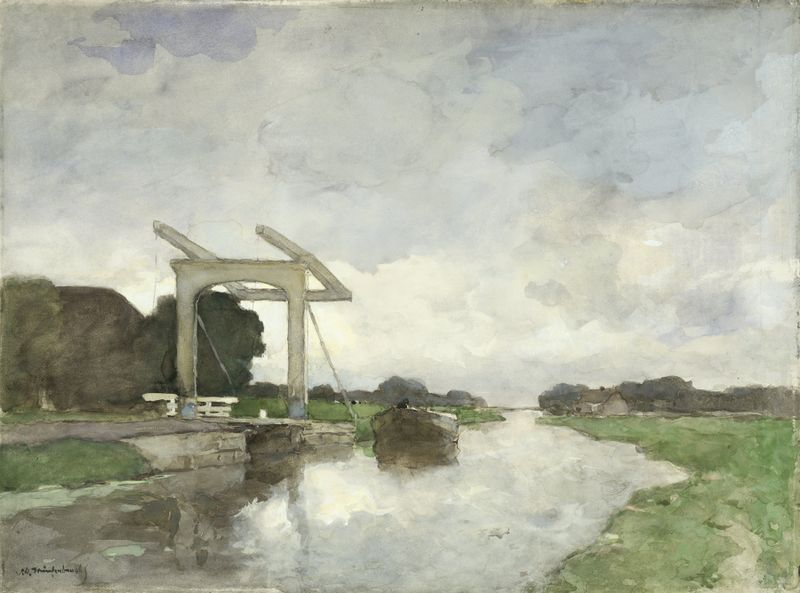
Drawbridge at Noorden
Johan Hendrik Weissenbruch