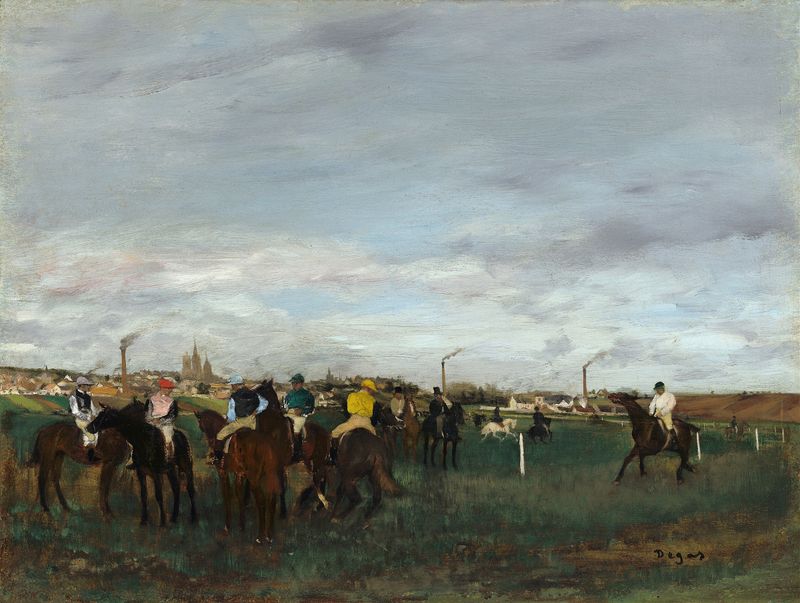
Cerf Dans La Forêt De Fontainebleau — History & Facts
What if silence could speak through light? In Félix Ziem's Cerf Dans La Forêt De Fontainebleau, the stillness of a moment is transformed into a fragile whisper, resonating with the viewer's innermost thoughts. Look to the center of the canvas, where the majestic stag stands, its form illuminated by the soft, dappled light filtering through the forest canopy. The intricate brushwork captures the delicate play of shadows on its fur, enhancing its vulnerability. Notice how the surrounding trees frame this figure, their muted greens and browns a stark contrast to the vibrant life of the stag, pulling your gaze towards its noble silhouette. The painting is rich with emotional tension; the stag embodies both grace and fragility, a symbol of nature's beauty caught in an ephemeral moment.
The tranquility of the scene belies the inherent danger that lurks within the wild—a reminder of the fleeting nature of existence. The interplay between light and shadow evokes a sense of introspection, inviting the viewer to contemplate the balance between strength and vulnerability in both the stag and the world it inhabits. During the years between 1875 and 1880, Ziem painted Cerf Dans La Forêt De Fontainebleau while immersing himself in the lush landscapes of France. This period marked a turning point in his career as he embraced the interplay of light and nature, moving toward the Impressionist techniques that would define his later work.
The changing artistic landscape and Ziem's introspective approach were profoundly influenced by the natural surroundings, leading him to create this evocative masterpiece that resonates with the beauty and fragility of life.
More Artworks by Félix Ziem
Browse all →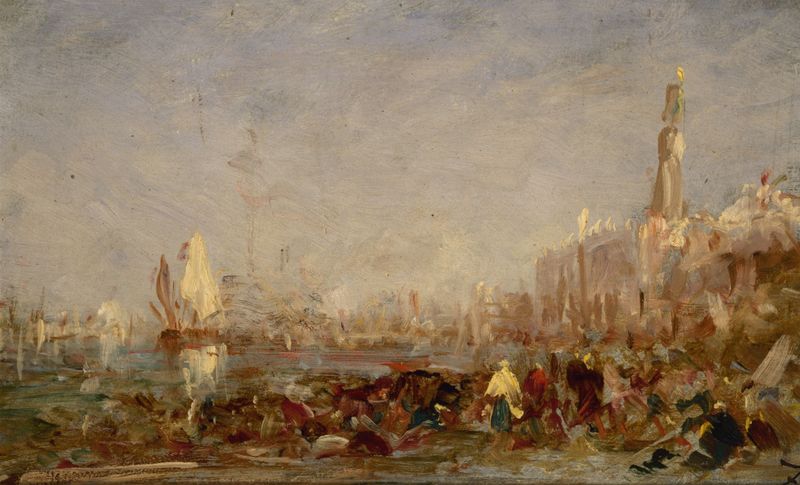
Venise
Félix Ziem
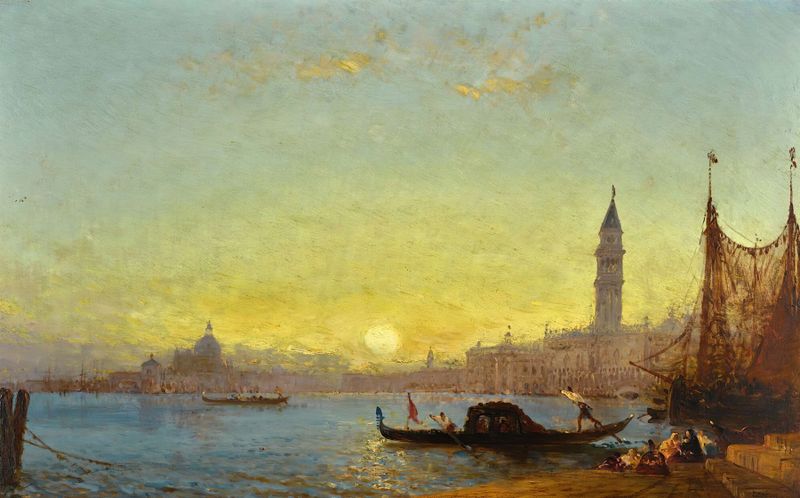
Coucher De Soleil À Venise
Félix Ziem
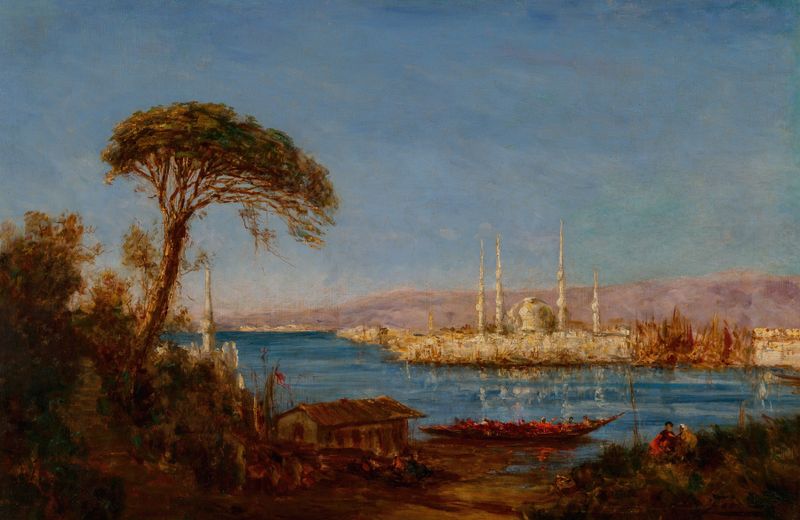
Constantinople
Félix Ziem
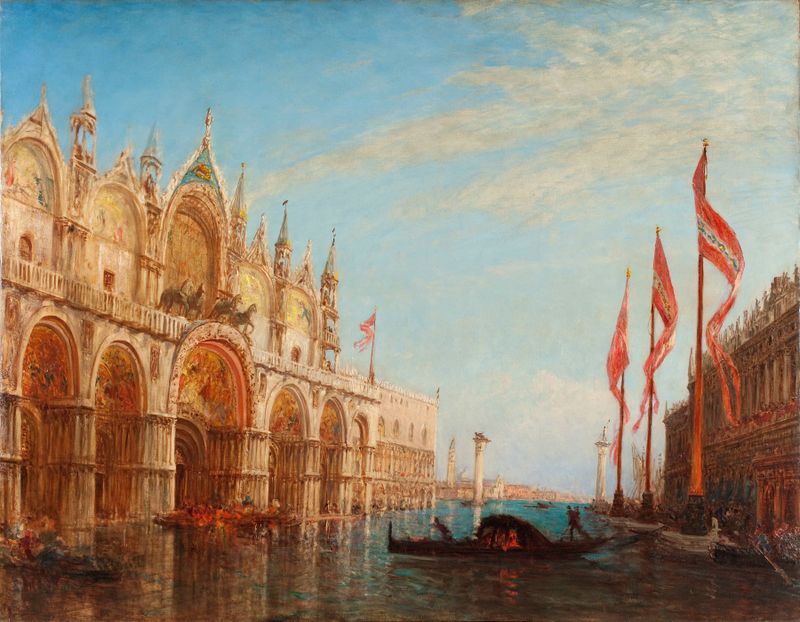
La place Saint-Marc, inondation de 1863
Félix Ziem
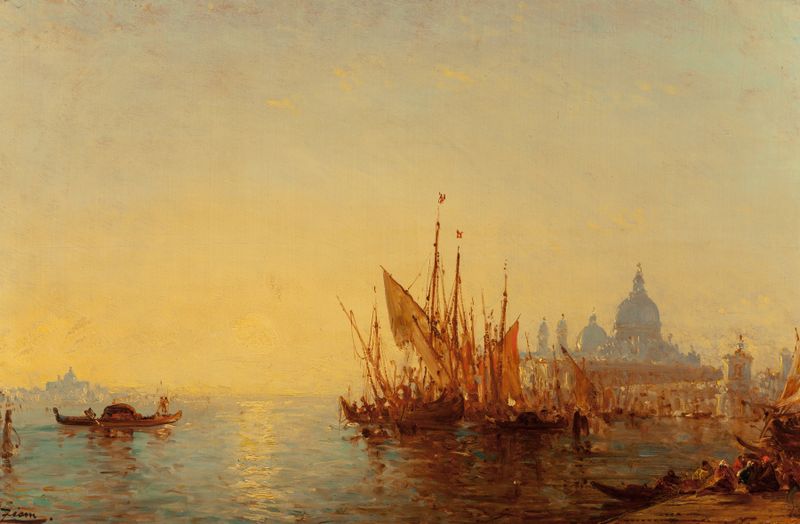
Bacino di San Marco
Félix Ziem
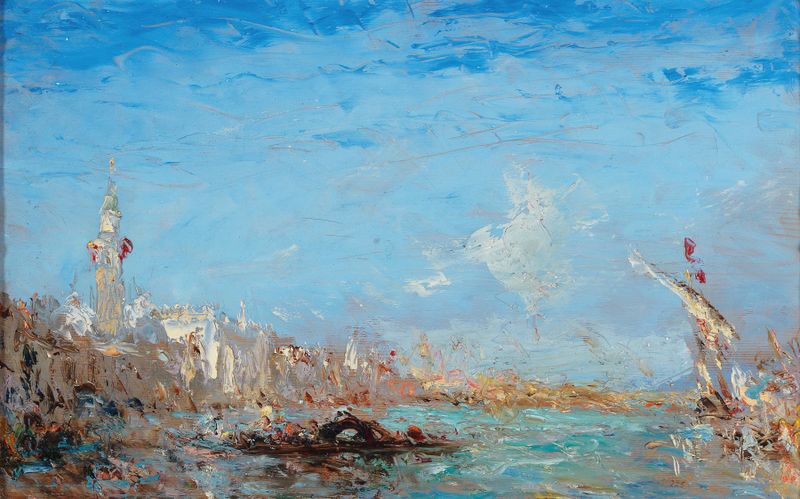
Canal Grande
Félix Ziem
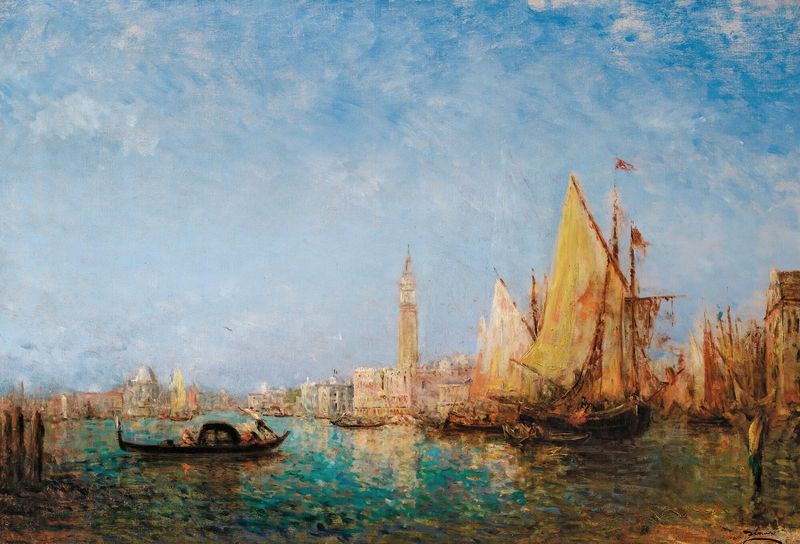
Le Palais Du Doge, Venise
Félix Ziem
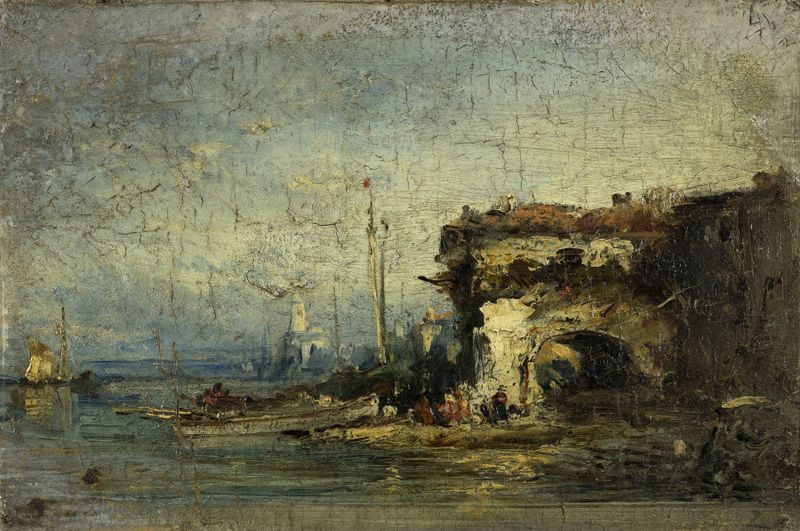
Vue d’Italie; la vieille porte
Félix Ziem
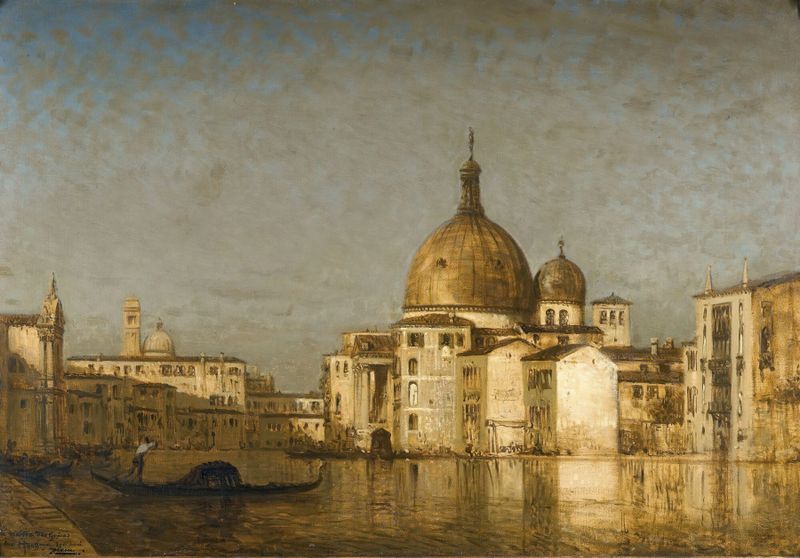
San Simeone Piccolo Au-Delà Du Grand Canal, Venis
Félix Ziem
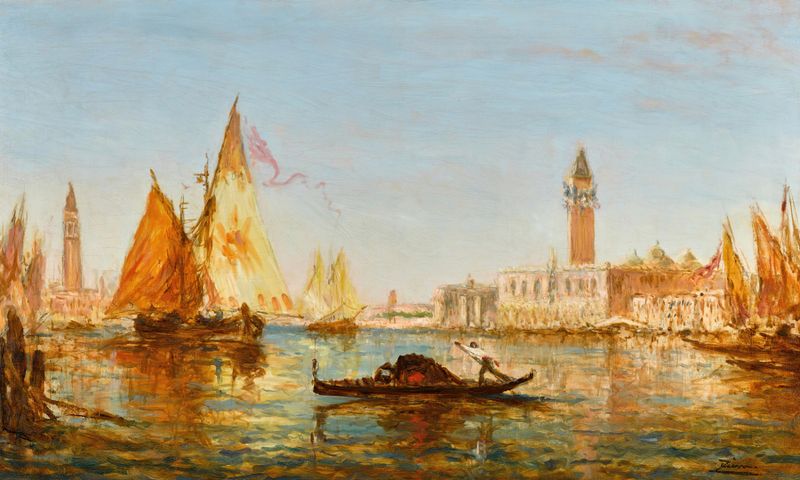
Venise, gondole et voiliers devant le Palais des doges et San Giorgio Maggiore
Félix Ziem