
Ceylon, Buddhist temple. From the journey to India — History & Facts
Can beauty exist without sorrow? Jan Ciągliński’s Ceylon, Buddhist temple. From the journey to India tantalizingly explores this question through a vibrant tapestry of color and form. Look to the top of the canvas, where a brilliant azure sky unfurls above the temple, casting an ethereal glow upon the scene. Focus on the intricate details of the temple's roof, its carved eaves catching the sunlight in a cascade of golden hues.
The lush greens of the surrounding foliage contrast sharply with the earthy reds and browns of the temple's walls, creating a harmonious yet dynamic visual rhythm that pulls the viewer into this sacred space. Yet, beneath the surface beauty lies an emotional tension. The temple stands in serene solitude, evoking both reverence and isolation, suggesting a deeper longing for connection in a rapidly changing world. The contrasting colors can be seen as a metaphor for the duality of existence—where joy and sorrow coexist.
Each brushstroke seems to whisper the stories of those who devoted their lives to such spiritual sanctuaries, hinting at the personal sacrifices often veiled by the allure of beauty. Ciągliński painted this work in 1907 during a transformative period for European artists, as they sought to break free from tradition and explore new themes. His journey to India was not just a physical expedition but an artistic pilgrimage, aimed at capturing the essence of cultures that were often romanticized through the lens of Western imagination. At this moment in time, he was deeply influenced by the rising interest in Eastern philosophy and art, which was reshaping the landscape of artistic expression in Europe.
More Artworks by Jan Ciągliński
Browse all →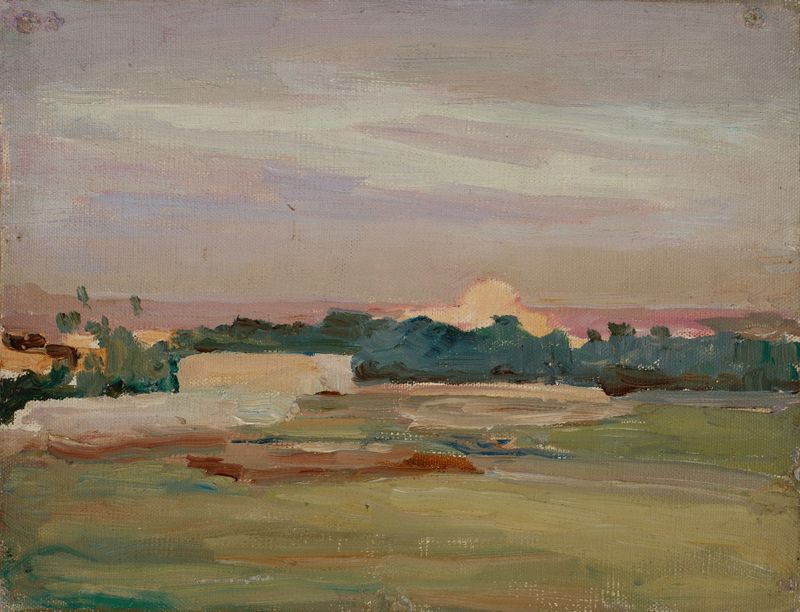
The Sirocco
Jan Ciągliński
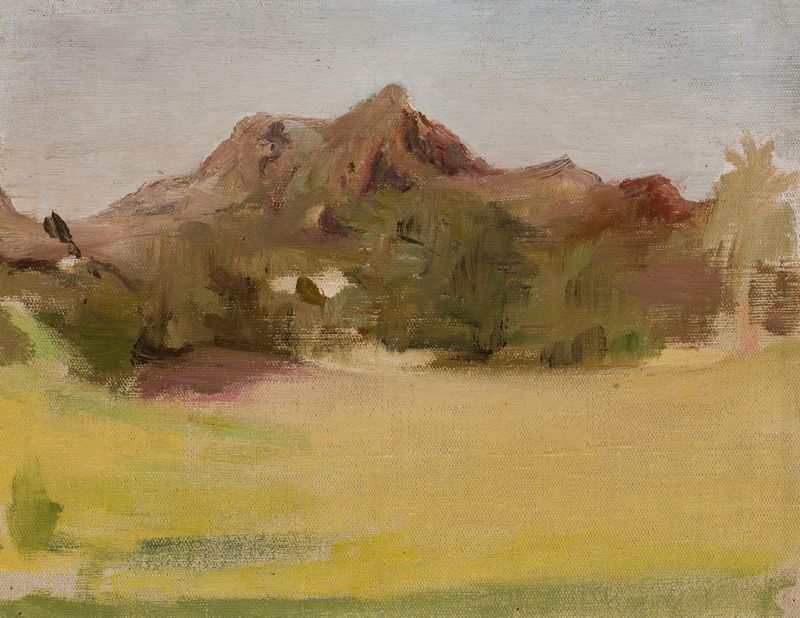
Mountain landscape. From the journey to India
Jan Ciągliński
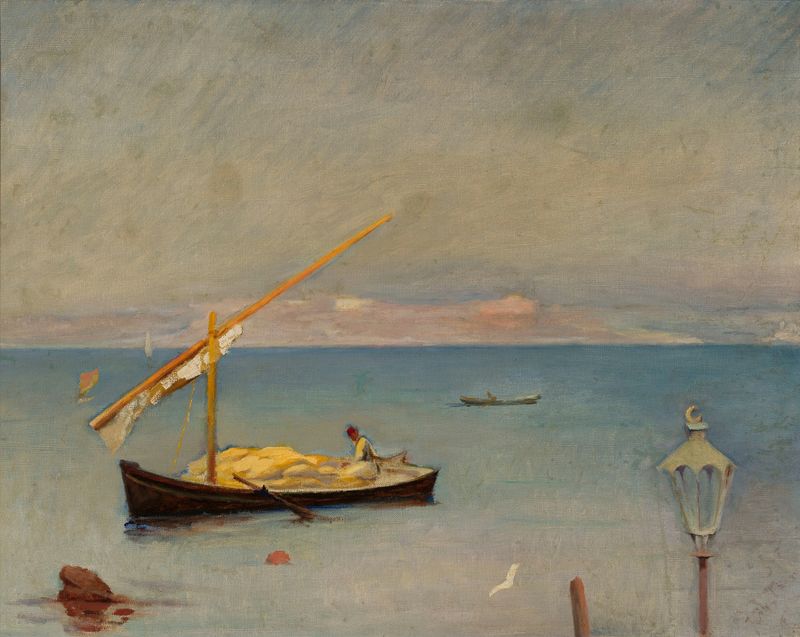
At Bosporus
Jan Ciągliński
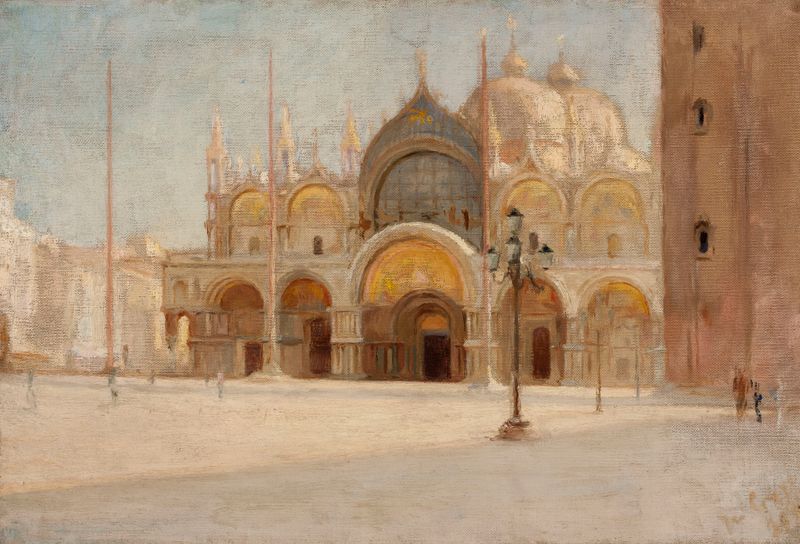
St Mark’s Square in Venice
Jan Ciągliński
Temple. From the journey to Egypt
Jan Ciągliński
Street in Damascus. From the journey to Palestine
Jan Ciągliński
Evening. From the journey to Egypt
Jan Ciągliński
Sahara (Desert)
Jan Ciągliński
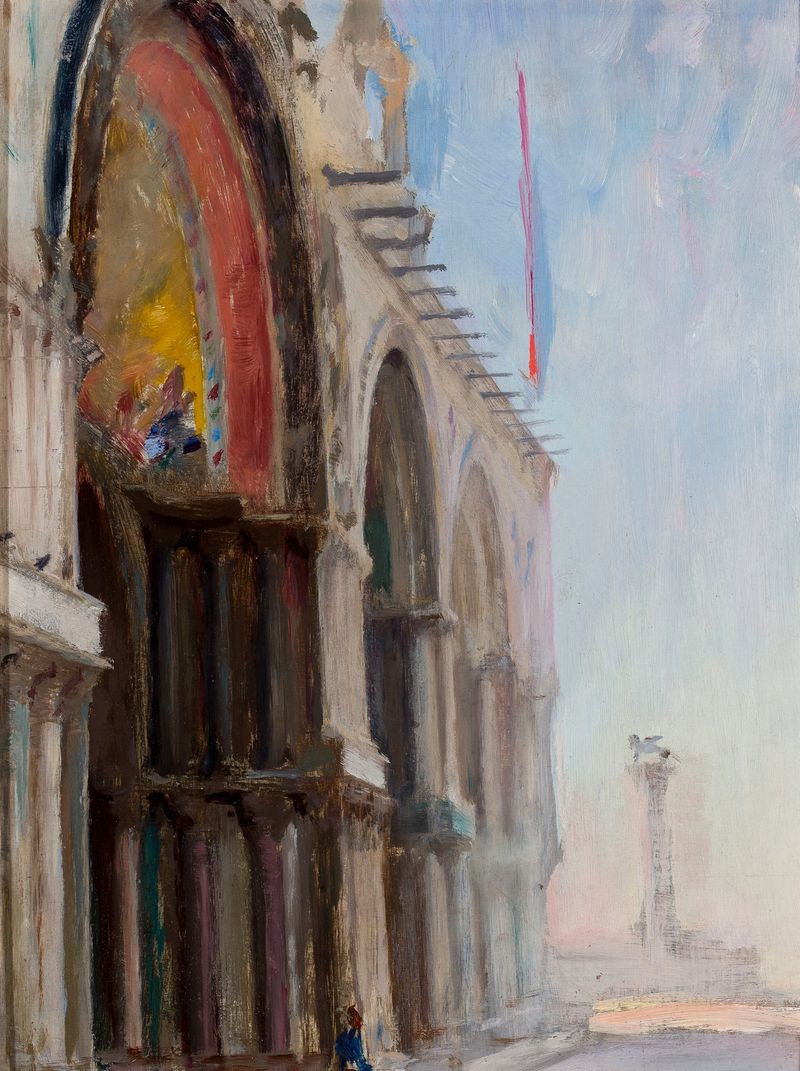
Venice – San Marco. From the journey to Italy
Jan Ciągliński
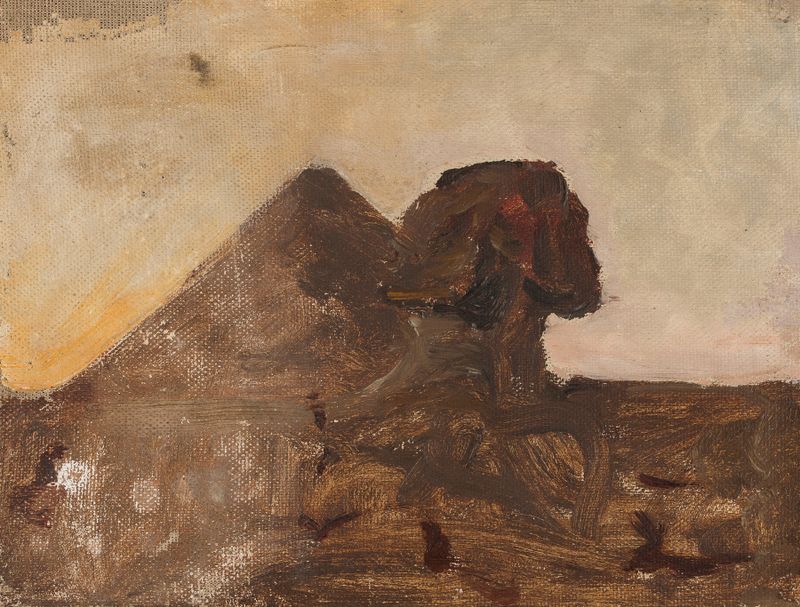
Evening in the desert – Sphinx and pyramid. From the journey to Egypt
Jan Ciągliński
More Architecture Art
Browse all →
The statue of Liberty
Frédéric Auguste Bartholdi

View of Houses in Delft, Known as ‘The Little Street’
Johannes Vermeer

View of Houses in Delft, Known as ‘The Little Street’
Johannes Vermeer

The Cathedral in Rouen. The portal, Grey Weather
Claude Monet

The yellow house
Vincent van Gogh

The Church in Auvers-sur-Oise, View from the Chevet
Vincent van Gogh