Champ de Manœuvre — History & Facts
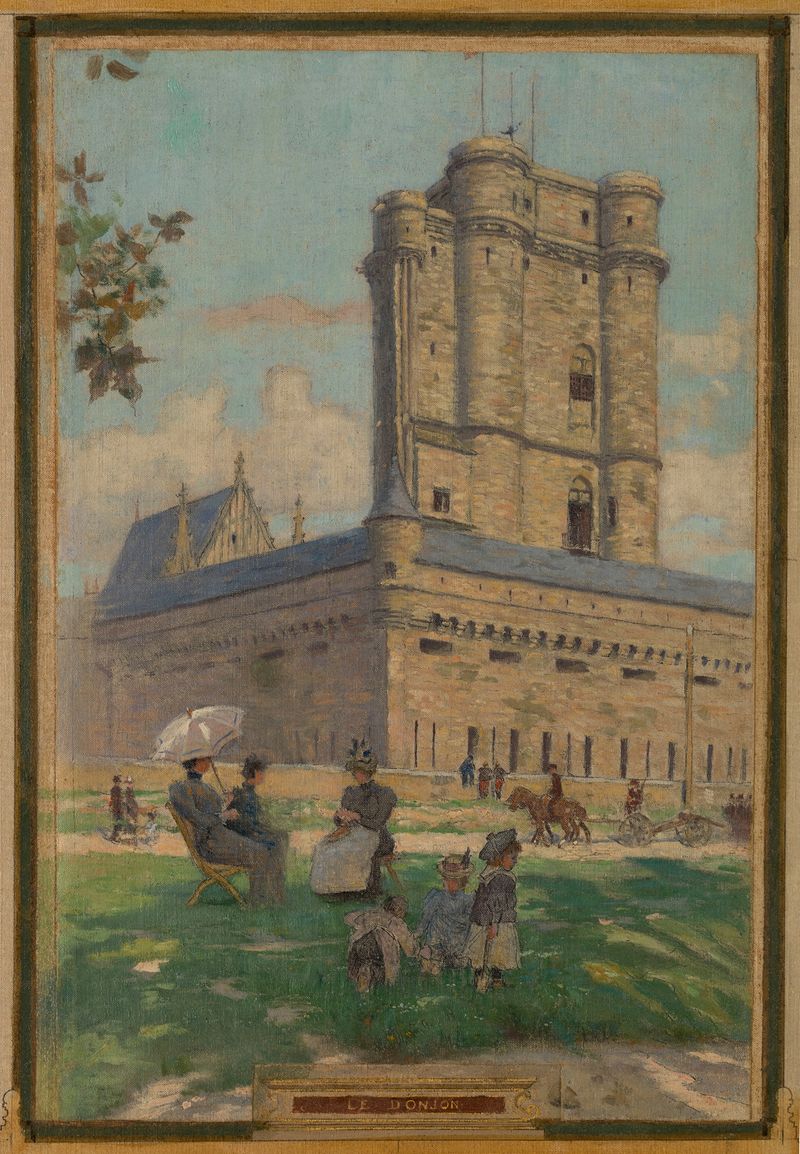
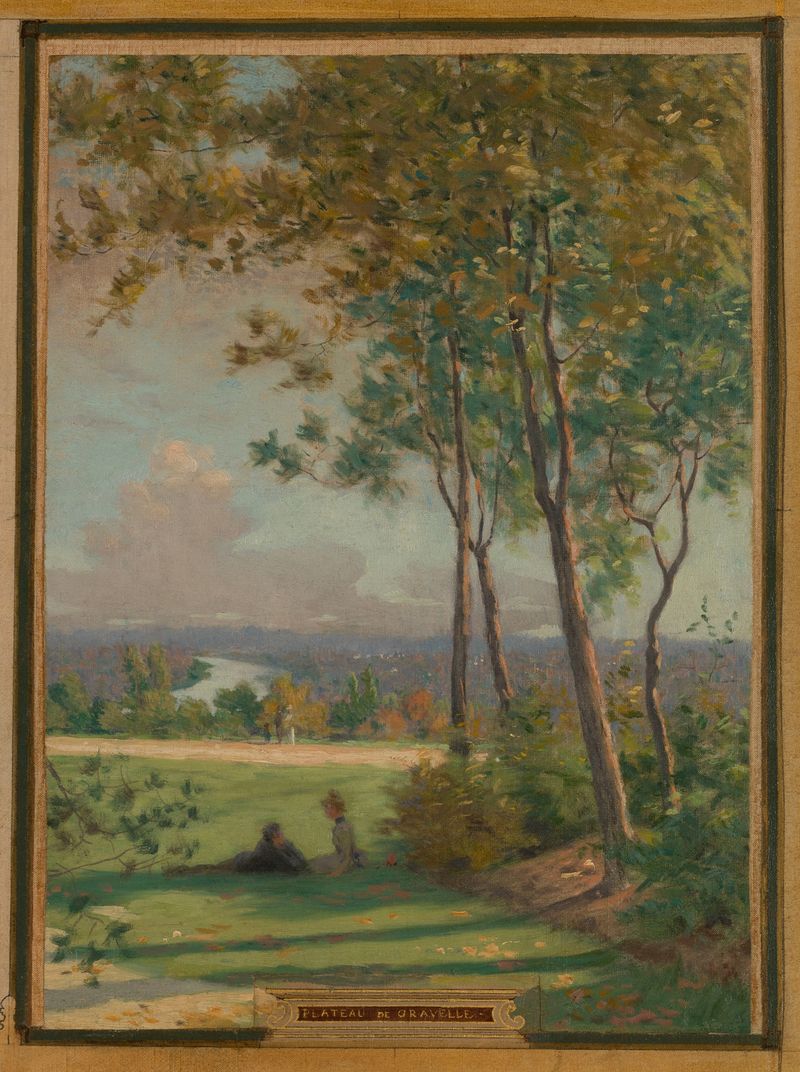
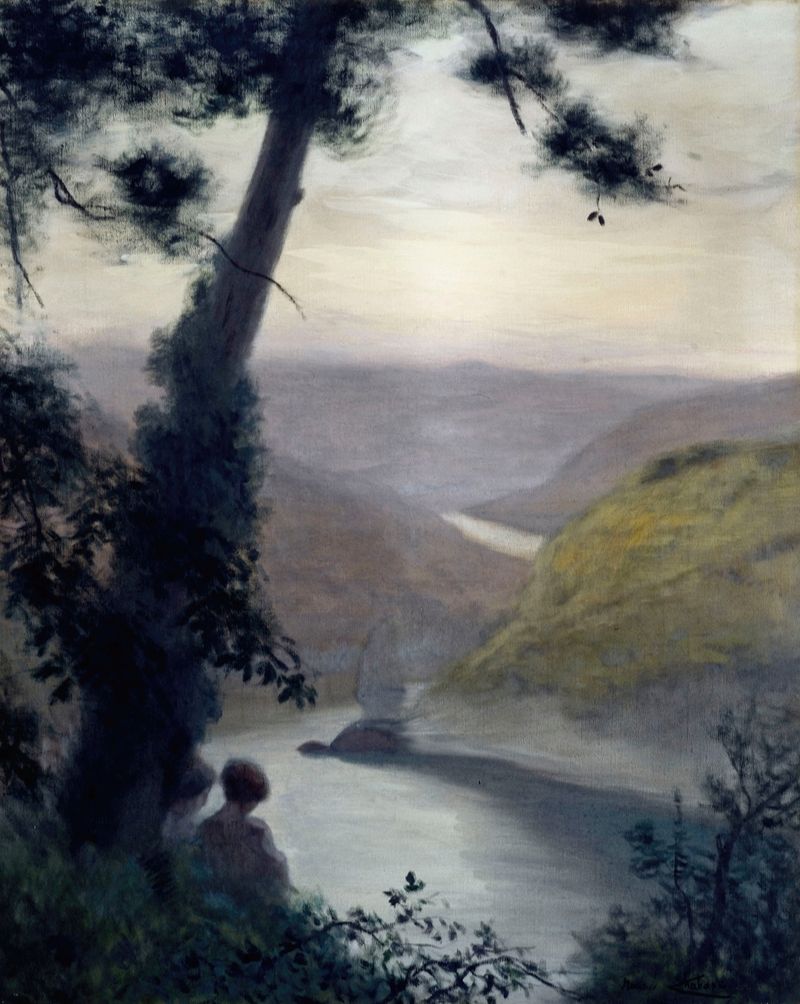
In the stillness of a moment, silence speaks volumes, revealing the weight of unspoken thoughts and emotions woven into the fabric of a scene. Look to the center where the figures stand poised, their bodies slightly turned, caught in a state of expectancy. Notice how the muted tones of earthy greens and browns envelop them, a natural palette that evokes a sense of calm yet suggests an underlying tension. The delicate brushwork captures the gentle sway of the grass, enhancing the quietude, while a soft light filters through, casting elongated shadows that hint at the passage of time. As you delve deeper, subtle contrasts emerge: the tension between the figures' calm demeanor and the dynamic interplay of light and shadow speaks to the uncertainty of their moment.
Each character carries an aura of anticipation, their gestures suggesting both readiness and hesitation. It becomes clear that this isn’t just a gathering; it is a poignant reminder of the fragility of human intention amidst life’s unpredictability. In 1898, the artist found inspiration in a world on the brink of change. Working in France during a time of artistic experimentation, Chabas embraced the Symbolist movement, capturing the complexities of human emotion and experience.
With Champ de Manœuvre, he invited viewers into a moment of introspection, urging them to reflect on the silence that often accompanies significant transitions in life.