
Chasseur en hiver, paysage à Norwood — History & Facts
What if silence could speak through light? In Chasseur en hiver, paysage à Norwood, the stillness of winter whispers an unspoken narrative, inviting contemplation and movement in equal measure. Look to the center of the canvas, where a solitary figure traverses a snow-laden path, their presence stark against the soft white blanket that envelops the landscape. Notice how the muted palette of blues and grays is punctuated by the warm browns of the trees and the hunter's coat, creating a dynamic tension between warmth and chill. The brushwork here is loose yet deliberate, allowing the viewer to feel the cold air, as if the very essence of winter is captured in each stroke. The interplay of light and shadow serves as a powerful metaphor for isolation and serenity.
While the figure may appear solitary, the surrounding landscape pulses with vitality—a reminder that life persists even in the depths of winter. The gentle undulations of the snow, coupled with the distant silhouettes of trees, evoke a sense of movement that contrasts with the stillness of the scene, revealing the underlying vibrancy of nature. Each element harmonizes, reflecting the emotional weight of solitude while celebrating the beauty of the season. In 1870, Pissarro painted this piece during a tumultuous time in his life, having relocated to England to escape the Franco-Prussian War.
This period marked a pivotal shift in both his career and the evolution of Impressionism, as he sought to capture the world around him with newfound clarity. The tranquility of the Norwood landscape stands testament to his ability to find beauty amidst chaos, forever altering the trajectory of his artistic journey.
More Artworks by Camille Pissarro
Browse all →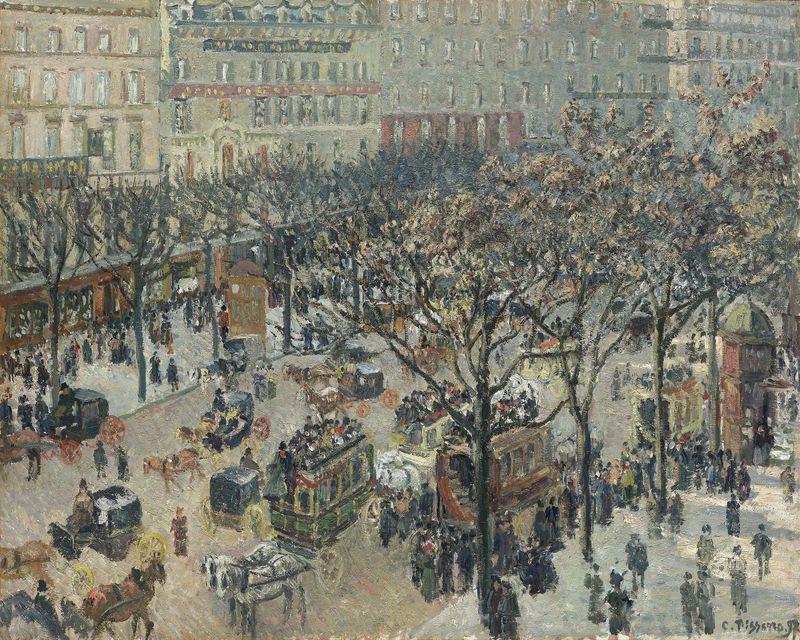
Boulevard des Italiens,Morning_Sunlight
Camille Pissarro
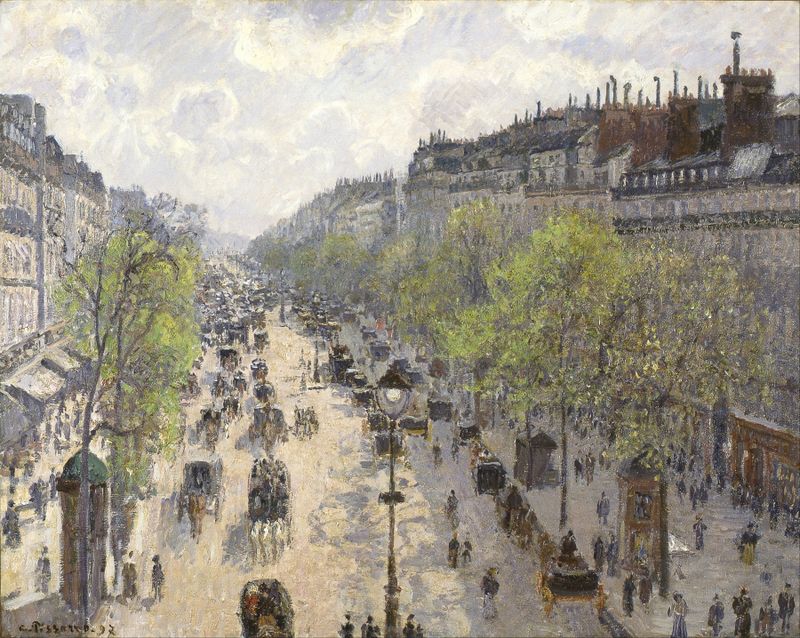
Boulevard Montmartre, Spring
Camille Pissarro
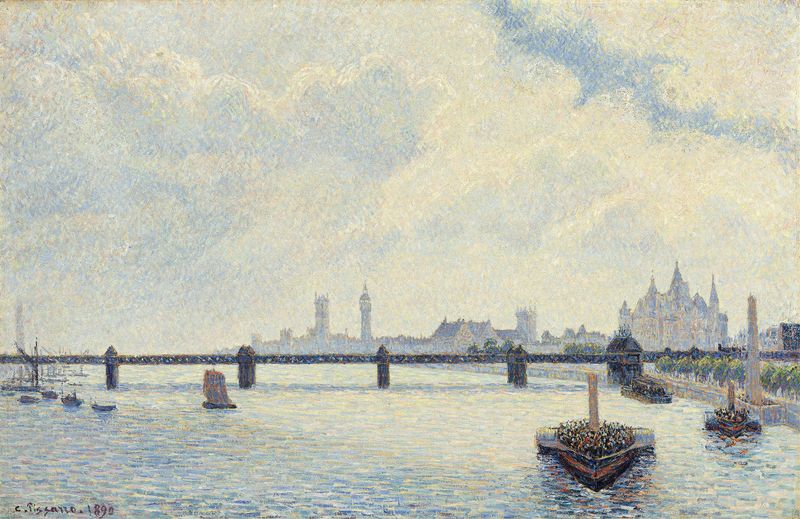
Charing Cross Bridge,London
Camille Pissarro
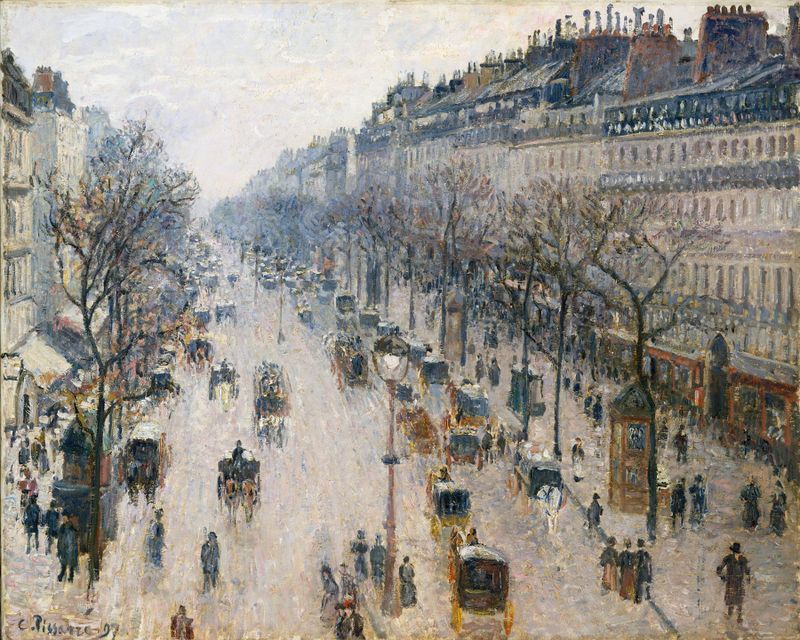
The Boulevard Montmartre on a Winter Morning
Camille Pissarro
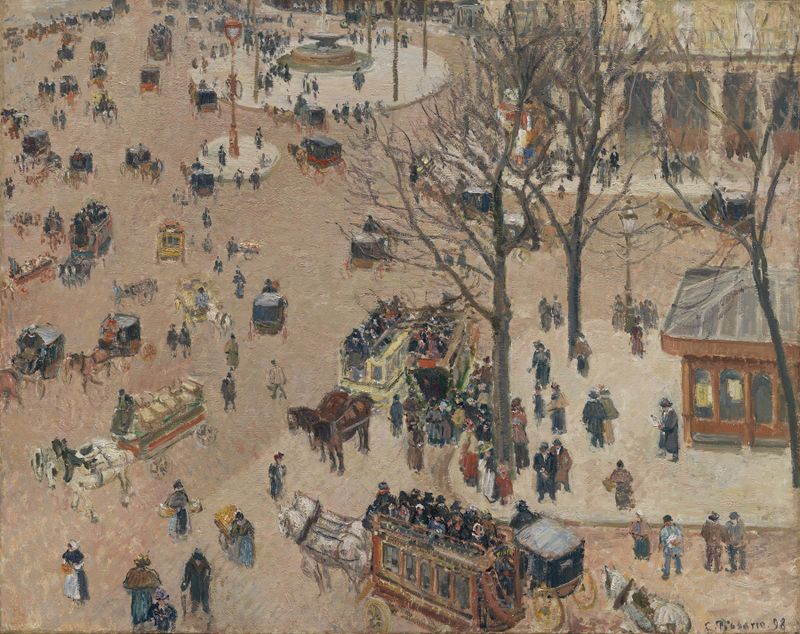
La Place du Théâtre Français
Camille Pissarro

Rue Saint-Lazare, Paris
Camille Pissarro
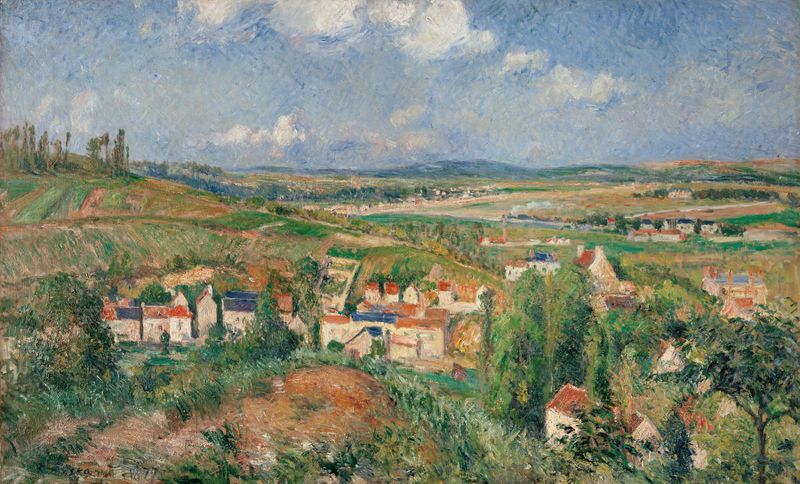
L’hermitage En Été, Pontoise
Camille Pissarro

Place du Theatre Francais,Fog Effect
Camille Pissarro
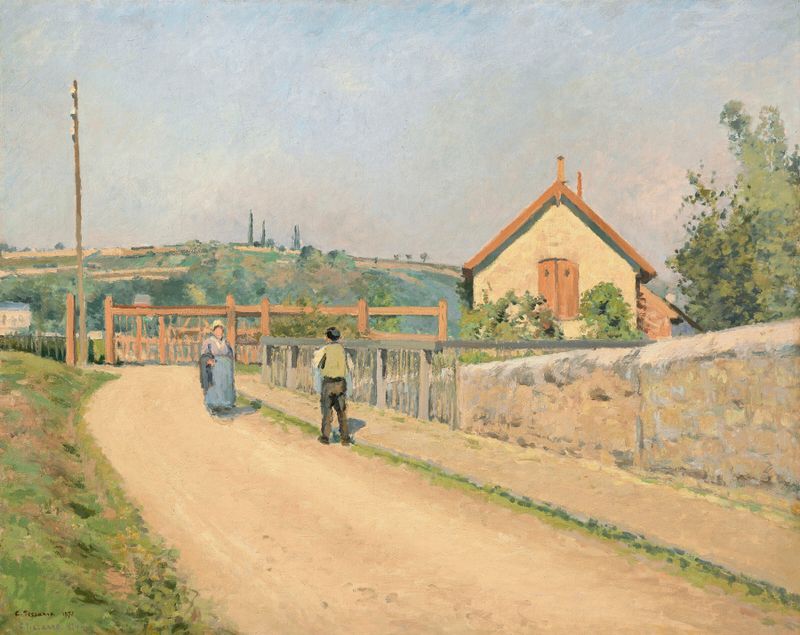
La barrière du chemin de fer, aux Pâtis près Pontoise
Camille Pissarro
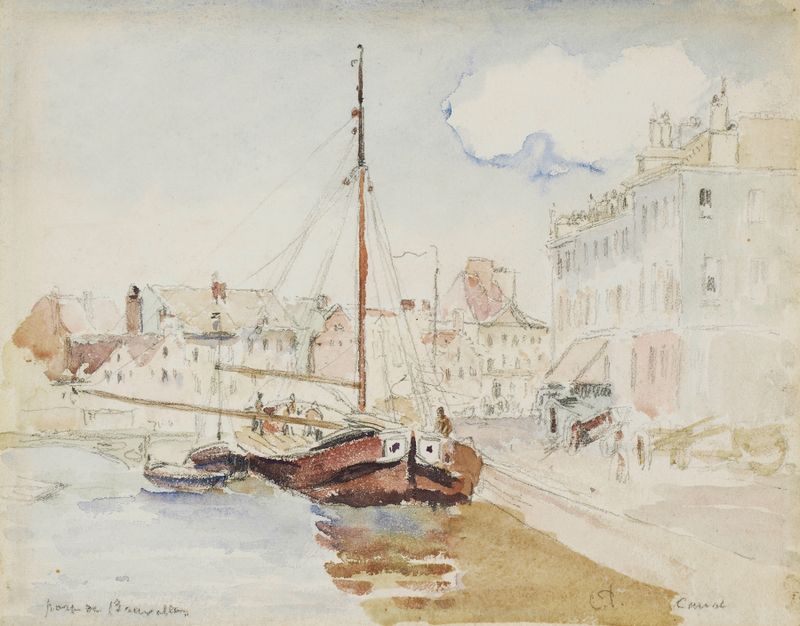
Port de Bruxelles
Camille Pissarro





