
Chateau De Crussol (Drome) — History & Facts
Who listens when art speaks of silence? In Victor Petit’s Chateau De Crussol (Drome), a haunting stillness envelops the scene, inviting contemplation of madness hidden beneath tranquil beauty. Look to the foreground, where the rugged terrain meets the delicate strokes of the castle's walls, seemingly perched on the edge of oblivion. The muted palette—earthy browns and whispering greens—harmonizes with the soft, diffused light, casting shadows that dance across the landscape. Each brushstroke reveals not just the structure but the essence of the place, as if the castle itself breathes, exhaling the weight of its secrets into the still air. As your gaze travels upward, a contrast unfolds—while the castle stands resolute against the vast sky, the surrounding mist hints at uncertainty and chaos.
The juxtaposition between solid stone and ethereal fog symbolizes the clash between stability and the madness often lurking within. This tension draws attention to the viewer’s own thoughts and uncertainties, suggesting that what appears steadfast may contain hidden vulnerabilities. In 1860, Petit was immersed in the Romantic movement, exploring the interplay between nature and human existence. Working in France, he sought to capture the essence of landscapes that evoke deep emotional responses.
The art world was shifting at this time, and Petit’s focus on the interplay of light and atmosphere showcased his desire to depict not just a place, but the very feelings it evoked, an engagement with both beauty and madness.
More Artworks by Victor Petit
Browse all →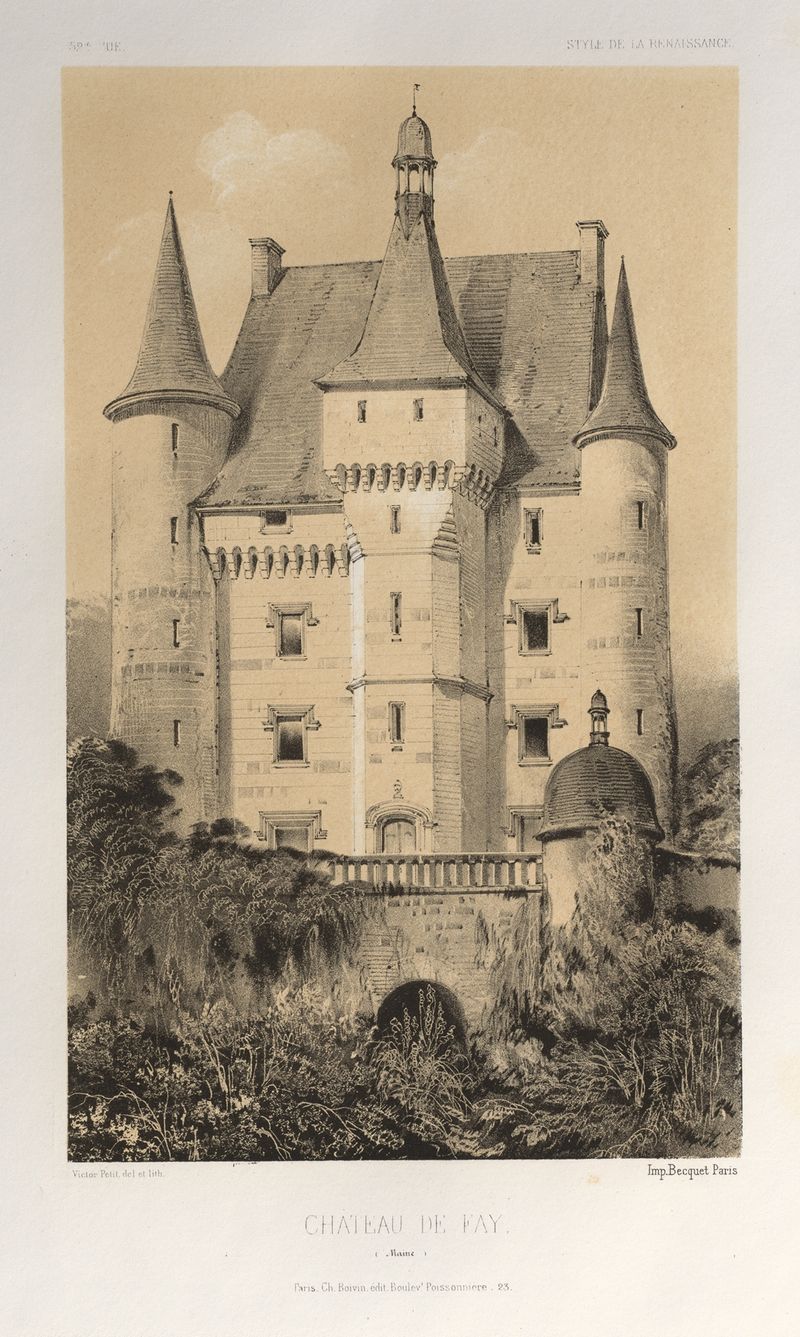
Château De Fay (Maine)
Victor Petit
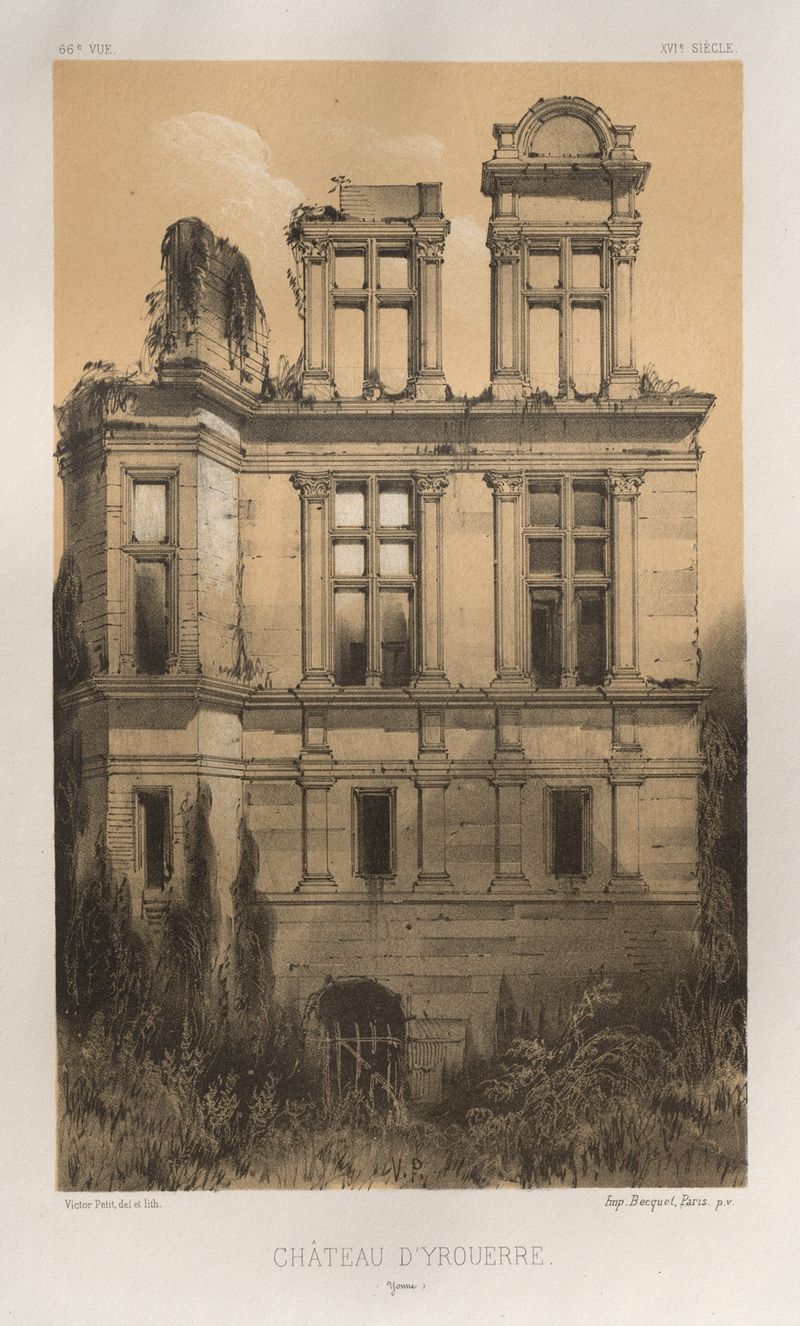
Château D’Yrouerre (Yonne)
Victor Petit
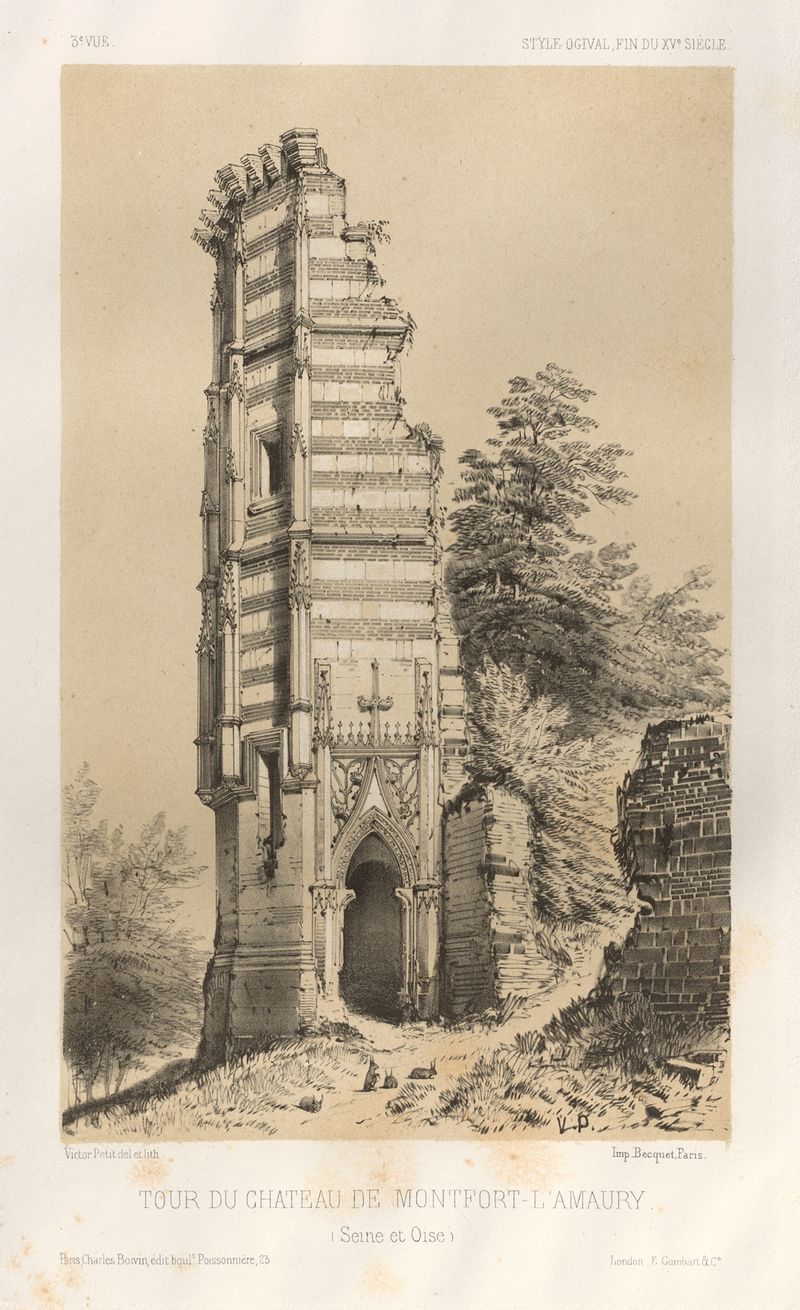
Tour du chateau de Montfort-l’Amaury (Seine-et-Oise)
Victor Petit

Tour Du Port De Marseille (Bouches Du Rhône)
Victor Petit
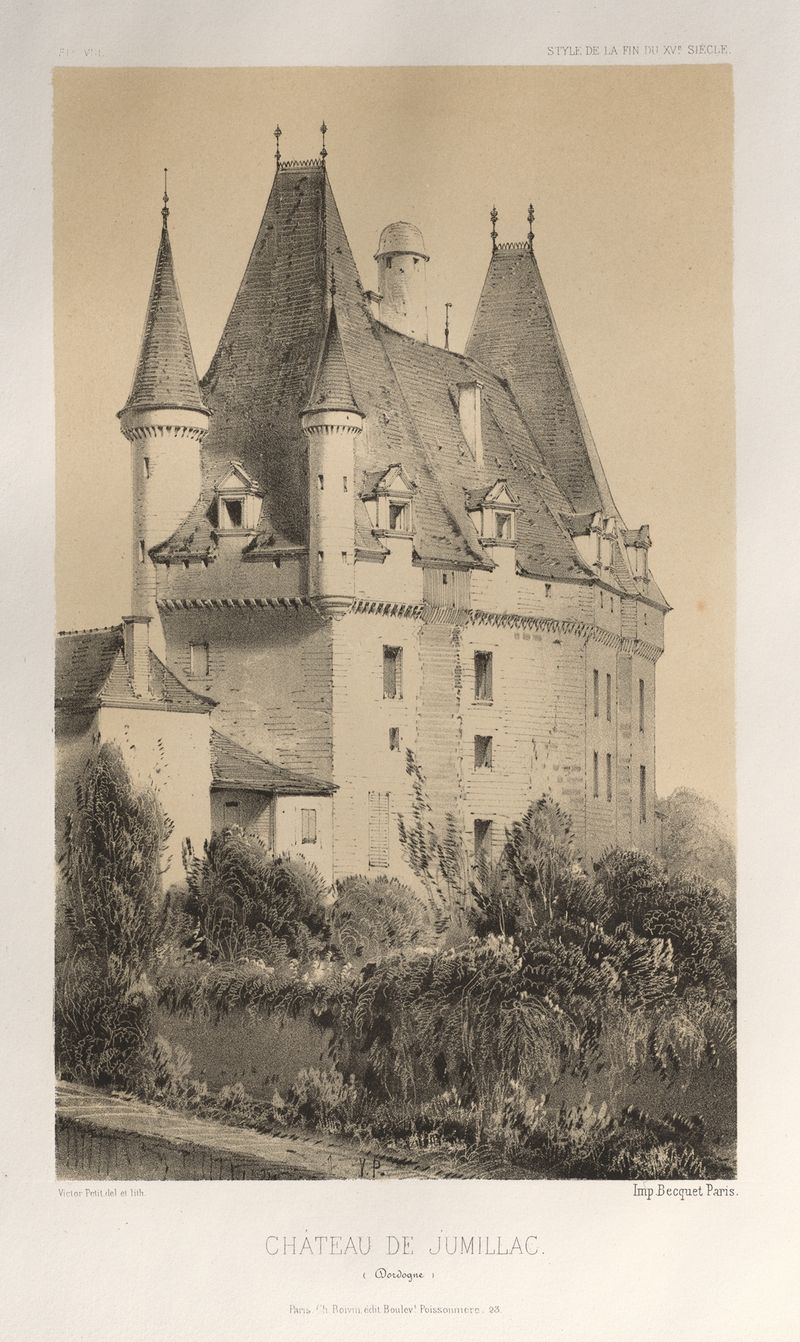
Château De Jumillac (Dordogne)
Victor Petit

Château de Tévray (Eure)
Victor Petit

Galerie Du Château De Jouancy (Saone et Loire)
Victor Petit

Château De Mello (Oise)
Victor Petit
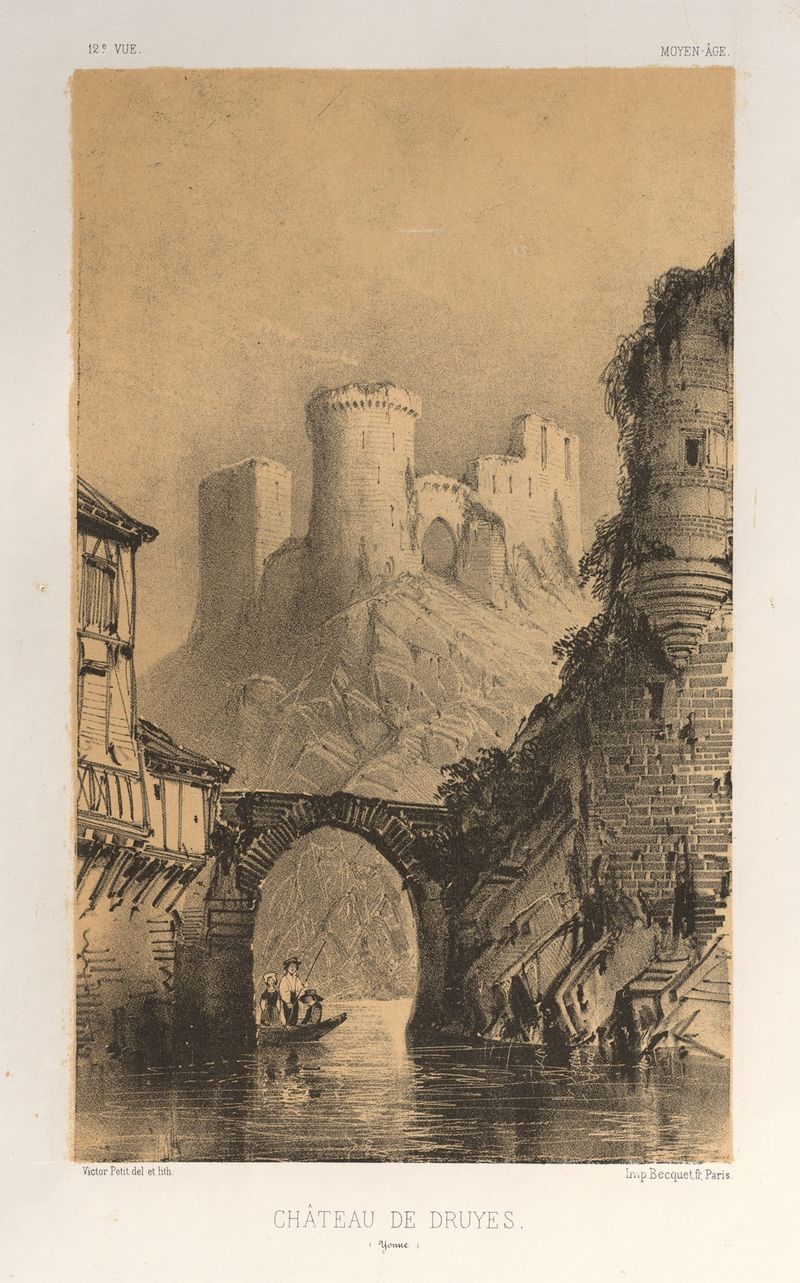
Chateau De Druyes (Yonne)
Victor Petit

Le ChasteLet-Neuf (Corrèze)
Victor Petit





