
Chemin de l’abreuvoir, après la pluie — History & Facts
The stillness following a rainstorm often masks profound revelations, drawing us into a moment of quiet introspection. Focus first on the lush, verdant hues that breathe life into the canvas, particularly in the sweeping fields on the left. The artist's brushstrokes create a textured landscape, with vibrant greens meeting subdued earth tones that hint at the rain-soaked soil. Look closely at the subtle play of light shimmering on the wet surface, revealing the delicate dance between shadow and illumination.
The path meanders invitingly, drawing the viewer's eye deeper into the scene, as the gentle curve mimics the natural flow of the land. Beneath the surface beauty lies a tension between tranquility and the aftermath of chaos. The aftermath of rain suggests both renewal and the fleeting nature of serenity. Notice the lone figure in the background, a humble presence against the expansive landscape, evoking feelings of solitude amidst nature's grandeur.
This stark contrast between the vastness of the surroundings and the figure's diminutive scale speaks to the human experience of vulnerability in the face of nature's overwhelming beauty. In 1903, Armand Guillaumin painted this piece during a period of artistic exploration, just before the rise of modernism. Living in France, he was surrounded by a vibrant artistic community, engaging with Impressionism's evolving dialogue. During this time, he grappled with his identity as a painter, striving for a more personal expression amid the prevailing trends of his contemporaries.
More Artworks by Armand Guillaumin
Browse all →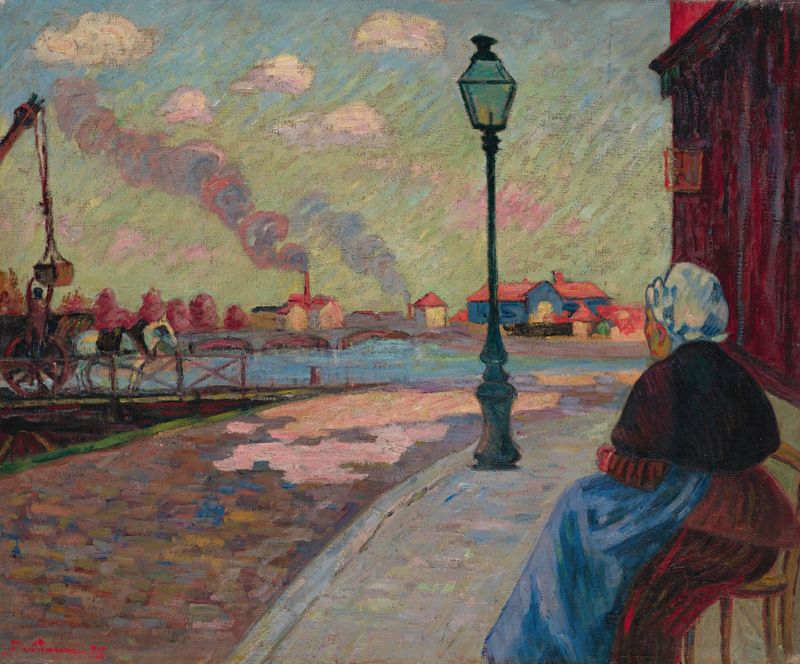
La Seine À Charenton
Armand Guillaumin
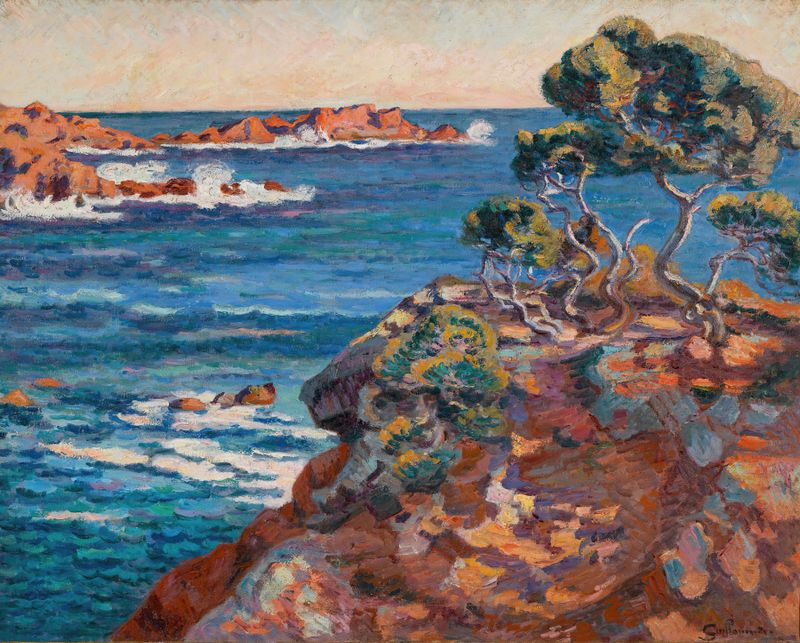
Bord De Mer À Agay
Armand Guillaumin
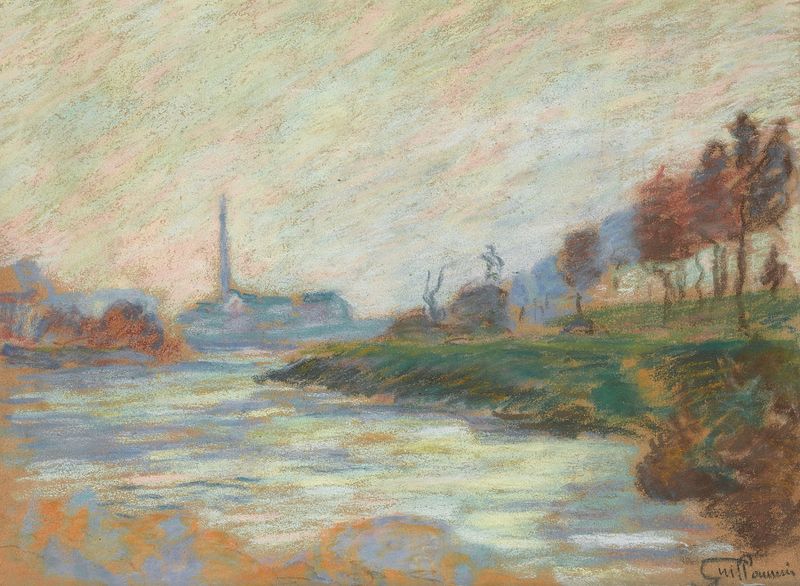
Confluent De La Marne Et De La Seine, Île De La France
Armand Guillaumin

Le Ravin de la folie, vue de Chateau Crozant
Armand Guillaumin
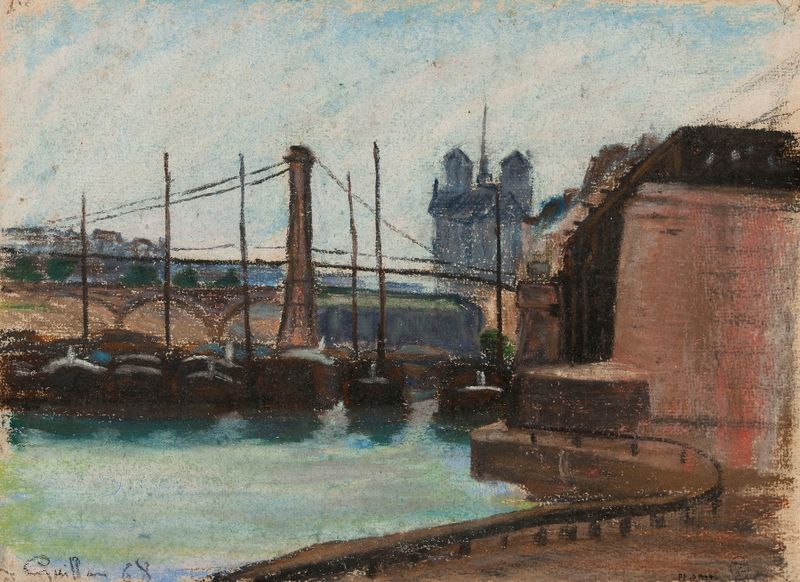
Le Pont d’Austerlitz
Armand Guillaumin

Paysage de Printemps
Armand Guillaumin
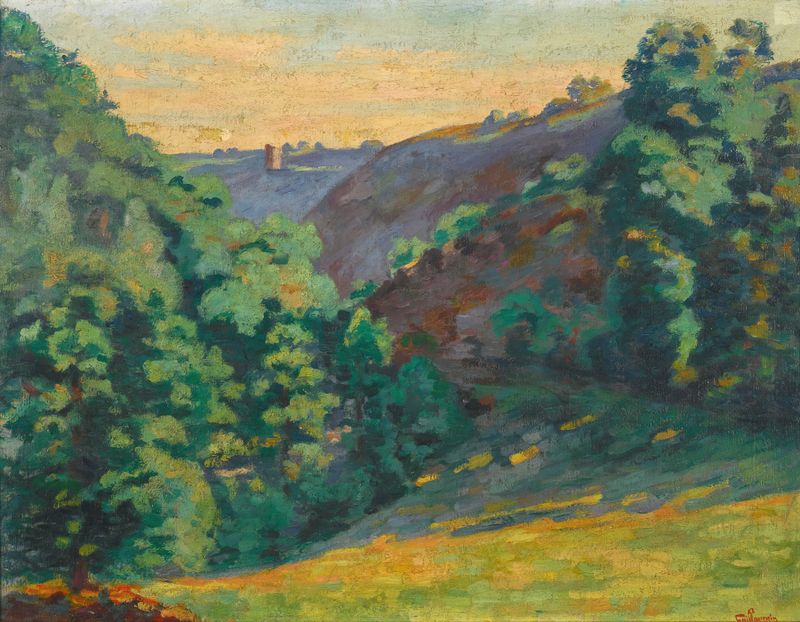
Crozant, Le Ravin De La Sedelle À La Folie
Armand Guillaumin
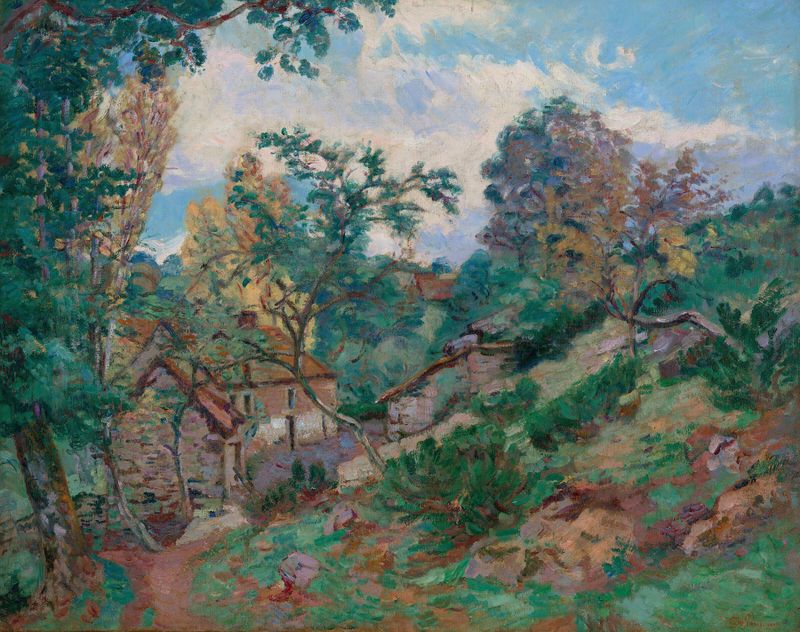
Paysage
Armand Guillaumin

La vallée de la creuse
Armand Guillaumin

L’Eglise Saint-Sulpice, Paris
Armand Guillaumin





