
Cheslakee’s Village in Johnstone’s Straits — History & Facts
Did the painter know this moment would outlive them? The stillness of Cheslakee’s Village in Johnstone’s Straits whispers of an awakening, capturing a fleeting world that beckons exploration and reflection. Look to the foreground, where the gentle curve of the water’s edge invites the viewer into this tranquil scene. The artist’s meticulous brushwork reveals the intricacies of the village, each stroke illuminating the vibrant hues of the wooden structures nestled among lush greenery. Notice the way the light dances on the surface of the water, creating a shimmering path that leads the eye toward the distant mountains, their solemn peaks framed against a softening sky. Delve deeper into the painting’s emotional landscape.
The tranquility of the village belies an underlying tension between nature and human existence—how these structures, though harmonious, seem but a temporary refuge in the vast wilderness. The harmonious palette of blues and greens evokes a sense of peace, yet the looming mountains remind us of nature’s omnipotence, suggesting a complex relationship between the inhabitants and their environment. This duality enhances the work’s narrative, revealing layers of meaning about resilience and the passage of time. Charles Hamilton Smith painted this work in the early 19th century, a period marked by a growing fascination with the natural world and indigenous cultures.
While living in England, he was increasingly influenced by the Romantic movement, which emphasized emotion and the sublime beauty of nature. It was a time when artists began to document and reflect on their experiences, bridging the gap between observation and interpretation, as he captured the essence of a vanishing village in its primordial splendor.
More Artworks by Charles Hamilton Smith
Browse all →
Situation of H.M.S. Hecla & Griper
Charles Hamilton Smith
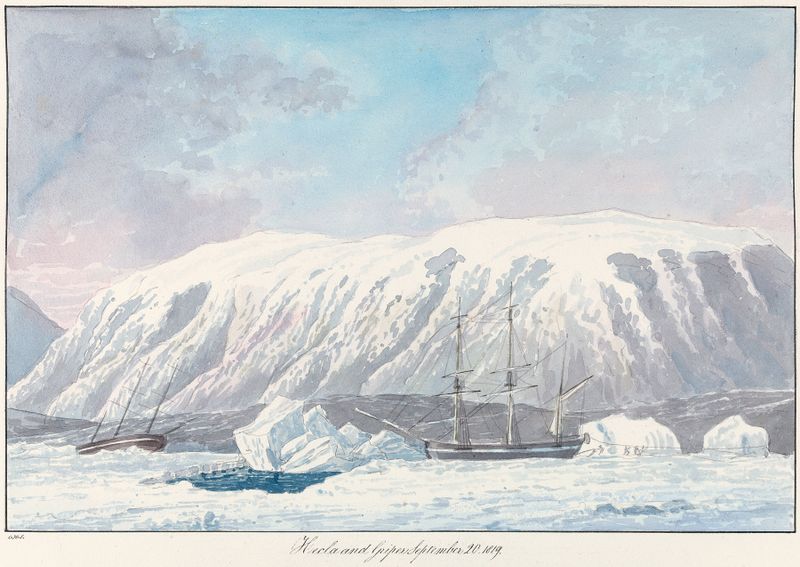
Hecla and Griper
Charles Hamilton Smith

Friendly Cove, Nootka Sound
Charles Hamilton Smith

Iceberg in Baffin’s Bay
Charles Hamilton Smith
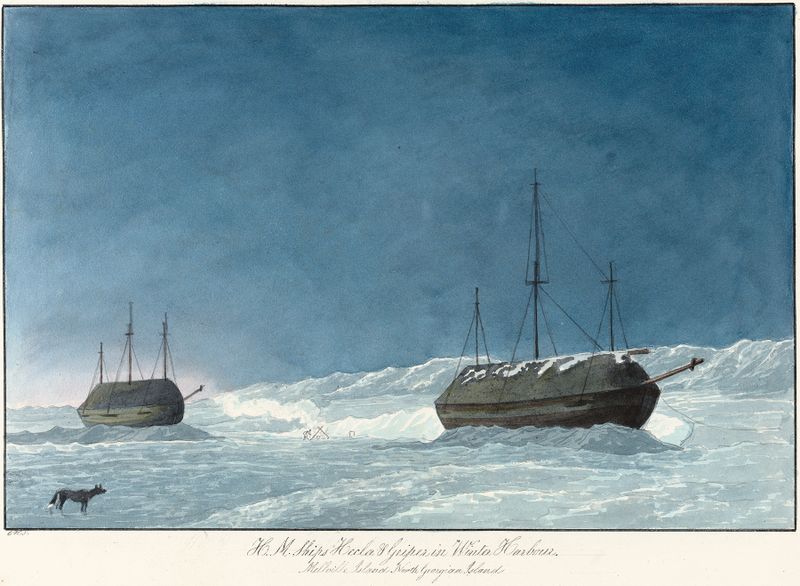
H. M. Ships Hecla and Griper in Winter Harbour
Charles Hamilton Smith

The Erebus & Terror in a Gale in the Pack of the Ice
Charles Hamilton Smith
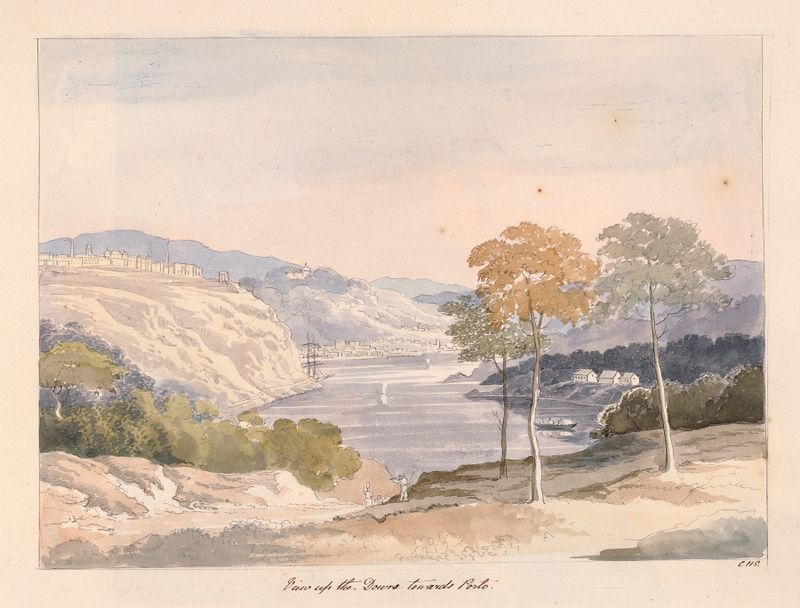
View of the Douro towards Porto
Charles Hamilton Smith
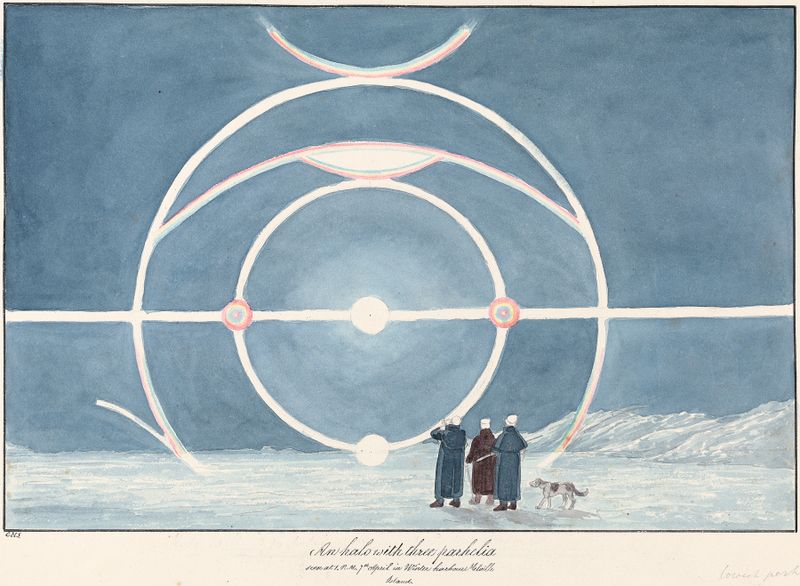
Halo with Three Parhelia, Winter Harbour Melville Island
Charles Hamilton Smith
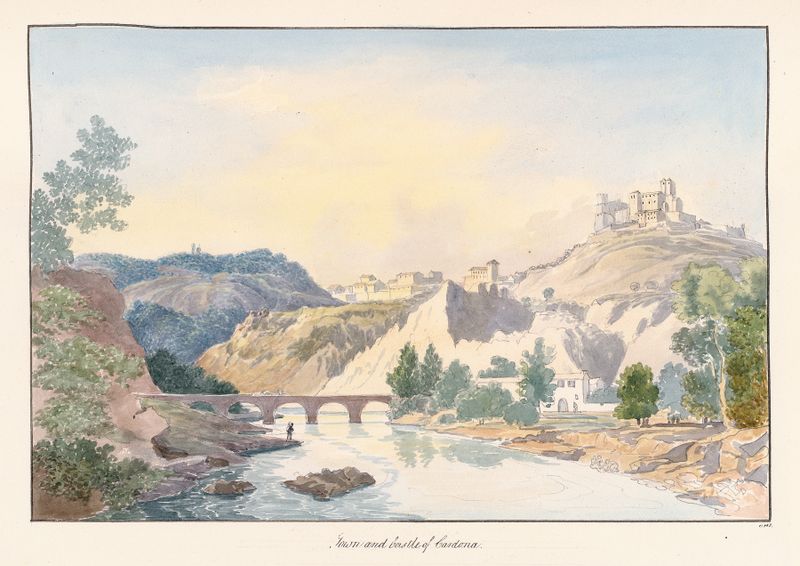
Town and Castle of Cardona
Charles Hamilton Smith
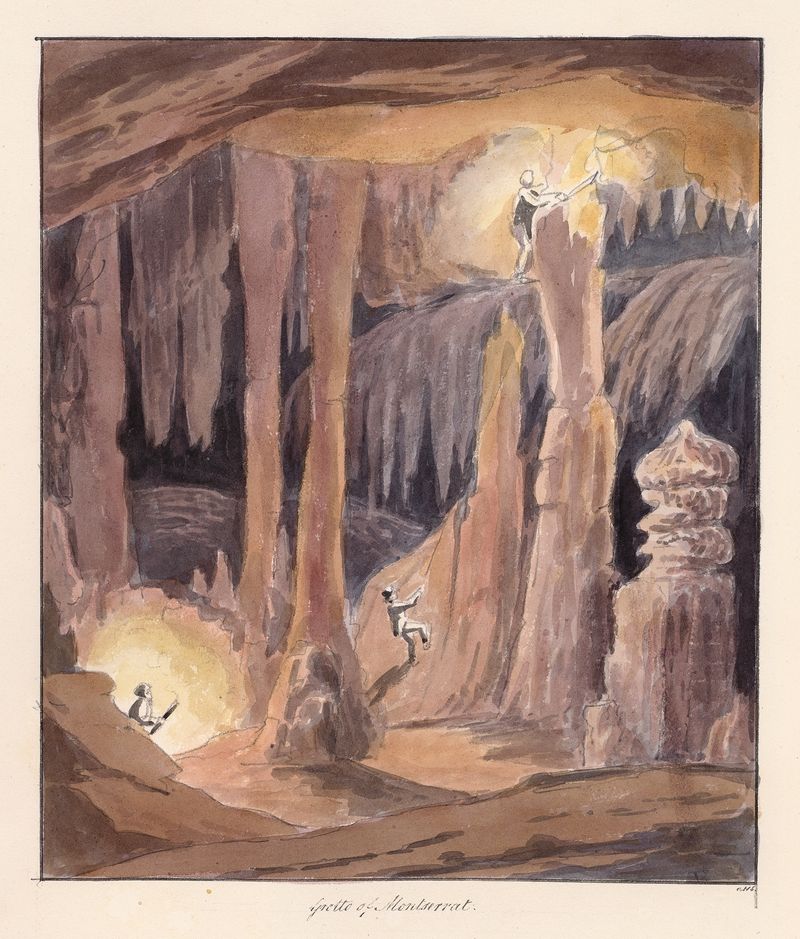
Grotto of Montserrat
Charles Hamilton Smith





