
Chiemseefischer — History & Facts
Can paint confess what words never could? In Chiemseefischer, a quiet betrayal lingers beneath the surface, inviting the viewer to delve into the unspoken narrative of yearning and loss. Look closely at the figures in the foreground, where two fishermen toil against a backdrop of shimmering water. Notice how the light dances on the lake's surface, each glimmer reflecting the tension in their postures, revealing both weariness and resilience. The muted earth tones contrast sharply with the vibrant blues, suggesting a struggle between nature's beauty and human strife, while the gentle ripples symbolize the emotional undercurrents that swirl around them. As you explore the painting further, consider the composition—how the diagonal lines of the boat and water guide your gaze toward the horizon, hinting at dreams of escape or perhaps a longing for something lost.
The fishermen’s expressions, marked by an ambiguous mix of determination and resignation, evoke a sense of betrayal not just of hope, but also of the idyllic life they might have imagined. The tension between man and nature is palpable, raising questions about the relationship between labor and aspiration. In 1896, Joseph Wopfner painted Chiemseefischer during a significant time of change in the art world, as realism began to challenge the romantic ideals of the past. Hailing from Bavaria, Wopfner was influenced by the landscape of his homeland and the daily lives of its people.
This period saw a growing appreciation for capturing truth in art, as society grappled with the realities of industrialization and modernity. The fisherman’s plight, steeped in ambiguity, resonates as a silent commentary on the complexities of human experience.
More Artworks by Joseph Wopfner
Browse all →
Fischer am Chiemseeufer
Joseph Wopfner

An der Nordseeküste
Joseph Wopfner

Fischerzug am Chiemsee
Joseph Wopfner

Fischer am Chiemseeufer
Joseph Wopfner
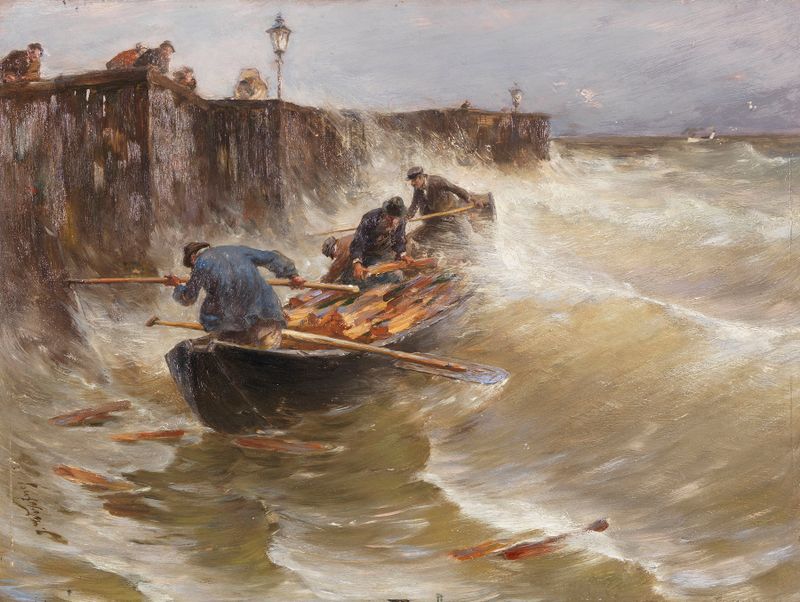
Gefährliche Anlandung der Holzfischer am Bodensee
Joseph Wopfner

Ausfahrt Der Fischer
Joseph Wopfner
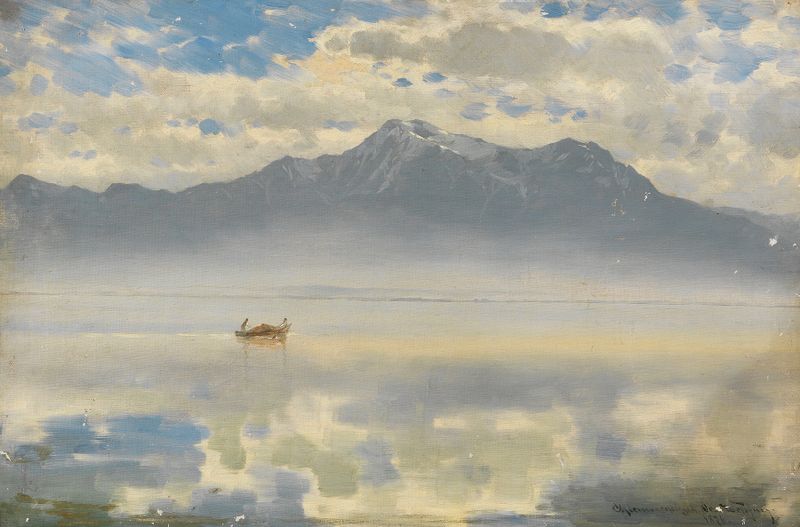
Chiemseespiegel
Joseph Wopfner
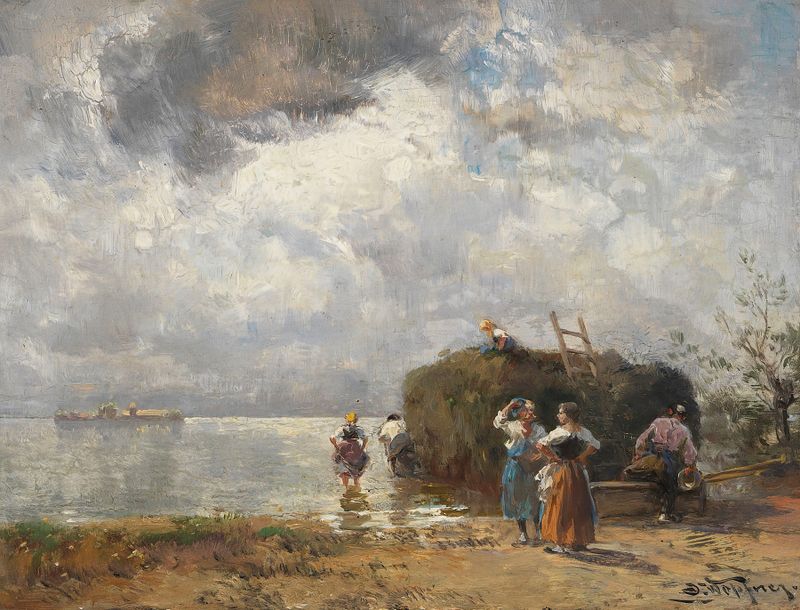
Heuschiff am Chiemsee
Joseph Wopfner

Fischer und Mönche am Ufer
Joseph Wopfner

Verschiffung der Heuernte am Chiemsee mit aufziehendem Gewitter
Joseph Wopfner





