
Chillon — History & Facts
In the stillness of Chillon, an abyss of emotion unfurls, revealing the void that lingers amidst beauty and decay. Look to the forefront of the composition, where the majestic castle stands as a solemn guardian over the serene lake. Its weathered stones are bathed in the soft glow of twilight, each shadow weaving stories of history and solitude. Notice the gentle ripples on the water’s surface, mirroring the somber hues that dominate the canvas — deep blues and muted grays harmonizing with hints of fading gold.
The contrast between the fortress’s strength and the ephemeral beauty around it hints at fragility, evoking a sense of longing and introspection. Within the delicate details lies a narrative of isolation and resilience. The distant mountains loom like silent witnesses, their imposing presence both protective and suffocating. The interplay of light emphasizes the fleeting nature of existence, where the brilliance of day gives way to the ominous shades of night.
This juxtaposition captures the essence of the human spirit grappling with confinement and an insatiable desire for liberation, as if the very air is infused with whispered dreams that dare to transcend the void. Created during a period marked by Romantic exploration, this piece reflects the artist’s fascination with nature’s power and human vulnerability. Aberli painted Chillon amidst an artistically vibrant Europe, where landscapes became a canvas for solitude and reflection. In this work, he encapsulates a timeless dialogue between humanity and the world around it, forging an emotional connection that resonates deeply with viewers.
More Artworks by Johann Ludwig Aberli
Browse all →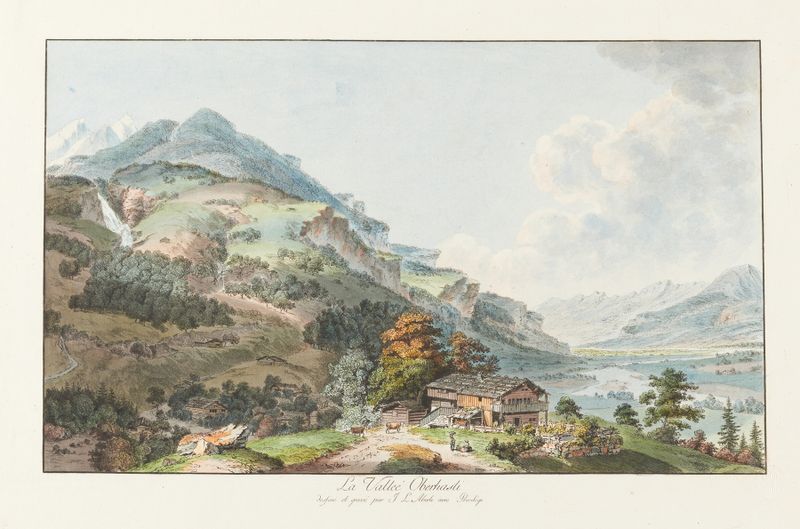
La Vallée Oberhasli
Johann Ludwig Aberli
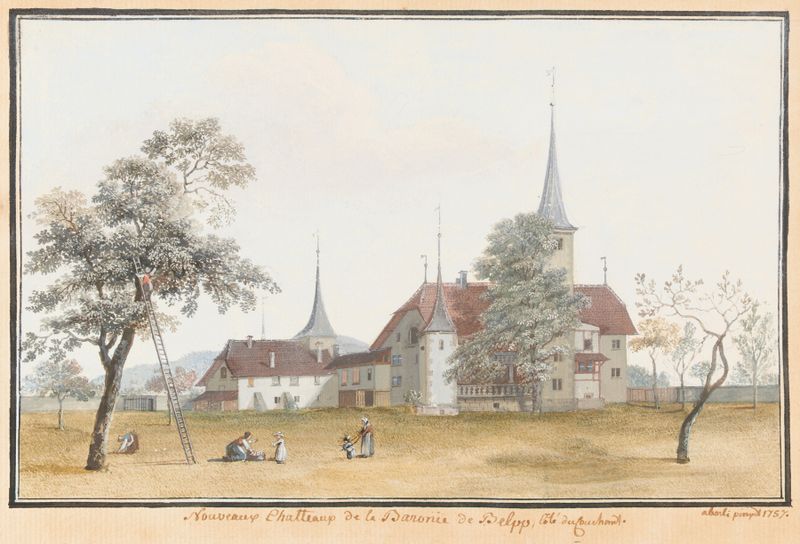
Nouveaux Chatteaux de la Baronie de Belpp; Côté du Couchant
Johann Ludwig Aberli
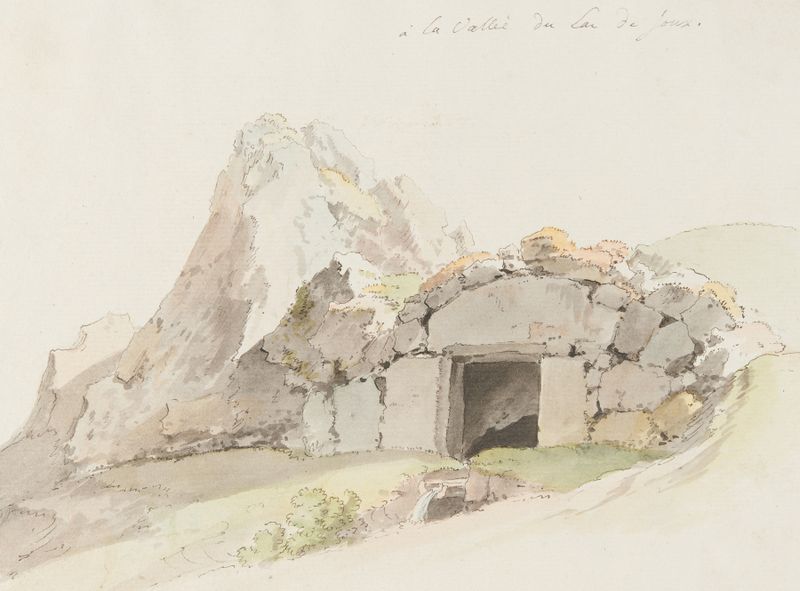
à la Vallèe du Lac de Joux
Johann Ludwig Aberli
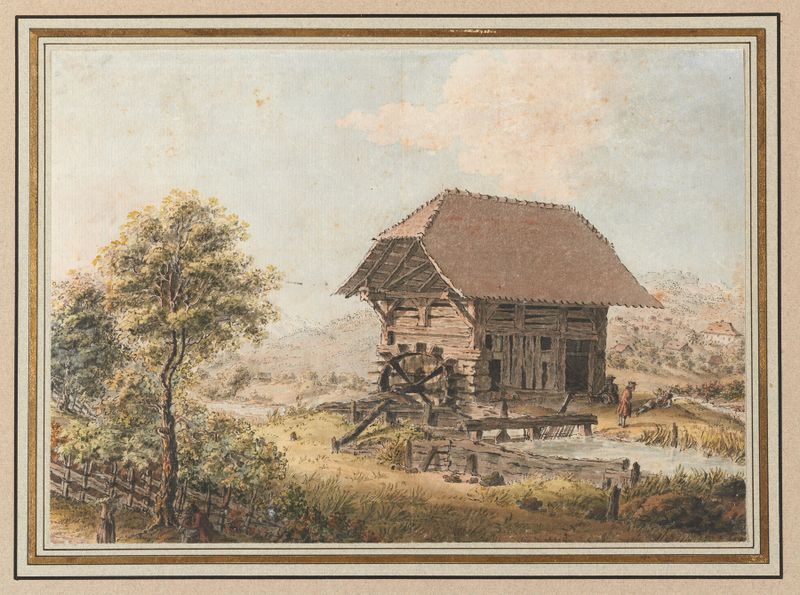
Ansicht einer Mühle im Berner Mittelland
Johann Ludwig Aberli
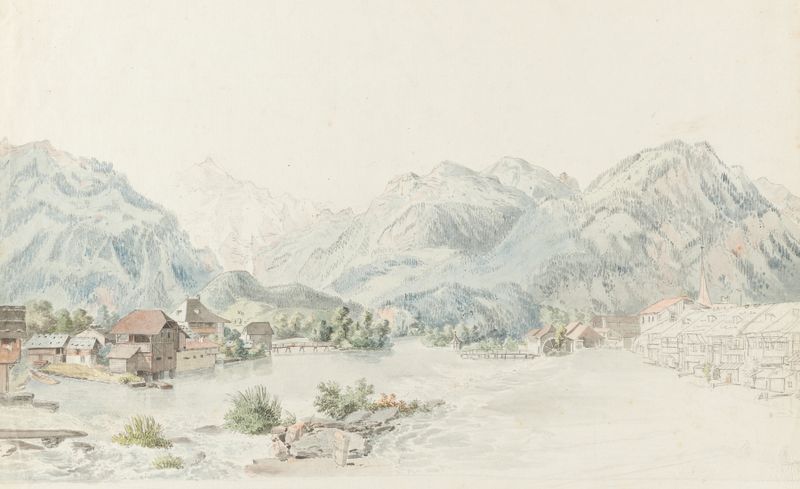
Ansicht von Unterseen
Johann Ludwig Aberli
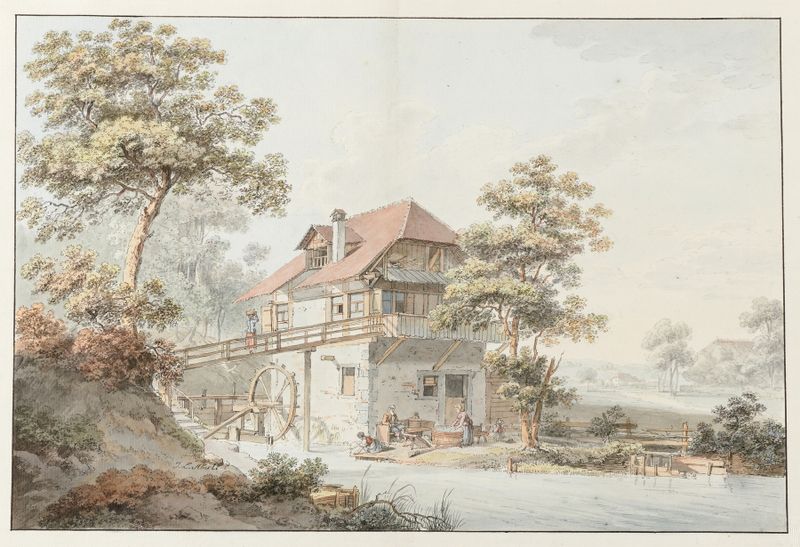
Ansicht einer Mühle im Berner Mittelland.
Johann Ludwig Aberli
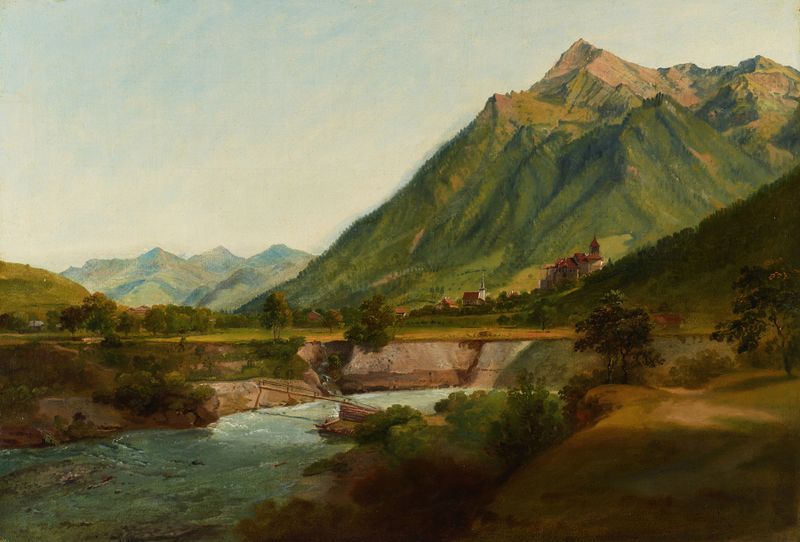
Vue du Château de Wimmis et des environs
Johann Ludwig Aberli
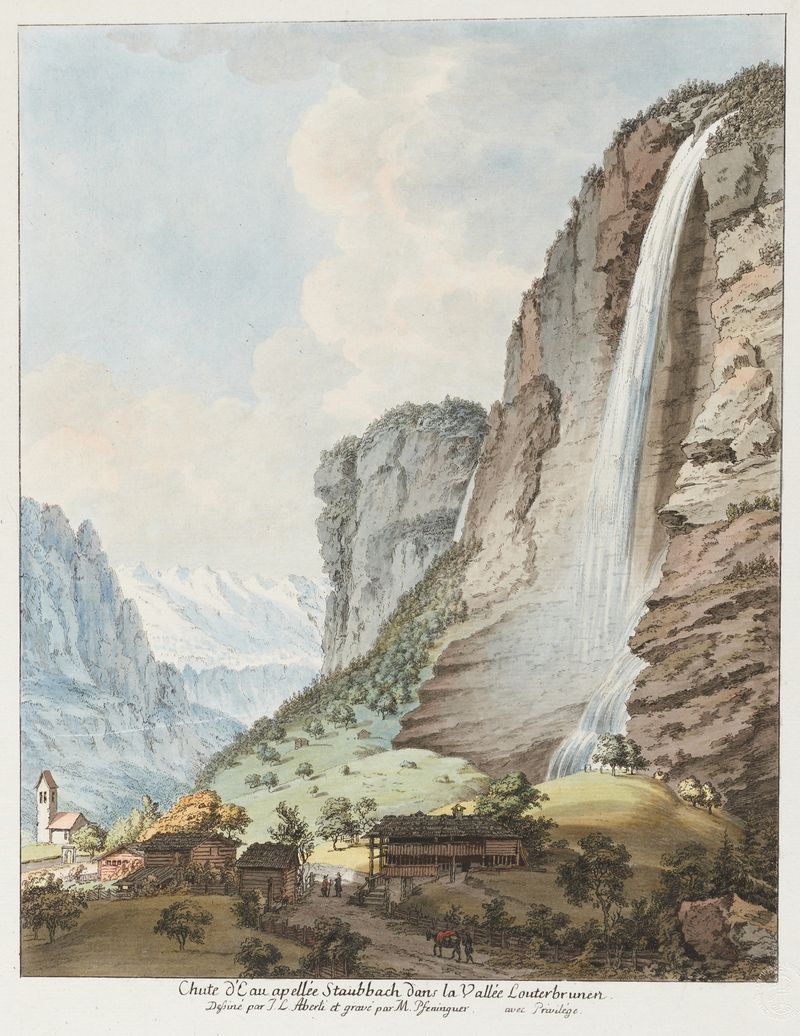
Chute d’Eau apellée Staubbach dans la Vallée Louterbrunnen
Johann Ludwig Aberli
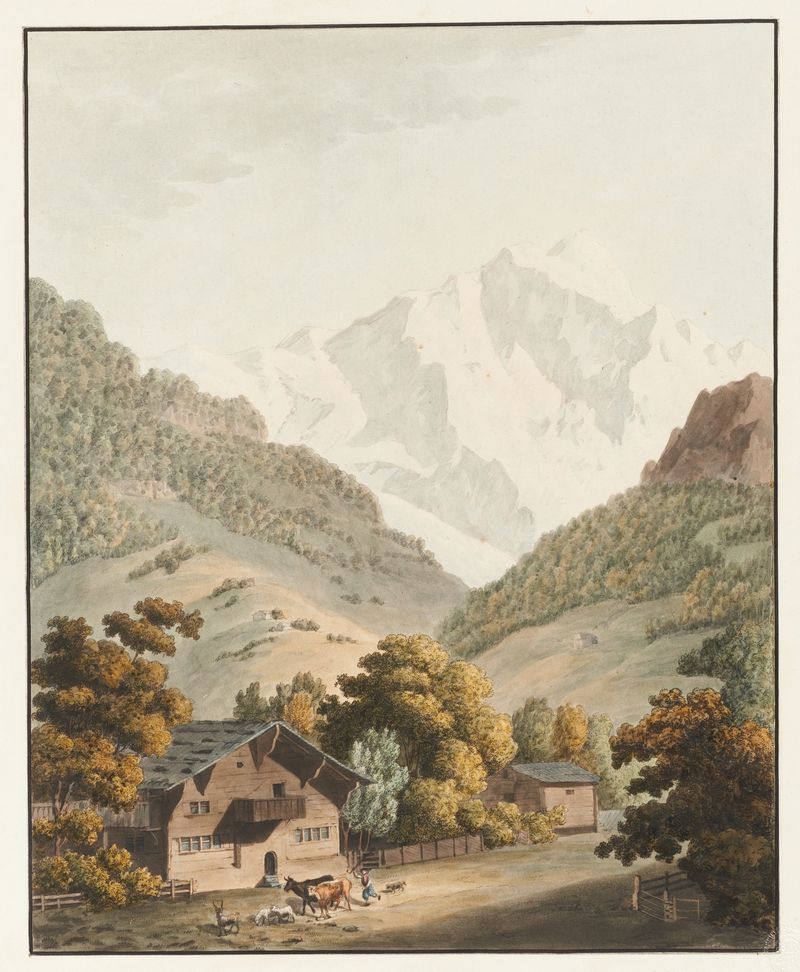
Vue du Jungfrau-Horn
Johann Ludwig Aberli
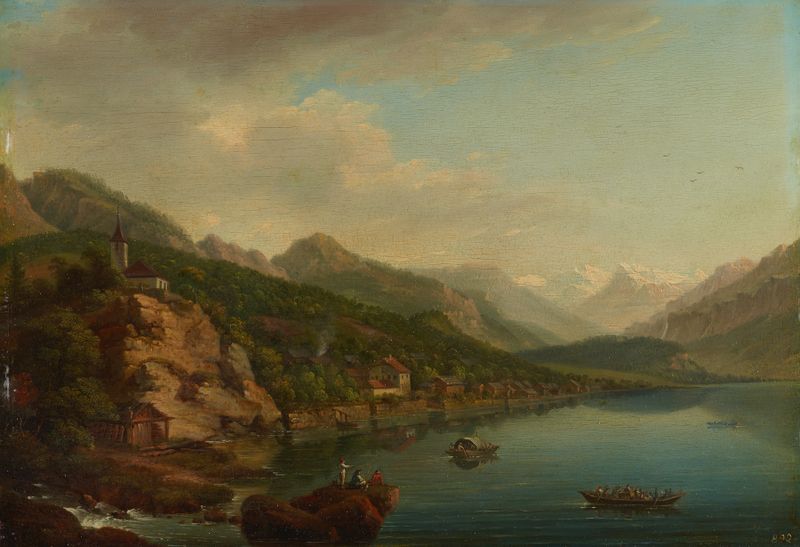
Vue du Village et du Lac de Brientz
Johann Ludwig Aberli





