
Chochoły (Straw Men Dancing in the Planty) — History & Facts
Could a single brushstroke hold eternity? In the intricate dance of Chochoły, the essence of fate entwines with the ephemeral, inviting viewers to ponder their own paths in life. Look closely at the swirling forms that dominate the canvas. The figures, embodiments of straw, seem almost to writhe within the artist's deliberate strokes, their muted browns and yellows contrasting sharply against the lush greens of the surrounding Planty. Notice how the lighter hues catch the eye, guiding you to the center where the dancers appear to come alive, poised in an almost spiritual celebration.
The background, blurred and impressionistic, emphasizes their ethereal movement, creating a dreamlike context that blurs the boundaries between reality and the subconscious. As you delve deeper, consider the interplay of light and shadow that envelops the figures, evoking an air of mystique. Each dancer, though composed of simple materials, resonates with a profound sense of longing and collective destiny. The moment captured feels transitory yet eternal, reflecting the human struggle against the inevitable passage of time.
The choice of straw, a humble material, symbolizes the fragility of life, while the dancers’ movements suggest an unbreakable connection to nature and tradition. In 1898-1899, while in Kraków, the artist was navigating a period of artistic exploration, influenced by the Symbolist movement and the burgeoning national identity in Poland. Chochoły emerged during a time marked by political unrest and cultural revival, as Wyspiański sought to fuse folk elements with contemporary themes, ultimately redefining Polish art. This work exemplifies his innovative spirit, showcasing his ability to evoke deep emotional truths through vivid imagery and symbolism.
More Artworks by Stanisław Wyspiański
Browse all →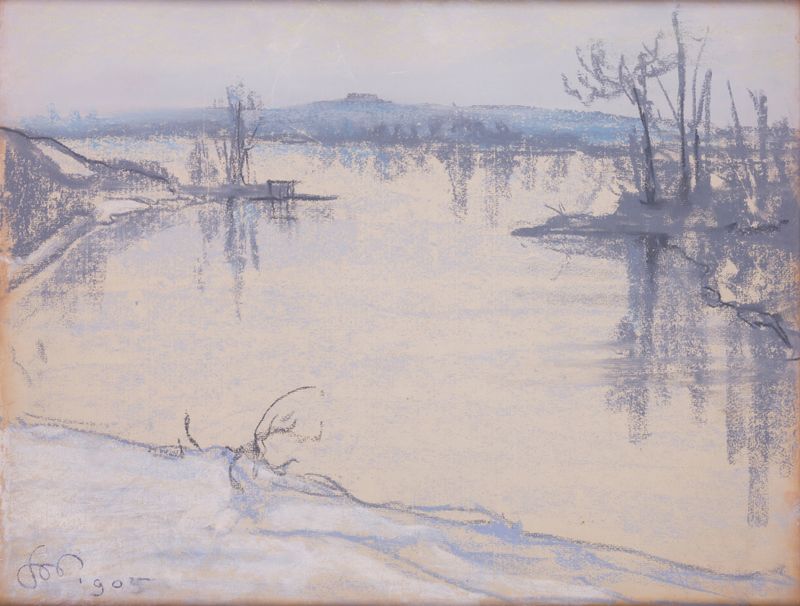
Wisła pod Krakowem
Stanisław Wyspiański
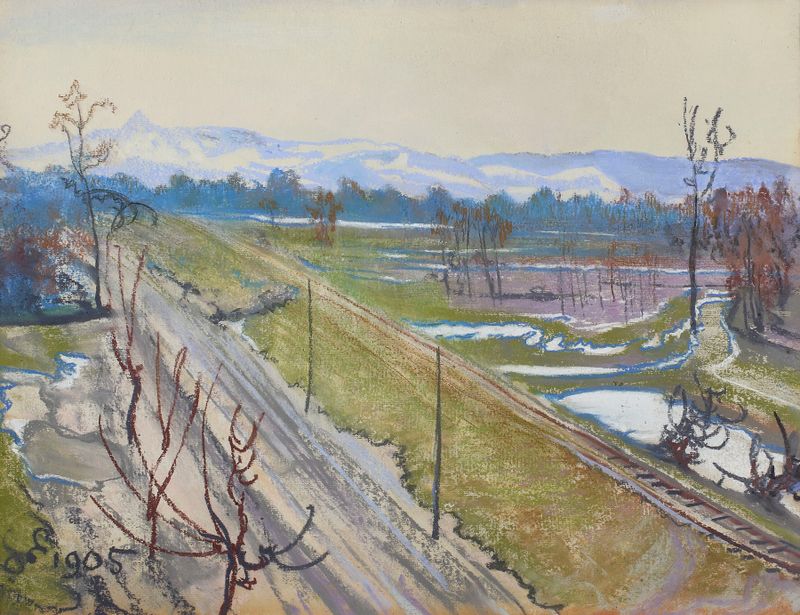
View from the window of the artist’s studio of Kościuszko Mound
Stanisław Wyspiański
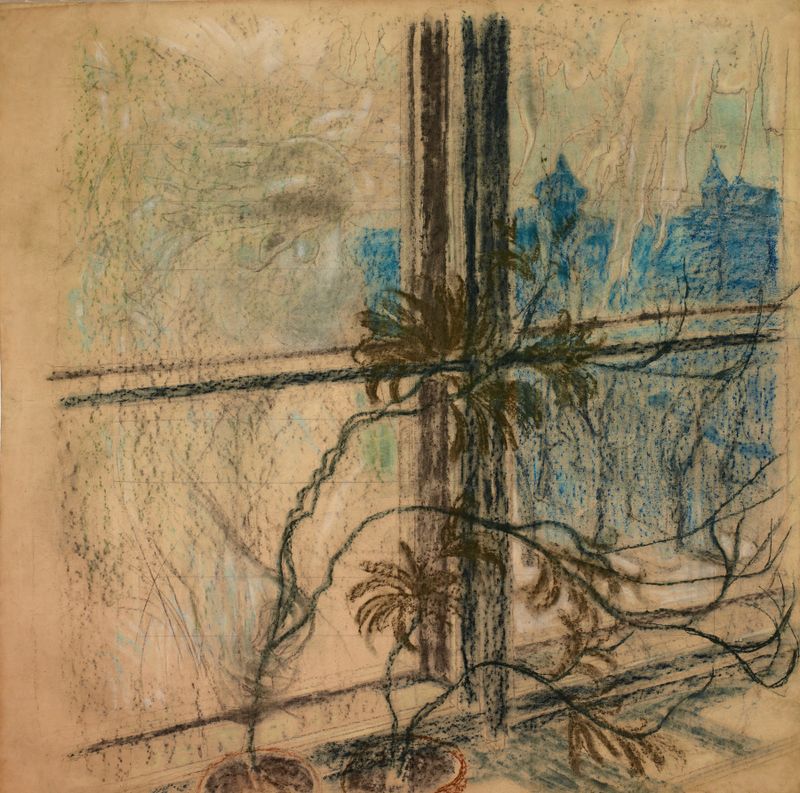
Widok z okna na mury miejskie Krakowa
Stanisław Wyspiański
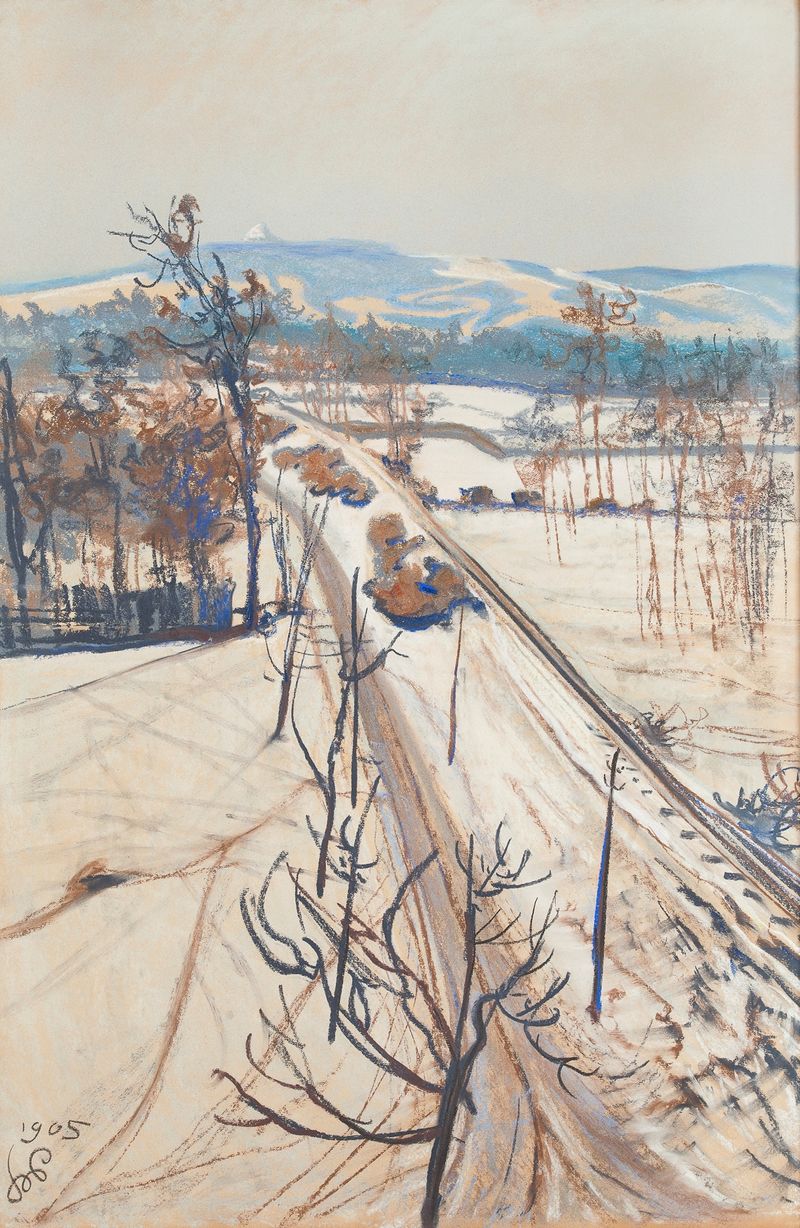
Widok na Kopiec Kościuszki. Szary dzień
Stanisław Wyspiański

View of the Wawel Castle
Stanisław Wyspiański

The Barbican and the Floriańska Street – View from Zacisze Street
Stanisław Wyspiański
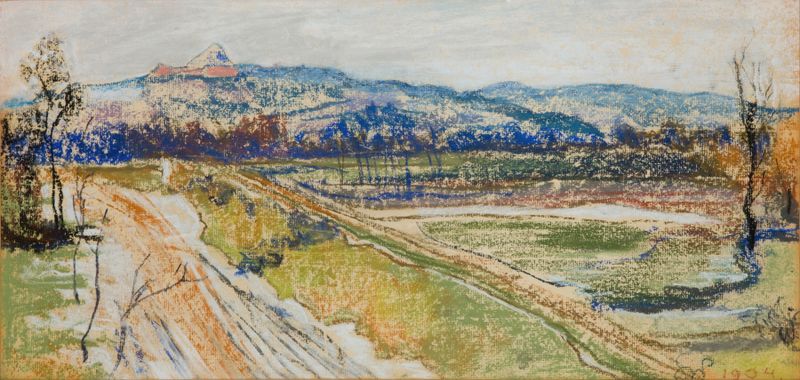
View of the Kościuszko Mound in Krakow from the Window in the Artist’s Studio
Stanisław Wyspiański
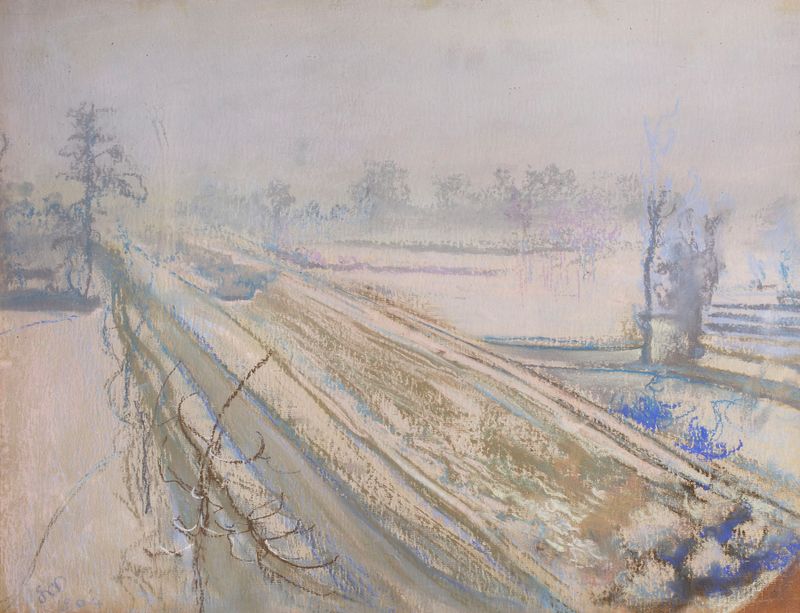
View from the window of the artist’s studio of Kościuszko Mound
Stanisław Wyspiański
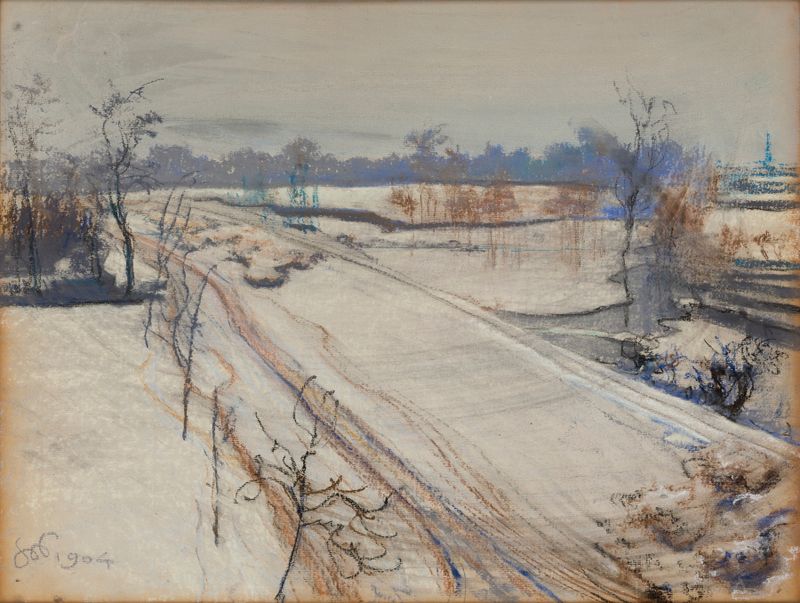
Widok z okna na Kopiec Kościuszki w Krakowie. Szary dzień
Stanisław Wyspiański
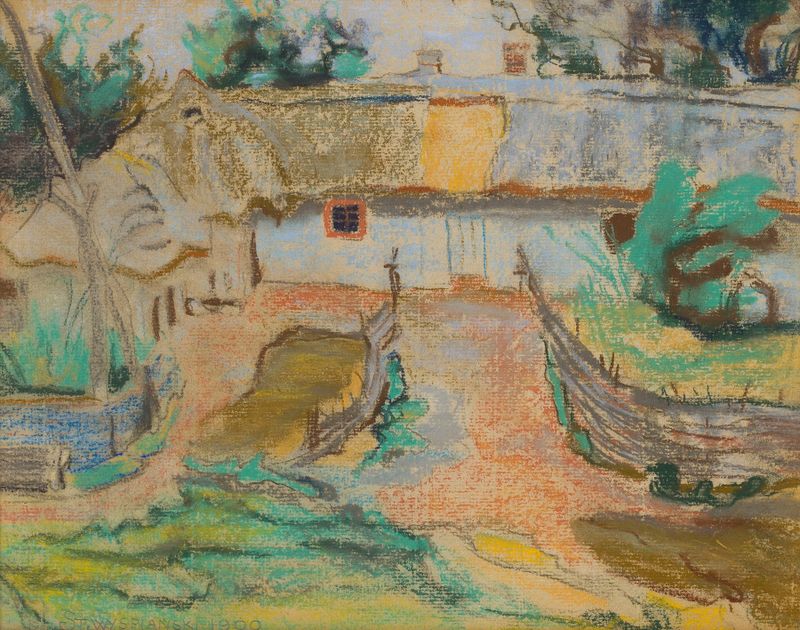
Farm in Konary
Stanisław Wyspiański





