
View of the Wawel Castle — History & Facts
When did color learn to lie? Memory bends and distorts, yet in its embrace lies both beauty and truth. The ethereal glow captured in View of the Wawel Castle invites contemplation of a past that haunts the present. Focus first on the vibrant palette that breathes life into the scene. Look to the foreground, where shades of deep greens and blues weave together, illustrating the lush surroundings of the castle.
The interplay of light and shadow cascades over the stone fortress, enhancing its majestic presence against the horizon. Notice how the artist’s brushwork creates a sense of movement in the clouds above, almost as if they are whispering secrets of history and time. Delve deeper into the emotional resonance of the painting. The castle, a symbol of Polish heritage and resilience, stands stoically, embodying a contrast between permanence and the ephemeral nature of memory.
The looming sky, filled with both ominous and serene tones, signifies the weight of the past while suggesting the hope for the future. Each stroke captures a moment suspended in time, reflecting both nostalgia and reverence. Created in 1894, View of the Wawel Castle emerged during a period of intense national consciousness in Poland, as artists sought to reclaim cultural identity amidst political strife. Stanisław Wyspiański, influenced by Symbolism and the changing tides of his homeland, painted this work in Kraków, where the castle stands as a testament to Polish history.
At this time, he was deeply engaged in exploring themes of identity and memory, presenting a vision of his country that resonated with both pride and longing.
More Artworks by Stanisław Wyspiański
Browse all →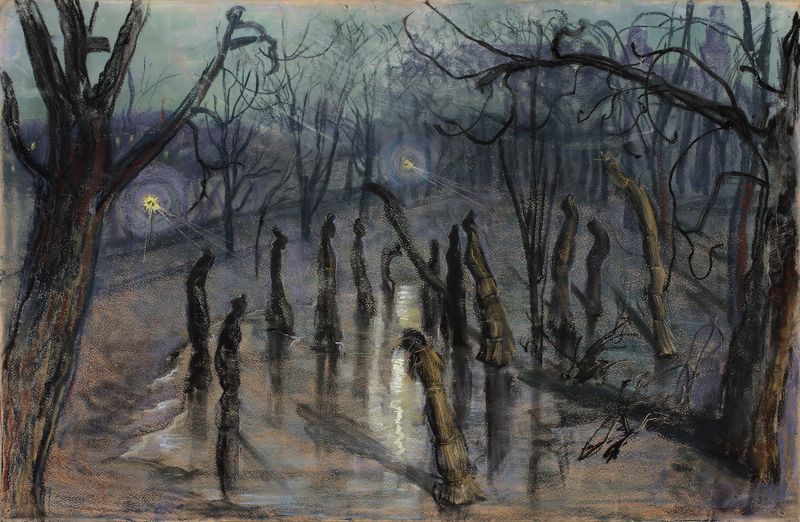
Chochoły (Straw Men Dancing in the Planty)
Stanisław Wyspiański
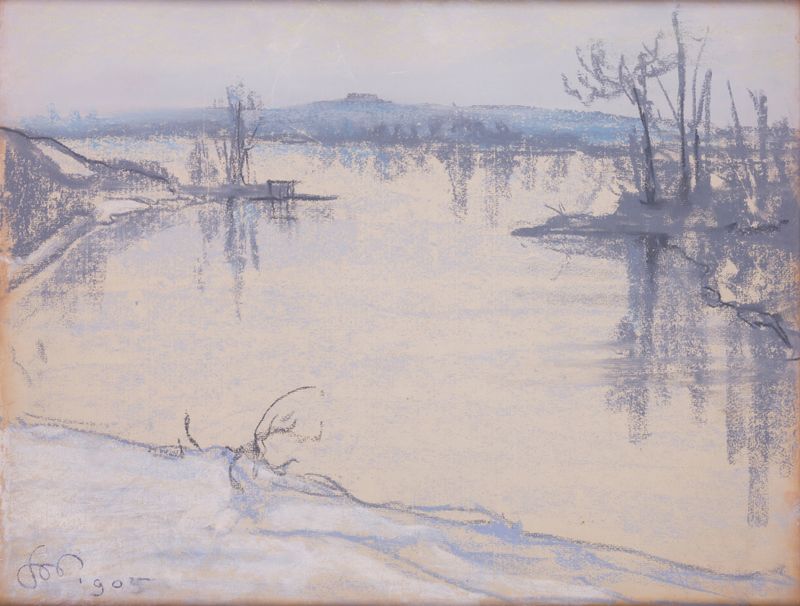
Wisła pod Krakowem
Stanisław Wyspiański
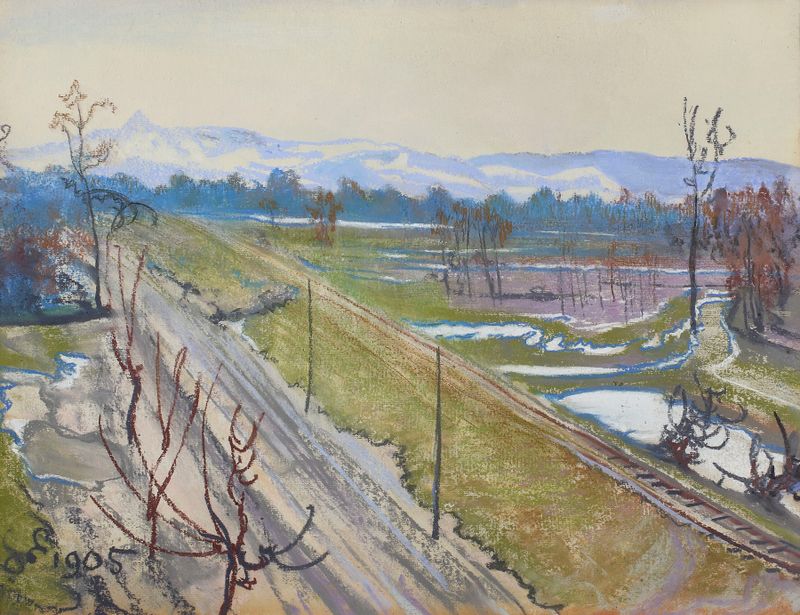
View from the window of the artist’s studio of Kościuszko Mound
Stanisław Wyspiański
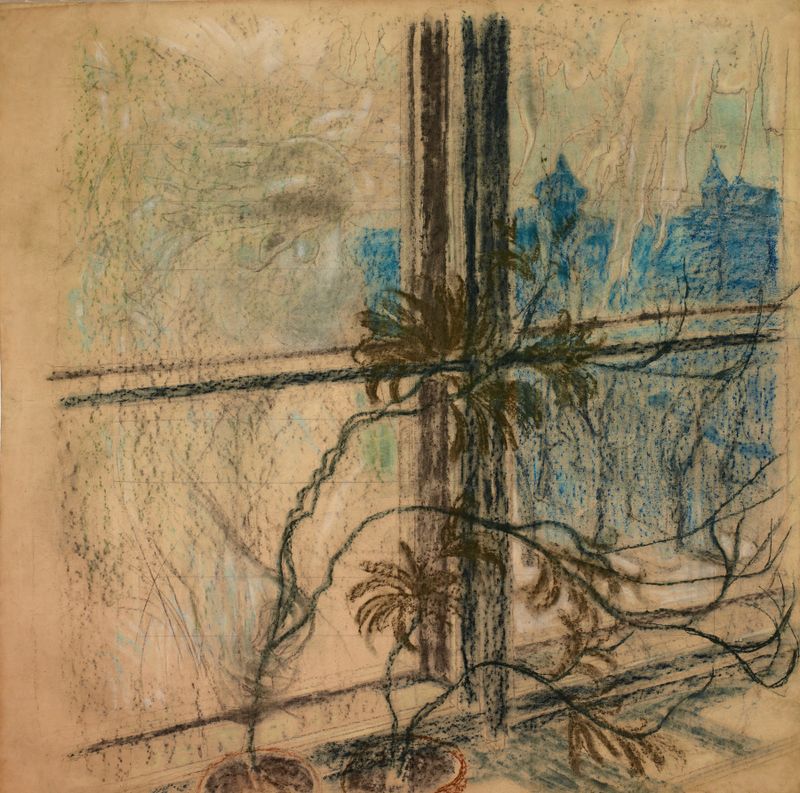
Widok z okna na mury miejskie Krakowa
Stanisław Wyspiański
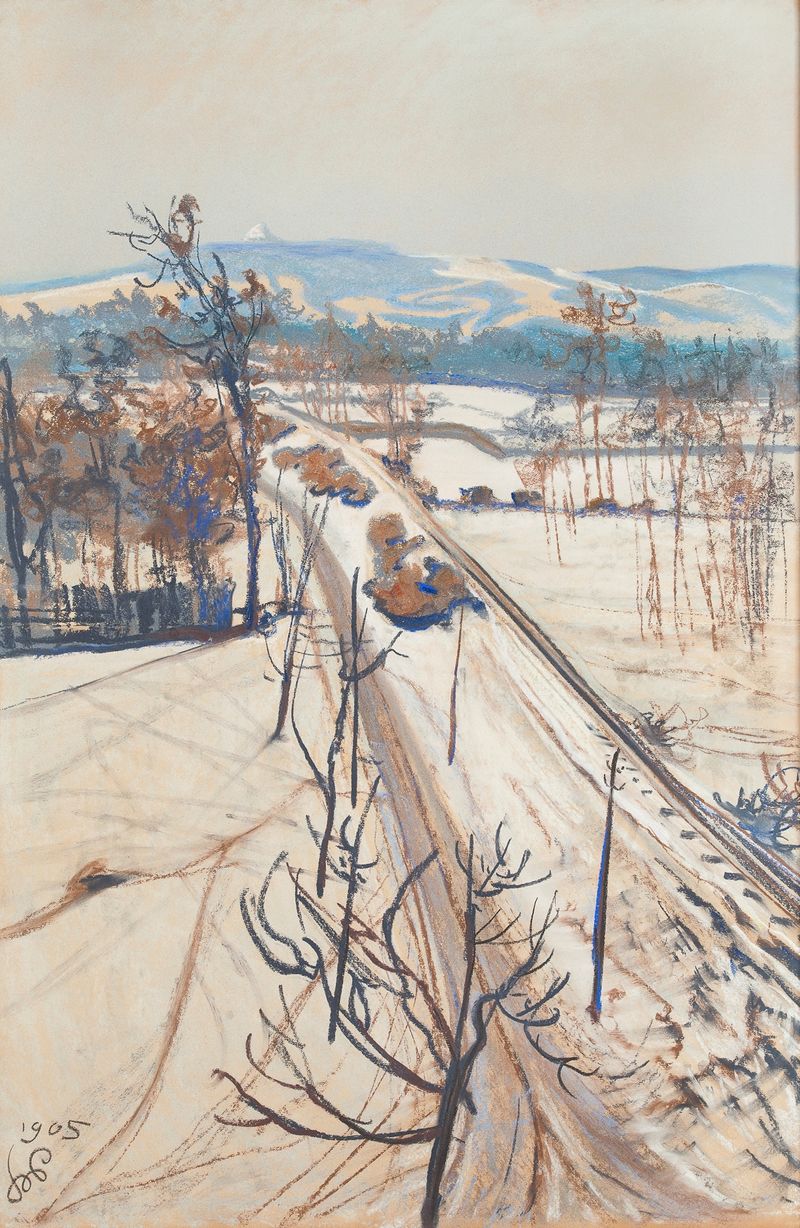
Widok na Kopiec Kościuszki. Szary dzień
Stanisław Wyspiański

The Barbican and the Floriańska Street – View from Zacisze Street
Stanisław Wyspiański
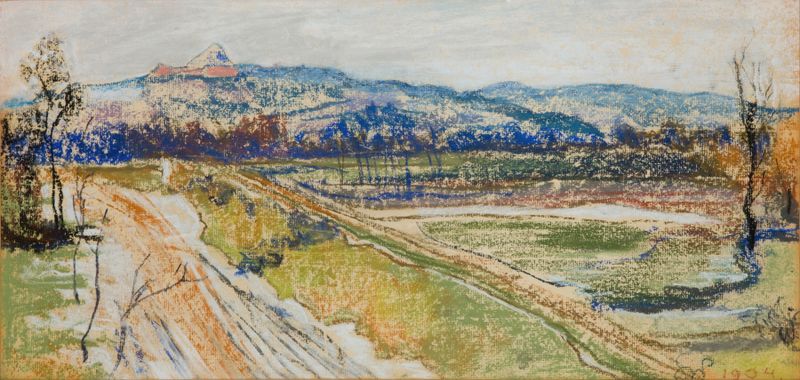
View of the Kościuszko Mound in Krakow from the Window in the Artist’s Studio
Stanisław Wyspiański
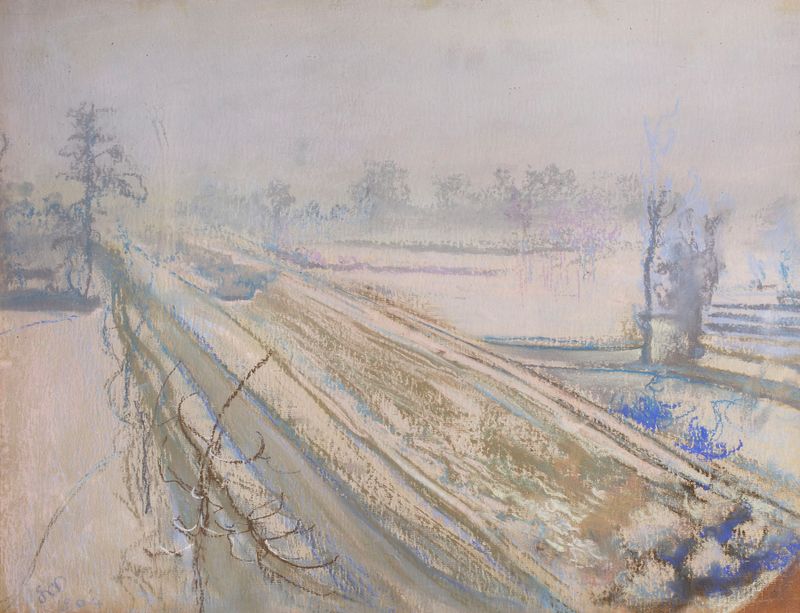
View from the window of the artist’s studio of Kościuszko Mound
Stanisław Wyspiański
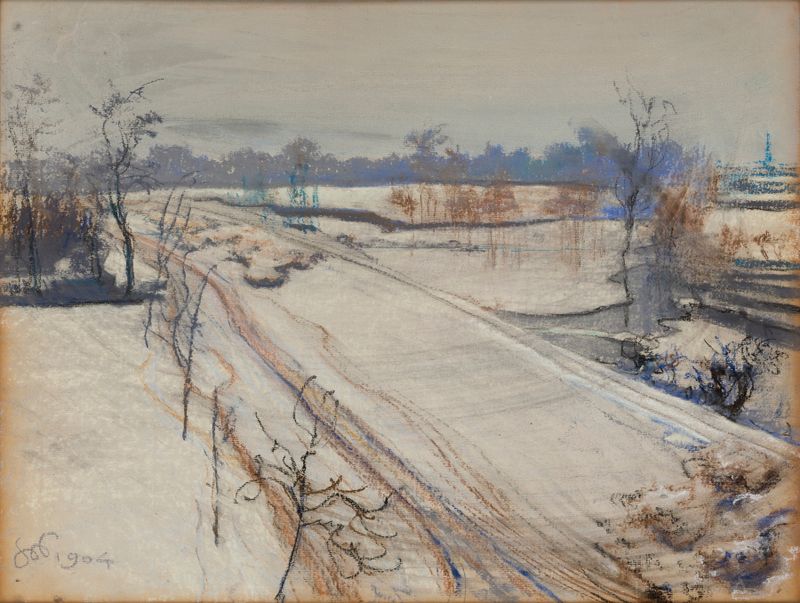
Widok z okna na Kopiec Kościuszki w Krakowie. Szary dzień
Stanisław Wyspiański
Farm in Konary
Stanisław Wyspiański





