
Wisła pod Krakowem — History & Facts
In Wisła pod Krakowem, faith emerges not just as a theme but as the very essence of the landscape. This artwork pulsates with the emotional resonance of a place where the river cradles the city, reflecting both its beauty and the weight of history. Focus first on the sweeping expanse of the river that dominates the foreground, a shimmering ribbon of blue that draws the eye in. Notice how Wyspiański’s palette dances between deep azure and soft pastel tones, capturing the nuances of light and shadow.
The strokes are confident yet tender, encapsulating the tranquil flow of water while framing the distant city of Kraków, where spires rise against the horizon. The balance of colors reflects an interplay between earth and sky, merging seamlessly in a moment of serene contemplation. Delve deeper into the artwork, and you’ll discover the gentle contrast between the lively river and the stillness of the city. The horizon is marked by the warmth of the setting sun, a symbol of hope and renewal, while the tranquil water evokes a sense of timelessness.
Subtle details, such as the small boats gliding across the river, hint at the human connection to nature, reinforcing a faith in the harmony of life. This interplay of elements fosters an emotional depth that resonates far beyond the visual. In 1905, Wyspiański painted this piece in Kraków, a period marked by his dedication to capturing the spirit of Polish identity through his art. At this time, Europe was experiencing profound artistic evolution, while Poland grappled with its national identity under partition.
Wyspiański, deeply influenced by Symbolism and Art Nouveau, sought to interweave personal and cultural narratives into his work, establishing a legacy that would echo through generations.
More Artworks by Stanisław Wyspiański
Browse all →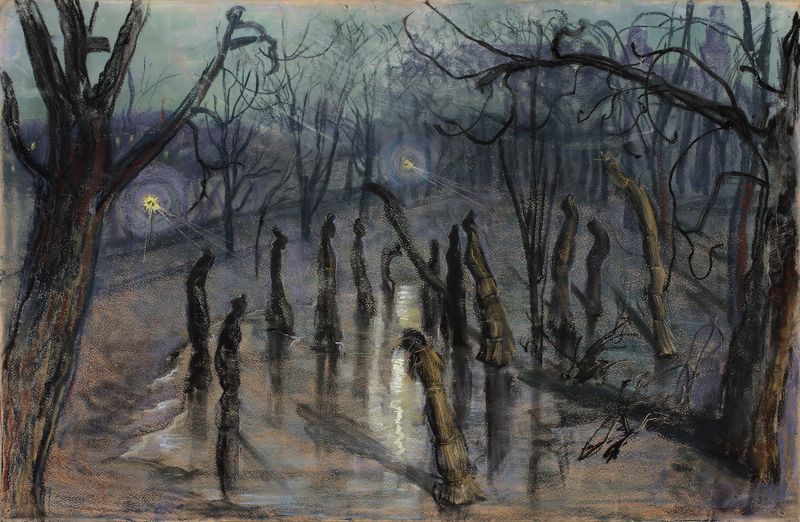
Chochoły (Straw Men Dancing in the Planty)
Stanisław Wyspiański
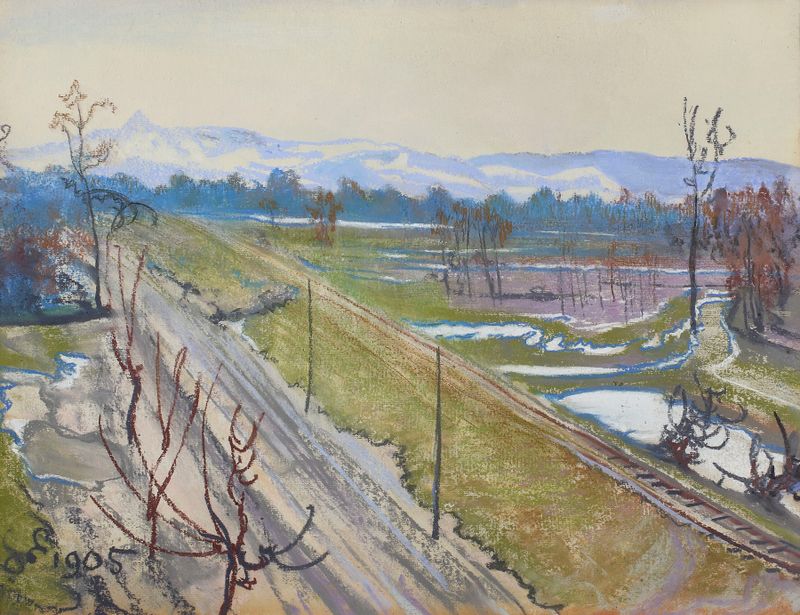
View from the window of the artist’s studio of Kościuszko Mound
Stanisław Wyspiański
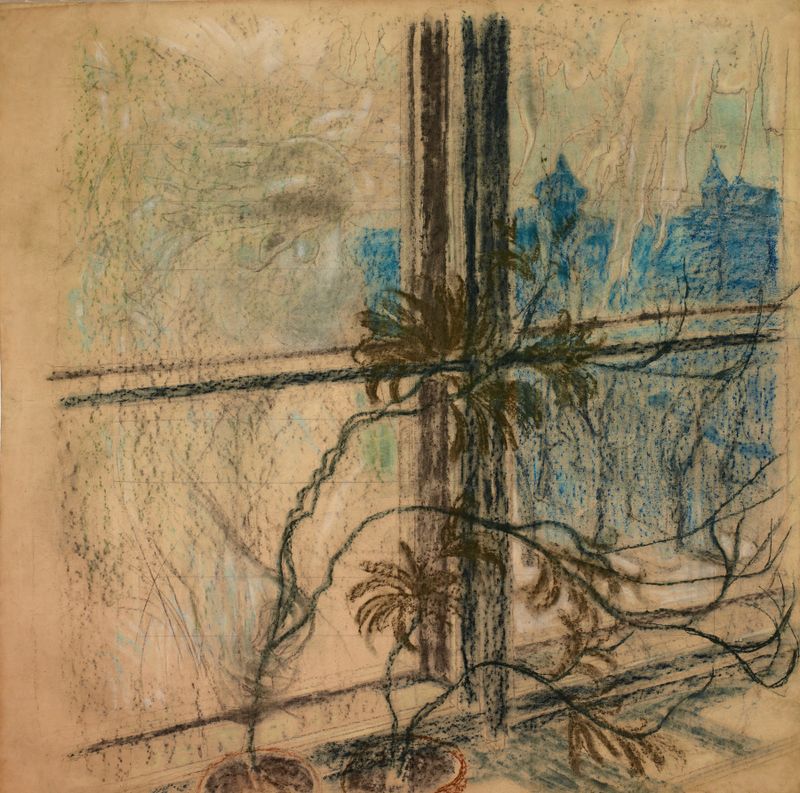
Widok z okna na mury miejskie Krakowa
Stanisław Wyspiański
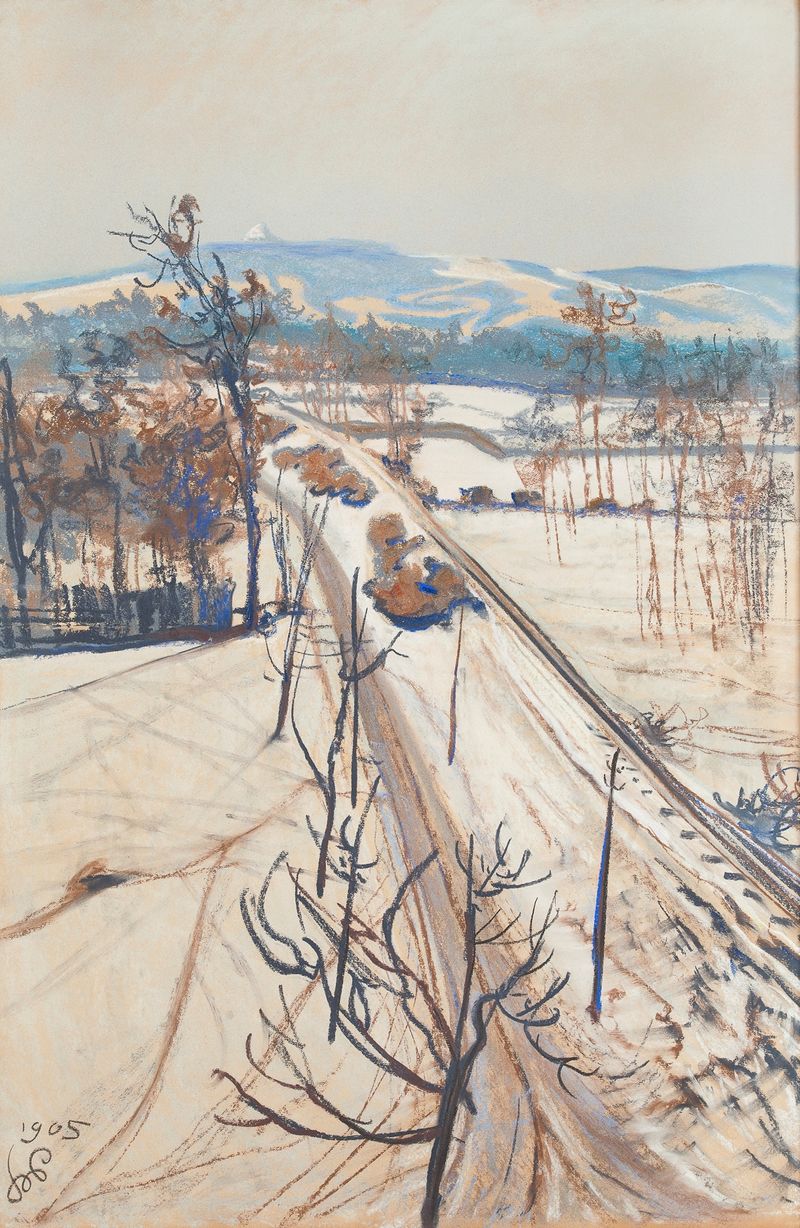
Widok na Kopiec Kościuszki. Szary dzień
Stanisław Wyspiański

View of the Wawel Castle
Stanisław Wyspiański

The Barbican and the Floriańska Street – View from Zacisze Street
Stanisław Wyspiański
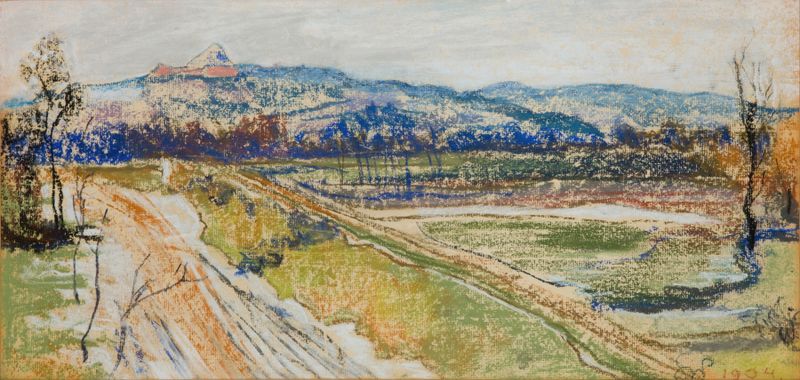
View of the Kościuszko Mound in Krakow from the Window in the Artist’s Studio
Stanisław Wyspiański
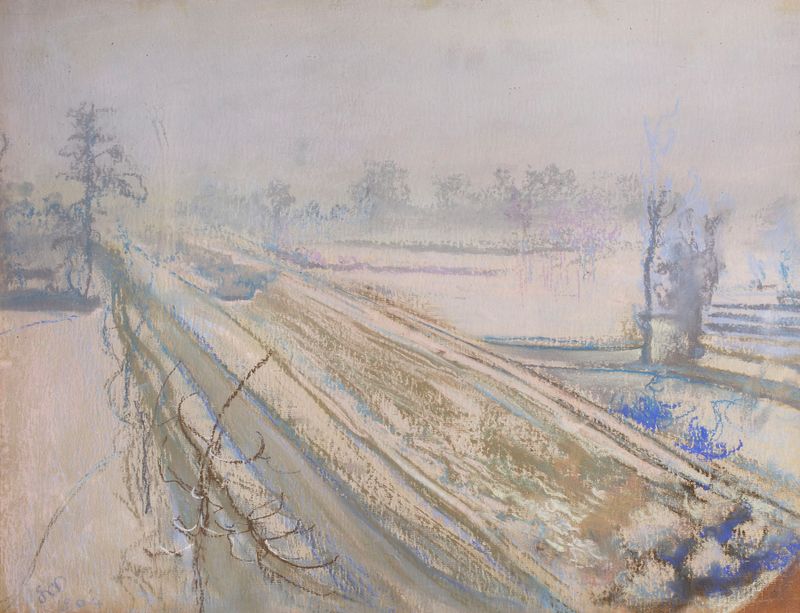
View from the window of the artist’s studio of Kościuszko Mound
Stanisław Wyspiański
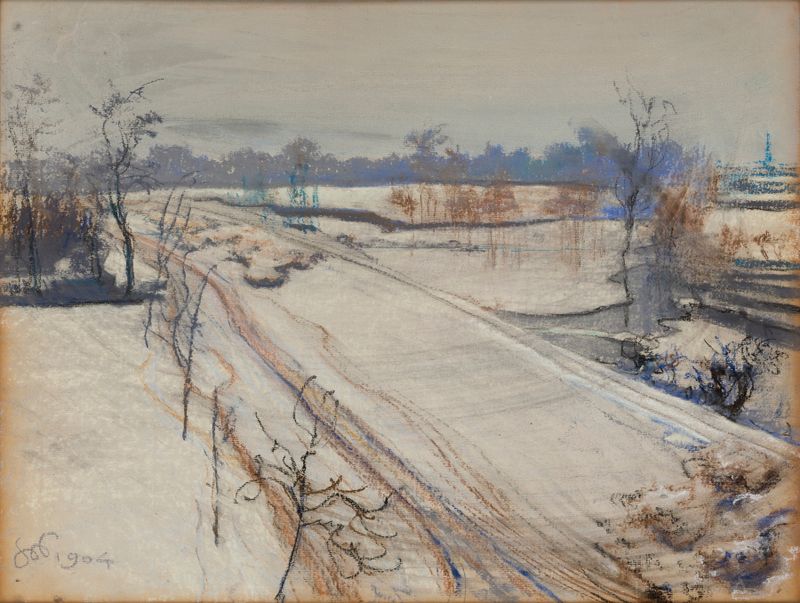
Widok z okna na Kopiec Kościuszki w Krakowie. Szary dzień
Stanisław Wyspiański
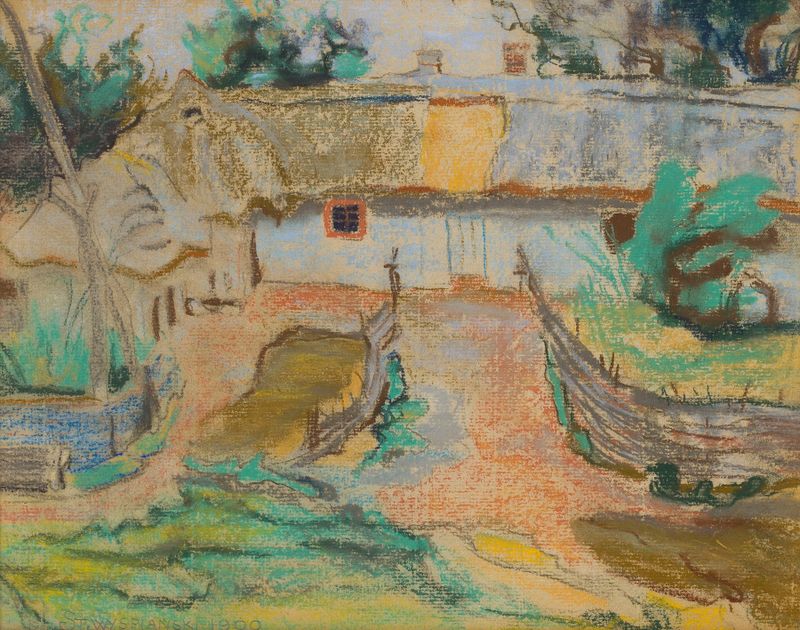
Farm in Konary
Stanisław Wyspiański





