
Choquer — History & Facts
In this delicate balance, fragility emerges as an unyielding force, inviting the viewer to explore its depths. Focus your gaze on the interplay of soft hues that envelop the canvas, where pale blues and muted grays create a serene yet unsettling atmosphere. The gentle brushstrokes evoke a sense of tenderness, while subtle variations in color evoke the emotions of vulnerability, making you acutely aware of the fragility depicted. Notice how the composition draws you inward, emphasizing the central figure, and how the surrounding void enhances the isolation felt within its embrace. The contrasts are poignant; there’s a tension between the calmness of the palette and the undercurrent of unease that lingers.
Tiny details—perhaps a tear in the fabric or an outstretched hand—speak volumes about the delicate human experience. This artwork does not merely present a scene but reflects the fragility of existence itself, prompting introspection on our own vulnerabilities. George Arnald created Choquer in 1821, during a period when Romanticism was reshaping artistic expression. At this time, he was navigating personal challenges and the evolving world of art, marked by a search for emotional depth and authenticity.
This piece stands as a testament to his exploration of human emotion amidst the broader currents of his era, highlighting the delicate dance between strength and vulnerability.
More Artworks by George Arnald
Browse all →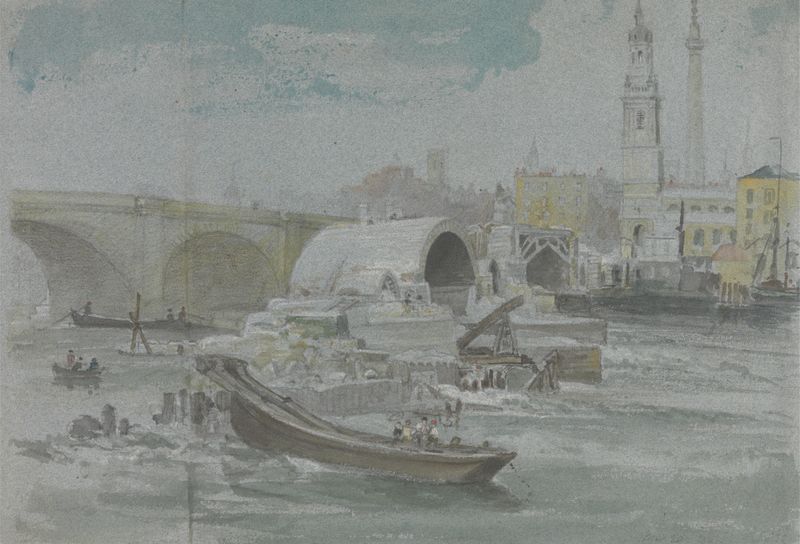
The Demolition of Old London Bridge
George Arnald
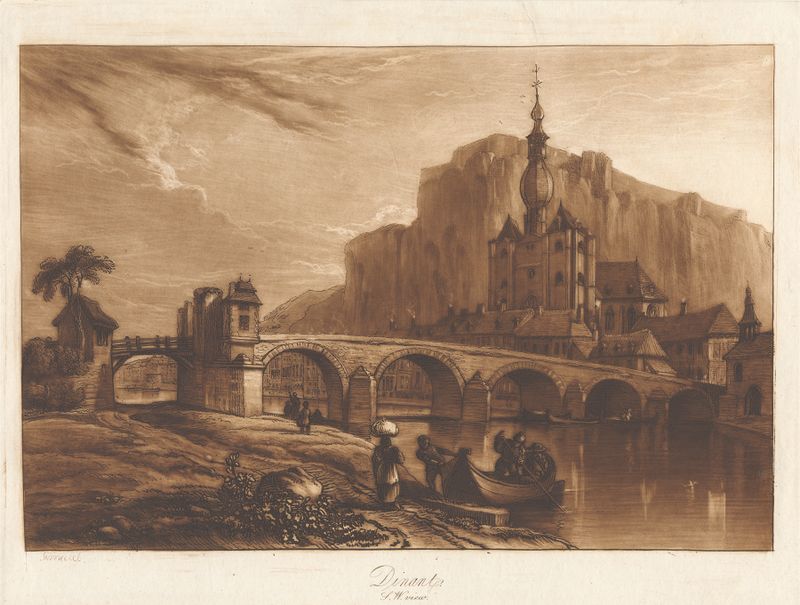
Dinant, No. 1: Southwest View
George Arnald
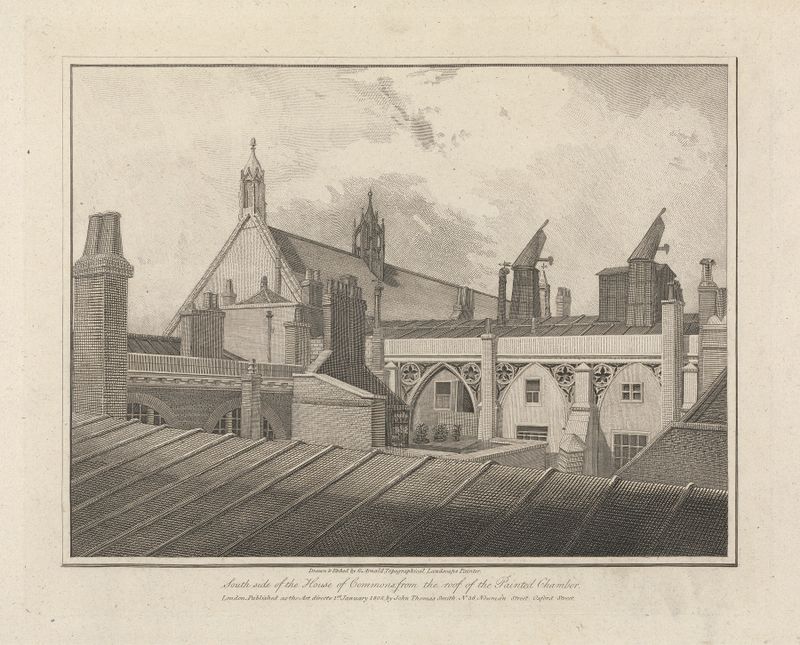
South Side of the House of Commons, from the Roof of the Painted Chamber
George Arnald
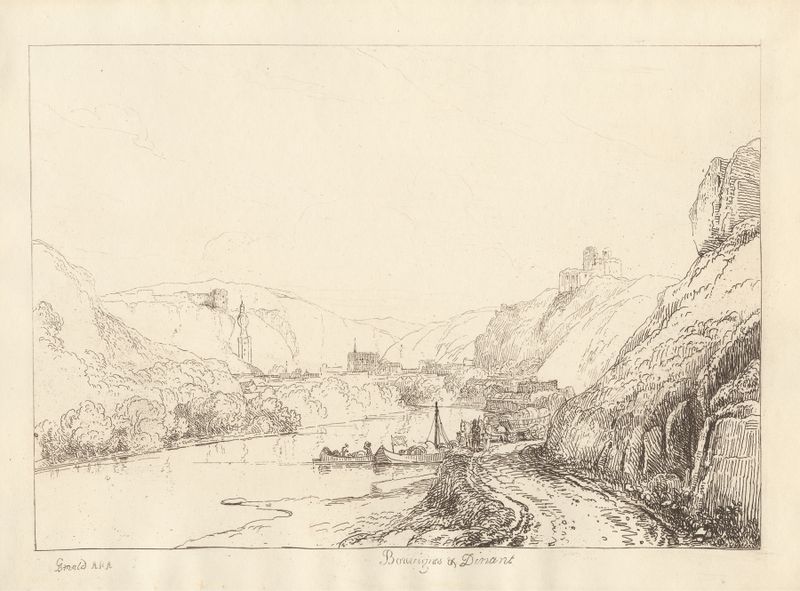
Bouvignes and Dinant
George Arnald
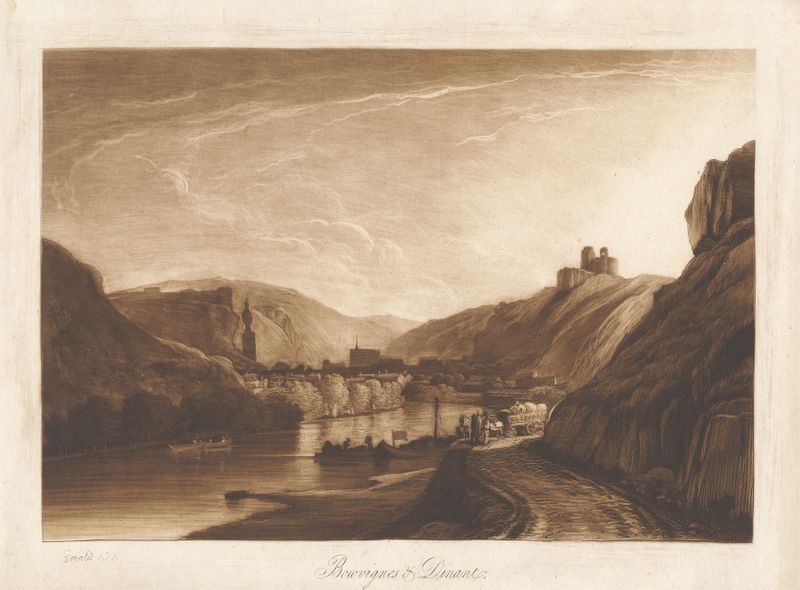
Bouvignes and Dinant
George Arnald

Dinant, No. 1: Southwest View
George Arnald
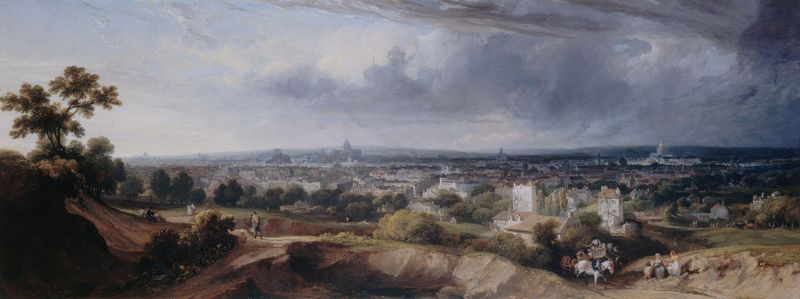
Paris, vu des hauteurs de Montmartre
George Arnald
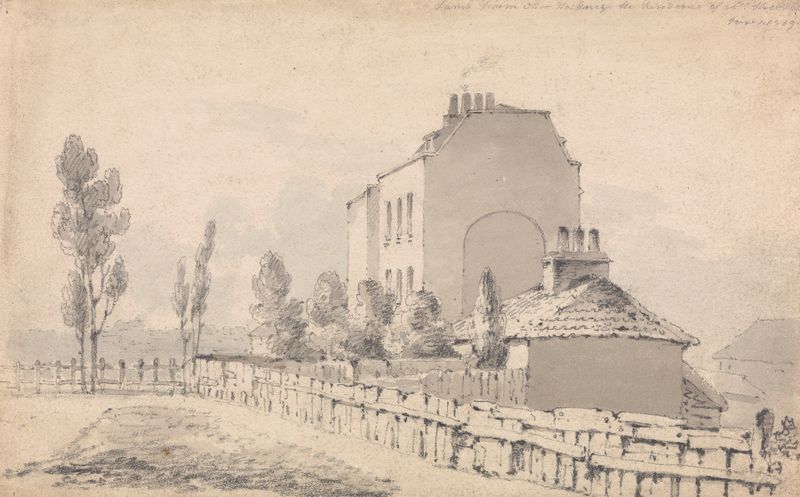
Lamb Farm near Hackney, the Residence of Hick: Richmond Road
George Arnald

Left Bank, Meuse
George Arnald
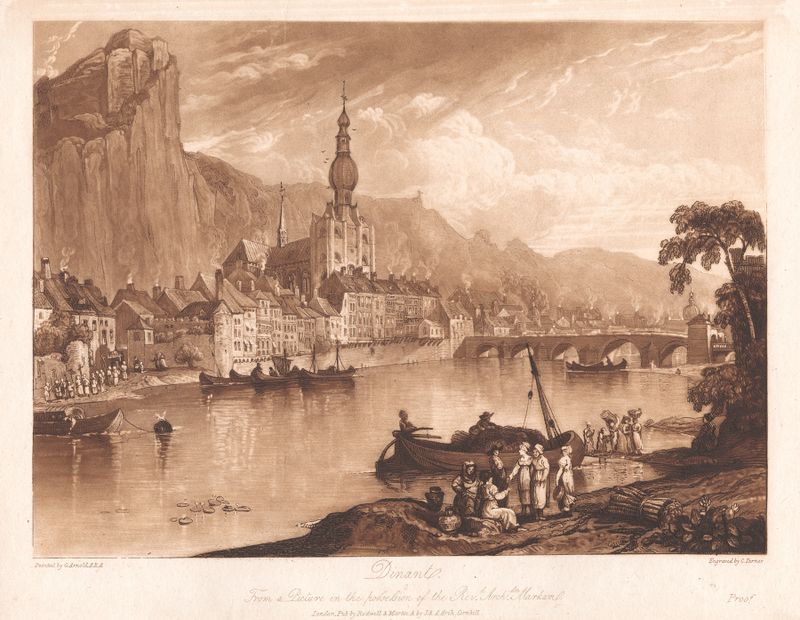
Dinant
George Arnald





