
Christ and the Pilgrims at Emmaus — History & Facts
In Christ and the Pilgrims at Emmaus, we see a warm color palette dominated by earthy tones. The figures of Christ and the pilgrims are depicted with great attention to detail, each expressing a range of emotions. The setting is intimate, likely representing a moment of revelation and communion.
The background features soft, natural elements that enhance the overall serenity of the scene. The painting is executed in oil on canvas, a medium that allows for rich textures and depth. Dagnan-Bouveret employs a realistic style, capturing the nuances of light and shadow to create a lifelike representation. The composition is carefully arranged, drawing the viewer's eye to the central figures of Christ and the pilgrims.
The artist's technique highlights the emotional weight of the moment. Pascal-Adolphe-Jean Dagnan-Bouveret was known for his ability to blend realism with a spiritual narrative. This work, painted in the late 19th century, reflects the artist's interest in religious themes and the human experience. An interesting fact about this painting is that it was inspired by the biblical story of the disciples encountering the risen Christ, emphasizing themes of faith and revelation.
Dagnan-Bouveret's approach to this subject matter showcases his skill in portraying complex emotional interactions.
More Artworks by Pascal-Adolphe-Jean Dagnan-Bouveret
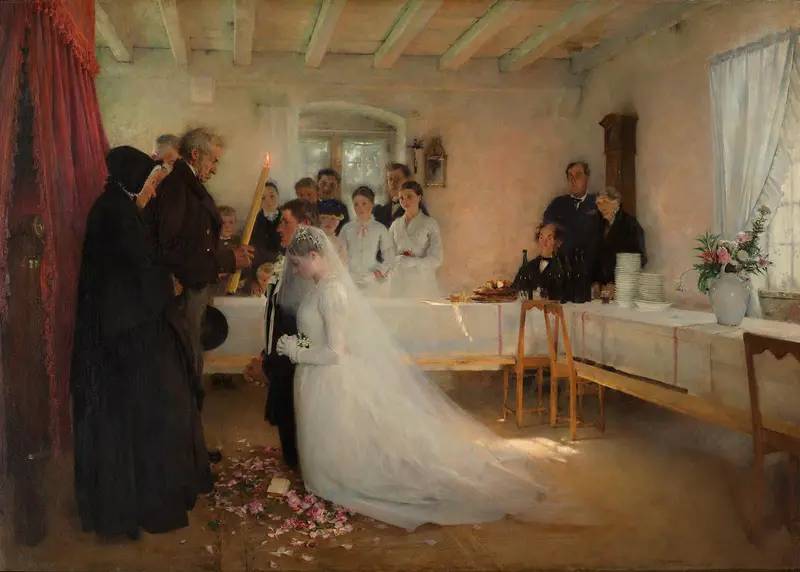
Blessing of the Young Couple Before Marriage
Pascal-Adolphe-Jean Dagnan-Bouveret
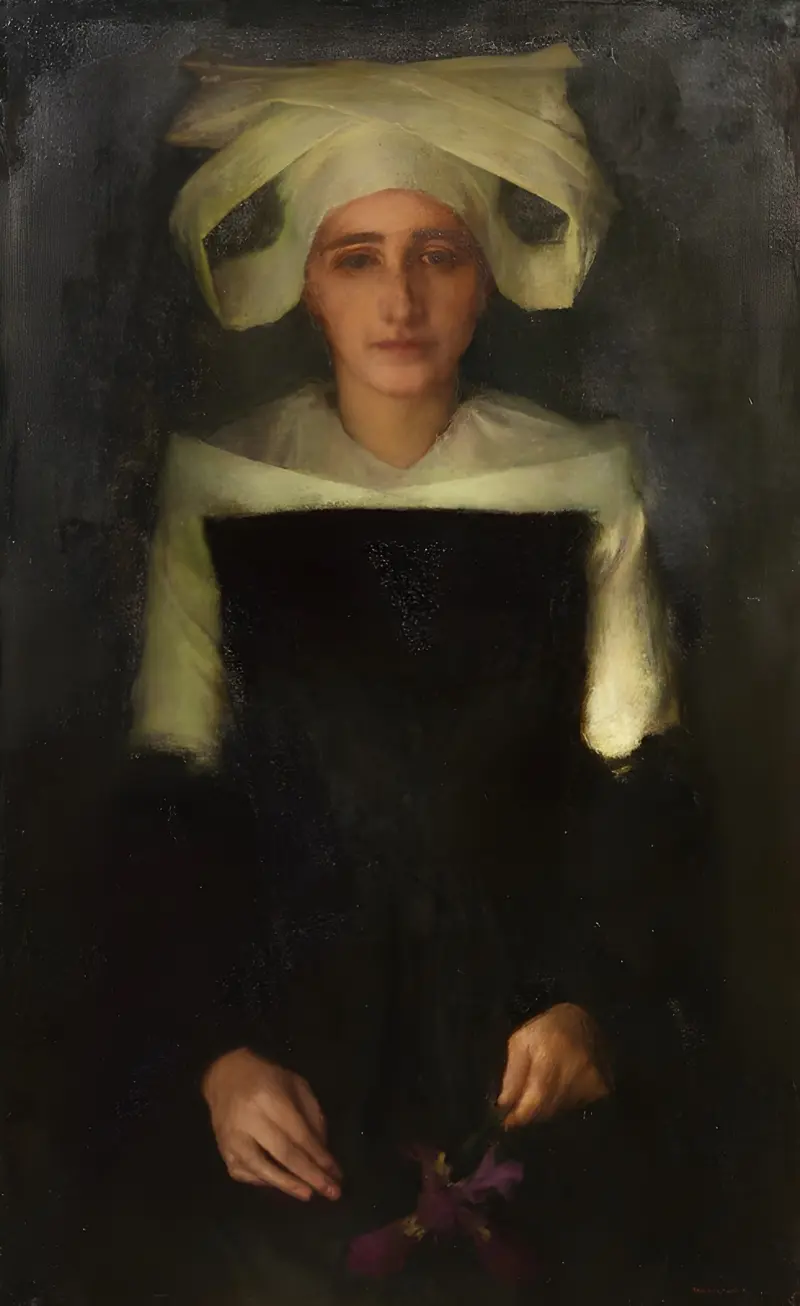
Recueillement (Contemplation)
Pascal-Adolphe-Jean Dagnan-Bouveret
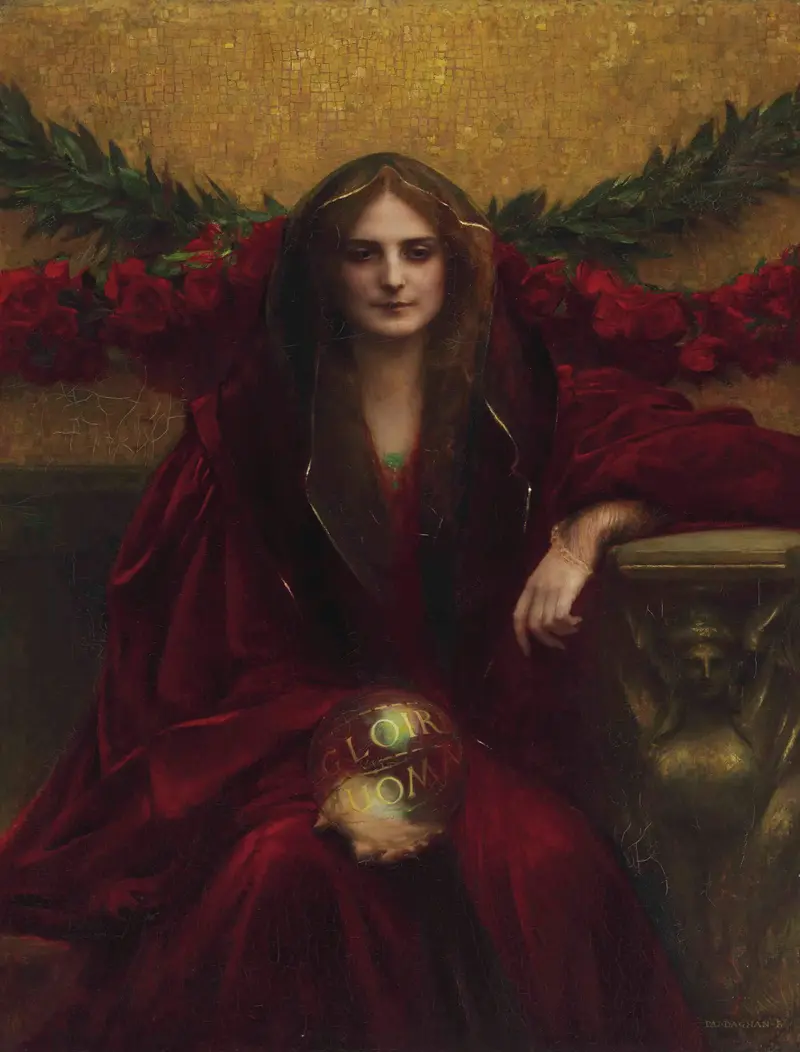
Chimères
Pascal-Adolphe-Jean Dagnan-Bouveret
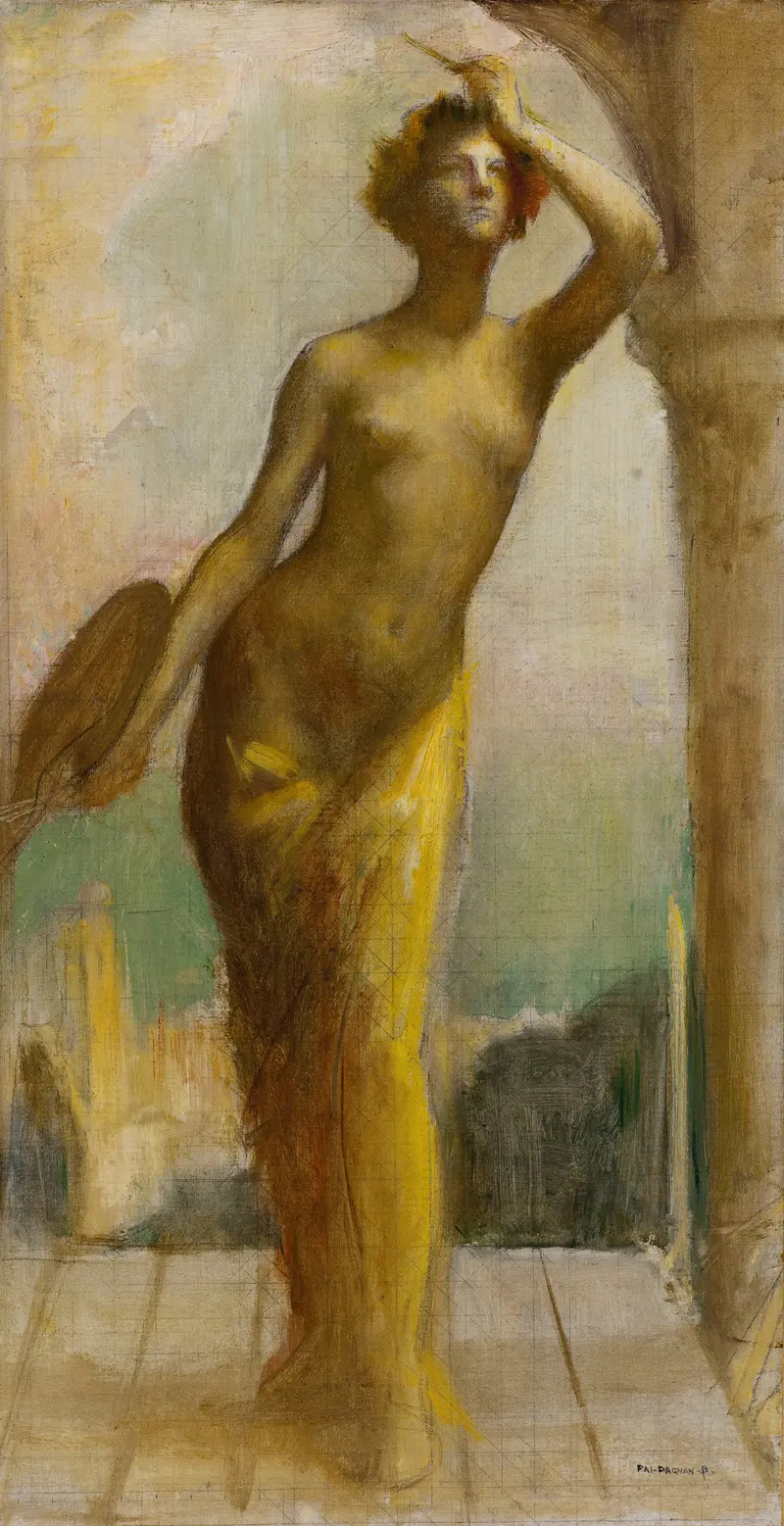
La Peinture
Pascal-Adolphe-Jean Dagnan-Bouveret
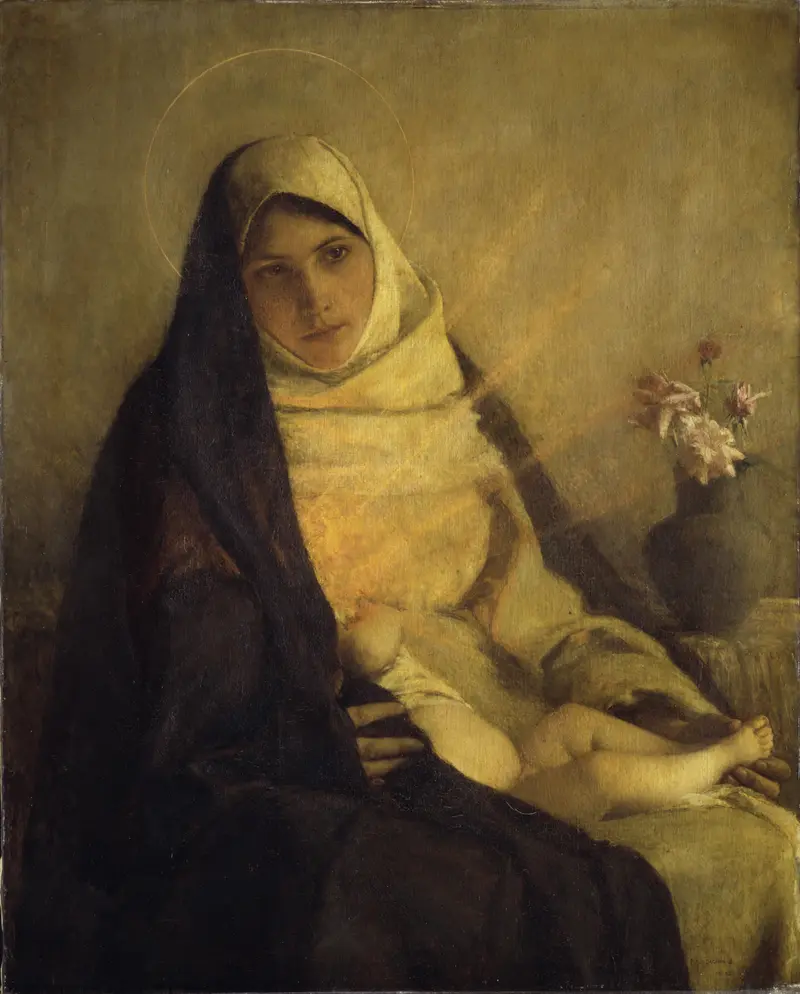
Madonna of the Rose
Pascal-Adolphe-Jean Dagnan-Bouveret
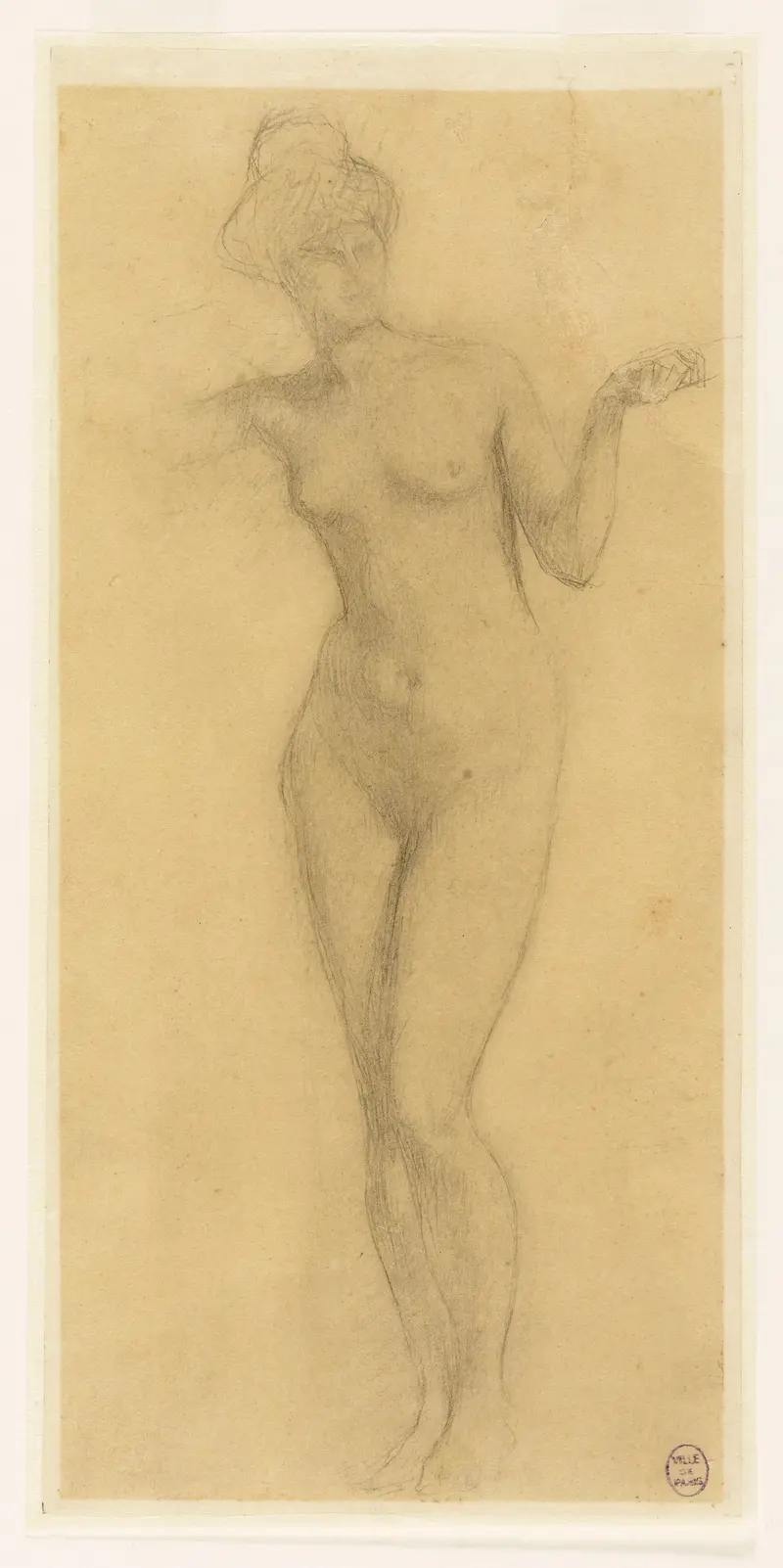
Femme nue
Pascal-Adolphe-Jean Dagnan-Bouveret
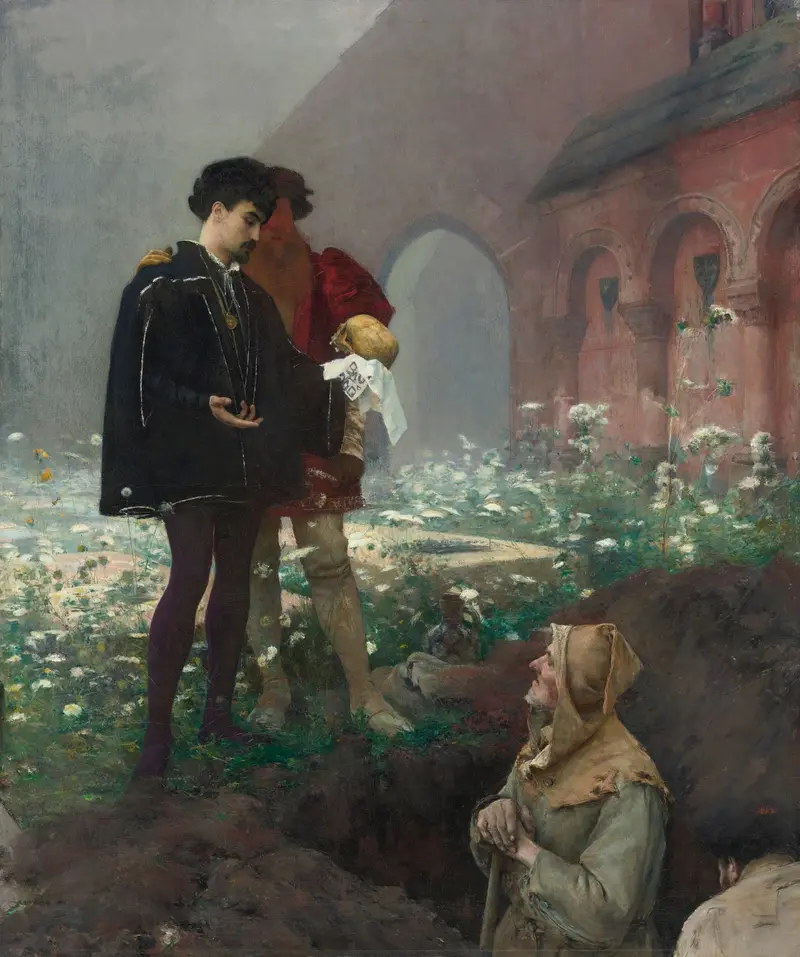
Hamlet Et Les Fossoyeurs
Pascal-Adolphe-Jean Dagnan-Bouveret
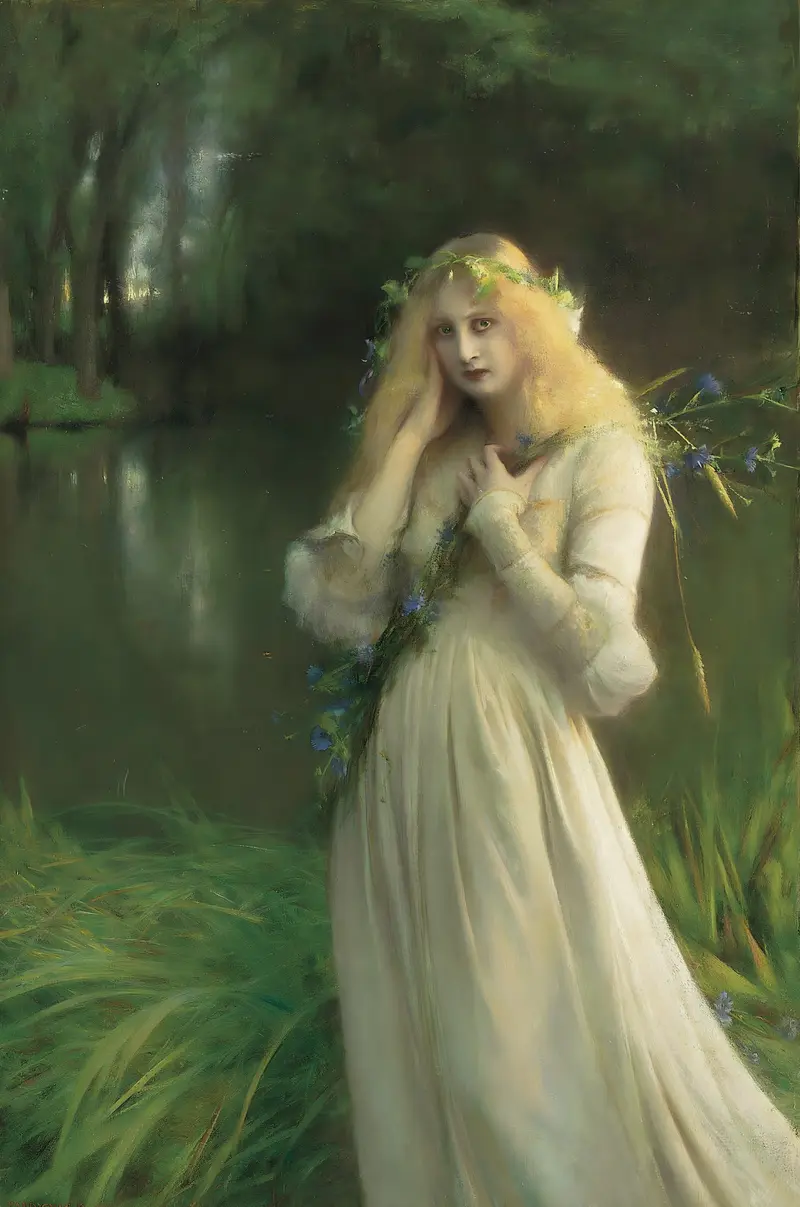
Ophelia
Pascal-Adolphe-Jean Dagnan-Bouveret
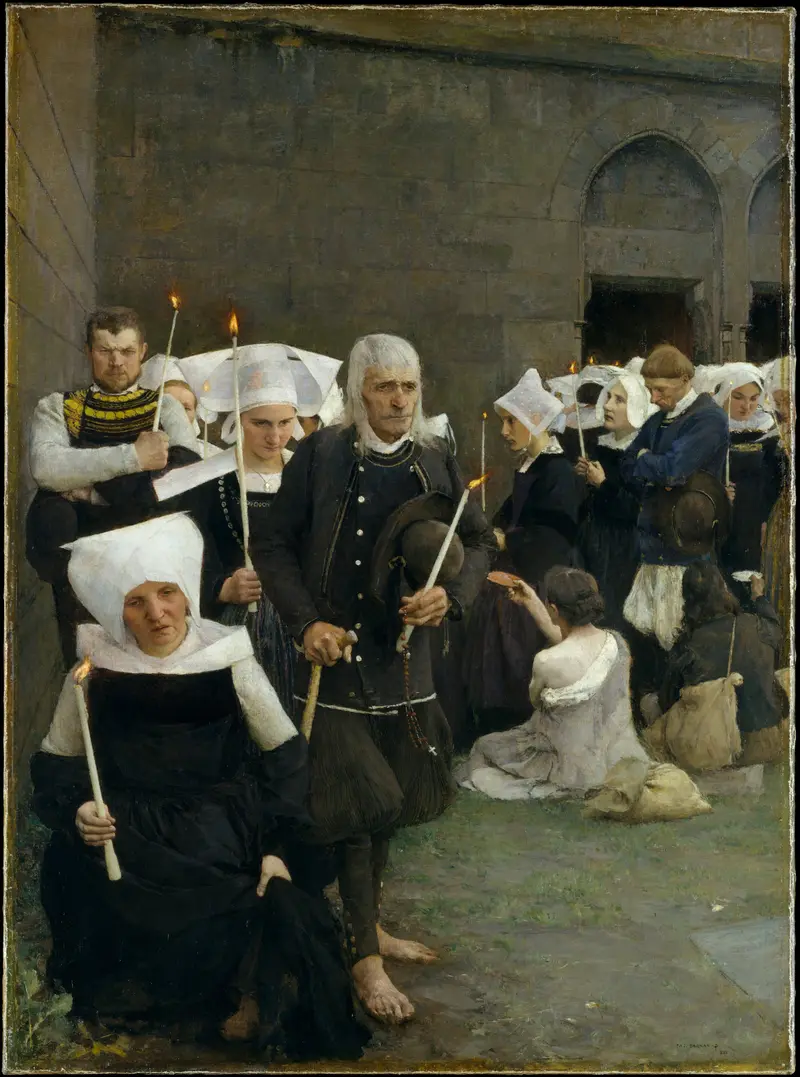
The Pardon in Brittany
Pascal-Adolphe-Jean Dagnan-Bouveret
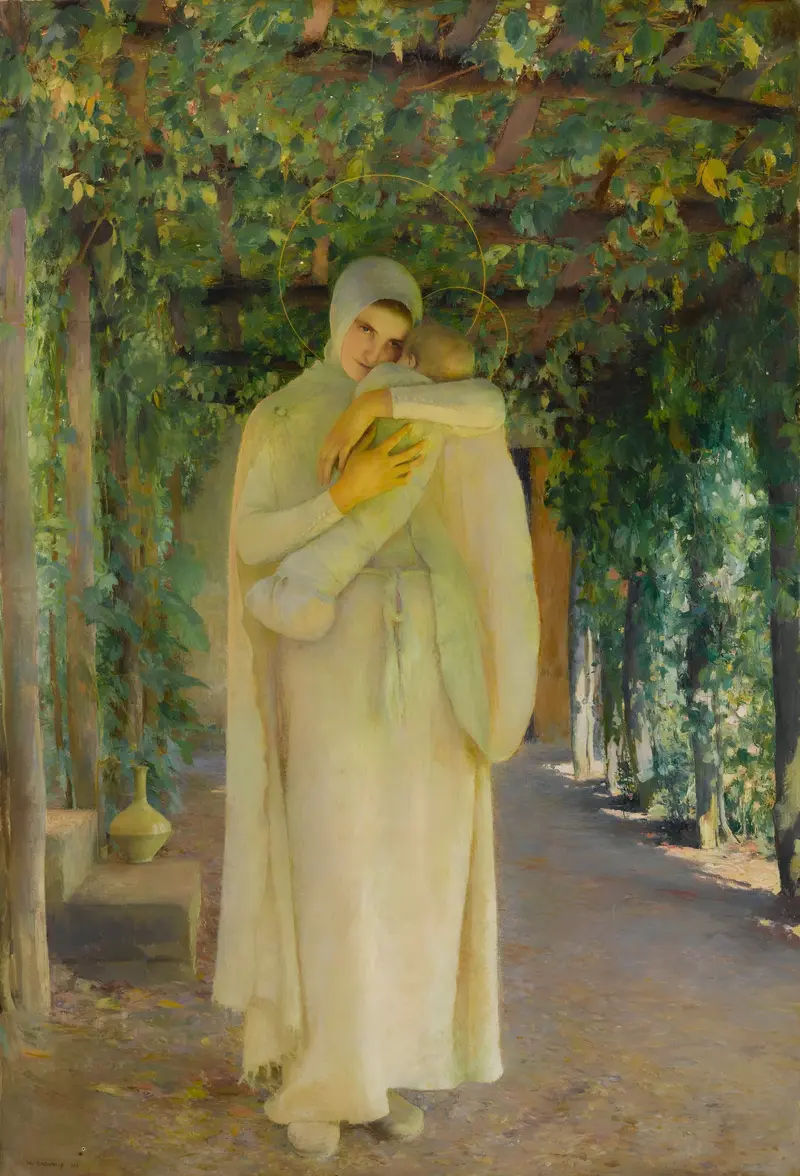
Madone À La Treille
Pascal-Adolphe-Jean Dagnan-Bouveret





