
Ophelia — History & Facts
In Ophelia, Pascal-Adolphe-Jean Dagnan-Bouveret presents a lush scene filled with vibrant colors. The painting depicts a young woman, Ophelia, floating in a serene body of water, surrounded by blooming flowers and greenery. The rich greens and soft pastels create a tranquil atmosphere, while the figure's pale skin contrasts beautifully with the surrounding nature.
The composition draws the viewer's eye to Ophelia's delicate features and the intricate details of the flora around her. The painting is executed in oil on canvas, showcasing Dagnan-Bouveret's skillful brushwork and attention to detail. The use of light and shadow enhances the three-dimensionality of the scene, giving depth to the water and the foliage. The artist's technique allows for a realistic representation of the flowers, making them appear almost lifelike.
This work exemplifies the Symbolism movement, where nature often reflects the emotional state of the subject. Pascal-Adolphe-Jean Dagnan-Bouveret was influenced by the Pre-Raphaelite movement, which is evident in his depiction of Ophelia. This painting is a reinterpretation of the character from Shakespeare's Hamlet, capturing her tragic beauty. An interesting fact about this work is that it was created during a time when artists were increasingly exploring themes of nature and emotion, making it a significant piece in the Symbolism genre.
More Artworks by Pascal-Adolphe-Jean Dagnan-Bouveret
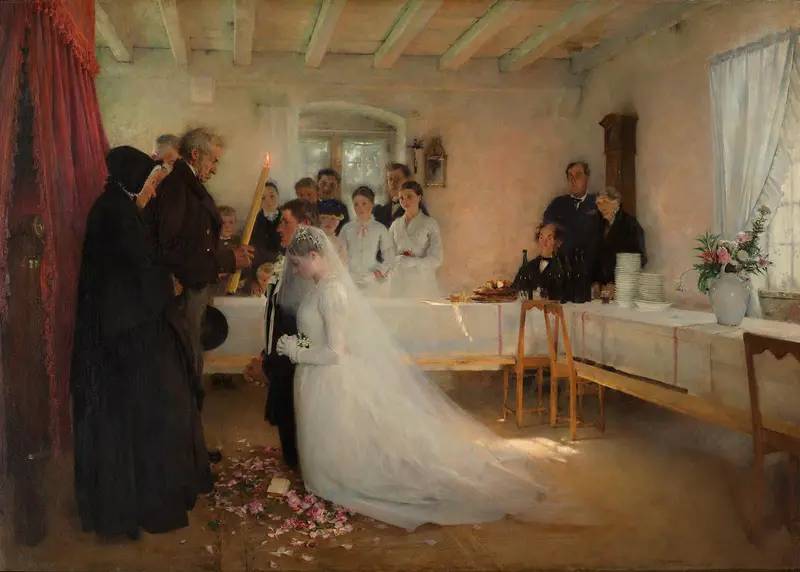
Blessing of the Young Couple Before Marriage
Pascal-Adolphe-Jean Dagnan-Bouveret
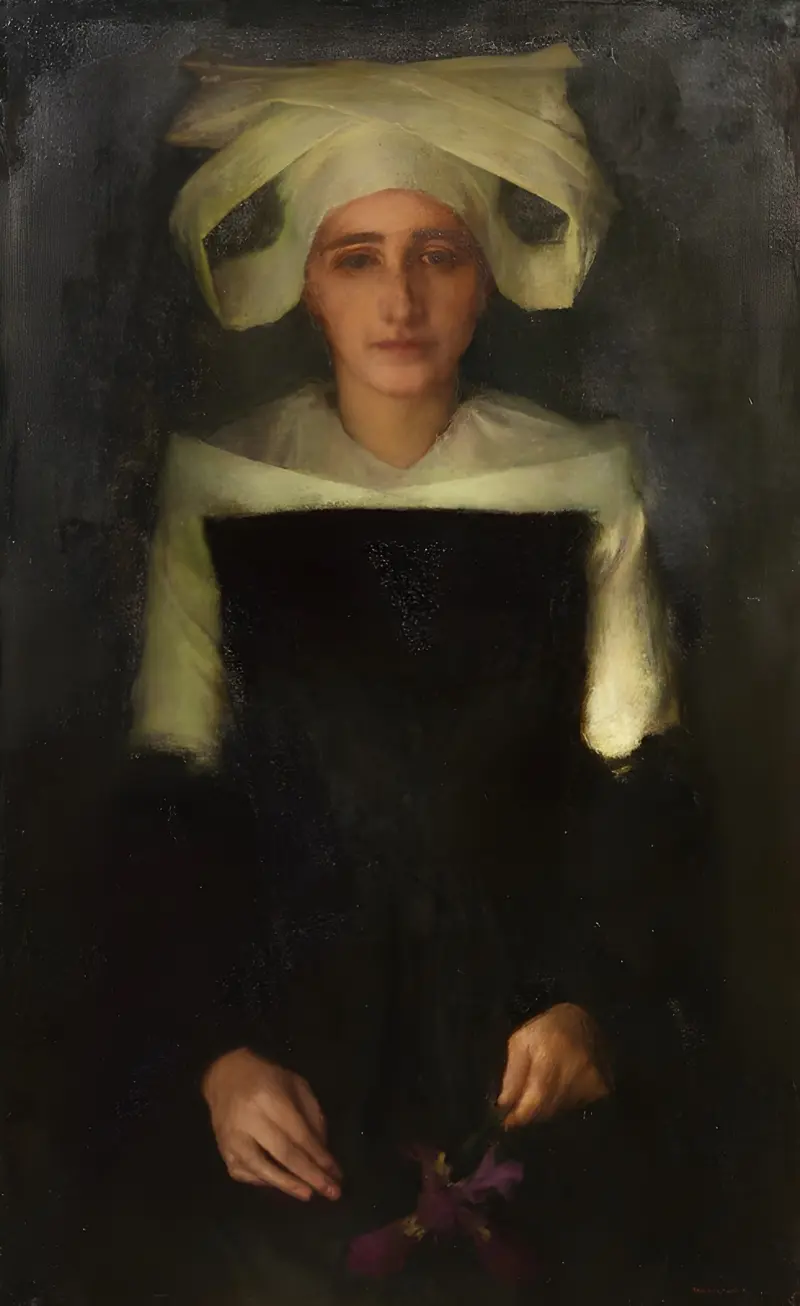
Recueillement (Contemplation)
Pascal-Adolphe-Jean Dagnan-Bouveret
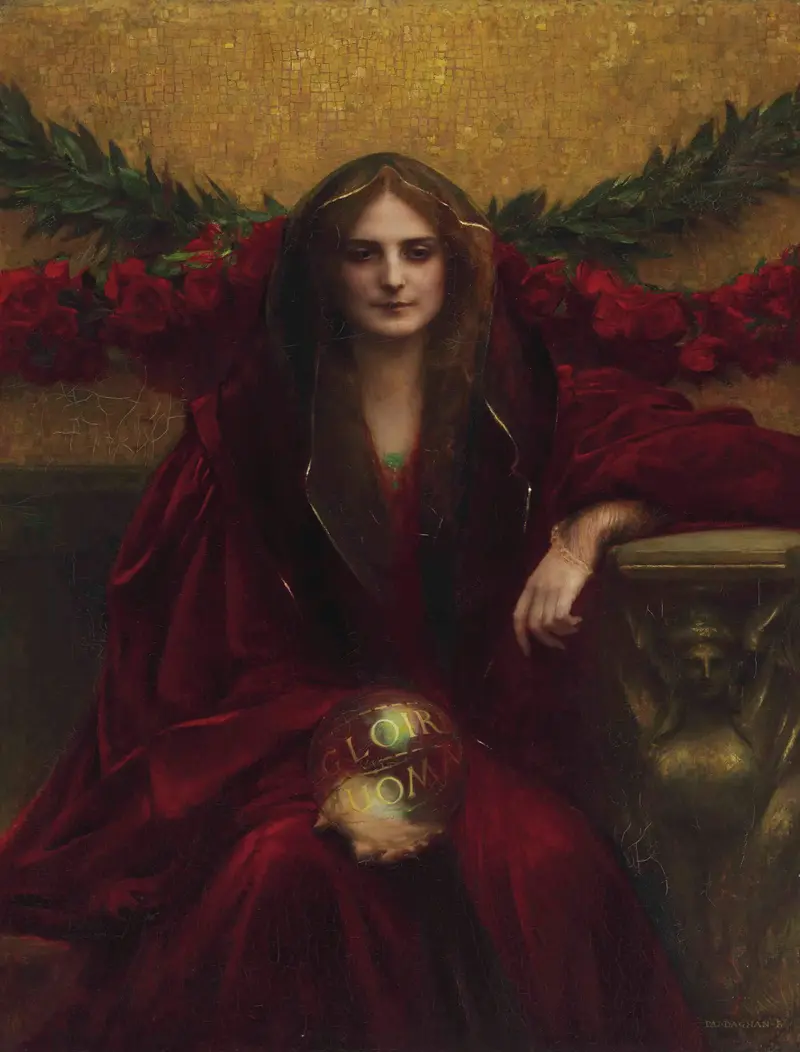
Chimères
Pascal-Adolphe-Jean Dagnan-Bouveret
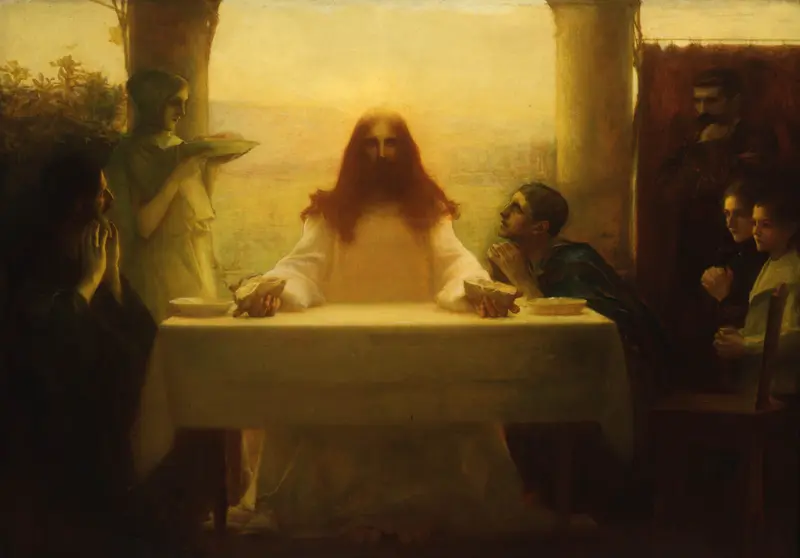
Christ and the Pilgrims at Emmaus
Pascal-Adolphe-Jean Dagnan-Bouveret
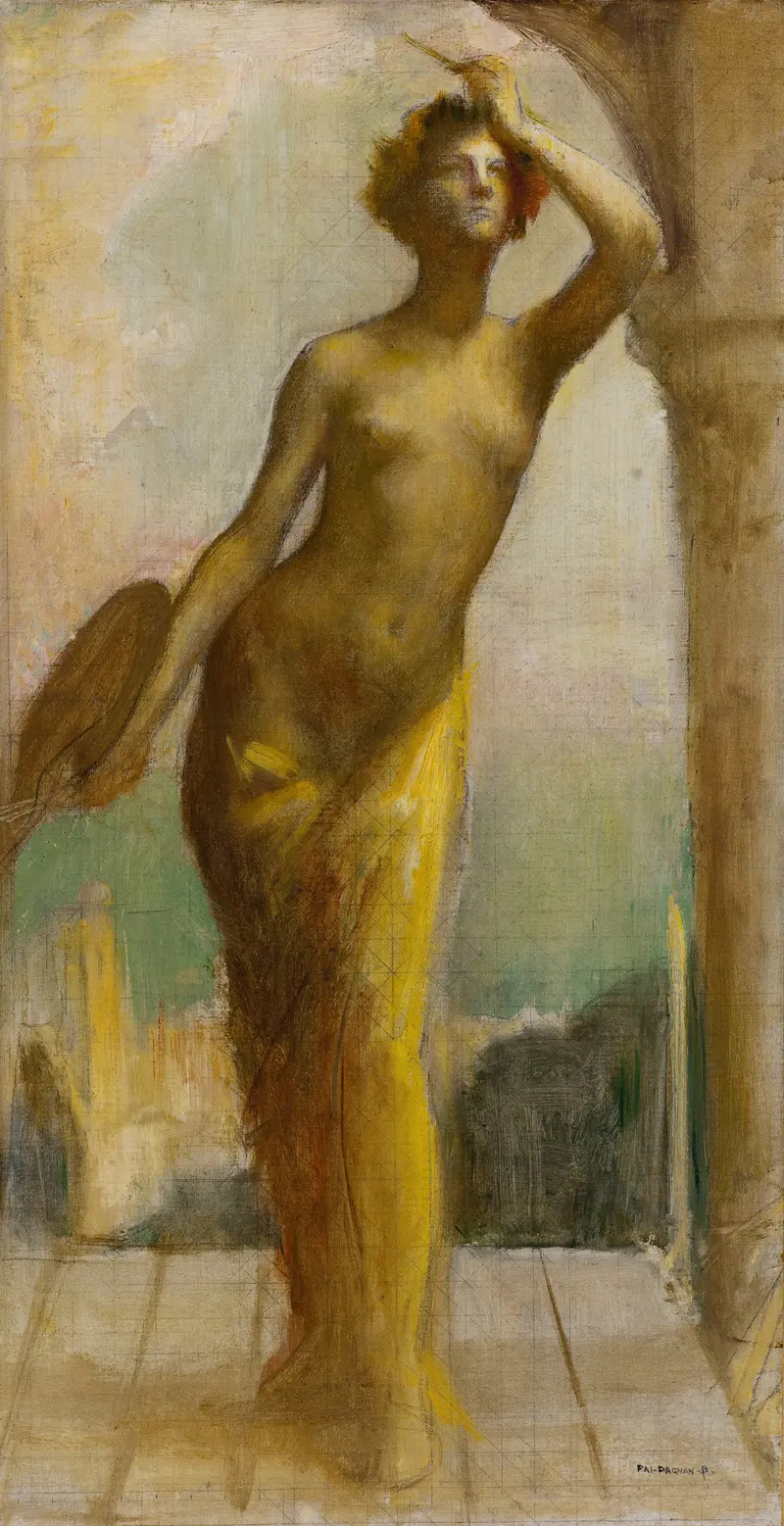
La Peinture
Pascal-Adolphe-Jean Dagnan-Bouveret
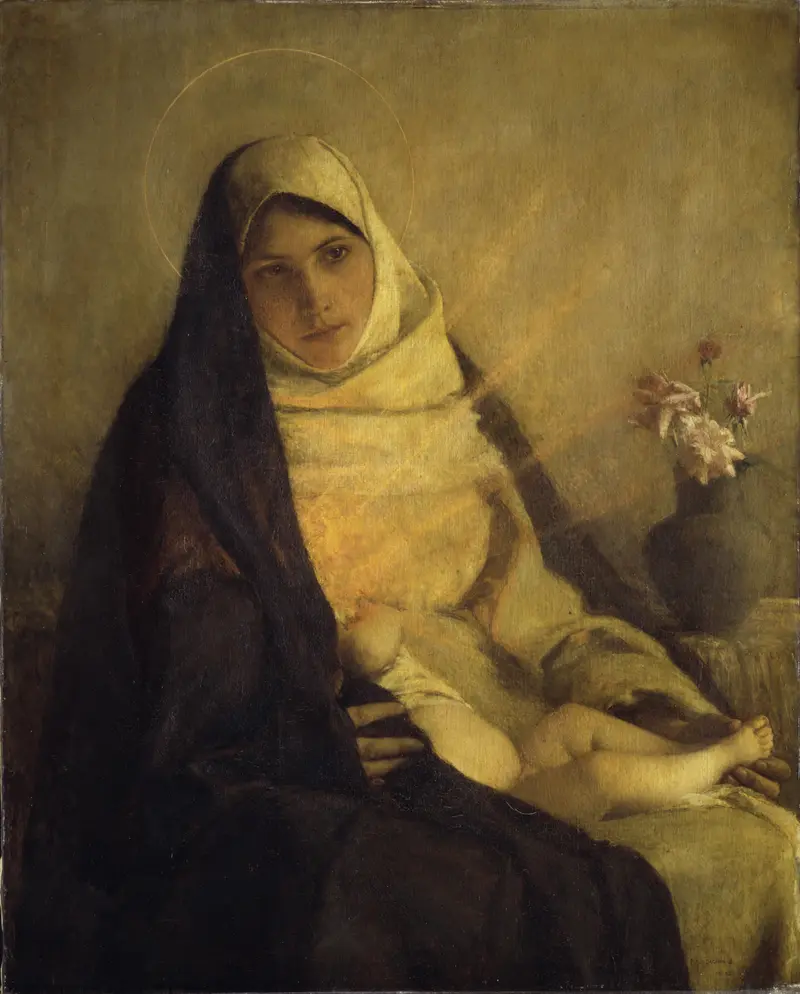
Madonna of the Rose
Pascal-Adolphe-Jean Dagnan-Bouveret
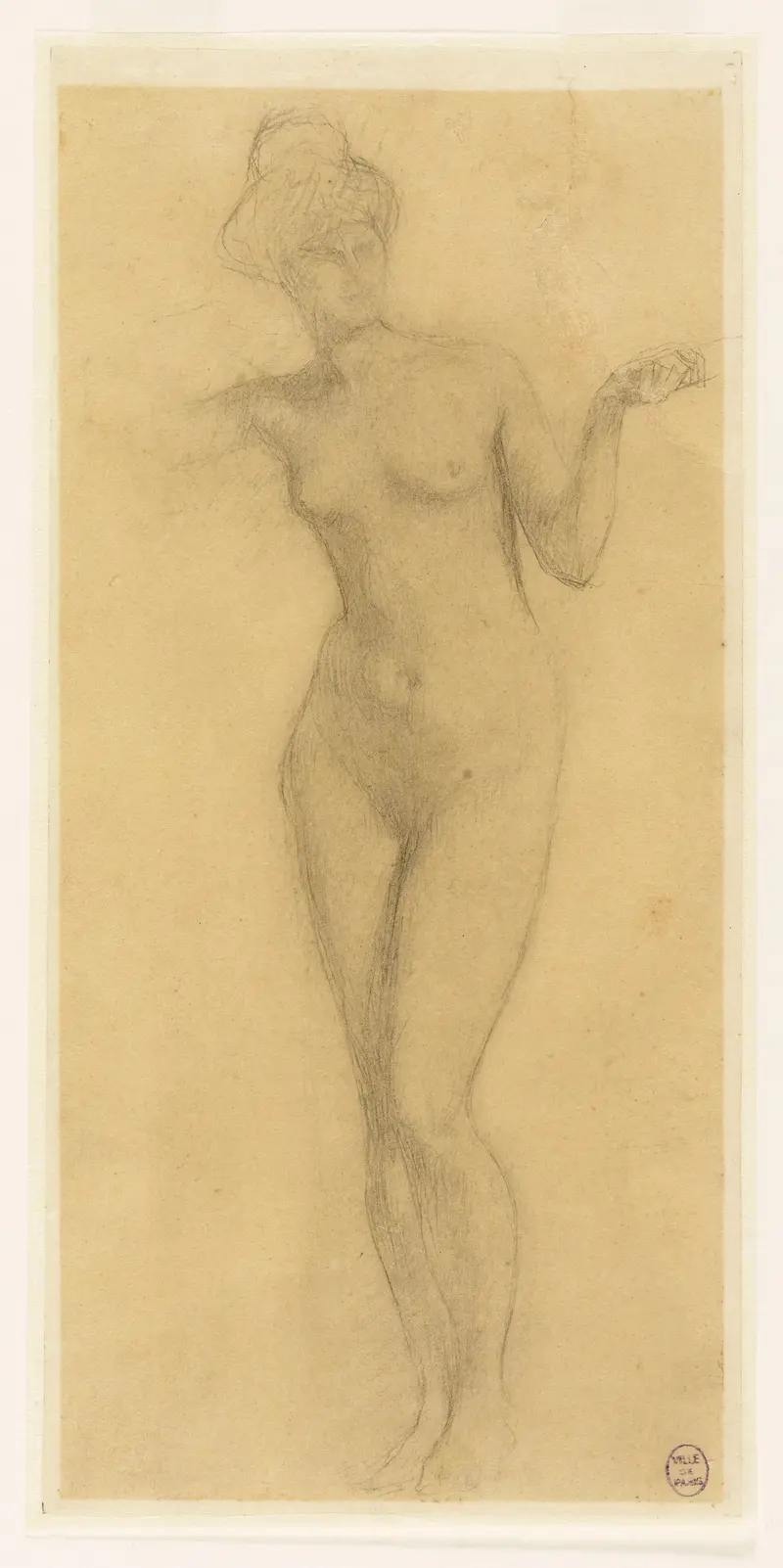
Femme nue
Pascal-Adolphe-Jean Dagnan-Bouveret
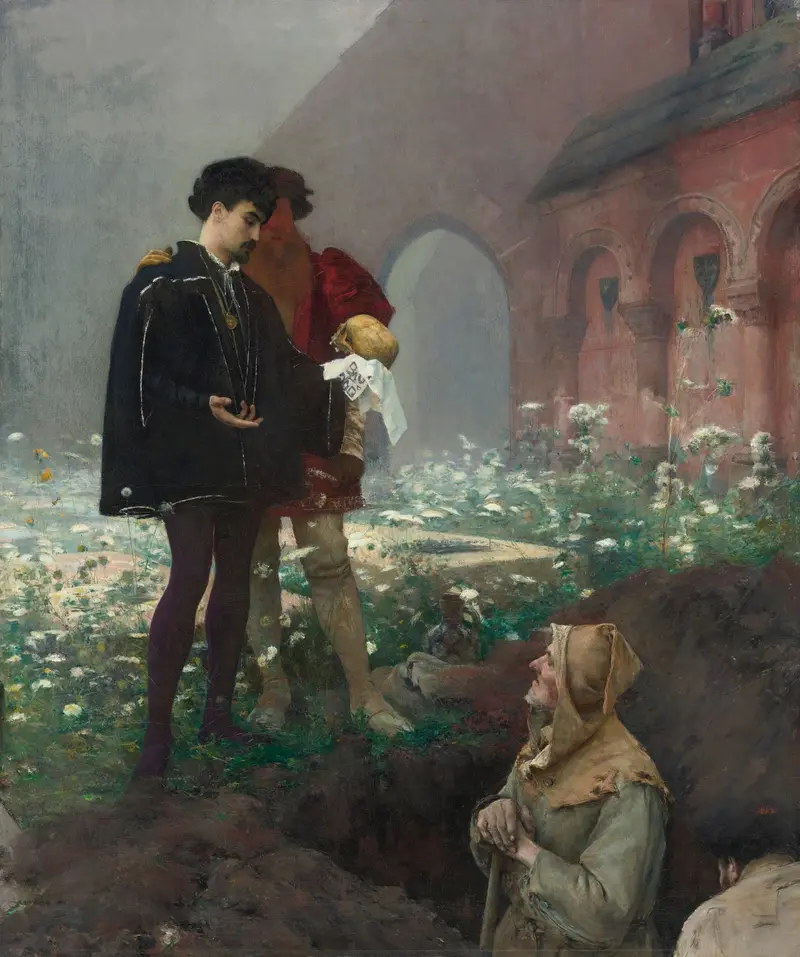
Hamlet Et Les Fossoyeurs
Pascal-Adolphe-Jean Dagnan-Bouveret
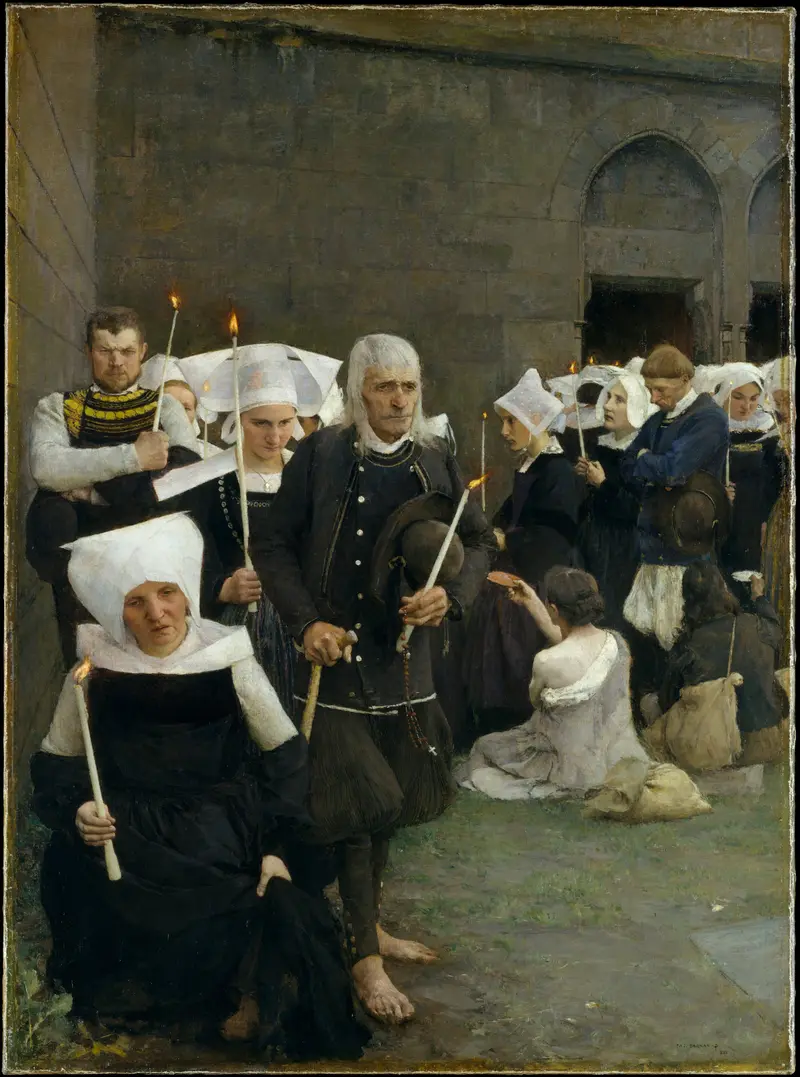
The Pardon in Brittany
Pascal-Adolphe-Jean Dagnan-Bouveret
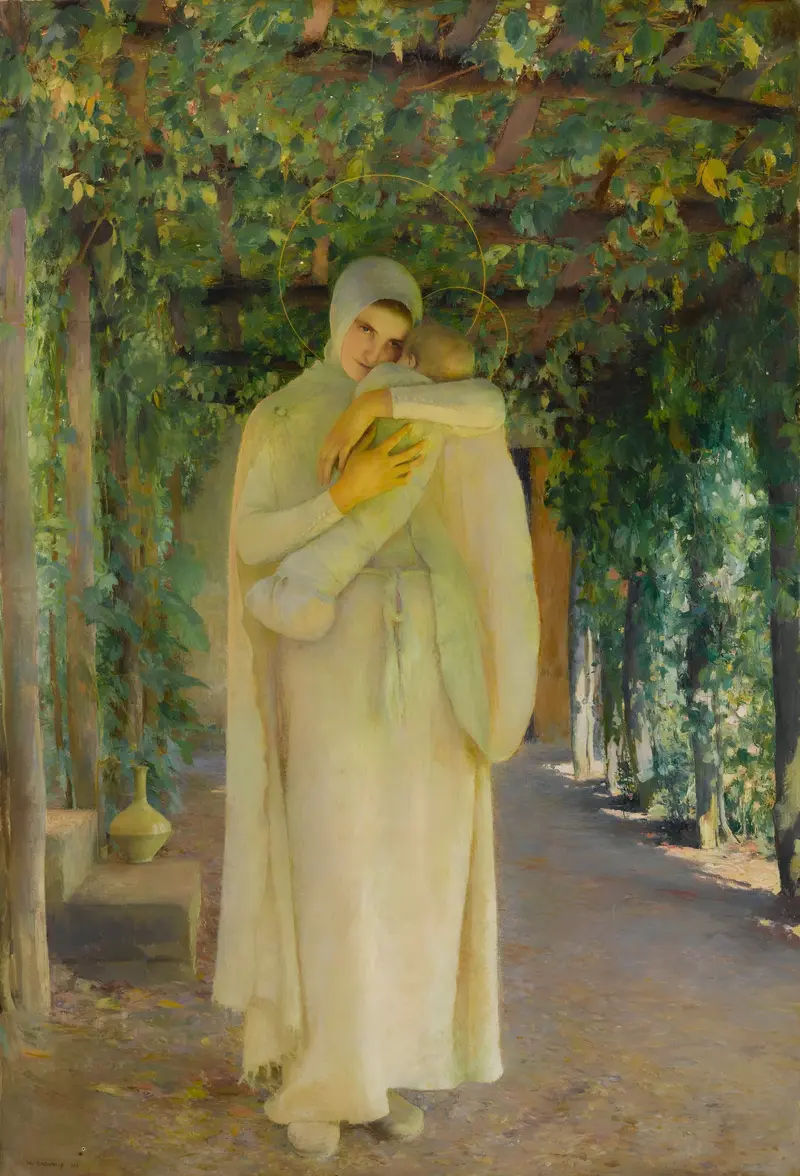
Madone À La Treille
Pascal-Adolphe-Jean Dagnan-Bouveret





