
Christ in the Wilderness — History & Facts
Christ in the Wilderness was painted by Ivan Kramskoi in 1872, using oil on canvas. The work measures 180 by 210 centimeters and is held in the Tretyakov Gallery, Moscow (inventory 651). It represents a significant example of Russian religious art from the late nineteenth century and occupies an important place in Kramskoi’s career, reflecting his interest in psychological depth and moral themes. The painting depicts Jesus Christ seated alone on a rocky terrain at dawn, referencing the biblical episode of the Temptation of Jesus in the wilderness.
Christ is shown barefoot, wearing a tunic and overcoat, with his hands clasped and head bowed in contemplation. The subdued palette of earth tones and the soft, cool light of the early morning sky emphasize the solitude and introspective mood of the scene. The meticulous rendering of the rocks and the figure’s expressive posture contribute to the sense of isolation and spiritual struggle. Following its completion in 1872, Christ in the Wilderness was acquired by the Tretyakov Gallery, where it remains today.
The painting was exhibited in Russia and quickly became recognized as a major work of Russian realism, noted for its psychological intensity and departure from traditional religious iconography. It has been widely discussed in art historical literature as a key work in Kramskoi’s oeuvre and in the development of Russian painting in the period.
Sources: Wikidata Q2354080 · Wikipedia: Christ in the Desert · Image source (Wikimedia Commons)
More Artworks by Ivan Kramskoi
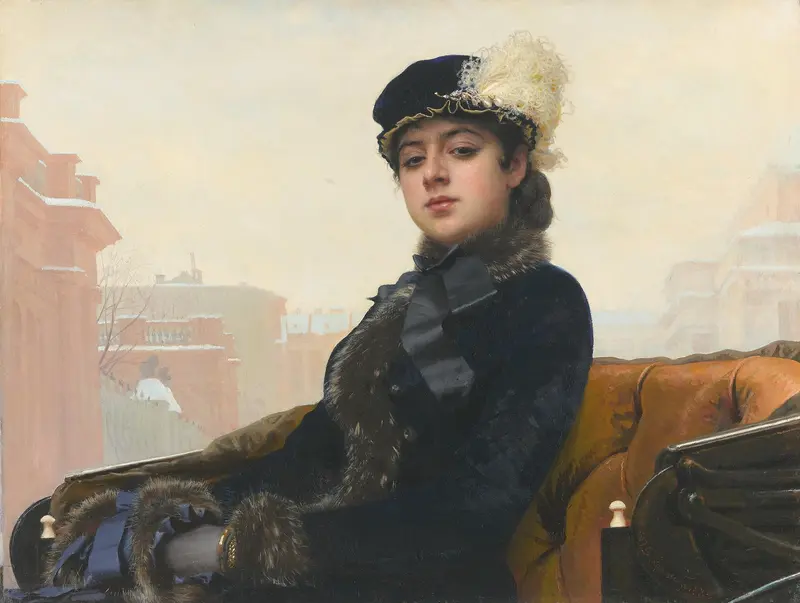
Portrait of an Unknown Woman
Ivan Kramskoi
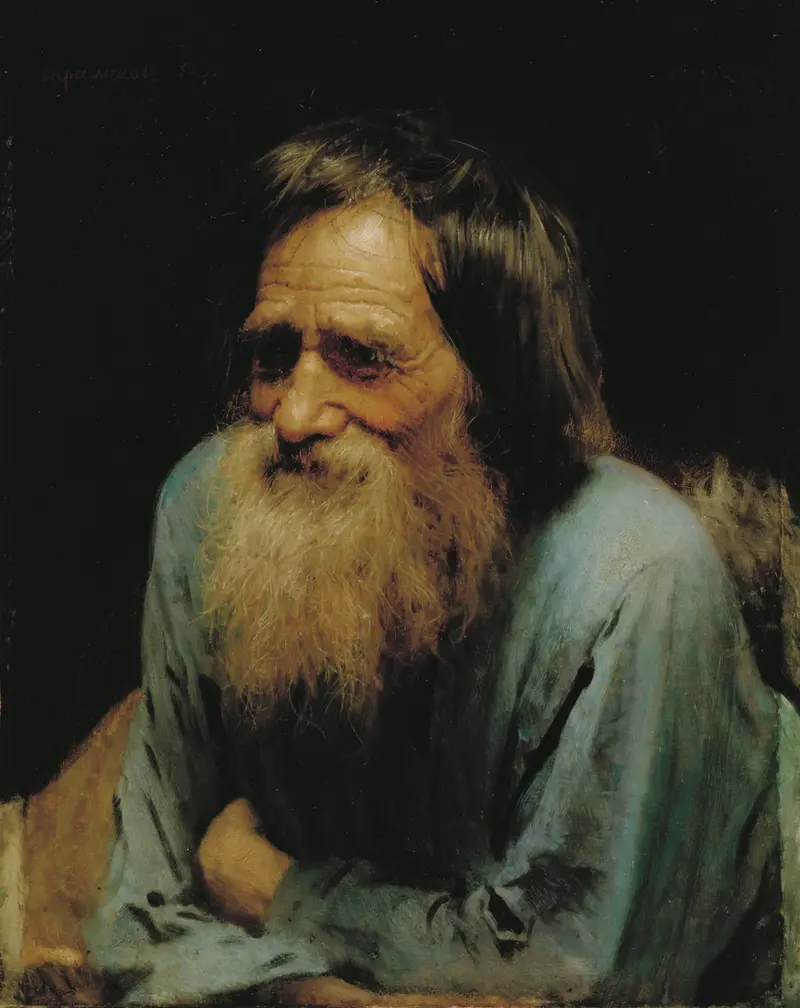
Mina Moiseyev
Ivan Kramskoi
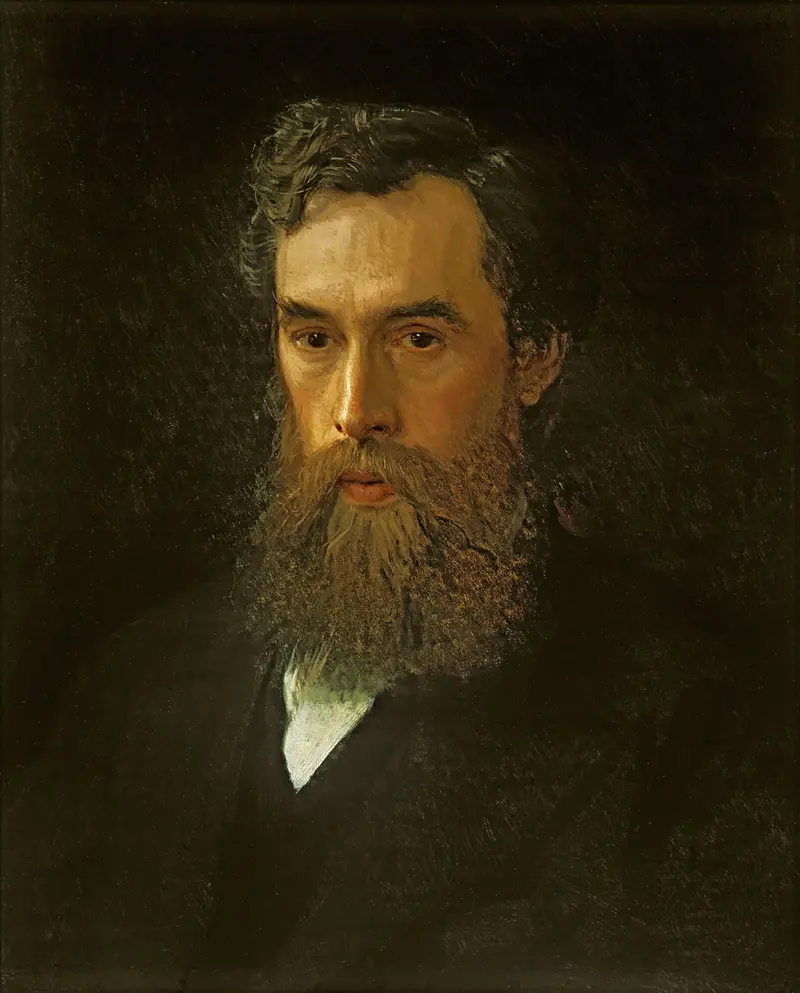
Portrait of Pavel Tretyakov
Ivan Kramskoi
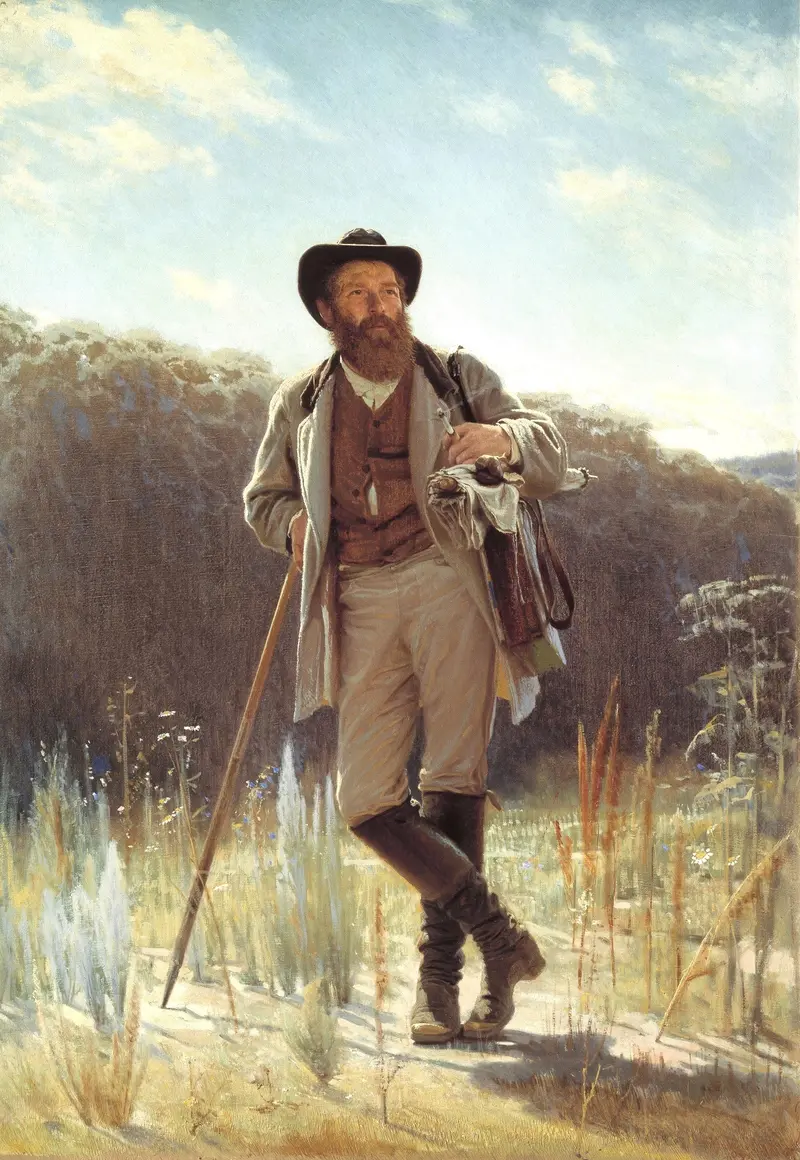
Portrait of Ivan Shishkin
Ivan Kramskoi
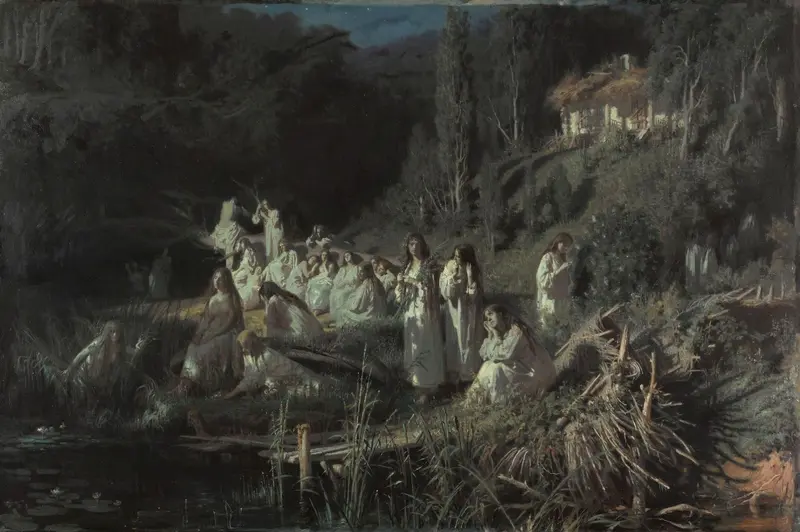
The Mermaids
Ivan Kramskoi
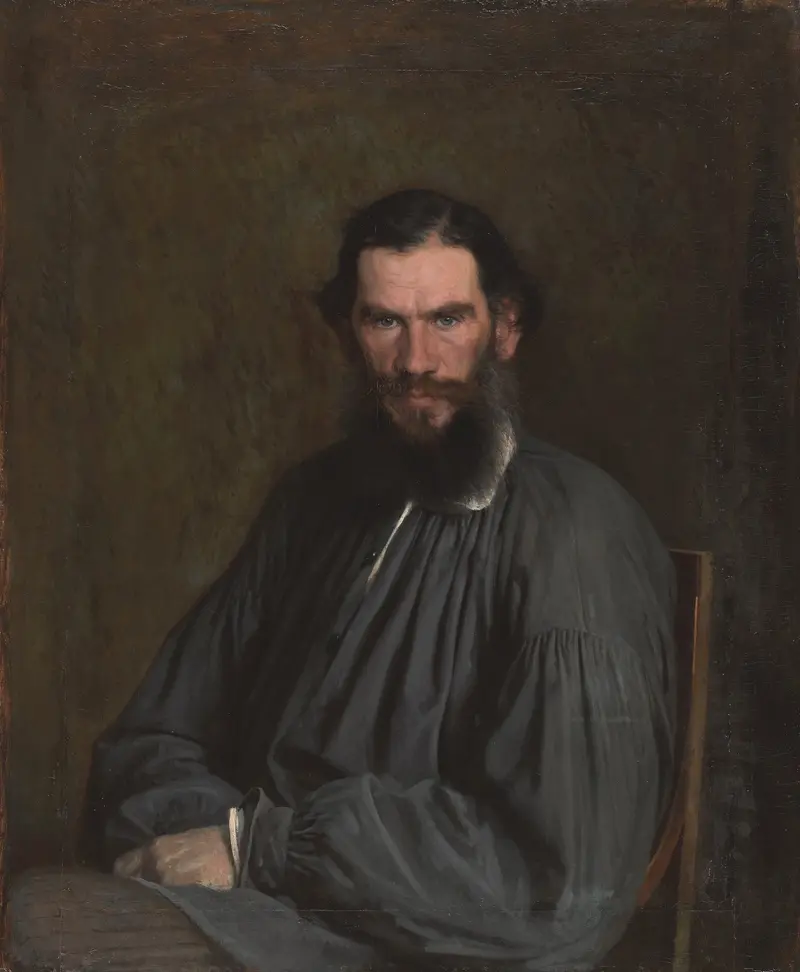
Portrait of Leo Tolstoy
Ivan Kramskoi
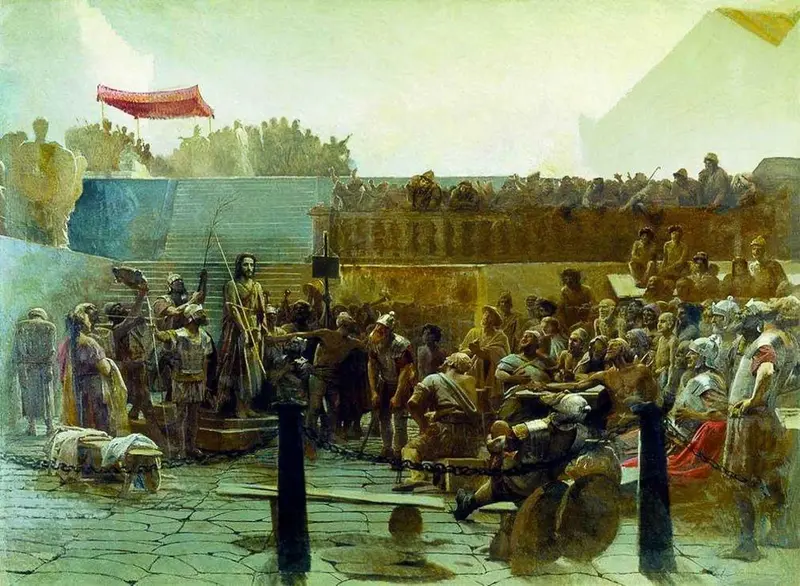
Laughter (Rejoice, King of the Jews)
Ivan Kramskoi
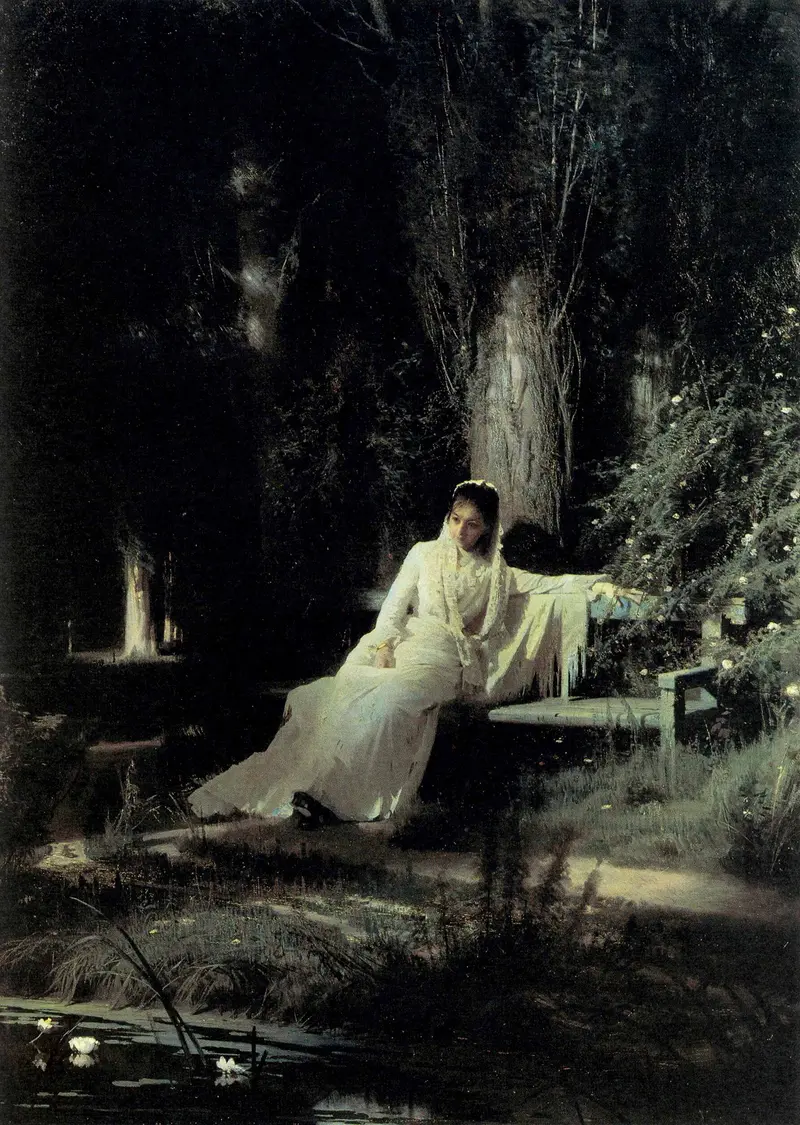
Moonlit Night
Ivan Kramskoi
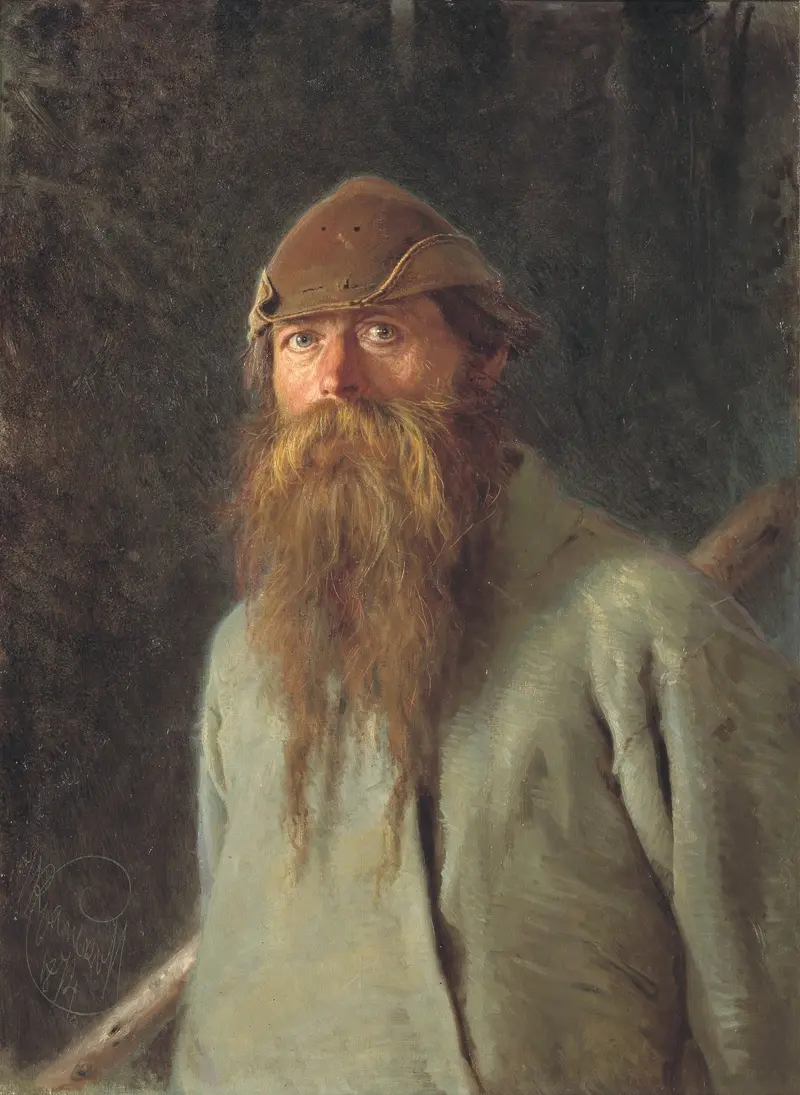
Forester
Ivan Kramskoi
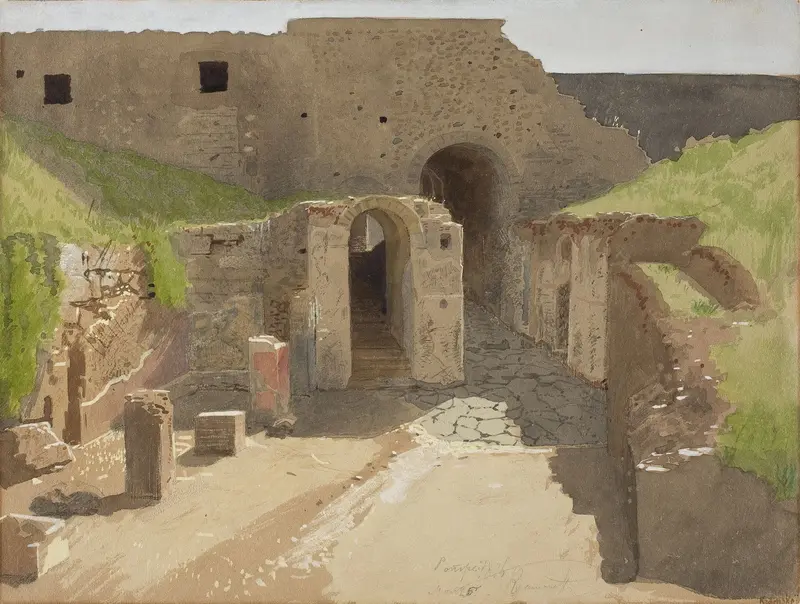
Pompeii
Ivan Kramskoi





