Discover insights about this artwork
Christ Presented to the People (Ecce Homo) — History & Facts
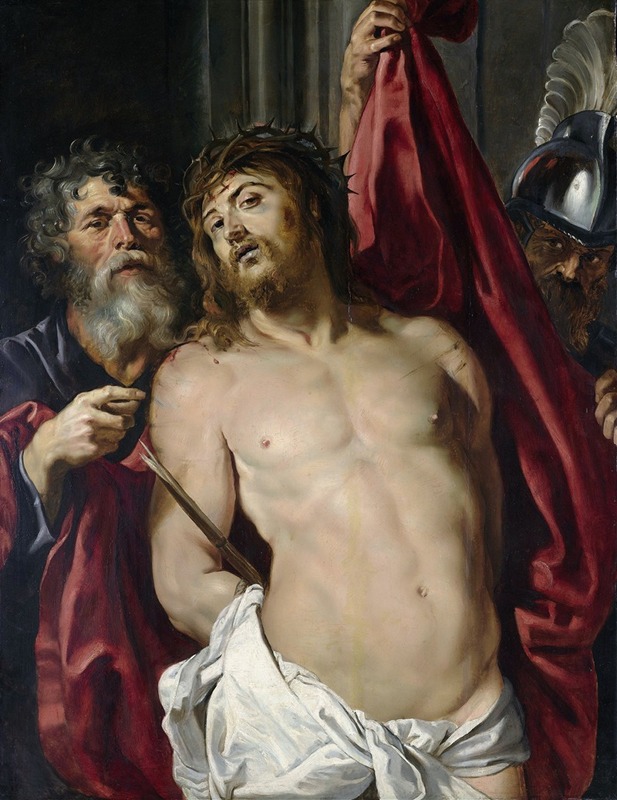
In Christ Presented to the People (Ecce Homo) by Rembrandt van Rijn, we see a dramatic scene where Christ is presented to the crowd. The colors are rich, with deep reds and earthy tones dominating the palette. Christ's face is expressive, reflecting a mix of sorrow and dignity as he stands before the people.
The figures surrounding him are varied, each displaying different emotions, adding to the overall tension of the moment. This painting is an oil on canvas work, typical of Rembrandt's style during the Dutch Golden Age. The use of chiaroscuro is evident, with strong contrasts between light and shadow that enhance the three-dimensionality of the figures. The brushwork is loose yet deliberate, allowing for both detail and a sense of movement.
The dimensions of the painting are approximately 90 x 70 cm, making it a significant piece in terms of size. Rembrandt van Rijn created this artwork around 1655, a time when he was exploring themes of human emotion and spirituality. This particular piece is notable for its psychological depth, as it captures the moment of Christ's presentation with a focus on his humanity. An interesting fact about this work is that it reflects Rembrandt's interest in biblical narratives, often portraying them with a sense of realism that invites viewers to connect emotionally.
The painting is currently housed in the Rijksmuseum, a fitting location for such an important work.
More Artworks by Rembrandt van Rijn
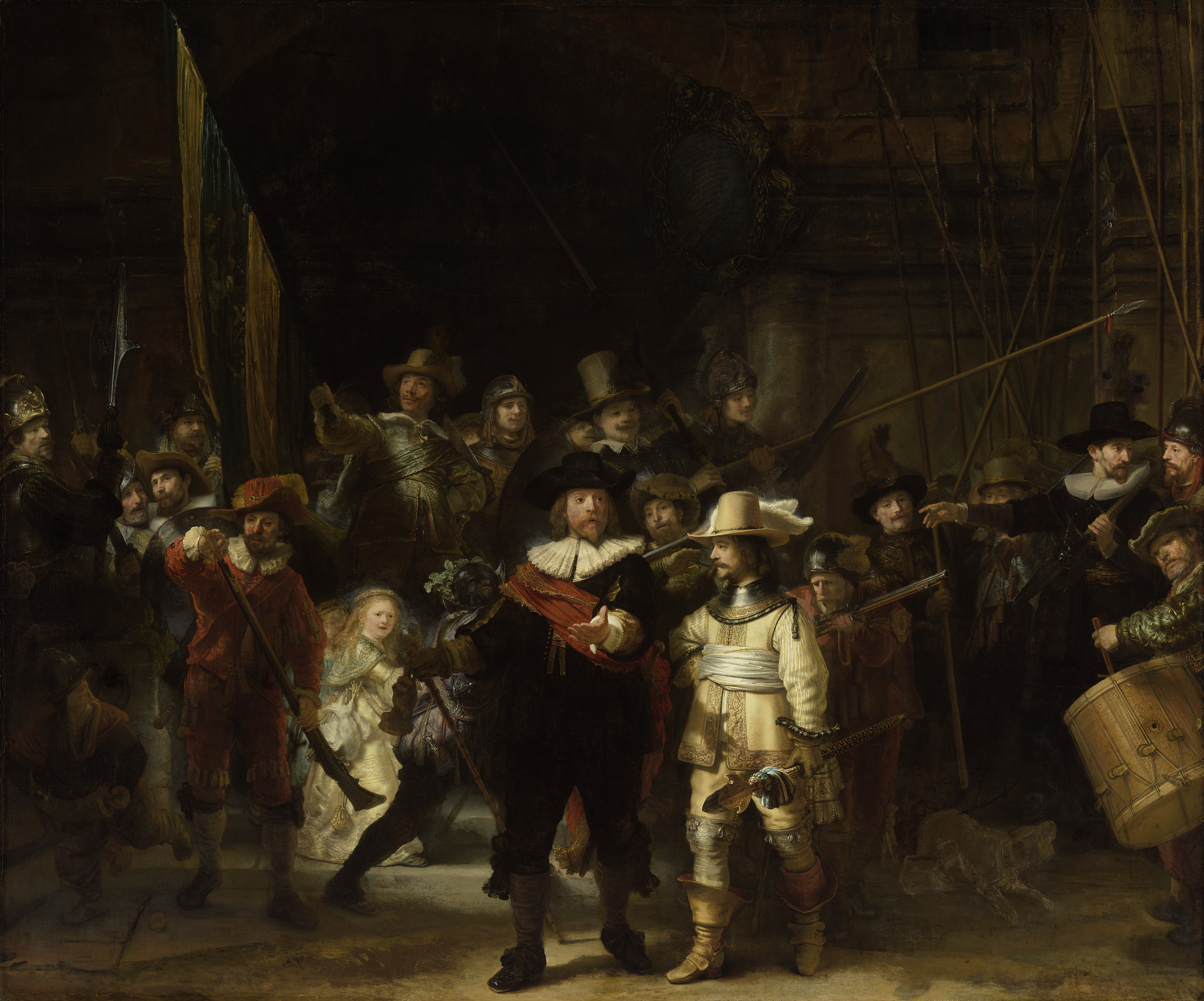
The Night Watch Militia Company of District II under the Command of Captain Frans Banninck Cocq
Rembrandt van Rijn
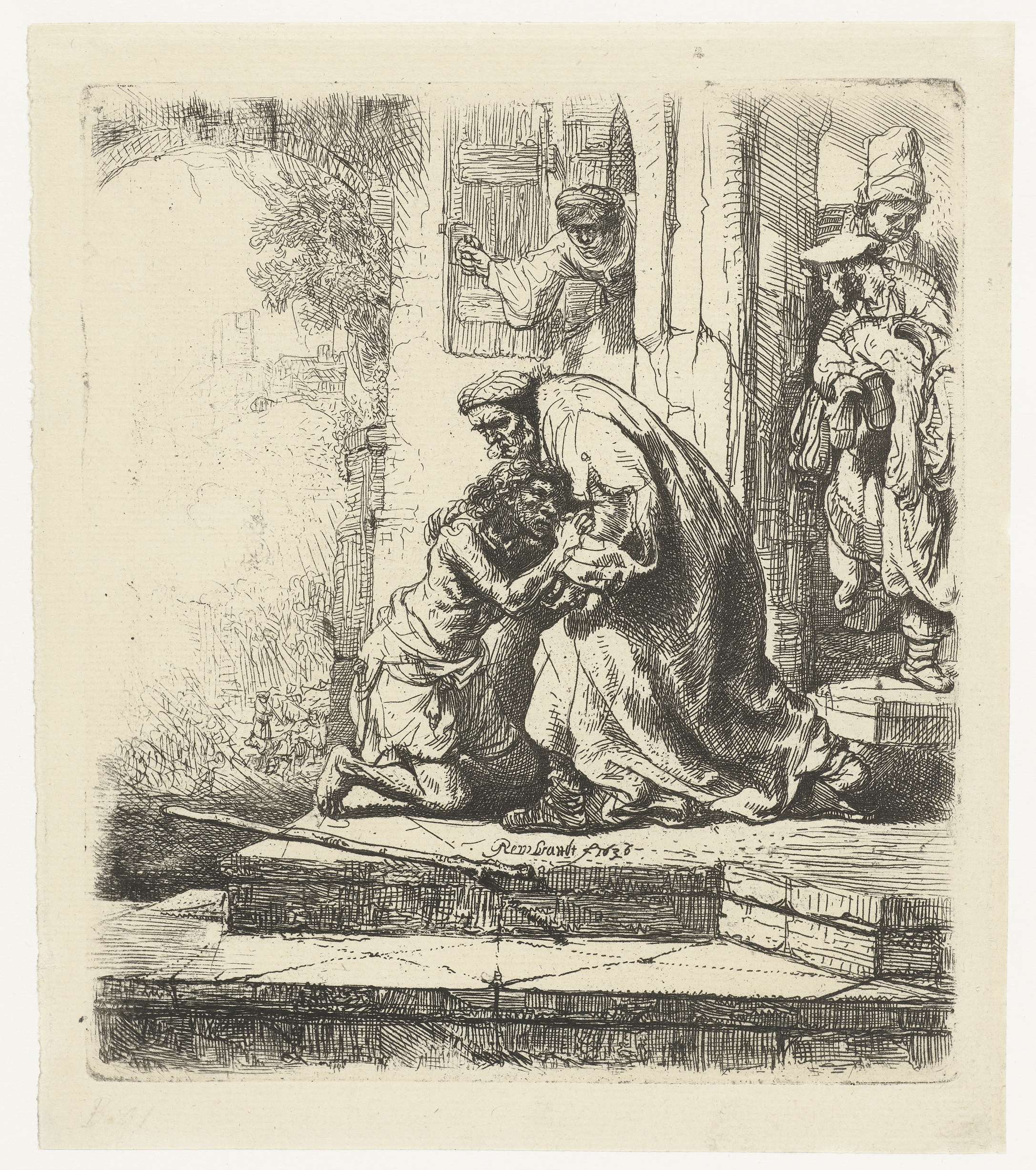
The Return of the Prodigal Son
Rembrandt van Rijn
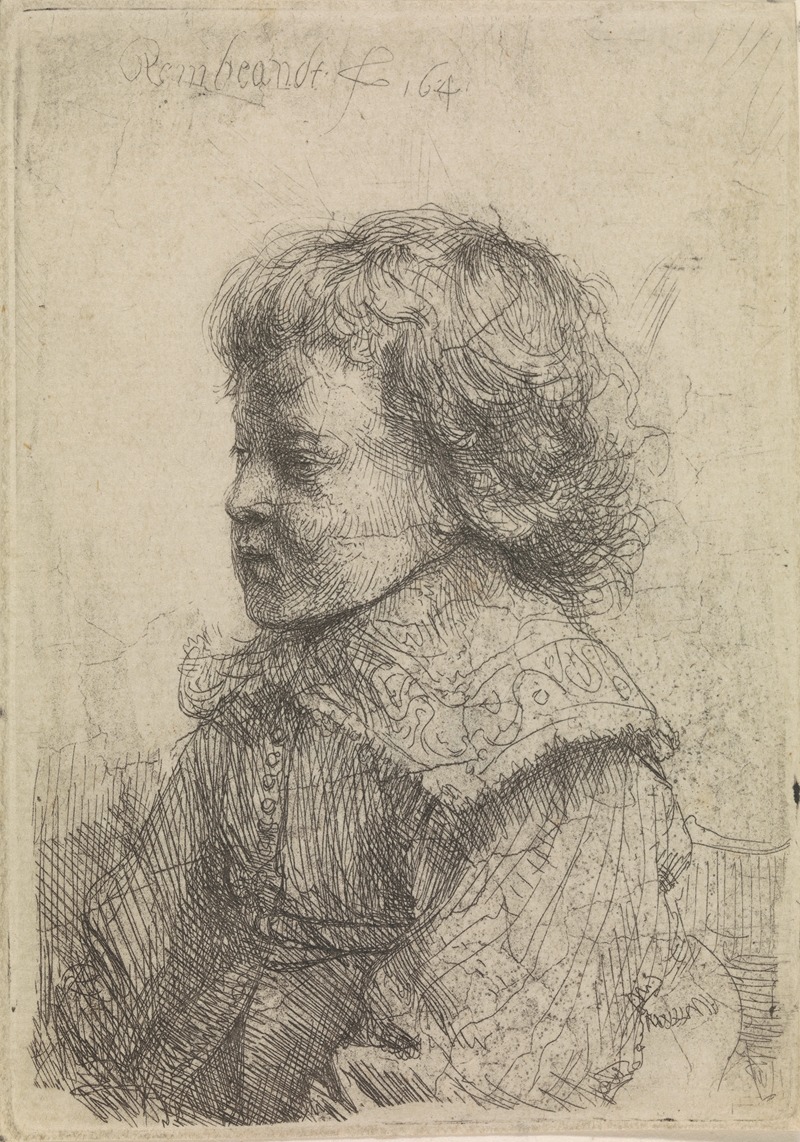
Portrait of a boy in profile
Rembrandt van Rijn
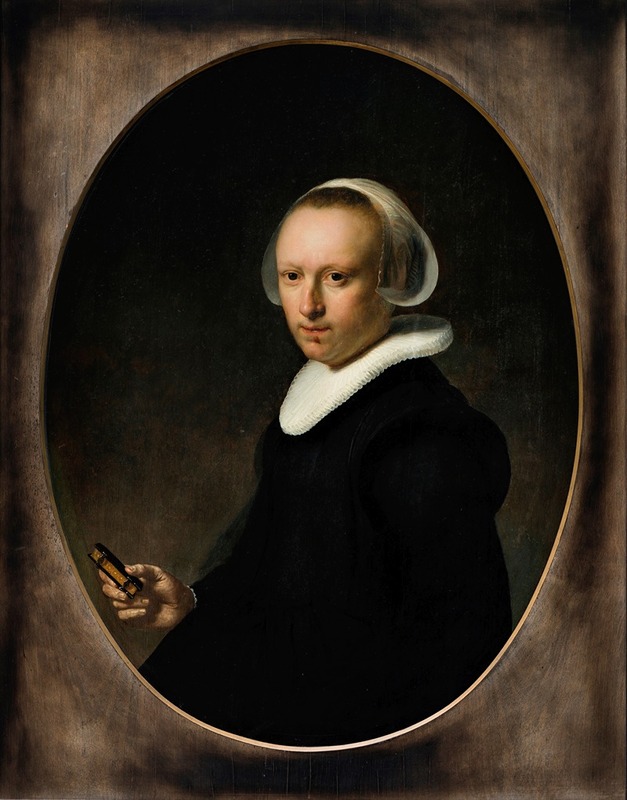
Portrait of a 39-year-old Woman
Rembrandt van Rijn
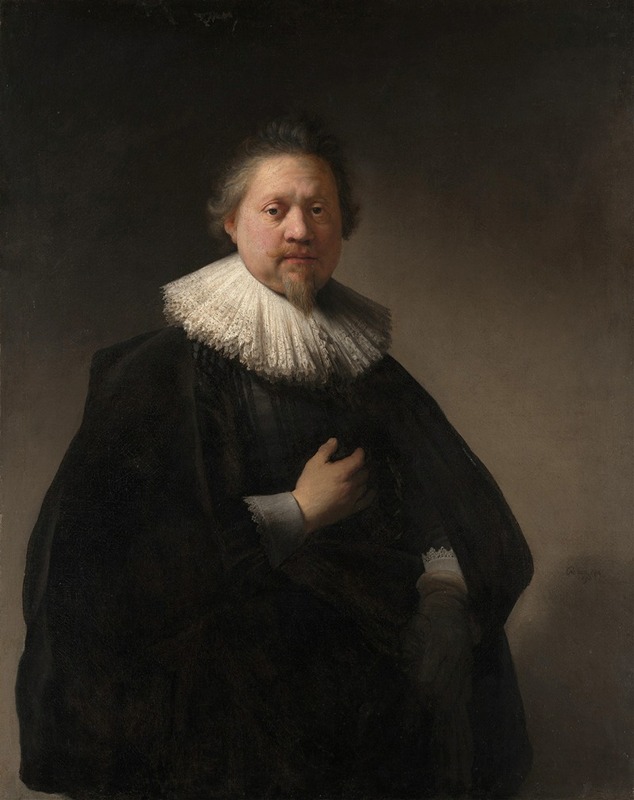
Portrait of a Man
Rembrandt van Rijn
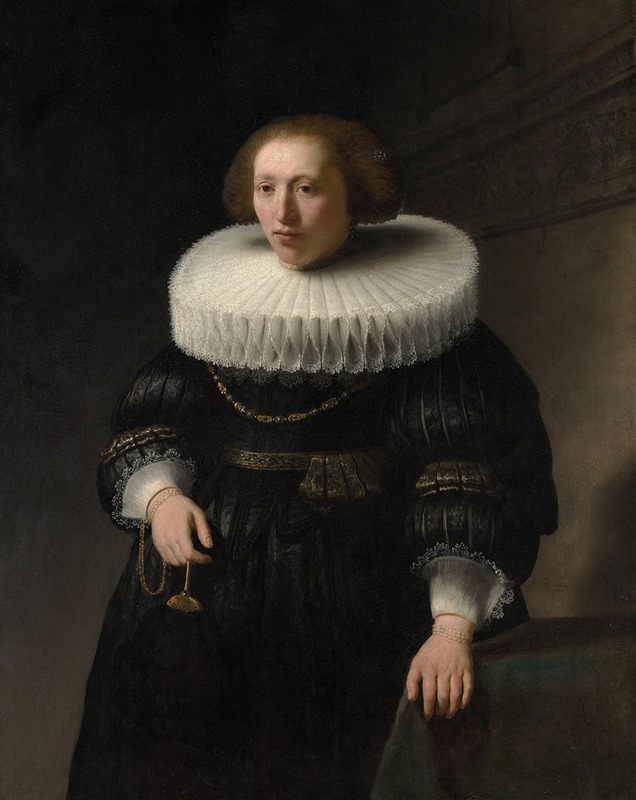
Portrait of a Woman
Rembrandt van Rijn
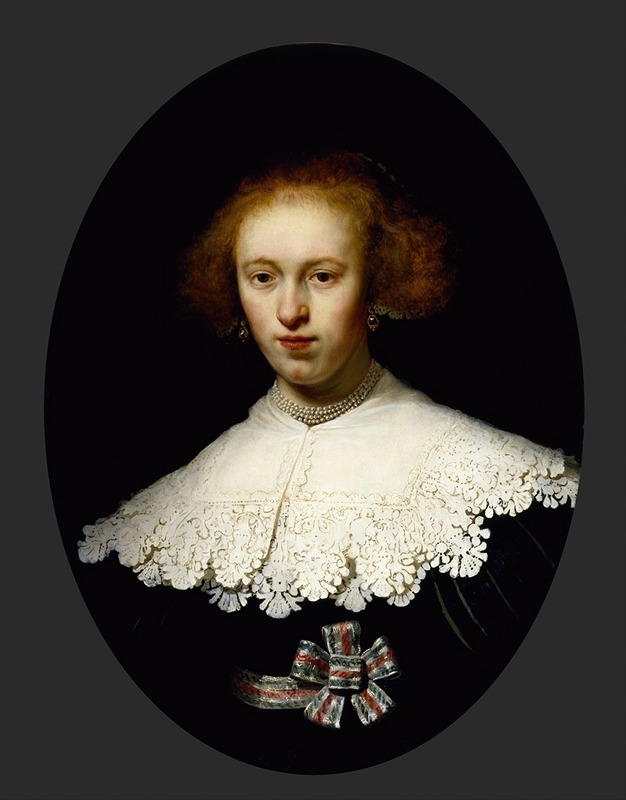
Portrait of a Young Woman
Rembrandt van Rijn
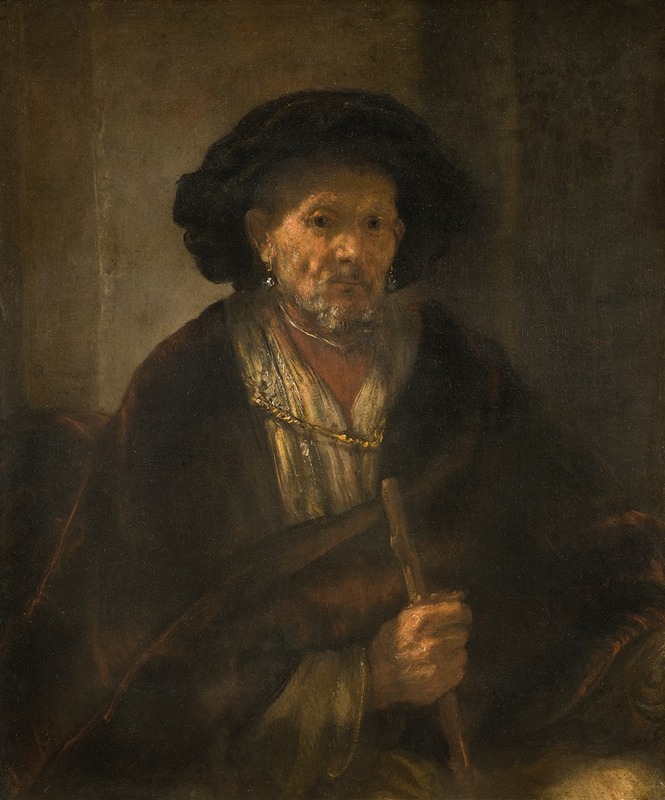
Portrait of an Old Man
Rembrandt van Rijn
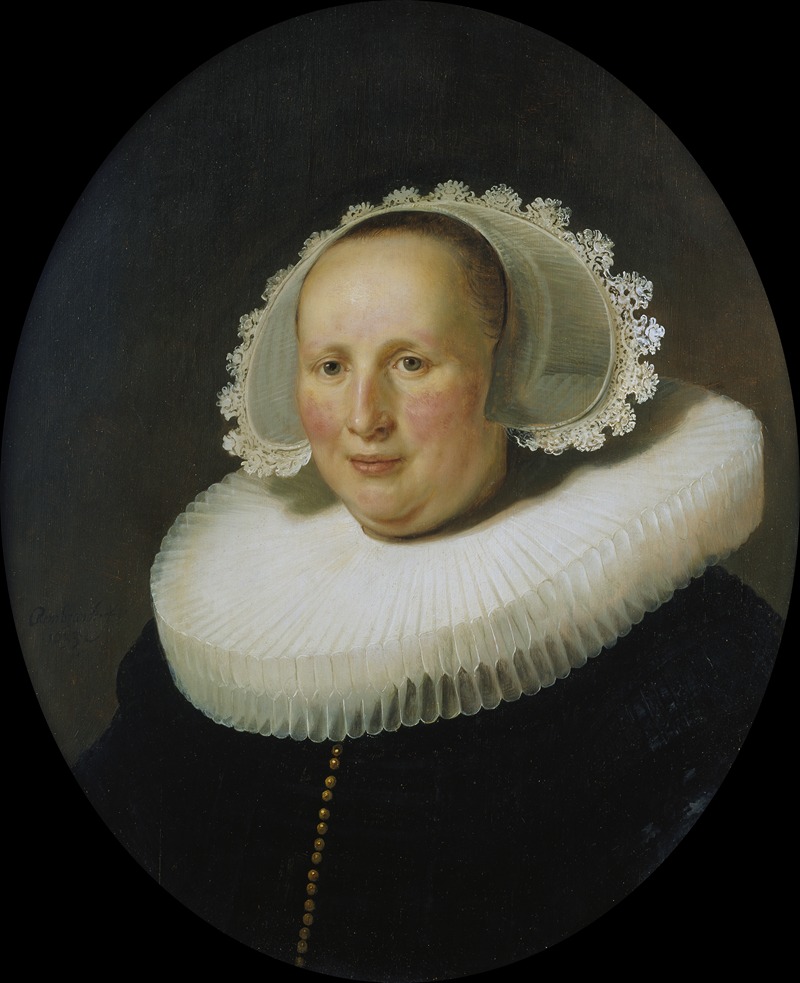
Portrait of Maertgen van Bilderbeecq
Rembrandt van Rijn
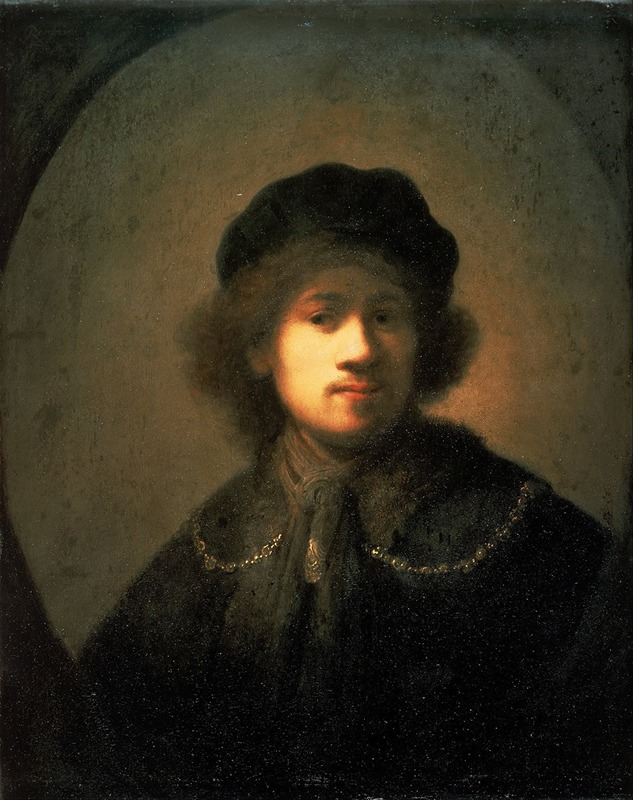
Portrait of the Artist as a Young Man
Rembrandt van Rijn