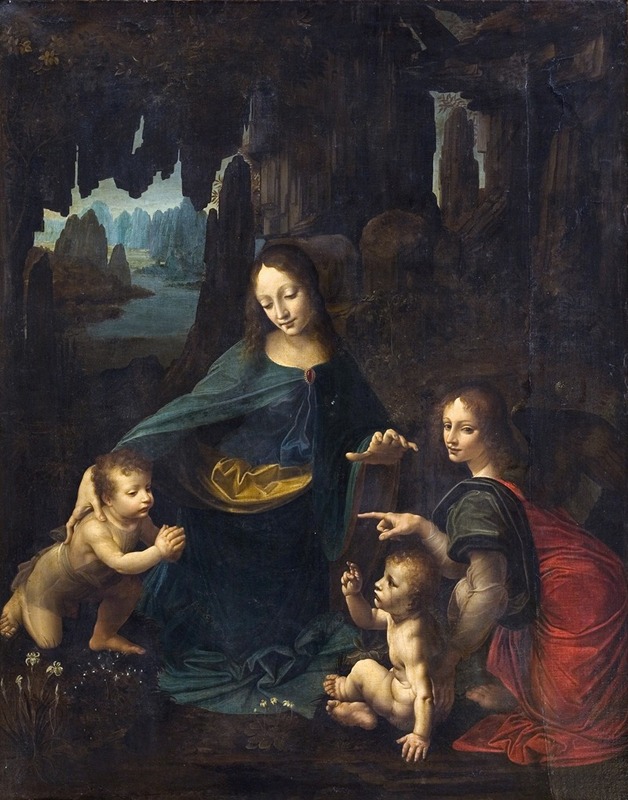
Discover insights about this artwork
Christ presented to the People (‘Ecce Homo’) — History & Facts
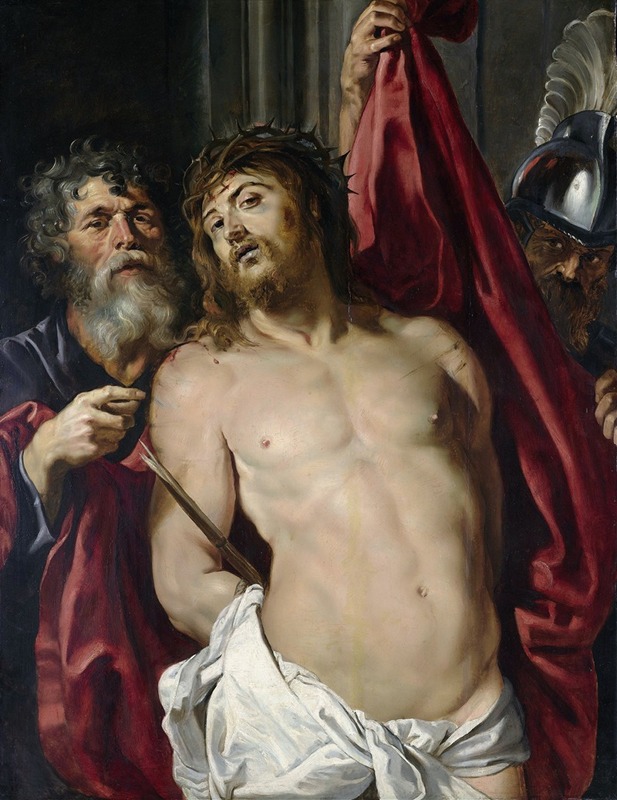
In Ecce Homo, Rembrandt van Rijn presents a striking scene where Christ is shown to the people. The painting features a palette of muted earth tones, with deep shadows and soft highlights that create a dramatic effect. Christ stands at the center, his expression a mix of sorrow and dignity, surrounded by a crowd of onlookers.
The figures are rendered with a sense of realism, capturing the emotional weight of the moment. The painting is executed in oil on canvas, a common medium for Rembrandt during the Dutch Golden Age. Viewers can observe the intricate details in the fabric of the garments, particularly the textures and folds that demonstrate Rembrandt's skill in depicting light and shadow. The composition draws the eye to Christ, emphasizing his role in the narrative.
The use of chiaroscuro enhances the emotional intensity of the scene. Rembrandt created Ecce Homo around 1655, during a period when he was exploring themes of human suffering and redemption. This work reflects his deep interest in the psychological aspects of his subjects, showcasing his ability to convey complex emotions. An interesting fact about this painting is that it was part of a series of works depicting Christ's passion, highlighting Rembrandt's commitment to religious themes.
Today, it is housed in the Museo del Prado in Spain.
More Artworks by Rembrandt van Rijn
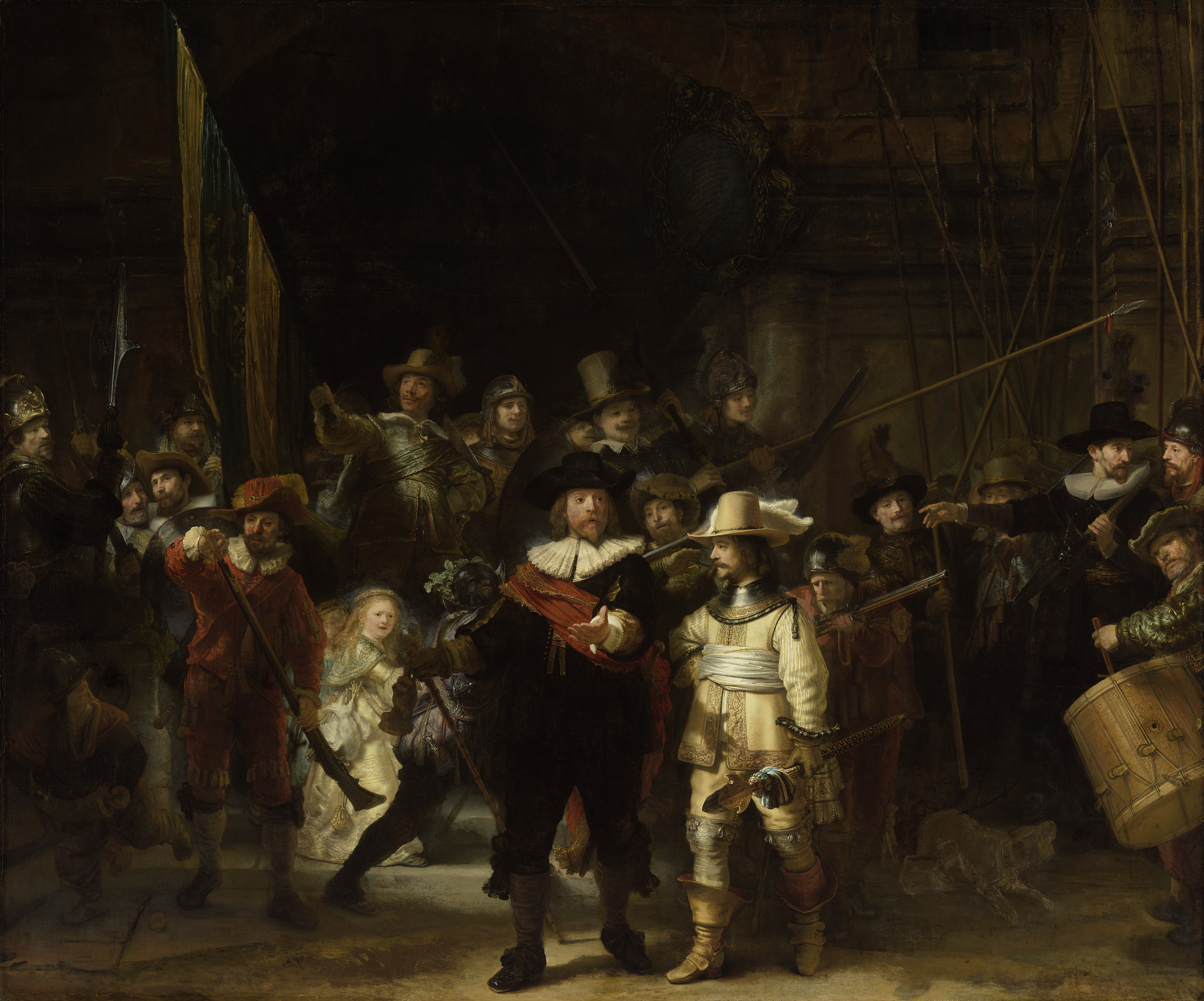
The Night Watch Militia Company of District II under the Command of Captain Frans Banninck Cocq
Rembrandt van Rijn
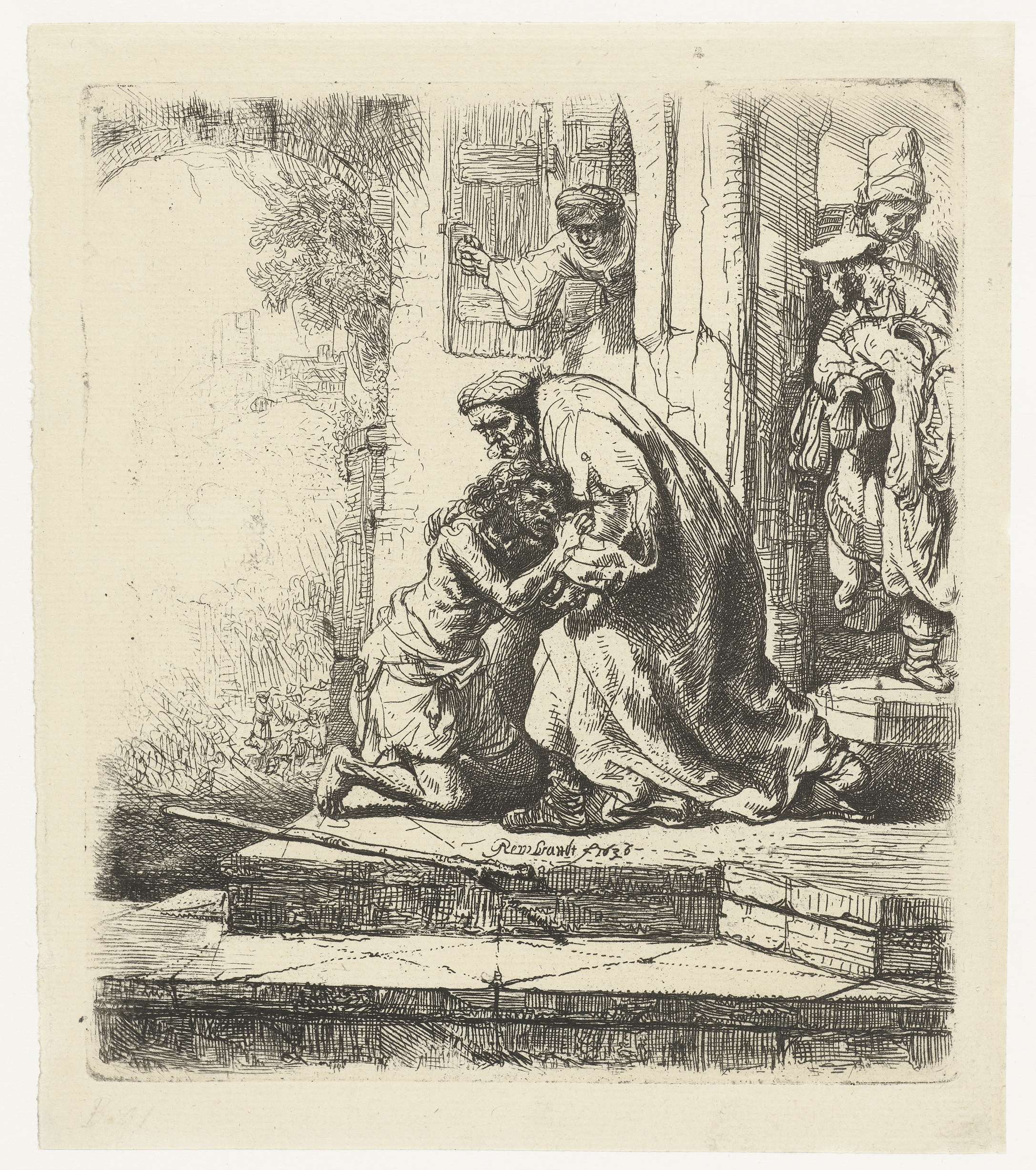
The Return of the Prodigal Son
Rembrandt van Rijn
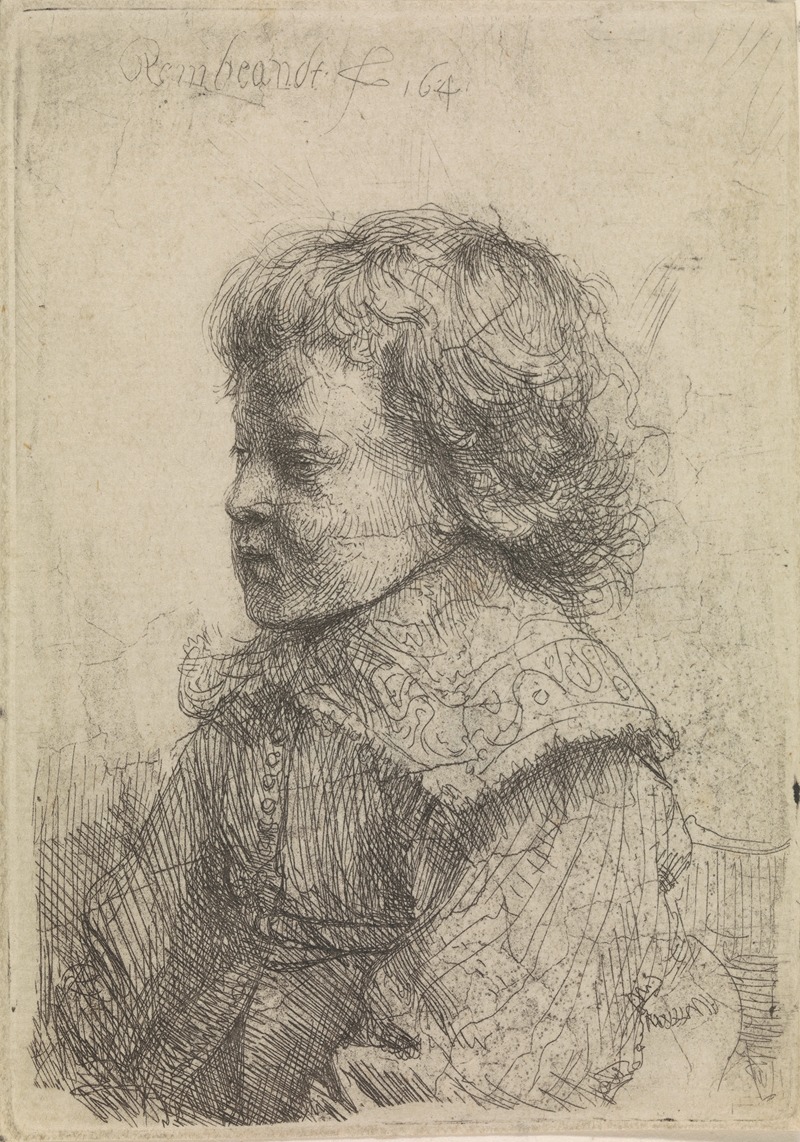
Portrait of a boy in profile
Rembrandt van Rijn
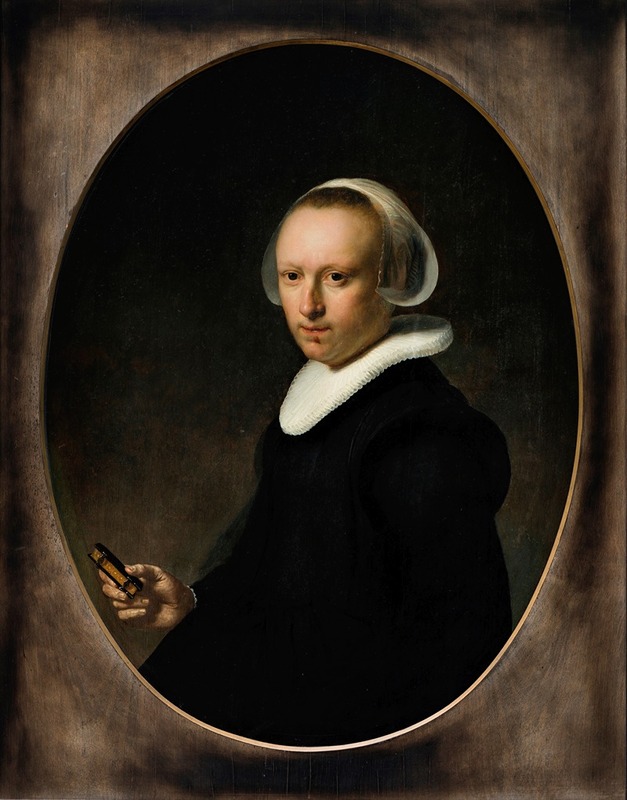
Portrait of a 39-year-old Woman
Rembrandt van Rijn
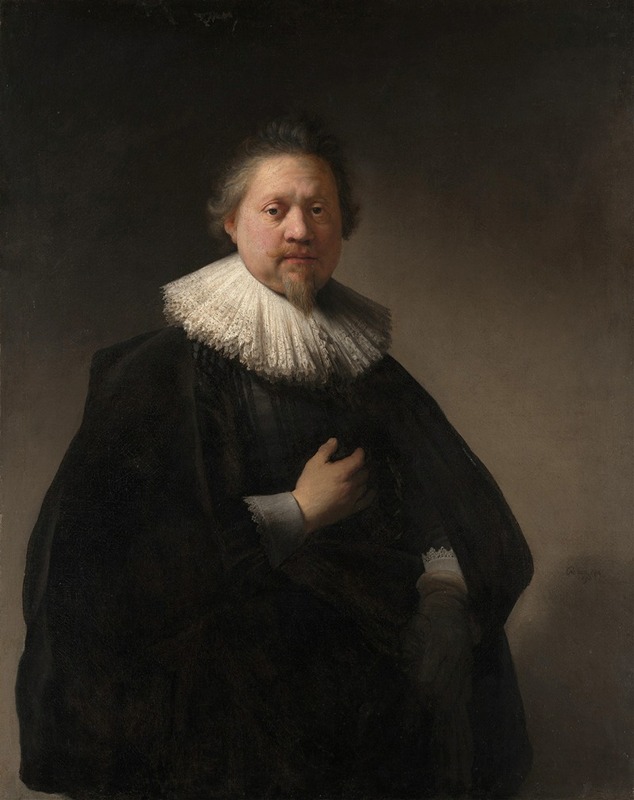
Portrait of a Man
Rembrandt van Rijn
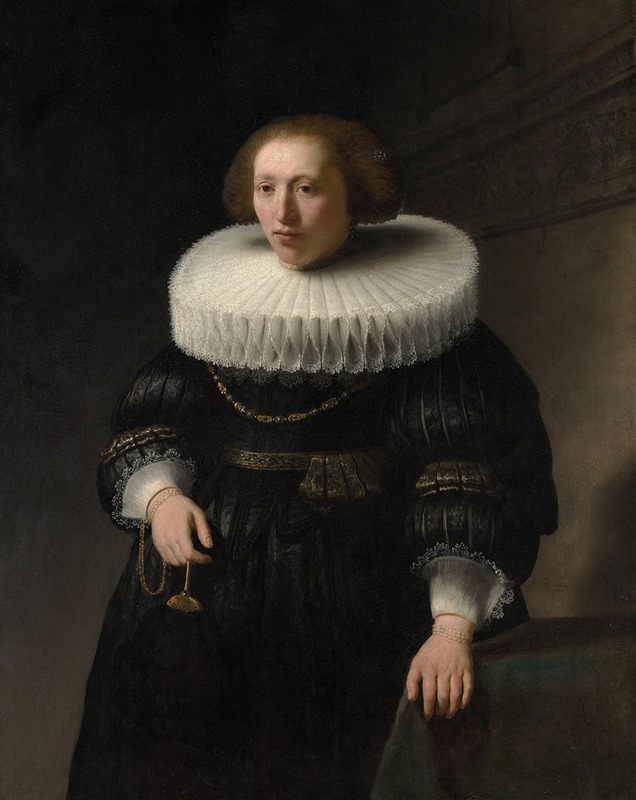
Portrait of a Woman
Rembrandt van Rijn
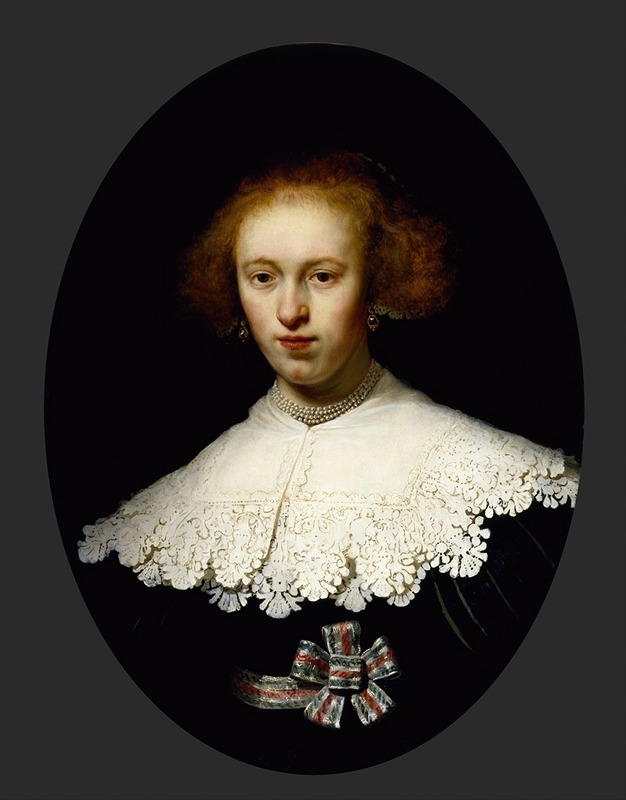
Portrait of a Young Woman
Rembrandt van Rijn
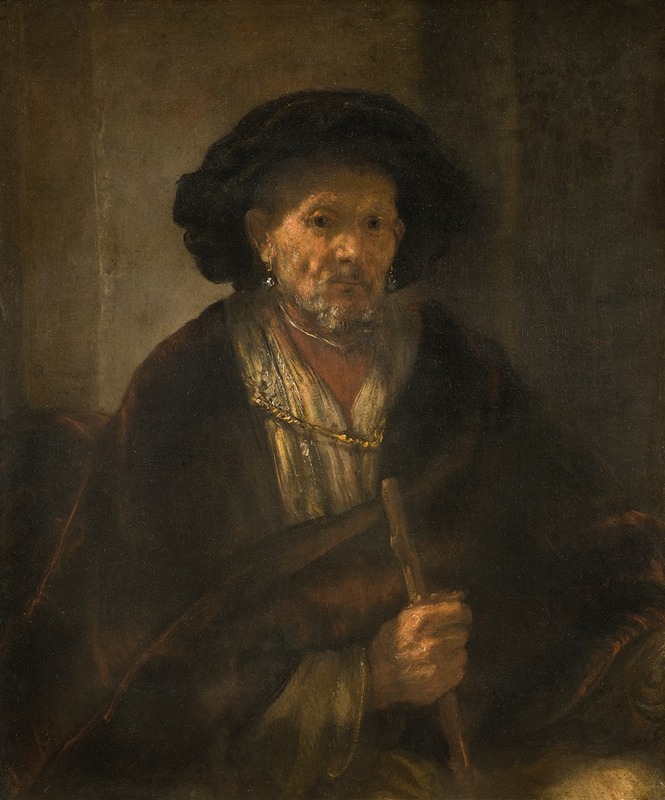
Portrait of an Old Man
Rembrandt van Rijn
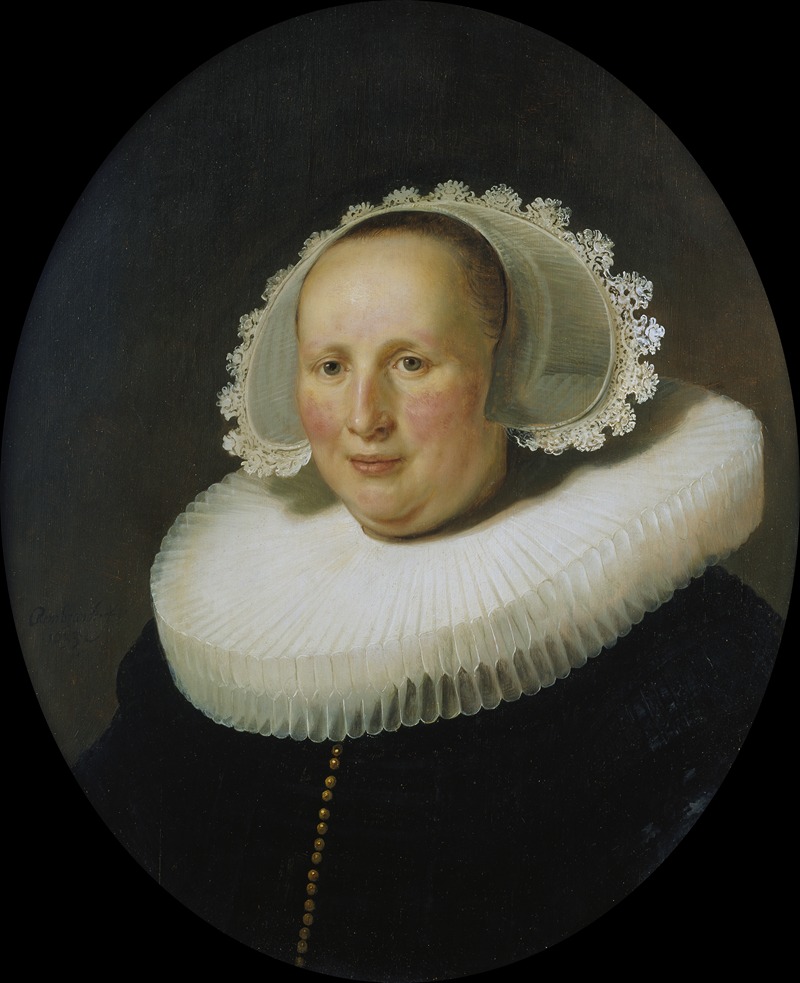
Portrait of Maertgen van Bilderbeecq
Rembrandt van Rijn
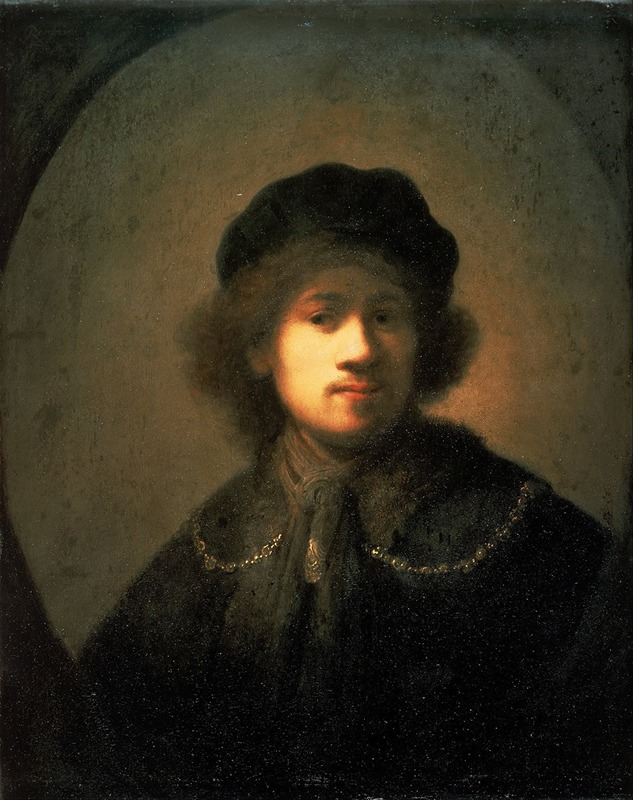
Portrait of the Artist as a Young Man
Rembrandt van Rijn