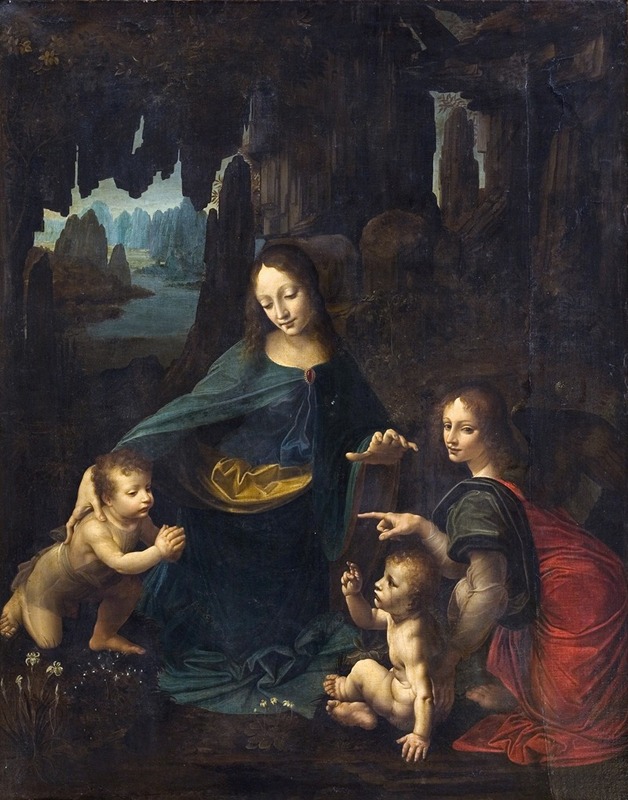
Discover insights about this artwork
Christ Presented to the People (‘The Ecce Homo’) — History & Facts
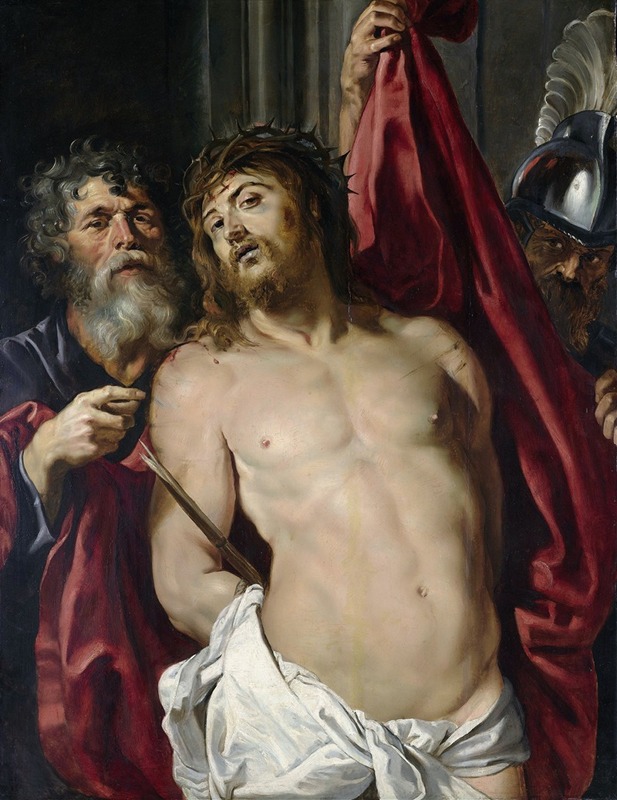
In Ecce Homo, Rembrandt presents a dramatic scene where Christ stands before the crowd. The painting is characterized by its muted color palette, dominated by browns and earthy tones. Christ's expression is one of sorrow and resignation, evoking empathy from the viewer.
Surrounding him are figures that represent the crowd, their faces a mix of curiosity and disdain. The painting is executed in oil on canvas, a common medium for Rembrandt. The use of chiaroscuro is evident, with strong contrasts between light and shadow that enhance the emotional weight of the scene. The brushwork is loose yet deliberate, allowing for a sense of movement and depth.
Viewers can appreciate the intricate details in Christ's garments and the textures of the surrounding figures. Rembrandt created Ecce Homo during the Dutch Golden Age, a time of great artistic achievement. This work reflects his deep interest in human emotion and spirituality. An interesting fact about this painting is that it was part of a larger series depicting the Passion of Christ.
Today, it resides in the Museo del Prado, showcasing Rembrandt's enduring legacy in religious art.
More Artworks by Rembrandt van Rijn
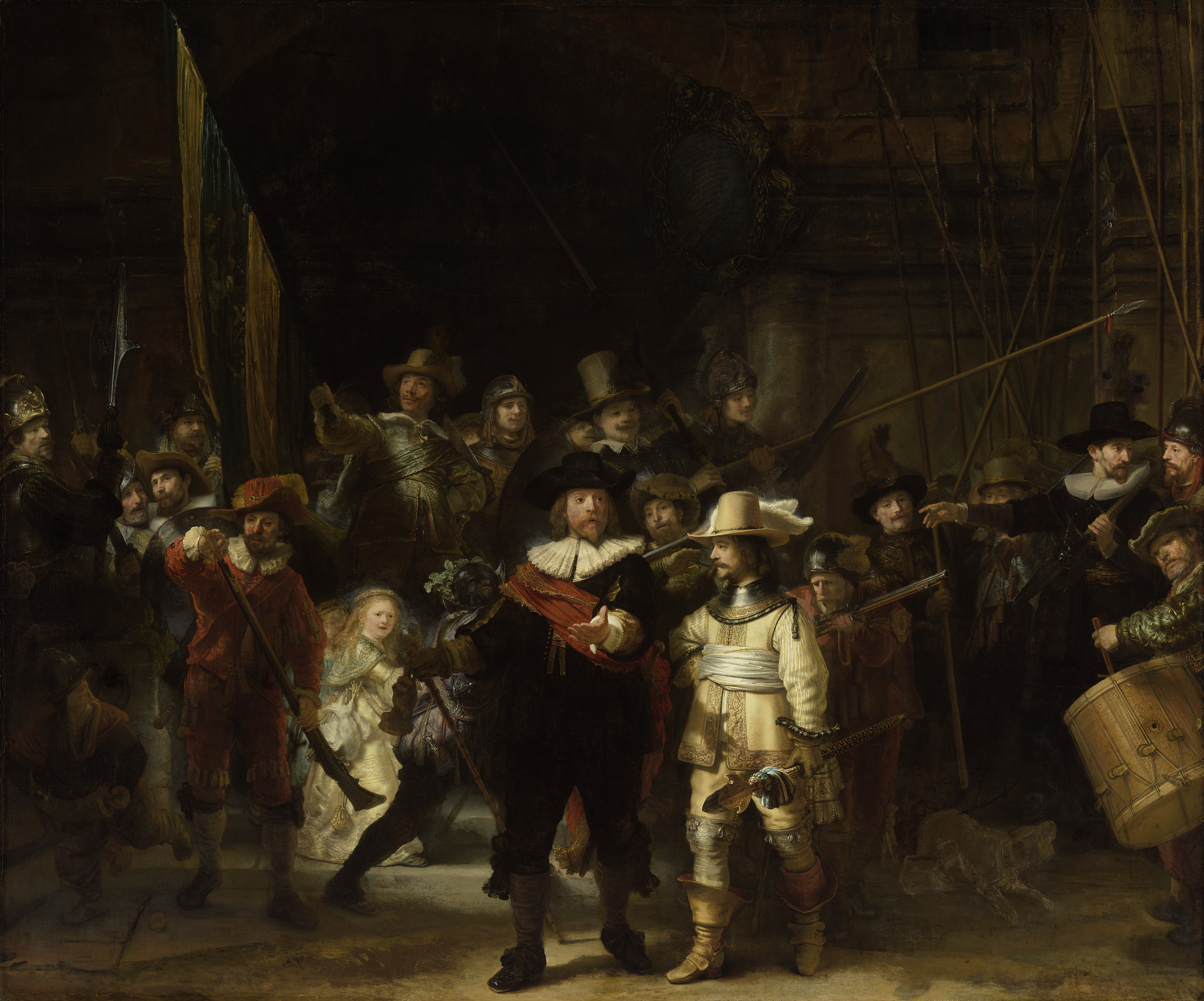
The Night Watch Militia Company of District II under the Command of Captain Frans Banninck Cocq
Rembrandt van Rijn
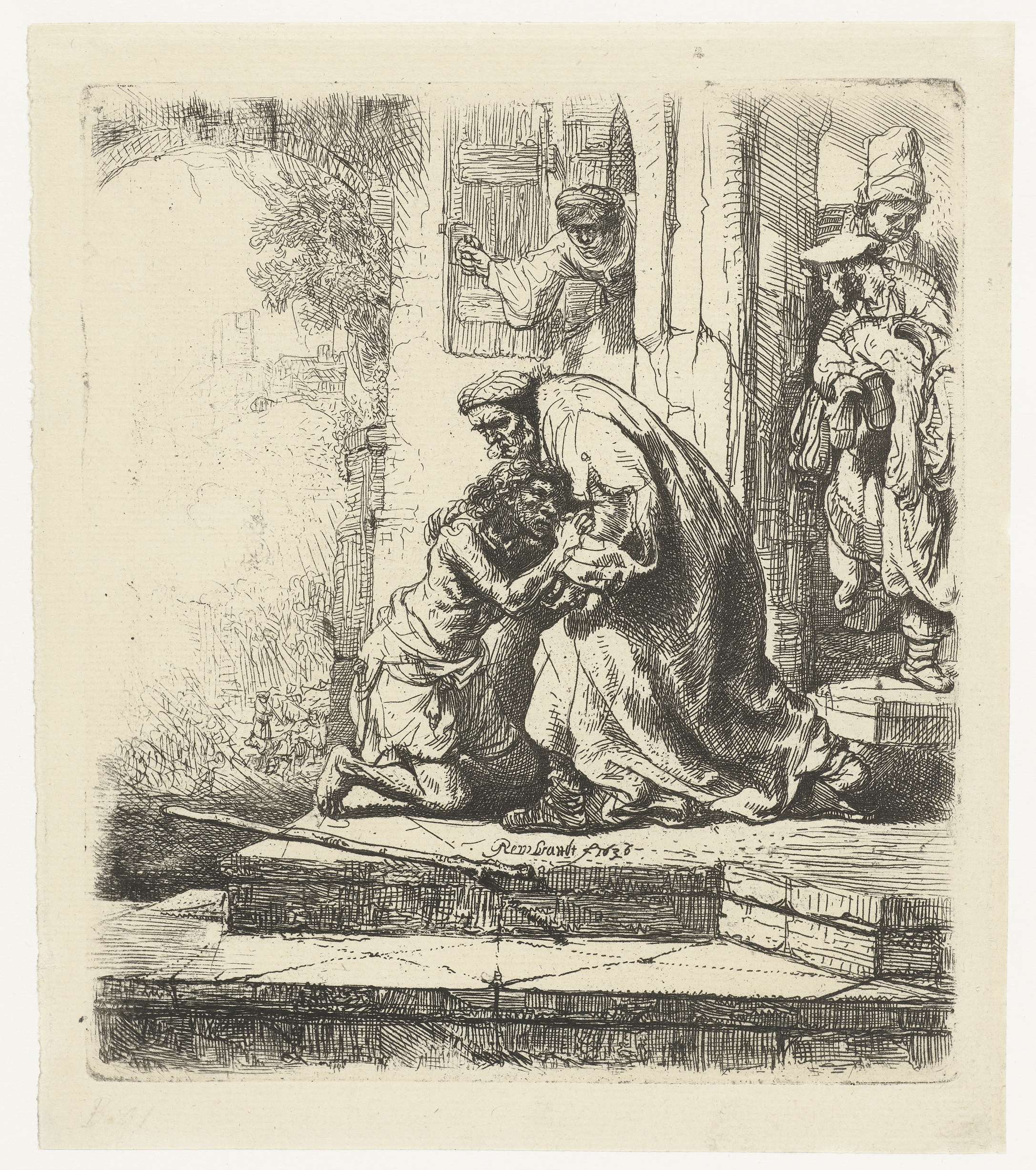
The Return of the Prodigal Son
Rembrandt van Rijn
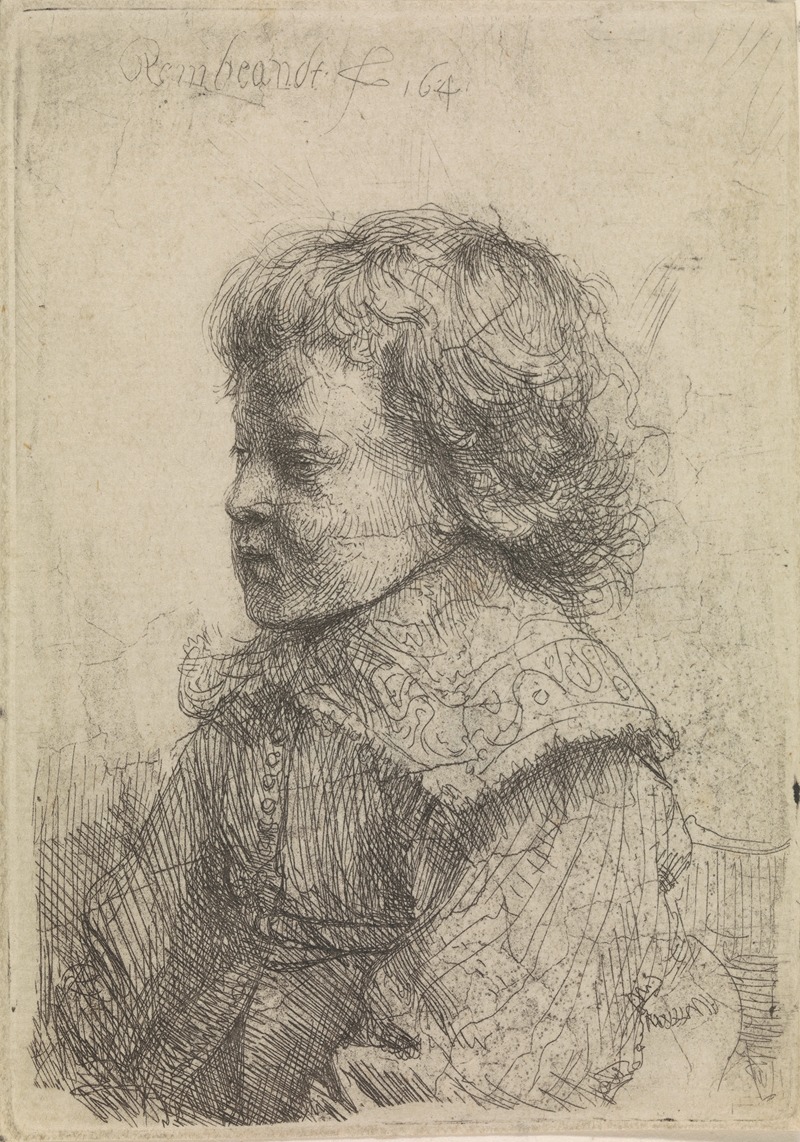
Portrait of a boy in profile
Rembrandt van Rijn
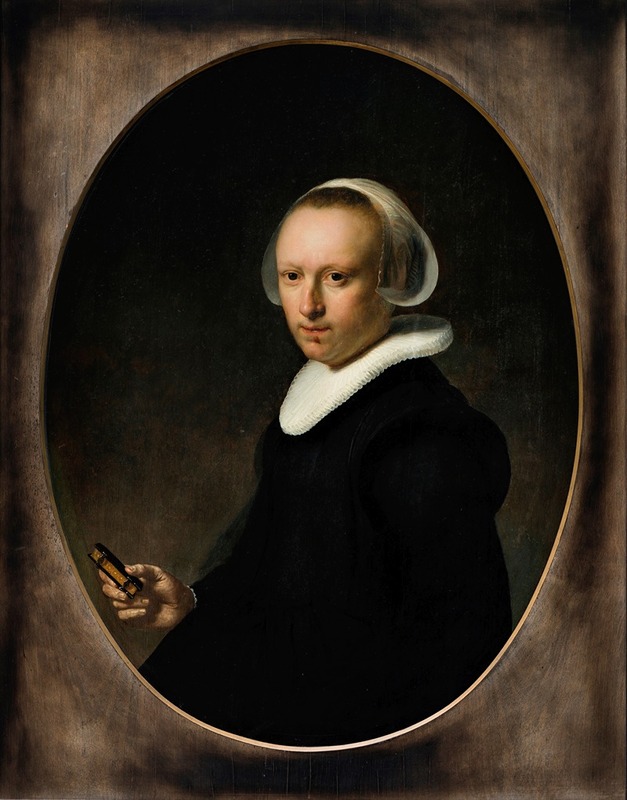
Portrait of a 39-year-old Woman
Rembrandt van Rijn
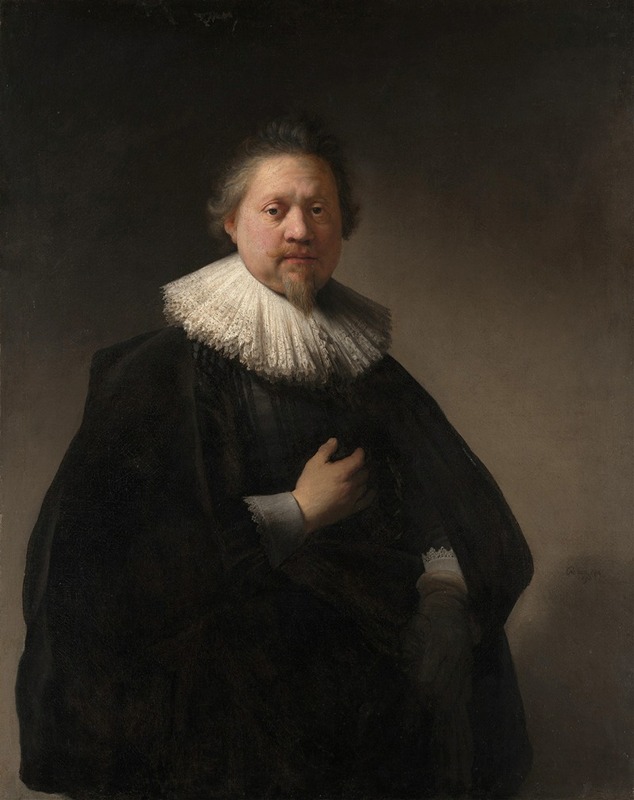
Portrait of a Man
Rembrandt van Rijn
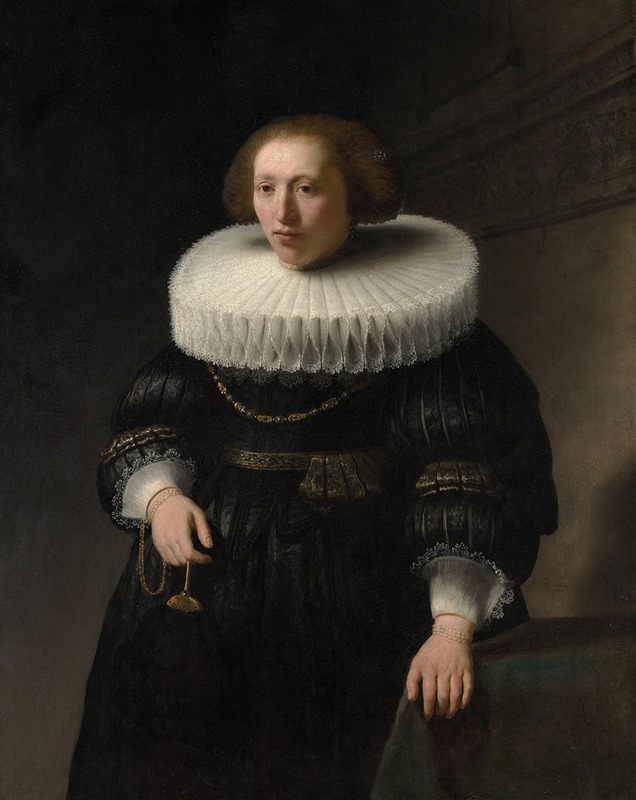
Portrait of a Woman
Rembrandt van Rijn
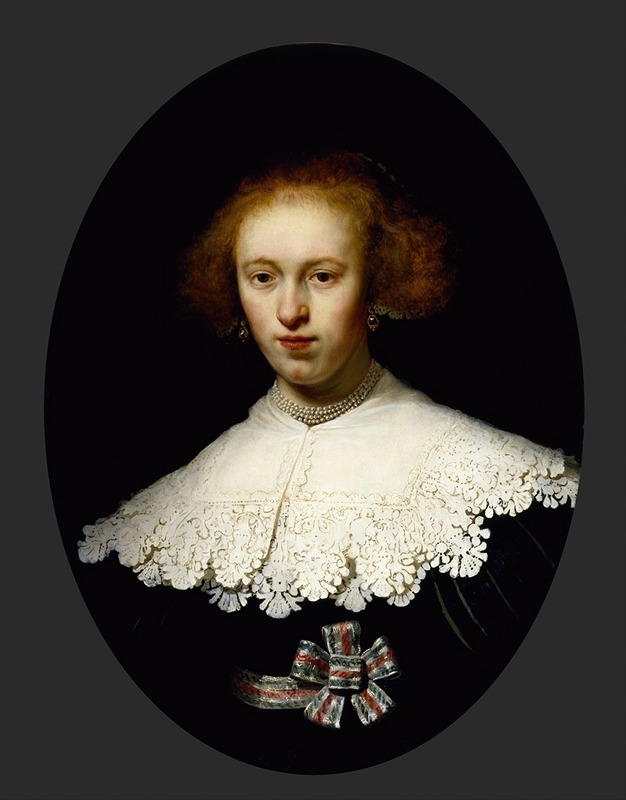
Portrait of a Young Woman
Rembrandt van Rijn
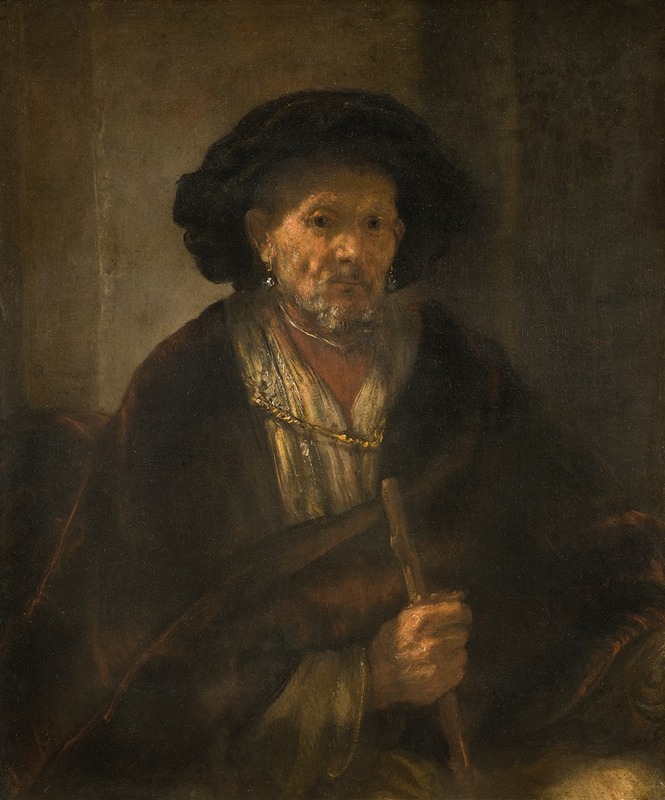
Portrait of an Old Man
Rembrandt van Rijn
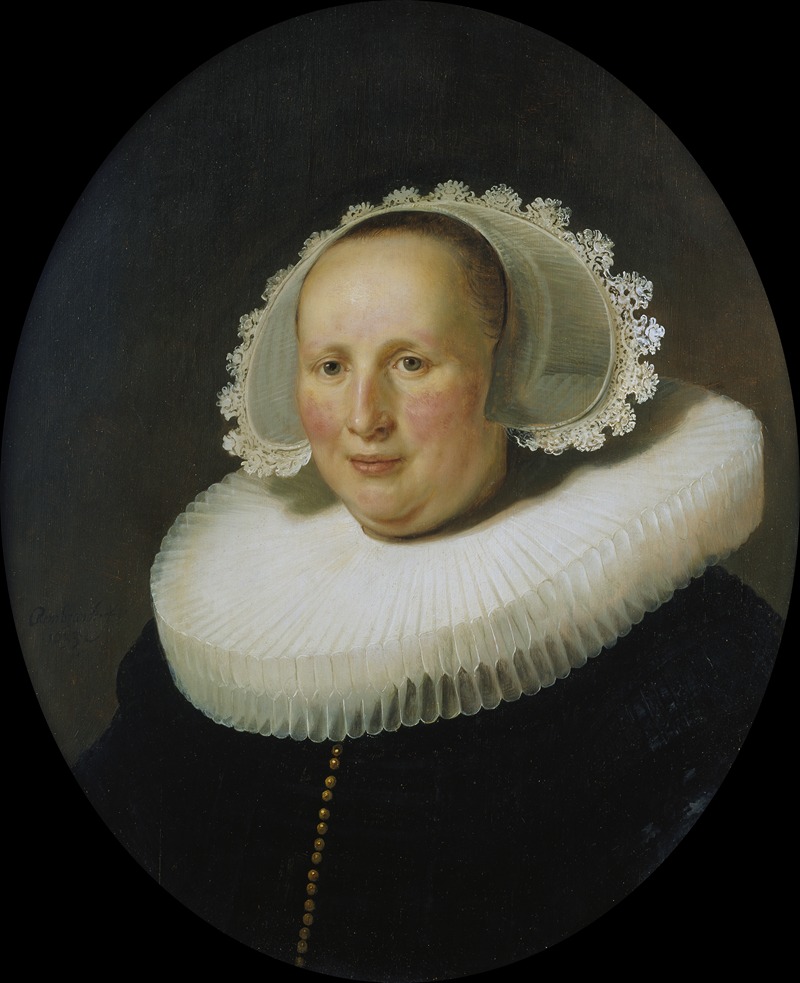
Portrait of Maertgen van Bilderbeecq
Rembrandt van Rijn
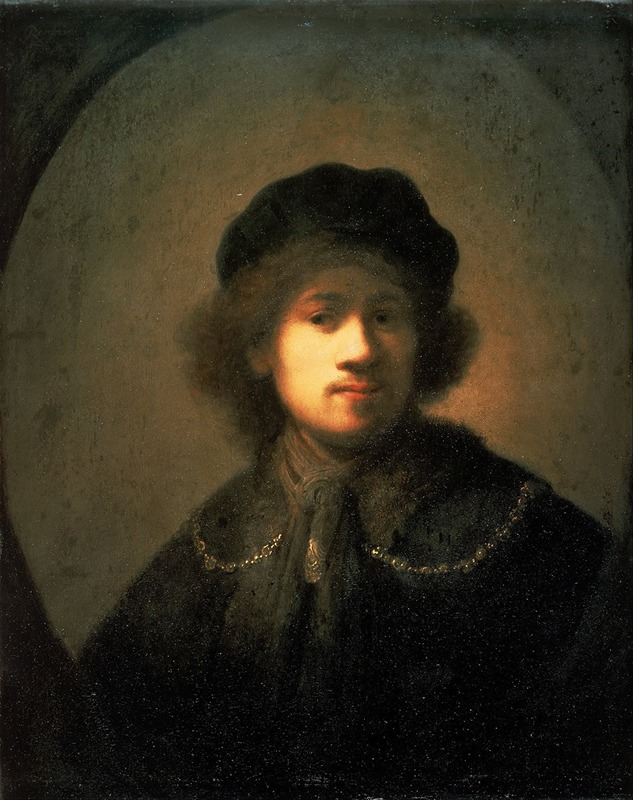
Portrait of the Artist as a Young Man
Rembrandt van Rijn