
Château de Baumais (Calvados) — History & Facts
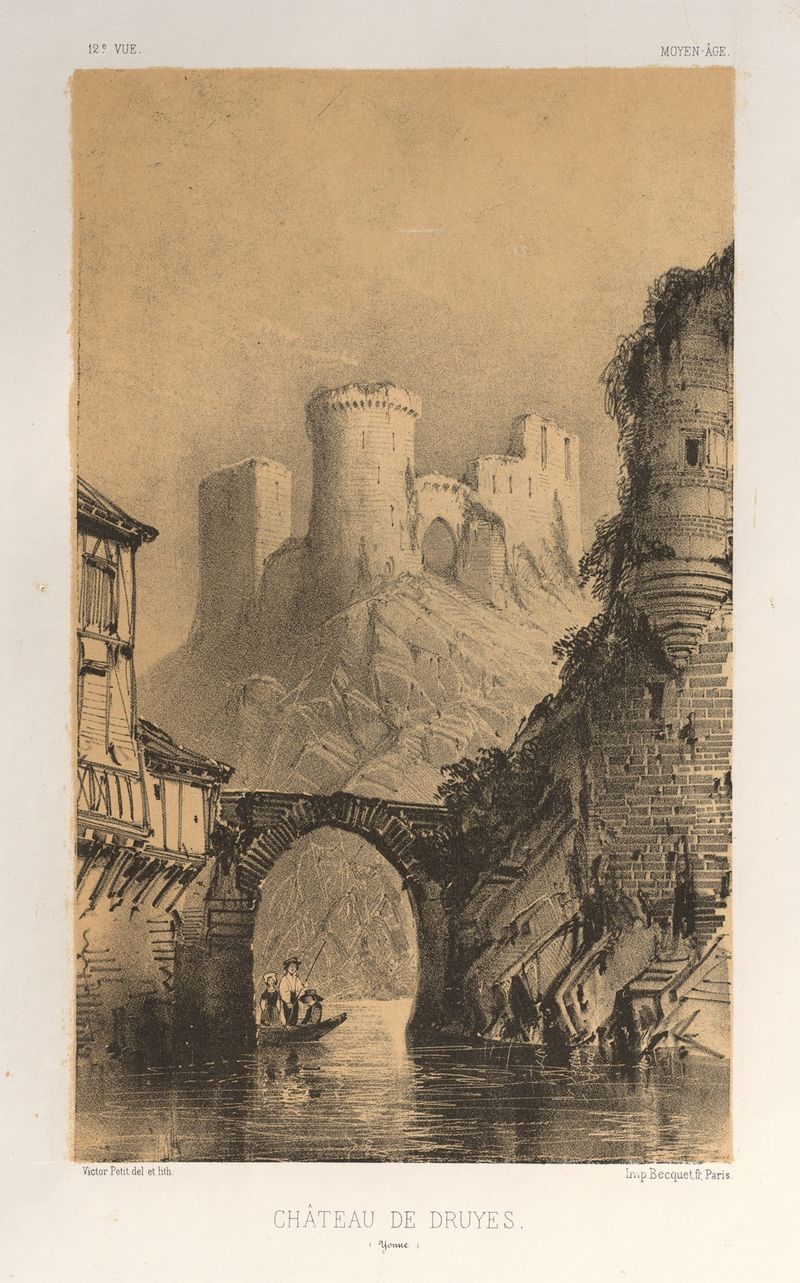
When did color learn to lie? In the delicate interplay of light and shadow, one can almost hear the whispers of fate echoing through the painted landscape. Look to the left at the lush greenery, where vibrant strokes of green and gold beckon you into a serene countryside. The gentle curve of the horizon leads the eye towards the imposing silhouette of the Château de Baumais, its stone walls bathed in a warm, inviting sunlight. The artist's brushstrokes create a tapestry of texture, from the soft foliage to the rugged architecture, enveloping the viewer in a tranquil yet dynamic embrace of nature and manmade beauty. Beneath the surface, tension simmers between the natural and the constructed.
The castle, grand yet vulnerable, stands as a testament to human ambition against the relentless march of time, while the surrounding landscape thrives in its wildness. Notice how the play of light reflects not just a moment, but a destiny intertwined with the very essence of existence—each shadow hinting at stories untold and futures yet to unfold. In 1860, Victor Petit painted this work during a time when the Romantic movement was capturing the imagination of many artists. Working in a post-Napoleonic France, he was influenced by the burgeoning appreciation for nature and the countryside as symbols of freedom and authenticity.
This painting reflects not only his personal journey but also the broader shifts in societal values and artistic expressions of the era.
More Artworks by Victor Petit
Browse all →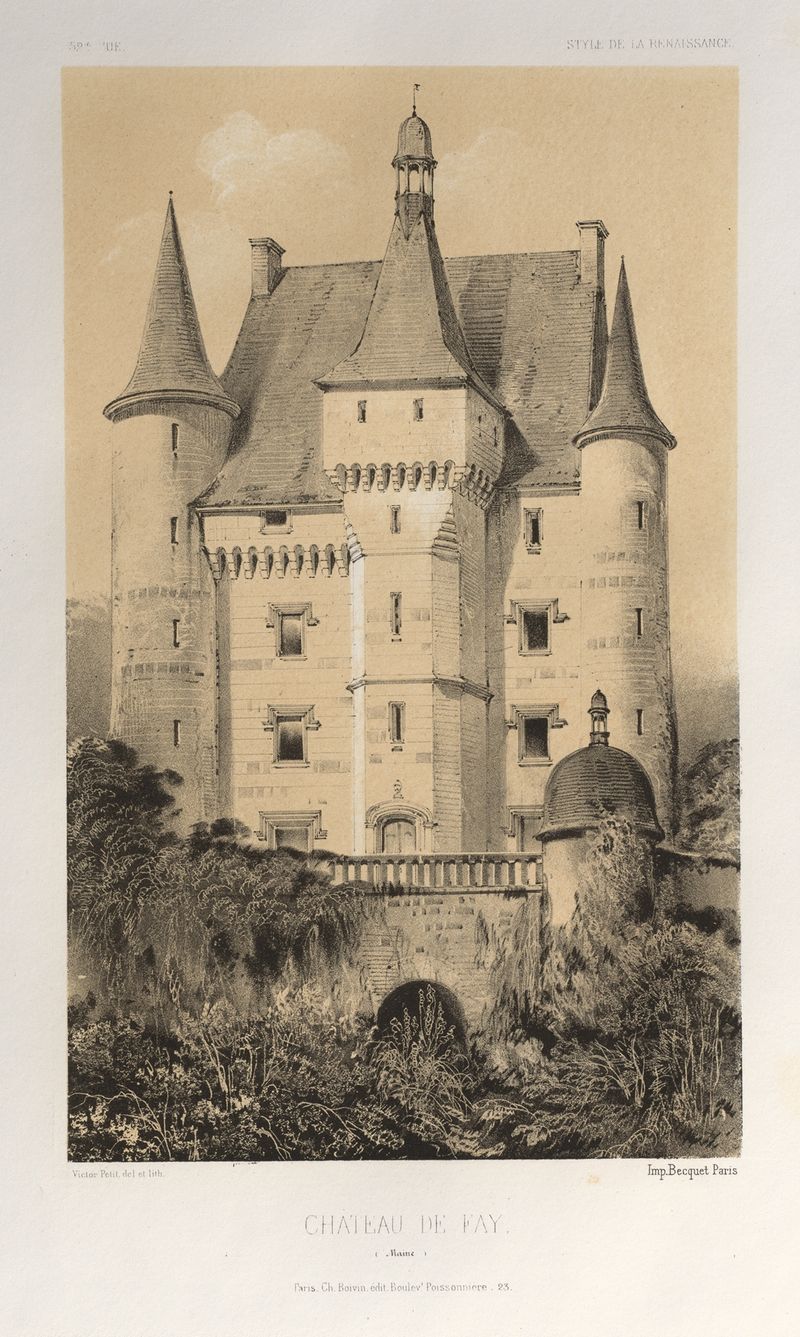
Château De Fay (Maine)
Victor Petit
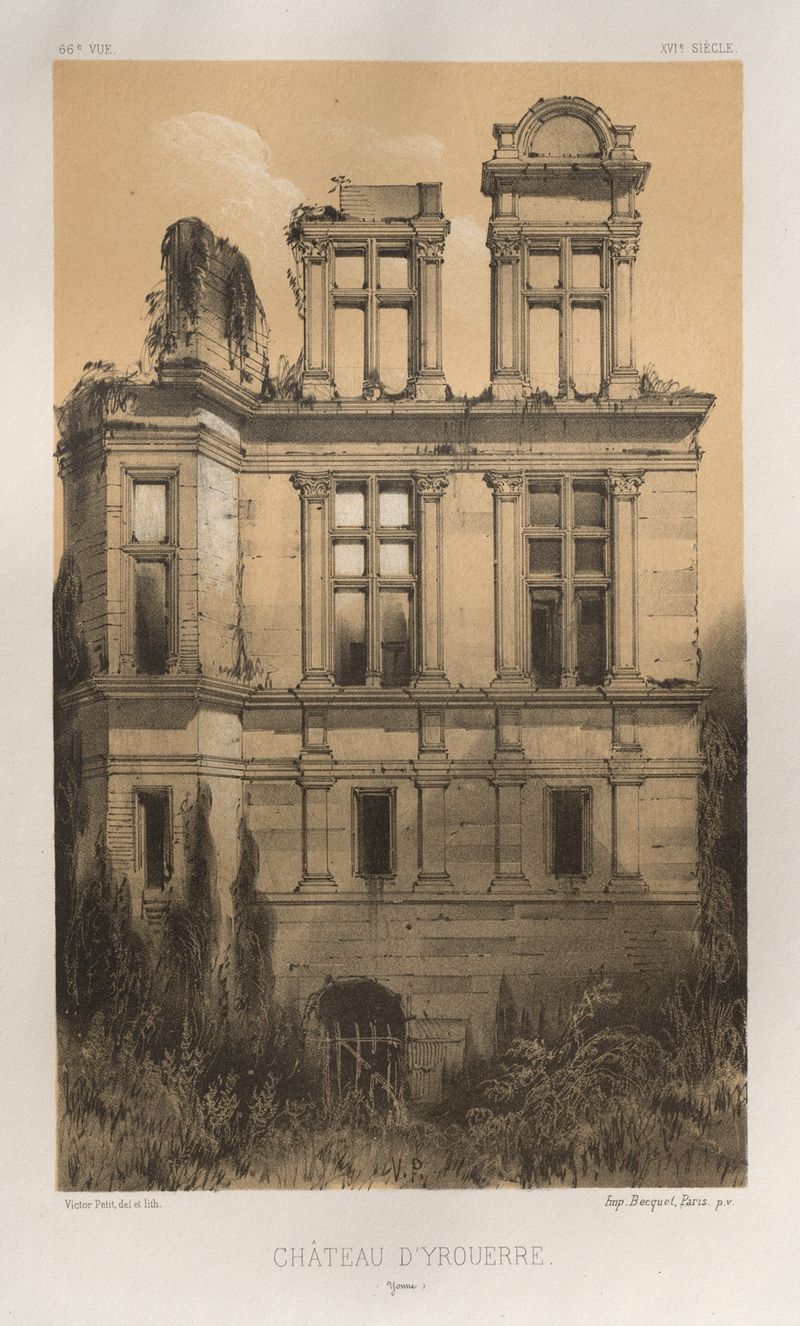
Château D’Yrouerre (Yonne)
Victor Petit
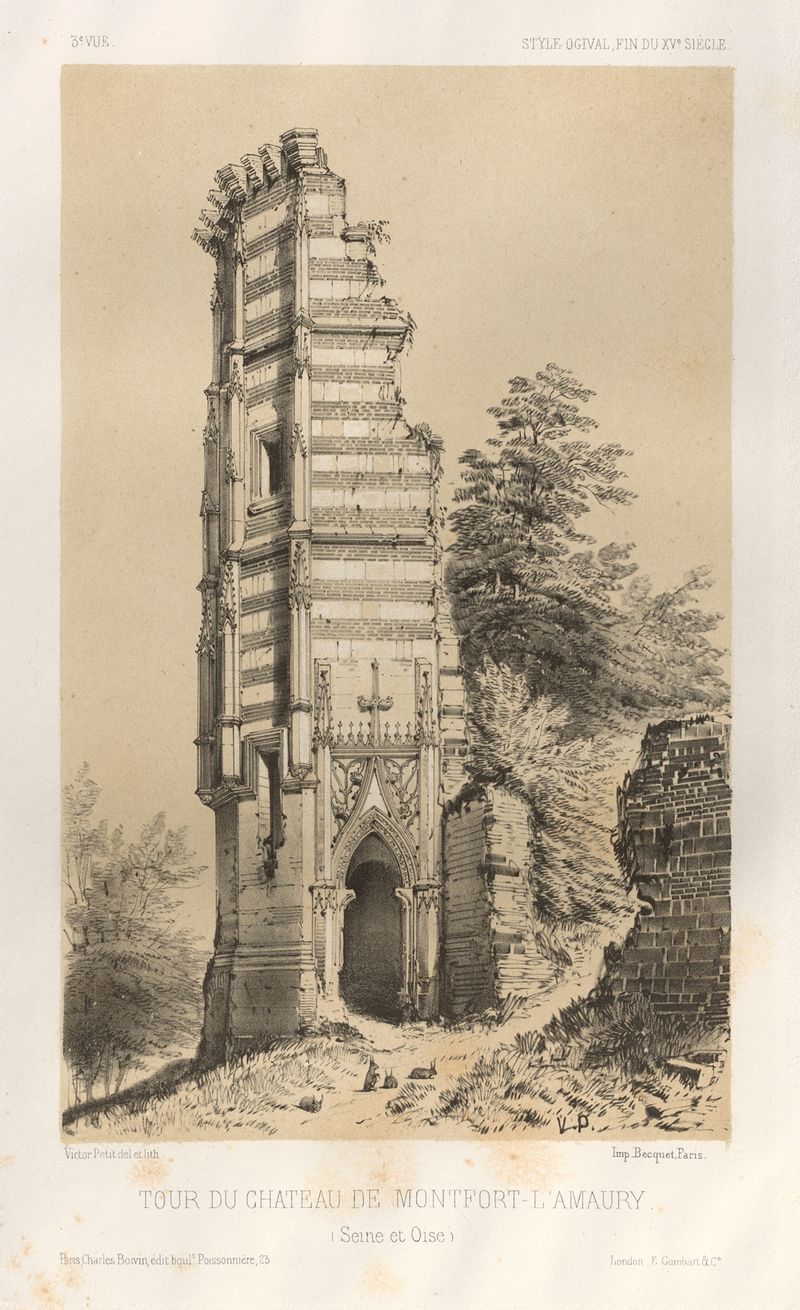
Tour du chateau de Montfort-l’Amaury (Seine-et-Oise)
Victor Petit

Tour Du Port De Marseille (Bouches Du Rhône)
Victor Petit
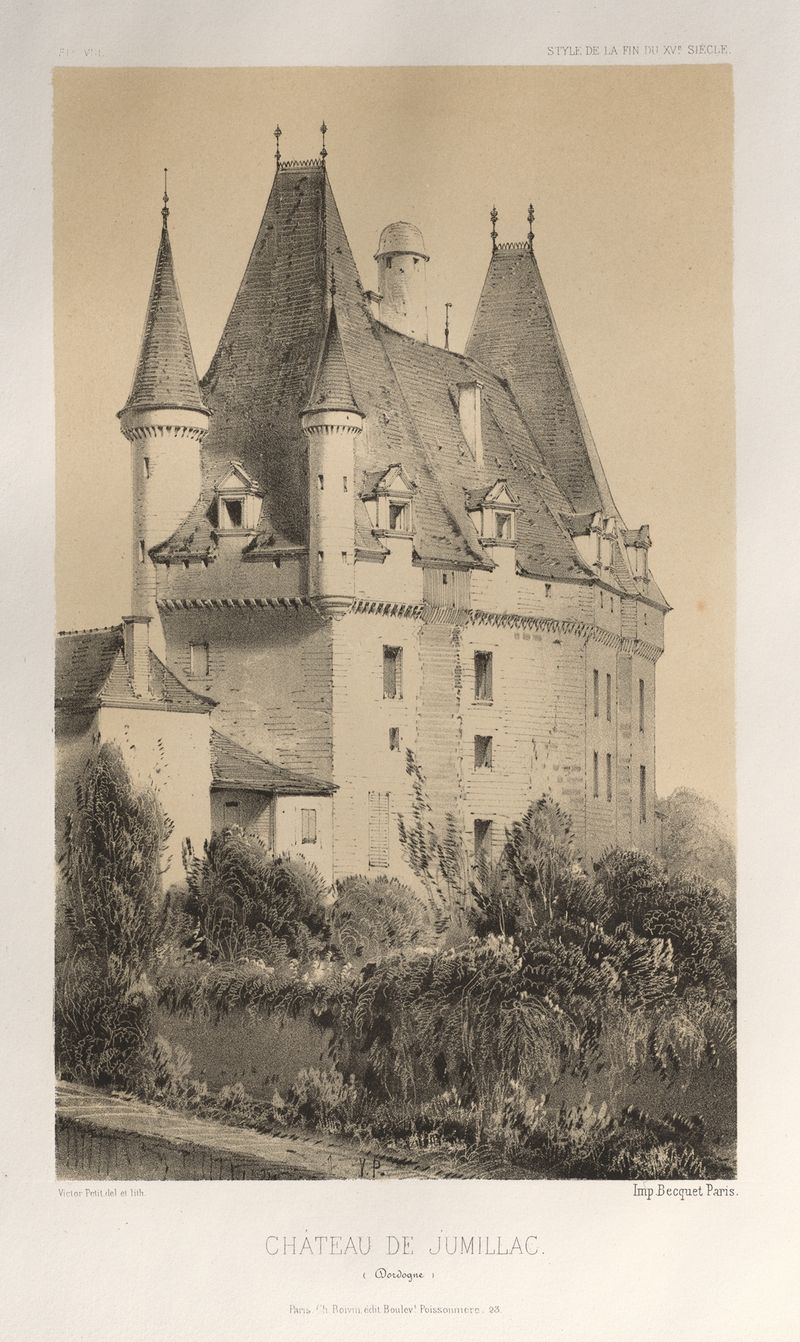
Château De Jumillac (Dordogne)
Victor Petit

Château de Tévray (Eure)
Victor Petit

Galerie Du Château De Jouancy (Saone et Loire)
Victor Petit

Château De Mello (Oise)
Victor Petit
Chateau De Druyes (Yonne)
Victor Petit

Le ChasteLet-Neuf (Corrèze)
Victor Petit





