
Château de Bernesq (Calvados) — History & Facts
How do we capture the essence of a place in a single moment of time, transforming the ordinary into the extraordinary? This question looms large over the canvas, inviting the viewer to step into the world that unfolds within its borders. Focus first on the grand façade of the château, prominently situated at the center of the composition. Notice how the light bathes the historic structure, illuminating its intricacies in warm, golden hues while casting gentle shadows that hint at the passage of time. The surrounding landscape, rendered with soft greens and deep blues, serves as a serene backdrop, enhancing the château's stoic presence.
The careful brushwork brings to life the texture of the stone and foliage, creating a harmonious balance between the manmade and the natural. Delve deeper into the subtle contrasts embedded within the scene. The rigid, angular architecture of the château stands in stark contrast to the free-flowing forms of the trees and clouds above, symbolizing the tension between civilization and nature. The gentle ripples in the water reflect not only the château but also the ephemeral beauty of the moment, evoking feelings of nostalgia and longing.
Each detail, from the meticulously painted windows to the leaves fluttering in the breeze, whispers stories of lives once lived within those walls. In 1860, Victor Petit painted this serene landscape during a time of great artistic exploration in France. The mid-19th century was marked by the rise of realism and impressionism, as artists sought to capture the world around them with unprecedented authenticity. Petit, influenced by these movements, created Château de Bernesq amidst a burgeoning appreciation for plein air painting, reflecting both a personal and cultural journey towards embracing the beauty of the commonplace.
More Artworks by Victor Petit
Browse all →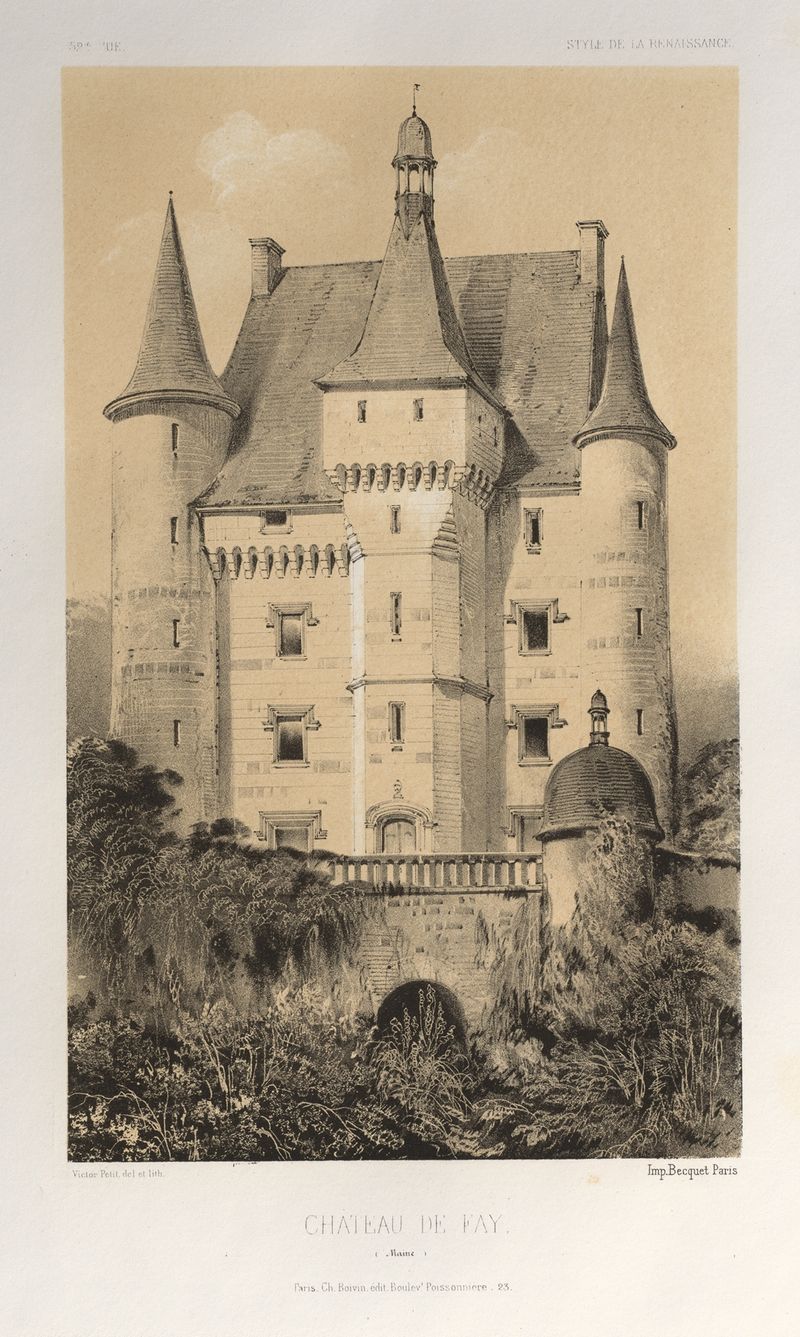
Château De Fay (Maine)
Victor Petit
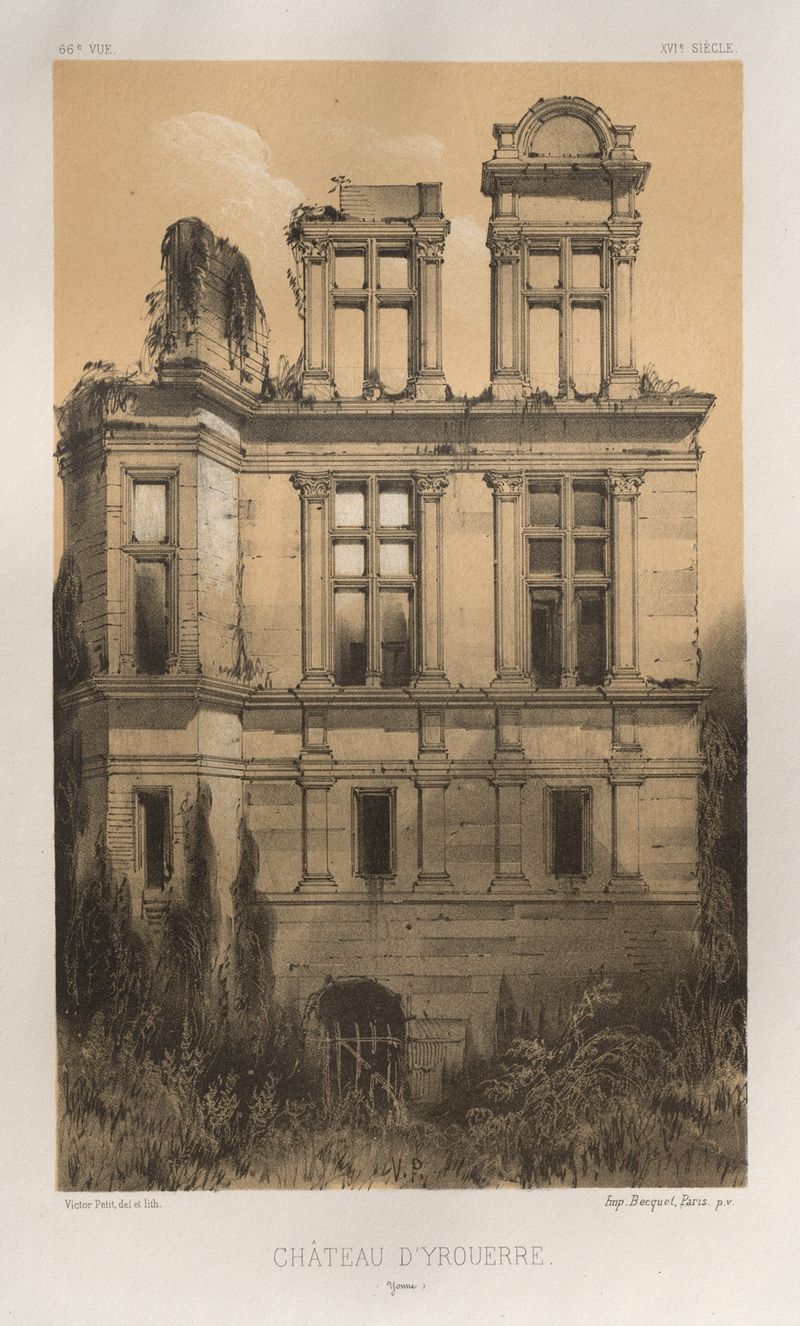
Château D’Yrouerre (Yonne)
Victor Petit
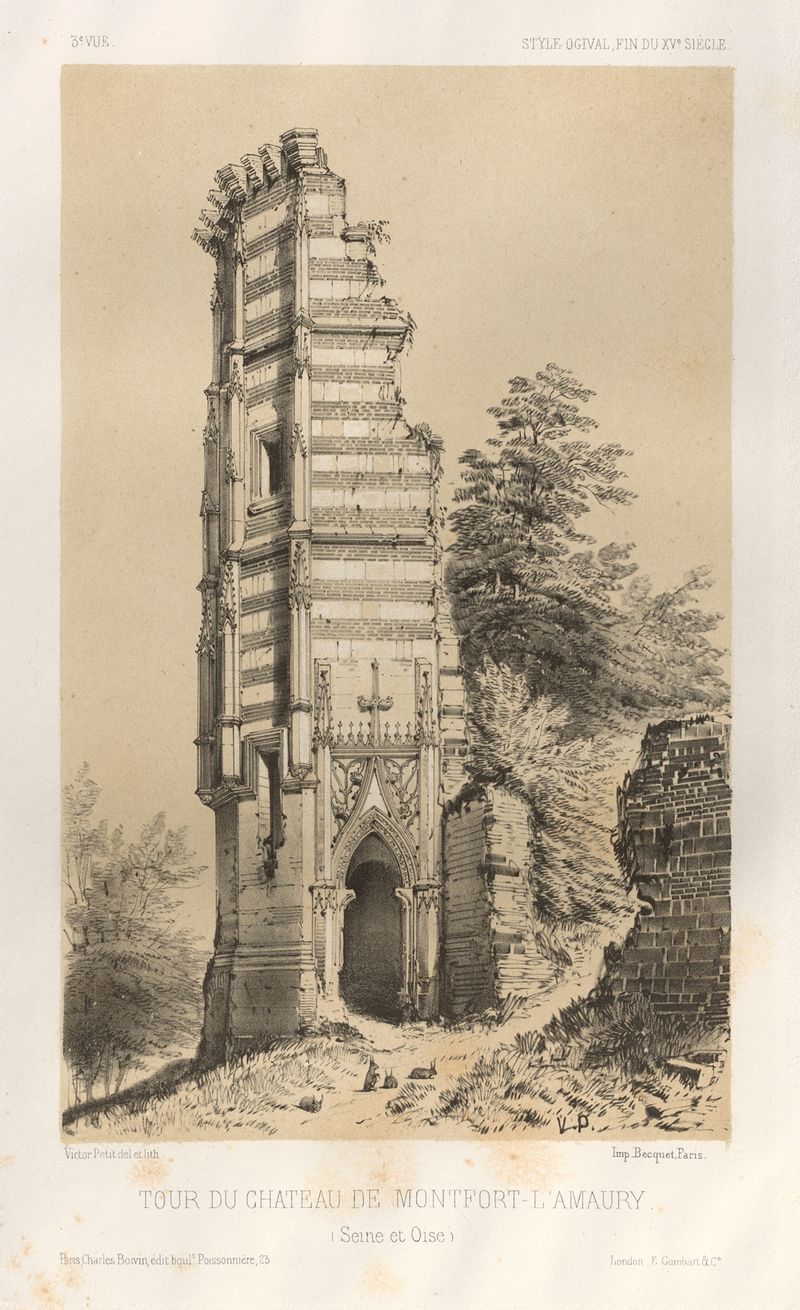
Tour du chateau de Montfort-l’Amaury (Seine-et-Oise)
Victor Petit

Tour Du Port De Marseille (Bouches Du Rhône)
Victor Petit
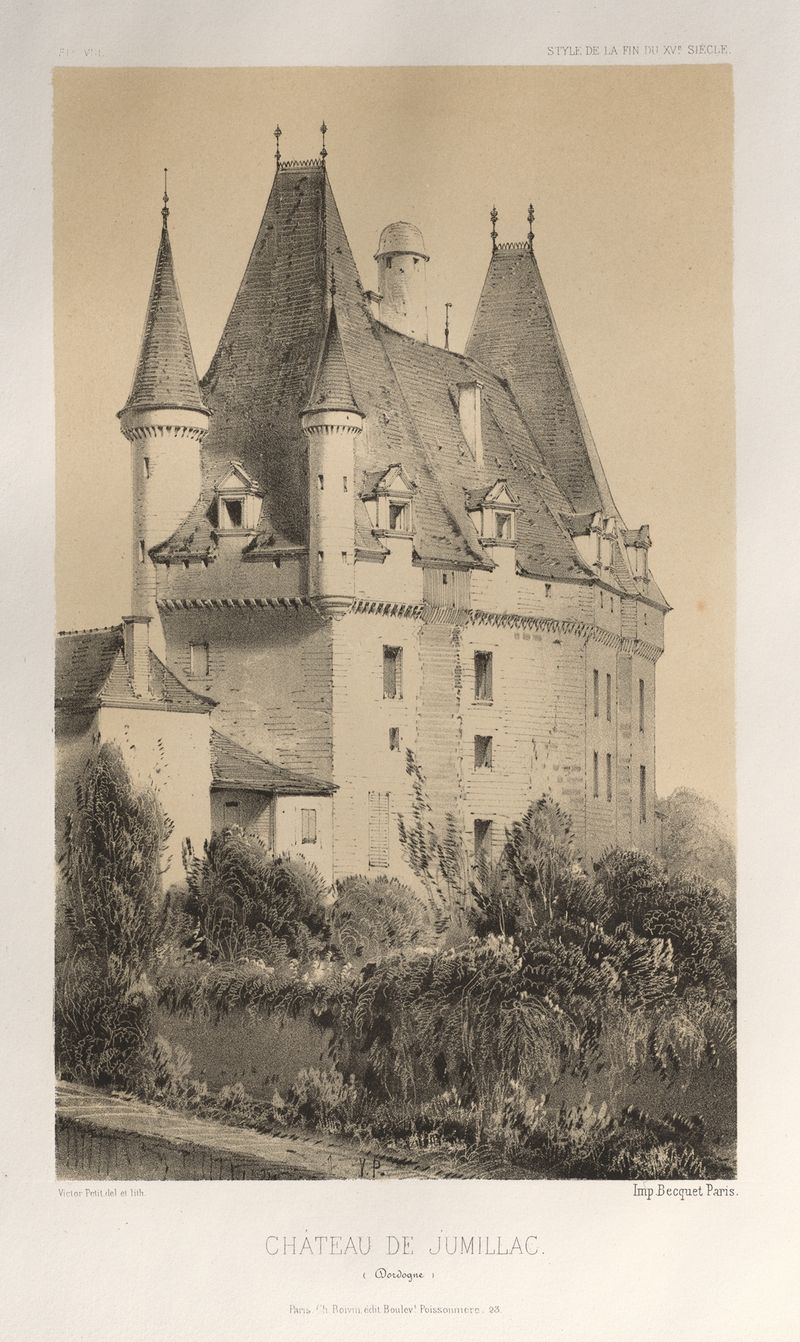
Château De Jumillac (Dordogne)
Victor Petit

Château de Tévray (Eure)
Victor Petit

Galerie Du Château De Jouancy (Saone et Loire)
Victor Petit

Château De Mello (Oise)
Victor Petit
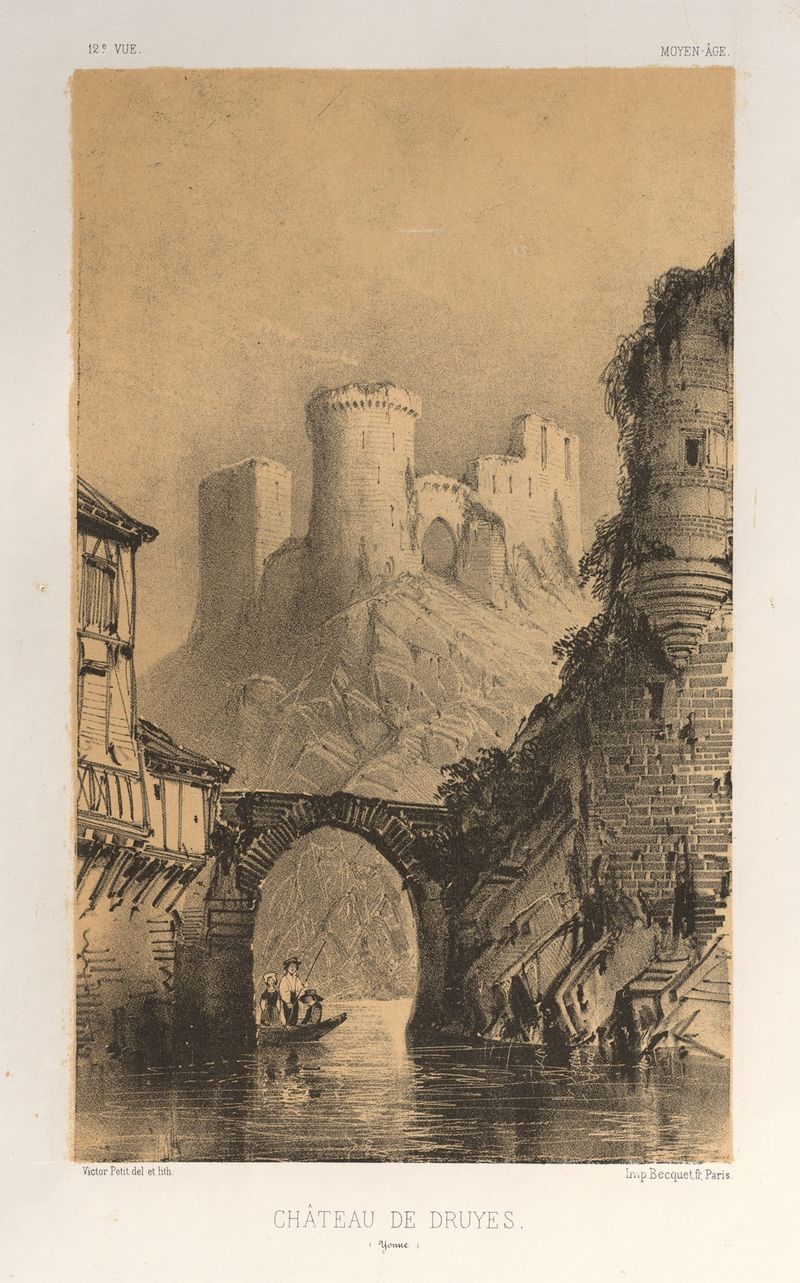
Chateau De Druyes (Yonne)
Victor Petit

Le ChasteLet-Neuf (Corrèze)
Victor Petit
More Architecture Art
Browse all →
The statue of Liberty
Frédéric Auguste Bartholdi

View of Houses in Delft, Known as ‘The Little Street’
Johannes Vermeer

View of Houses in Delft, Known as ‘The Little Street’
Johannes Vermeer

The Cathedral in Rouen. The portal, Grey Weather
Claude Monet

The yellow house
Vincent van Gogh

The Church in Auvers-sur-Oise, View from the Chevet
Vincent van Gogh