
Château de Cramesnil (Calvados) — History & Facts
In the tranquil embrace of nature, where solitude stirs the heart, lies a poignant reminder of human longing and isolation. Look to the left at the soft hues of green and gold that envelop the Château, its weathered stones standing resilient against the passage of time. The play of light across the façade captures a fleeting moment, blending the built environment with its lush surroundings. Notice how the gentle brushwork creates a sense of distance, allowing the viewer to feel both the charm of the scene and the weight of its loneliness. Amidst the serene beauty, hidden meanings surface through the contrasts within the painting.
The juxtaposition of the vibrant landscape against the stillness of the château suggests a yearning for connection, a reminder of what lies beyond the walls. Each blade of grass and rustling leaf whispers tales of solitude, while the structure itself stands as a metaphor for isolation, hinting at stories untold. Victor Petit painted this work in 1860 during a time when France was experiencing significant social and artistic shifts, marked by the rise of Romanticism. Living in Calvados, he found inspiration in the natural beauty surrounding him while grappling with personal feelings of estrangement.
This piece reflects not only his artistic journey but also the broader themes of loneliness and introspection that characterized the era's art.
More Artworks by Victor Petit
Browse all →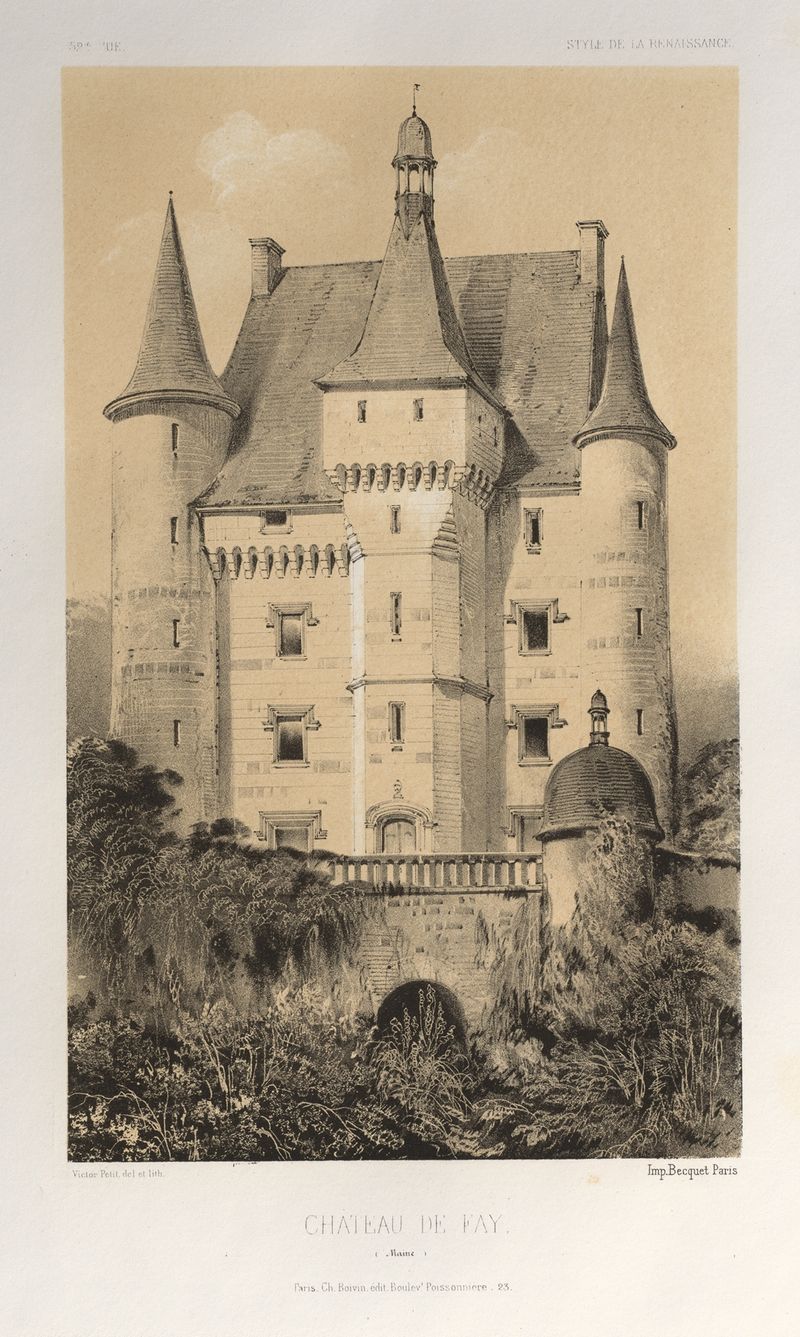
Château De Fay (Maine)
Victor Petit
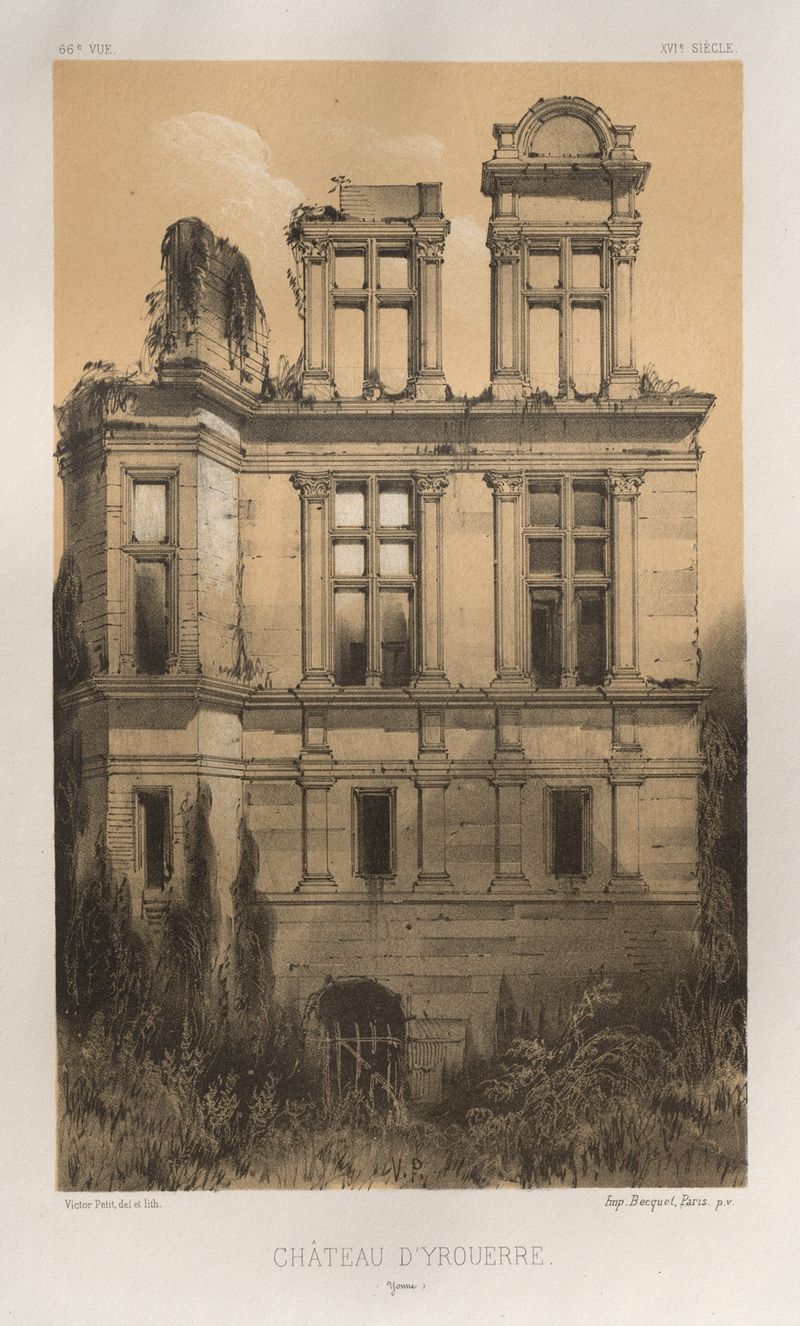
Château D’Yrouerre (Yonne)
Victor Petit
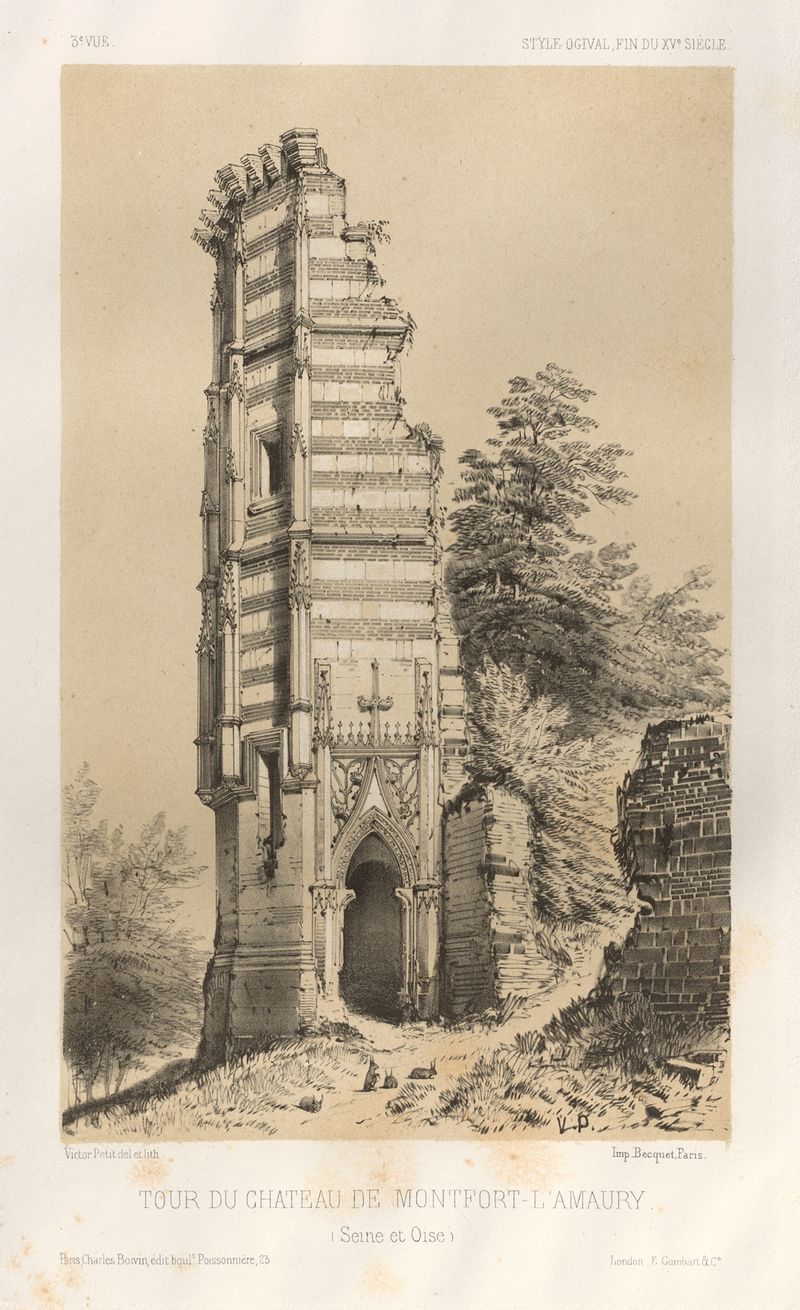
Tour du chateau de Montfort-l’Amaury (Seine-et-Oise)
Victor Petit

Tour Du Port De Marseille (Bouches Du Rhône)
Victor Petit
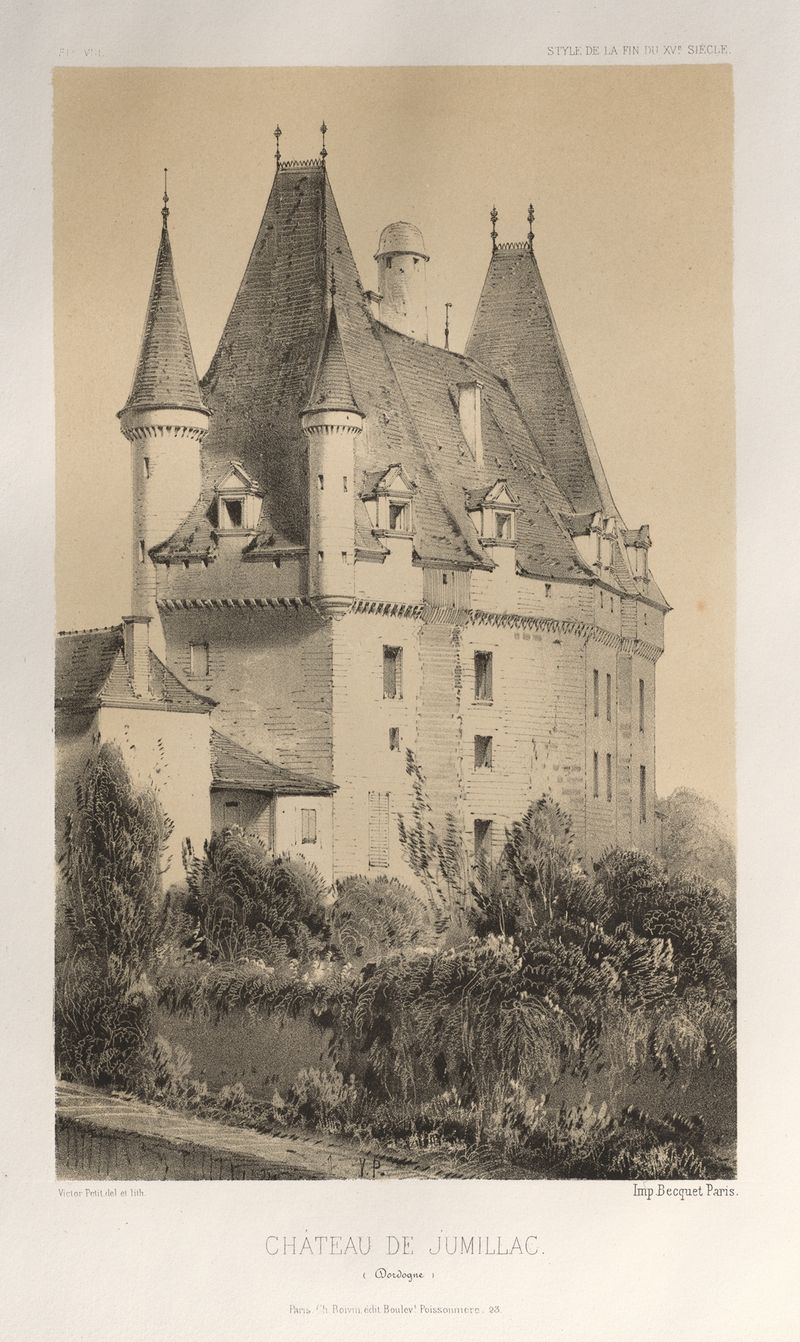
Château De Jumillac (Dordogne)
Victor Petit

Château de Tévray (Eure)
Victor Petit

Galerie Du Château De Jouancy (Saone et Loire)
Victor Petit

Château De Mello (Oise)
Victor Petit
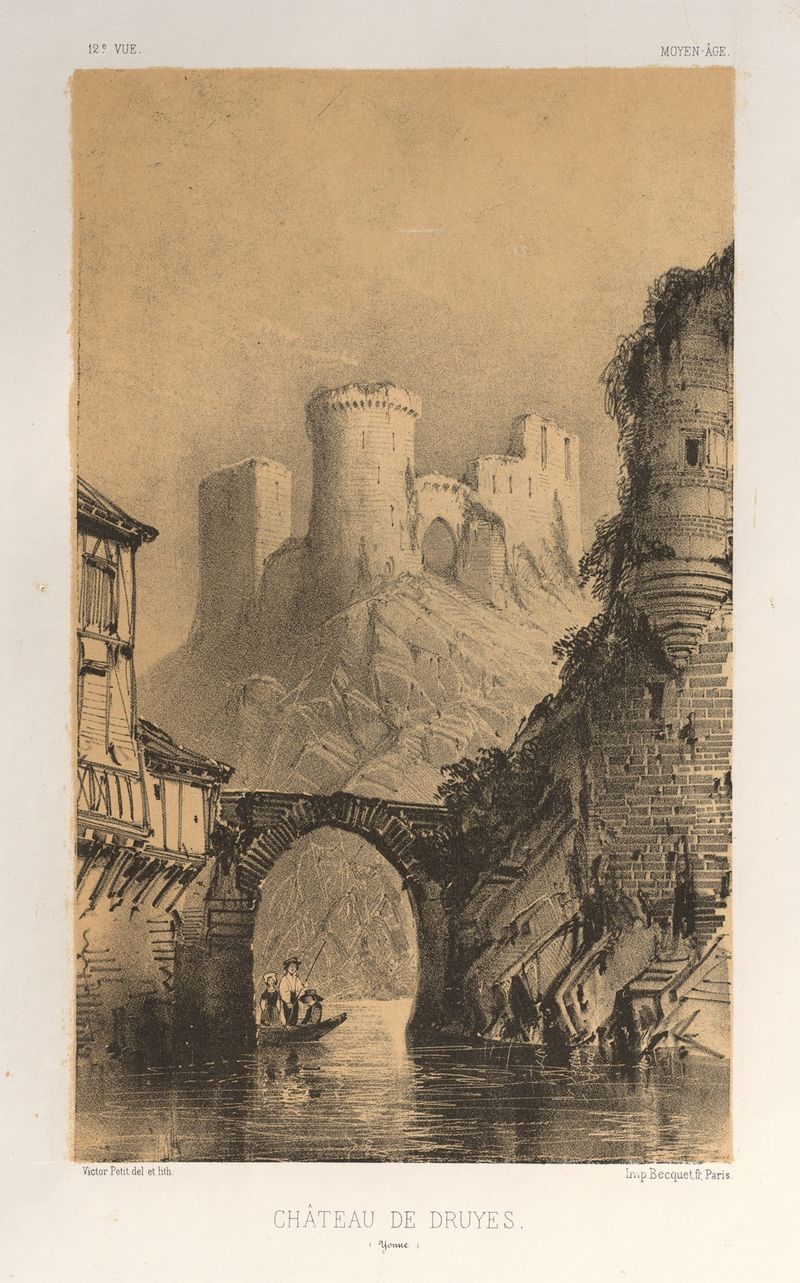
Chateau De Druyes (Yonne)
Victor Petit

Le ChasteLet-Neuf (Corrèze)
Victor Petit





