
Château De La Motte (Mayenne) — History & Facts
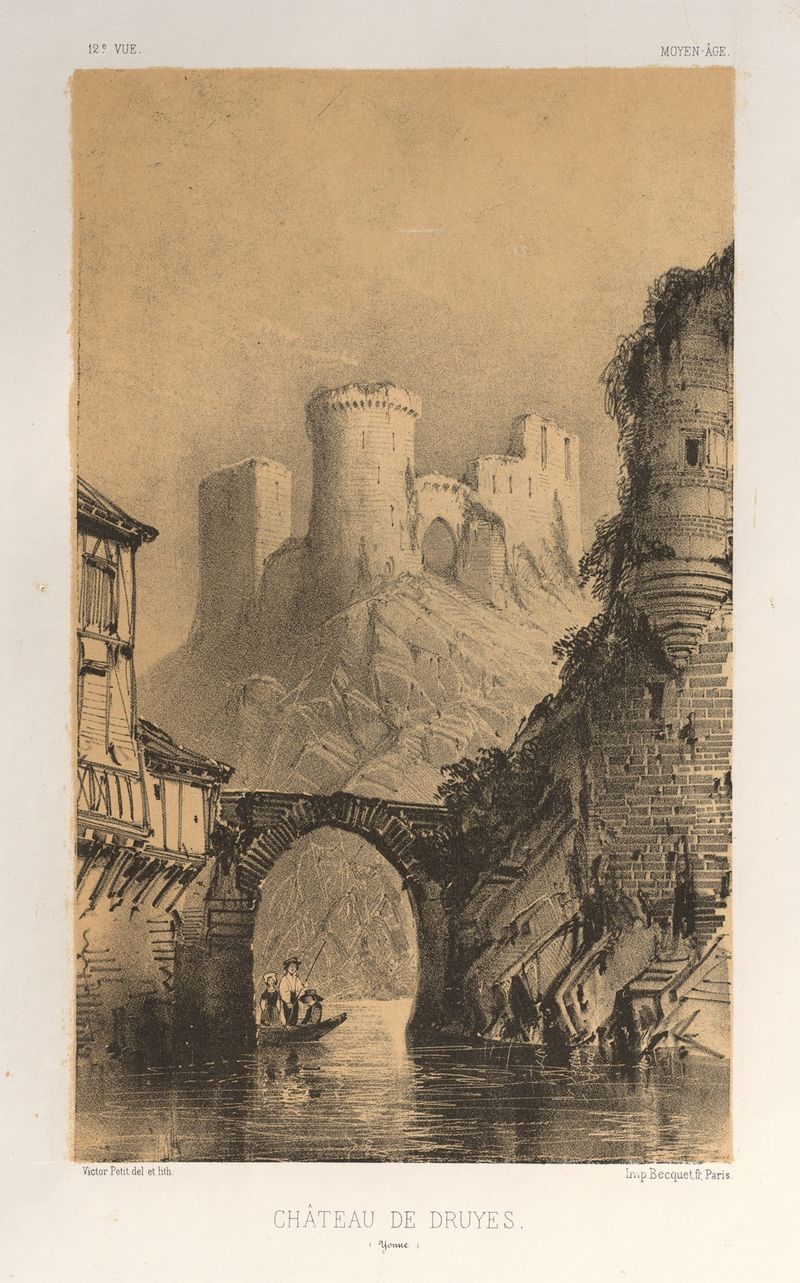
In its stillness, it beckons us to reflect on the solitude etched into every stroke of paint. Look to the center of the composition where the château rises against a vast, empty sky, its stone walls a muted gray. The surrounding landscape, painted in soft pastels of green and gold, gently cradles the structure, yet it feels isolated, as if the land itself conspires to distance it from the world. Notice how the light filters through the clouds, casting a delicate glow that highlights the château's intricate architecture, while the shadowy edges suggest a creeping melancholy. As you explore the scene, consider the tension between grandeur and abandonment.
The château stands proud yet forlorn, embodying a relic of a past filled with life and laughter, now reduced to echoes. The winding path leading up to it, though inviting, hints at a journey with no clear destination, reinforcing the profound sense of loneliness that envelops the viewer. The careful play of light and shadow captures not just a physical space but the emotional landscape of isolation. Victor Petit painted this work in 1860, during a time marked by the burgeoning influences of Romanticism and Realism sweeping through France.
Living in a period of rapid change, he found himself exploring themes that resonated with personal and societal experiences of solitude. The château, a manifestation of both beauty and desolation, reflects not only his artistic vision but also the poignant feelings of disconnection felt by many in an increasingly modern world.
More Artworks by Victor Petit
Browse all →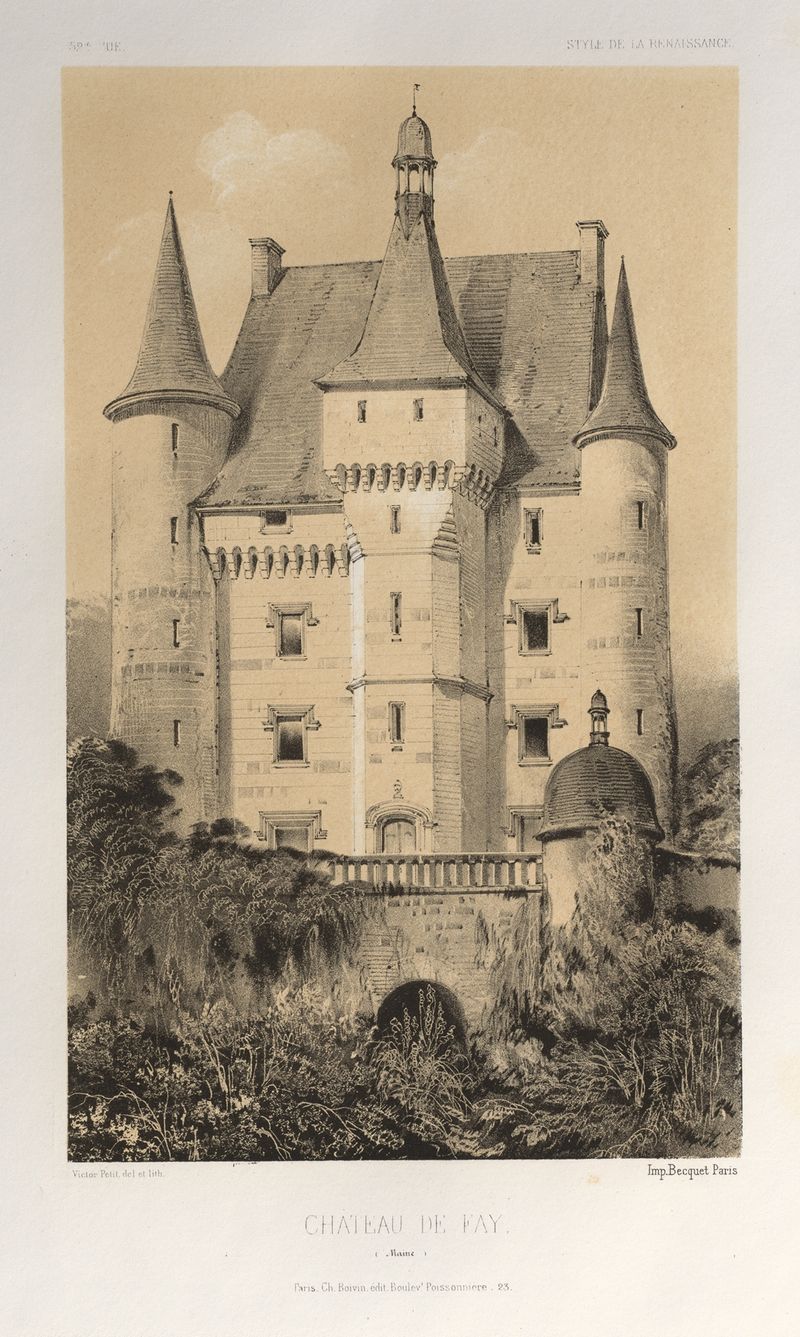
Château De Fay (Maine)
Victor Petit
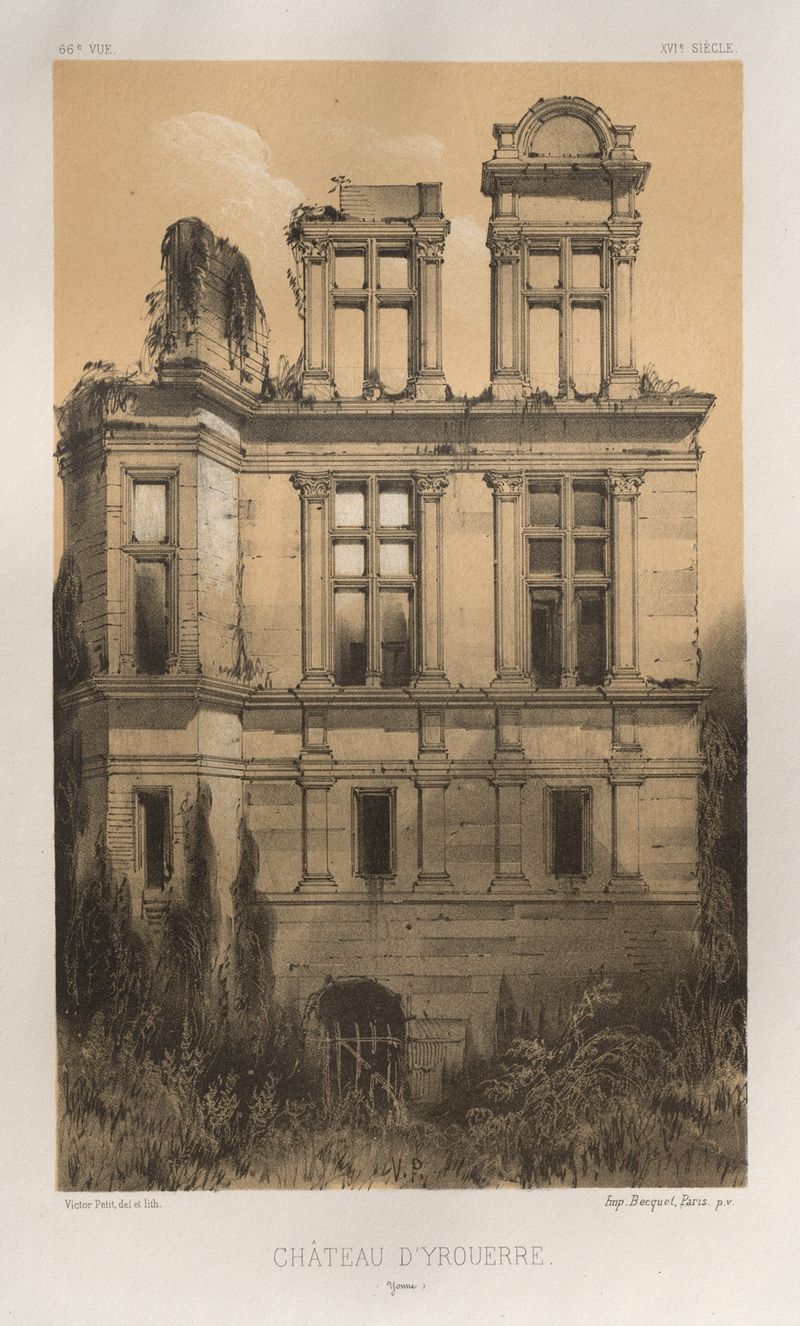
Château D’Yrouerre (Yonne)
Victor Petit
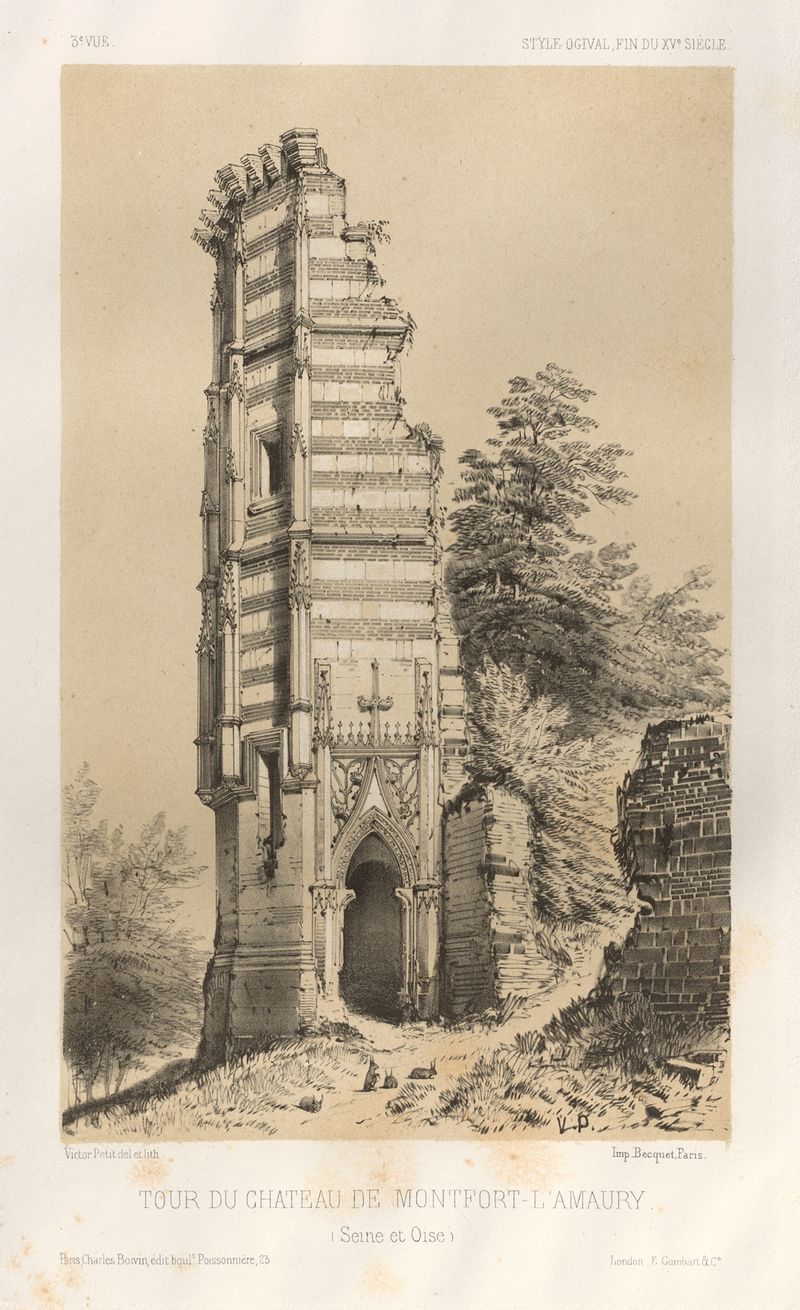
Tour du chateau de Montfort-l’Amaury (Seine-et-Oise)
Victor Petit

Tour Du Port De Marseille (Bouches Du Rhône)
Victor Petit
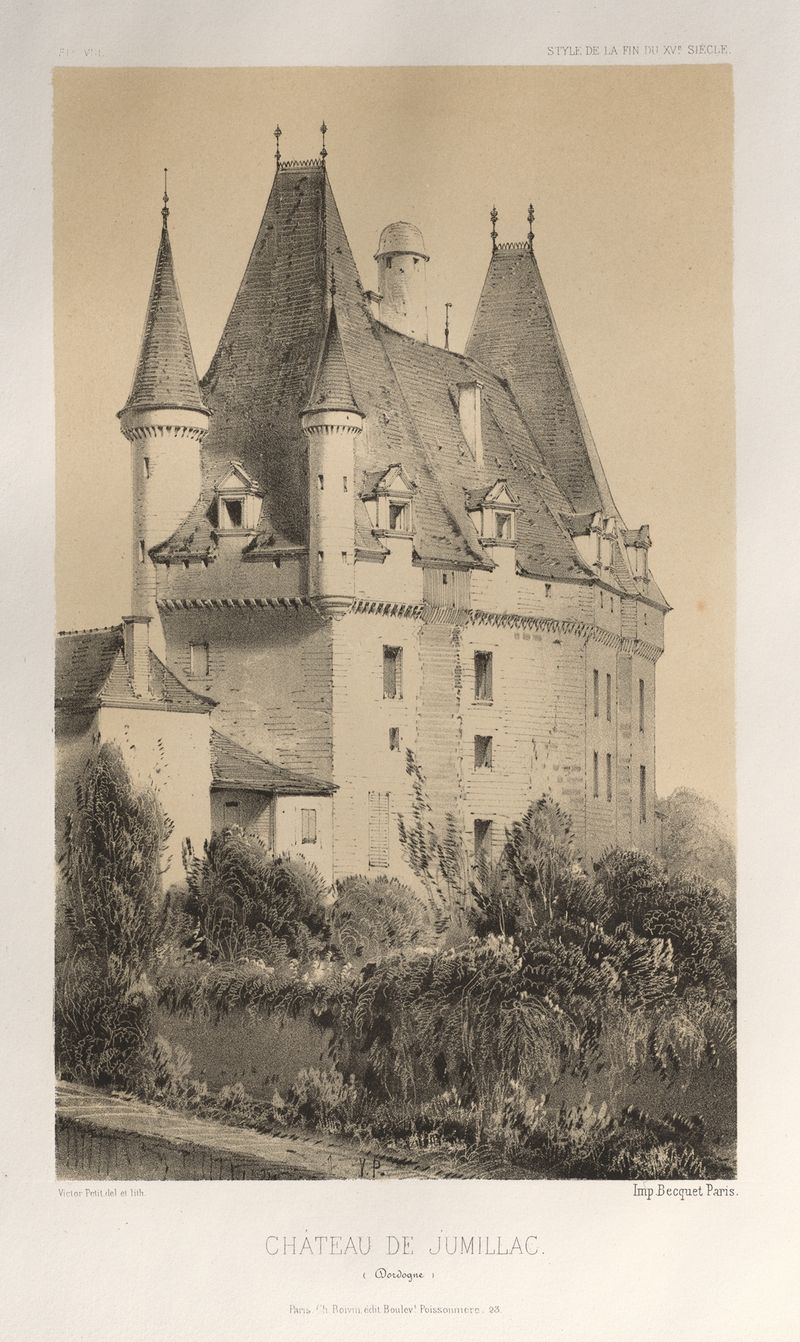
Château De Jumillac (Dordogne)
Victor Petit

Château de Tévray (Eure)
Victor Petit

Galerie Du Château De Jouancy (Saone et Loire)
Victor Petit

Château De Mello (Oise)
Victor Petit
Chateau De Druyes (Yonne)
Victor Petit

Le ChasteLet-Neuf (Corrèze)
Victor Petit





