
Château De Lion (Calvados) — History & Facts
Can paint confess what words never could? In Château De Lion (Calvados), the artist invites us to explore a vast emptiness, a haunting void that speaks volumes in silence. Look to the left at the imposing silhouette of the château, its weathered stones catching the muted light of a waning day. The cool hues of blue and gray dominate the scene, creating a sense of melancholy that permeates the air. Notice how the delicate brushstrokes evoke both the solidity of the structure and the fragility of its surroundings, as if the castle itself is both a refuge and a relic of forgotten dreams. Hidden beneath the surface, the contrasts emerge: the strength of the fortress stands stark against a landscape that feels almost ghostly, as if nature is reclaiming its territory.
The wisps of fog curling around the base of the château embody a tension between permanence and transience, between what is built and what ultimately crumbles. Each detail, from the bare branches to the ethereal mist, serves as a reminder of the void that exists in recollection and history. In 1860, Victor Petit painted this work while living in France, a time when romanticism was giving way to more modern sensibilities. The art world was evolving rapidly, influenced by the shifting social landscapes and the rise of realism.
Petit, often forgotten in the larger narrative of his contemporaries, created Château De Lion as a testament to the enduring yet ephemeral nature of existence, capturing both the grandeur and the decay that define our journey.
More Artworks by Victor Petit
Browse all →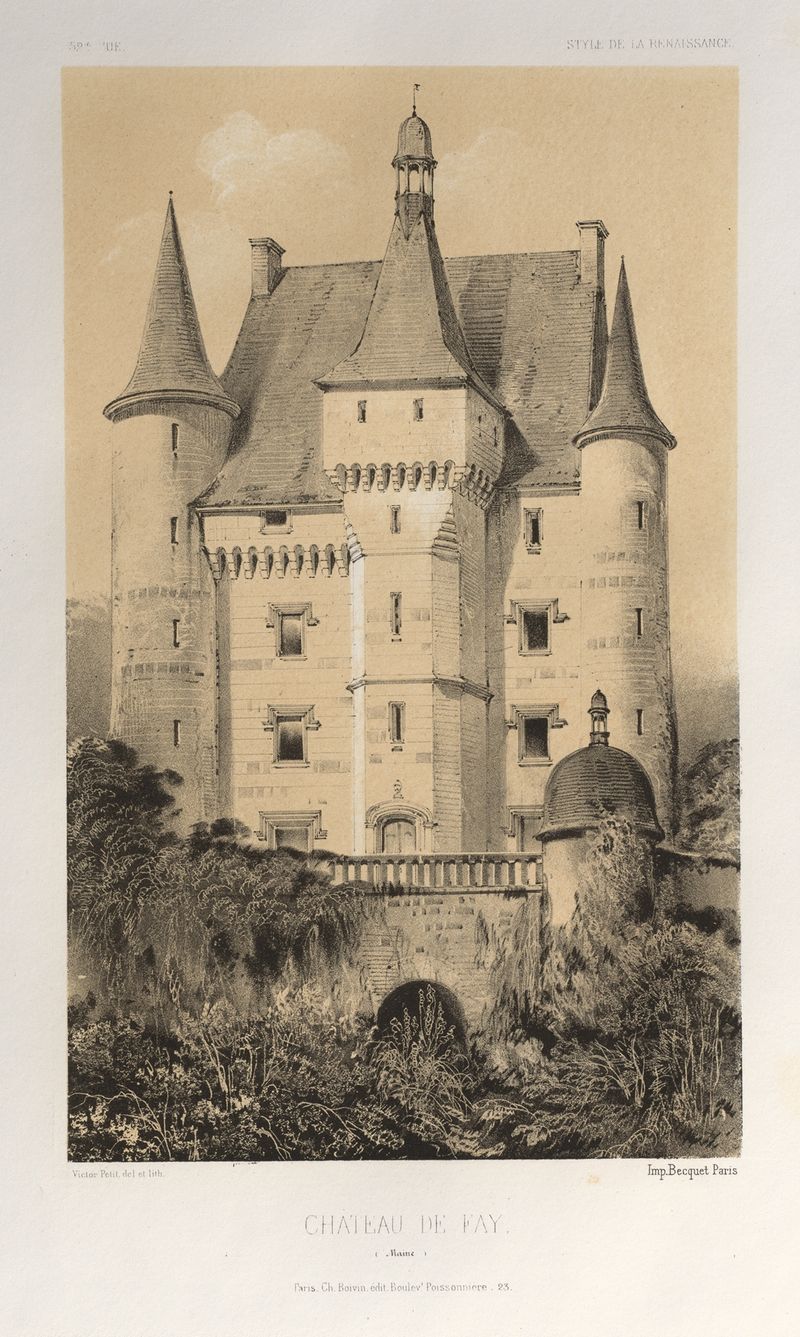
Château De Fay (Maine)
Victor Petit
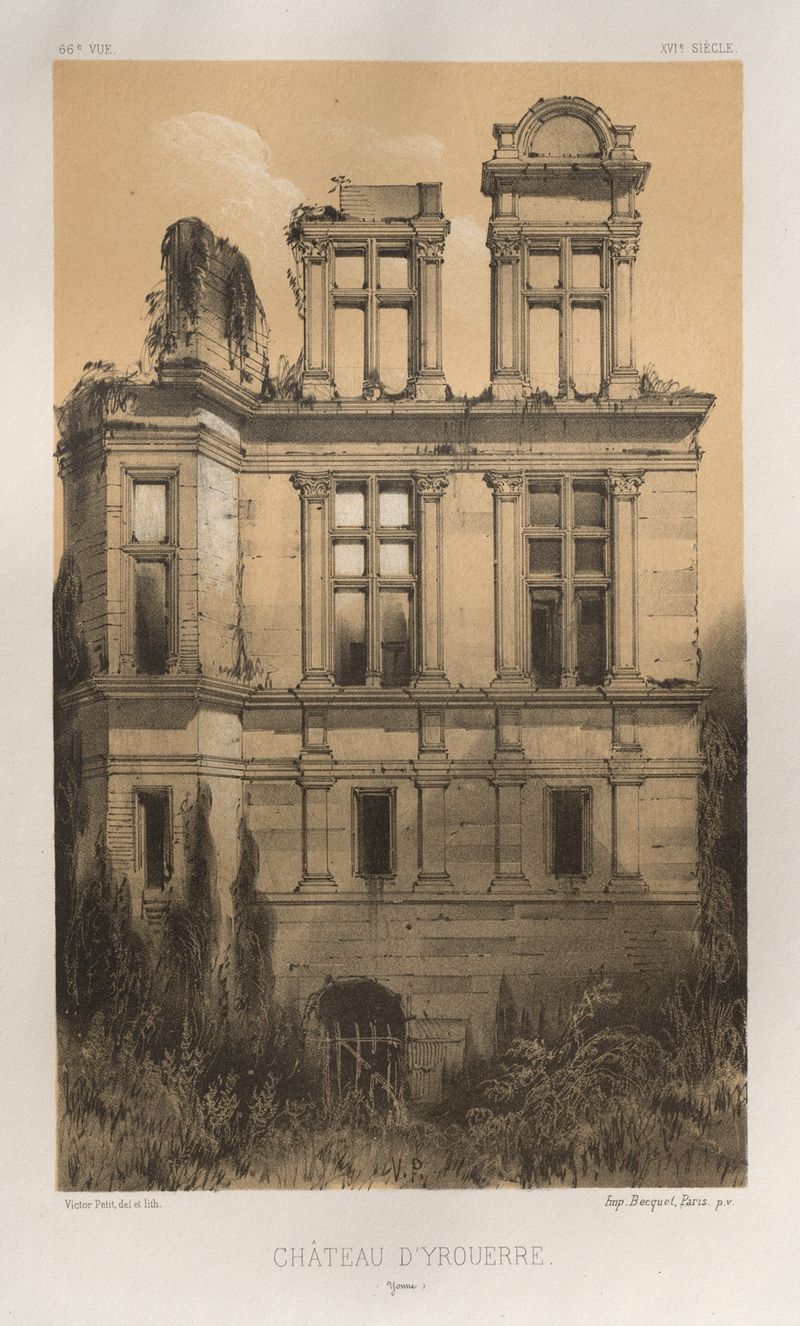
Château D’Yrouerre (Yonne)
Victor Petit
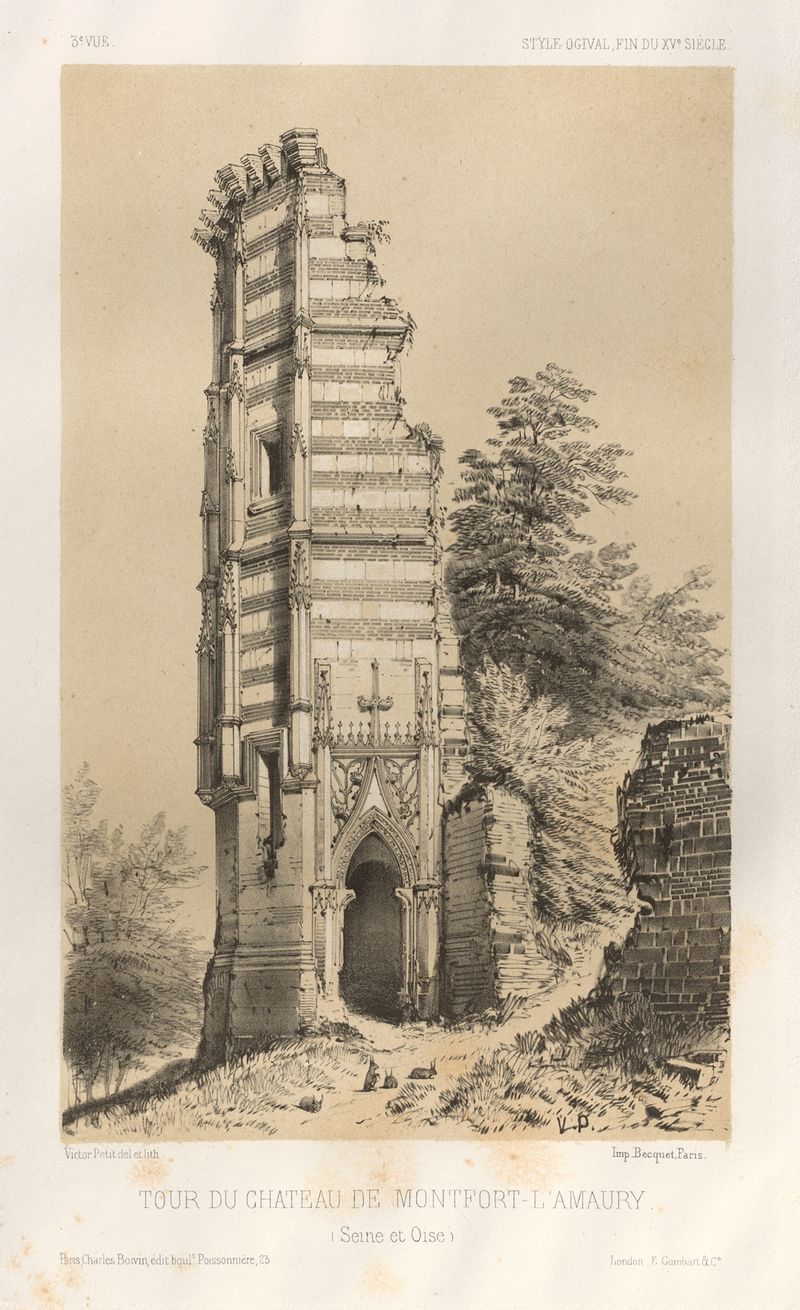
Tour du chateau de Montfort-l’Amaury (Seine-et-Oise)
Victor Petit

Tour Du Port De Marseille (Bouches Du Rhône)
Victor Petit
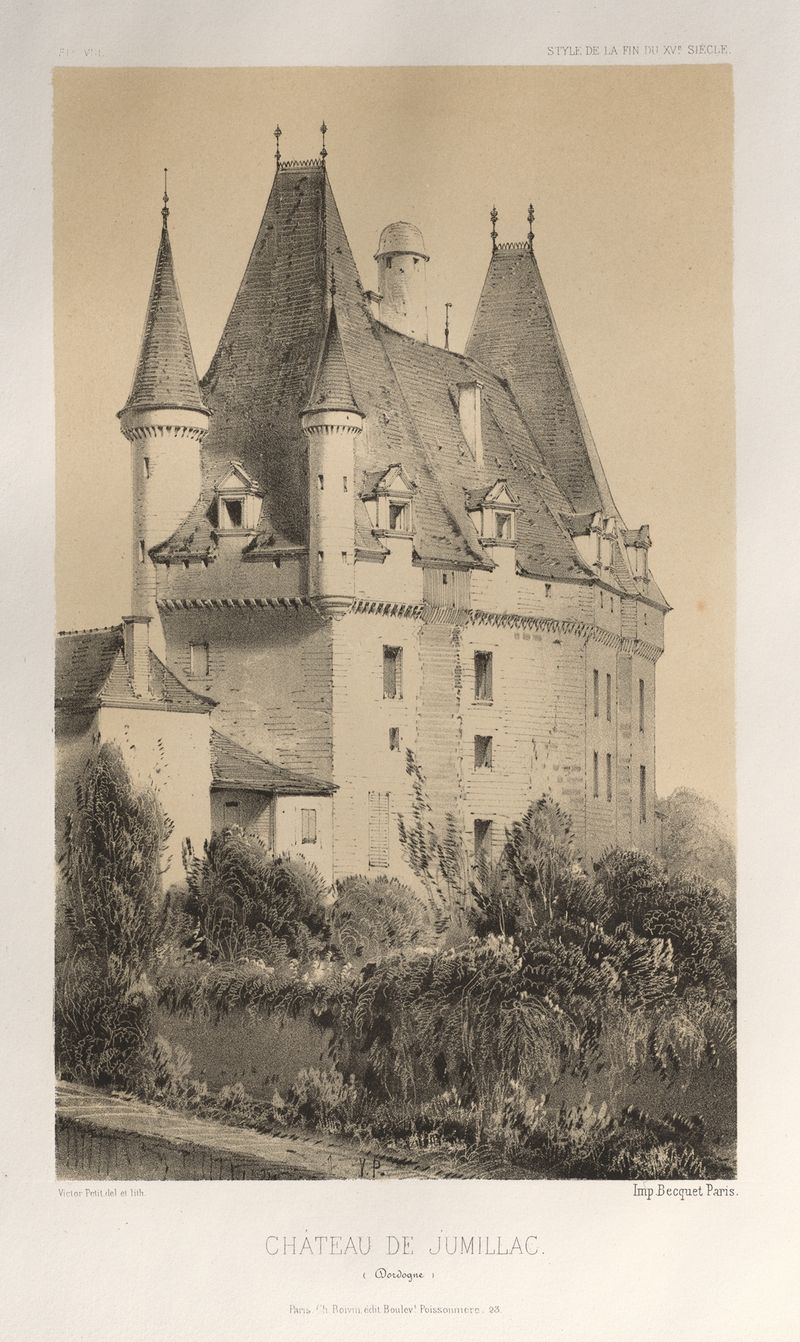
Château De Jumillac (Dordogne)
Victor Petit

Château de Tévray (Eure)
Victor Petit

Galerie Du Château De Jouancy (Saone et Loire)
Victor Petit

Château De Mello (Oise)
Victor Petit
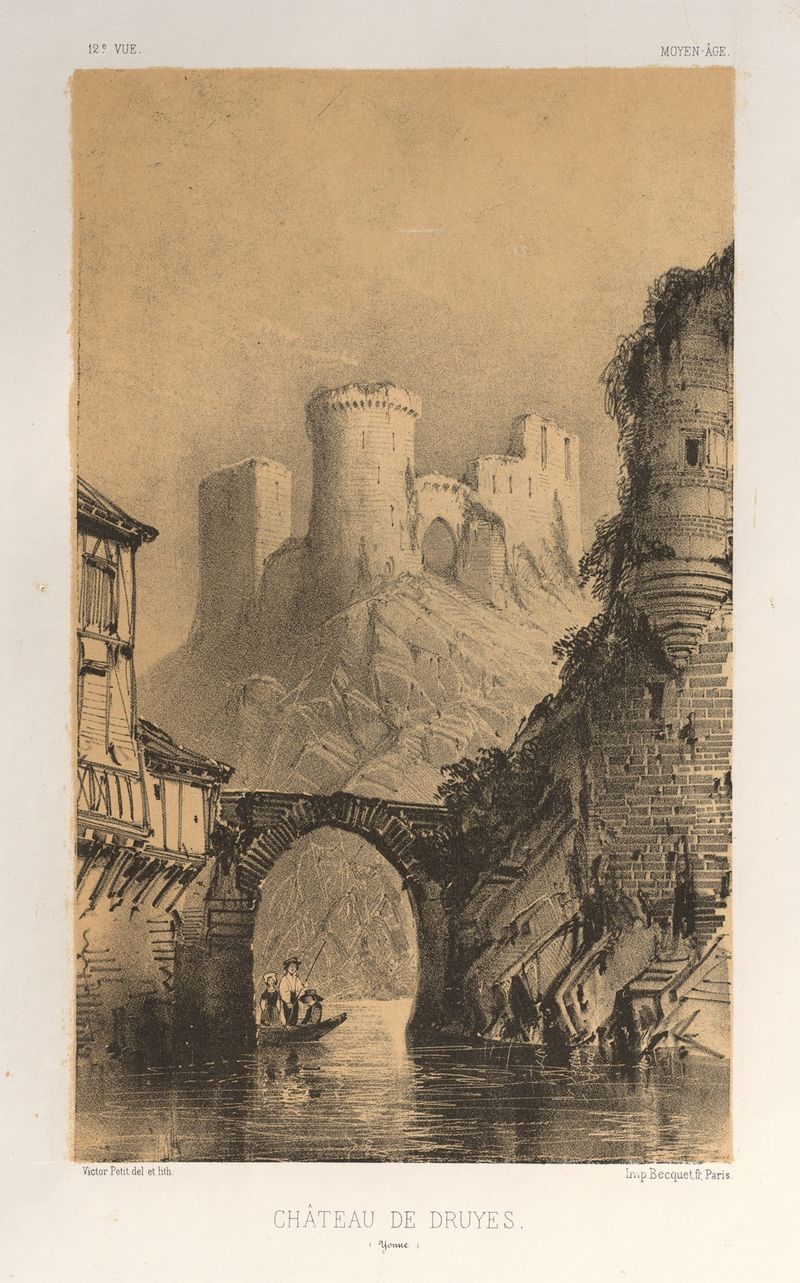
Chateau De Druyes (Yonne)
Victor Petit

Le ChasteLet-Neuf (Corrèze)
Victor Petit





