
Château de Saligny (Alliers) — History & Facts
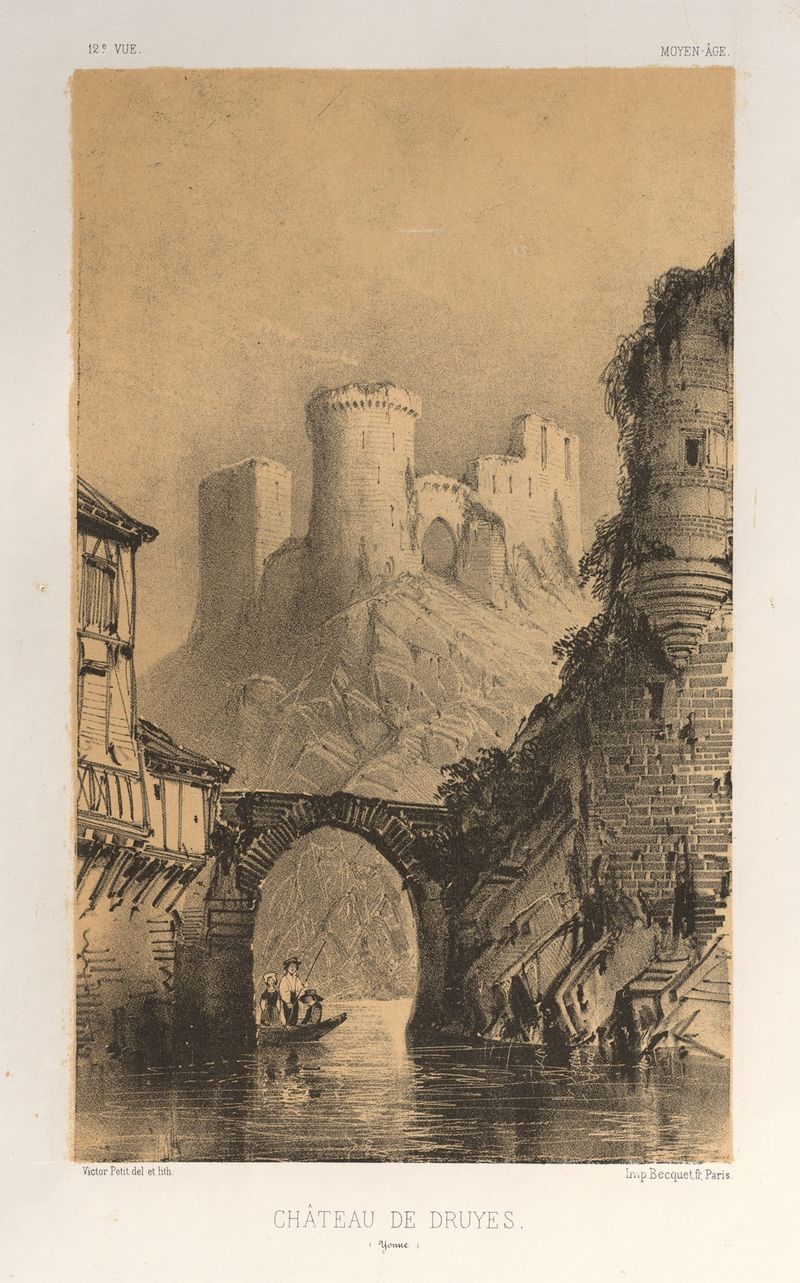
In an age where the passage of time can erode the most solid of structures, there lies an undeniable fragility in memory itself. Look closely at the serene landscape, where the Château de Saligny stands proud yet vulnerable at the center. Notice how the soft hues of green and gold envelop the castle, the sunlight illuminating the weathered stone walls. The delicate brushstrokes create a shimmering effect on the water’s surface, where reflections dance and flicker, hinting at both presence and absence.
The clouds above loom gently, suggesting an impending change, as if the sky itself holds its breath, balancing between the permanence of nature and the ephemeral nature of human creations. Delve deeper into the contrasts within the painting: the sturdy silhouette of the château juxtaposed against the fluidity of the water. This tension evokes a sense of nostalgia, as the viewer is reminded of the fleeting nature of beauty and the inevitable decay of time. The pastel palette invites contemplation, encouraging one to reflect on the stories hidden within those walls, the lives lived and lost, and the nature of memory itself—a fragile construct that time relentlessly seeks to dissolve. In 1860, Victor Petit painted this work during a pivotal moment in French art, when Romanticism was giving way to Impressionism.
Residing in the picturesque region of Alliers, he captured not just a scene but an emotion, reflecting a growing awareness of nature's impermanence amidst the changing artistic landscape. The château, a symbol of a bygone era, serves as a poignant reminder of the delicate balance between memory and time.
More Artworks by Victor Petit
Browse all →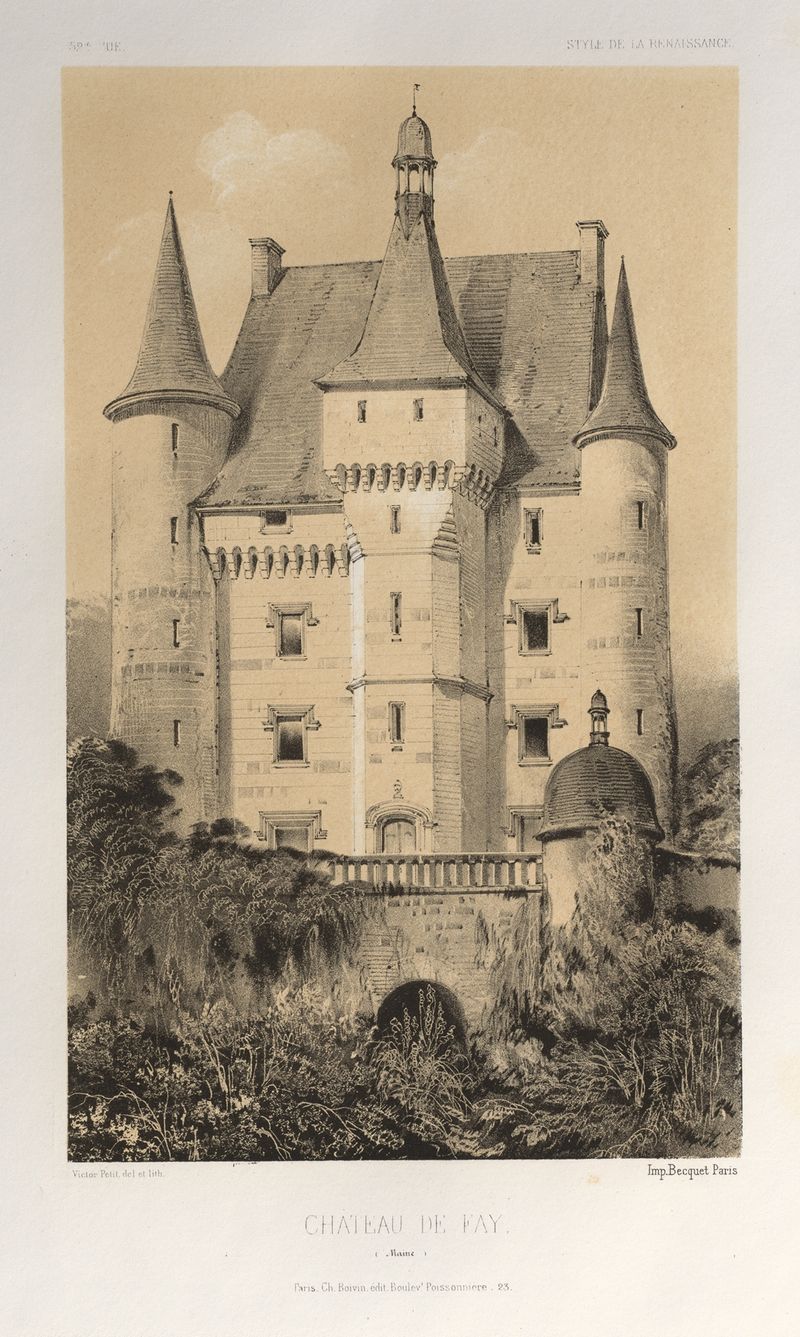
Château De Fay (Maine)
Victor Petit
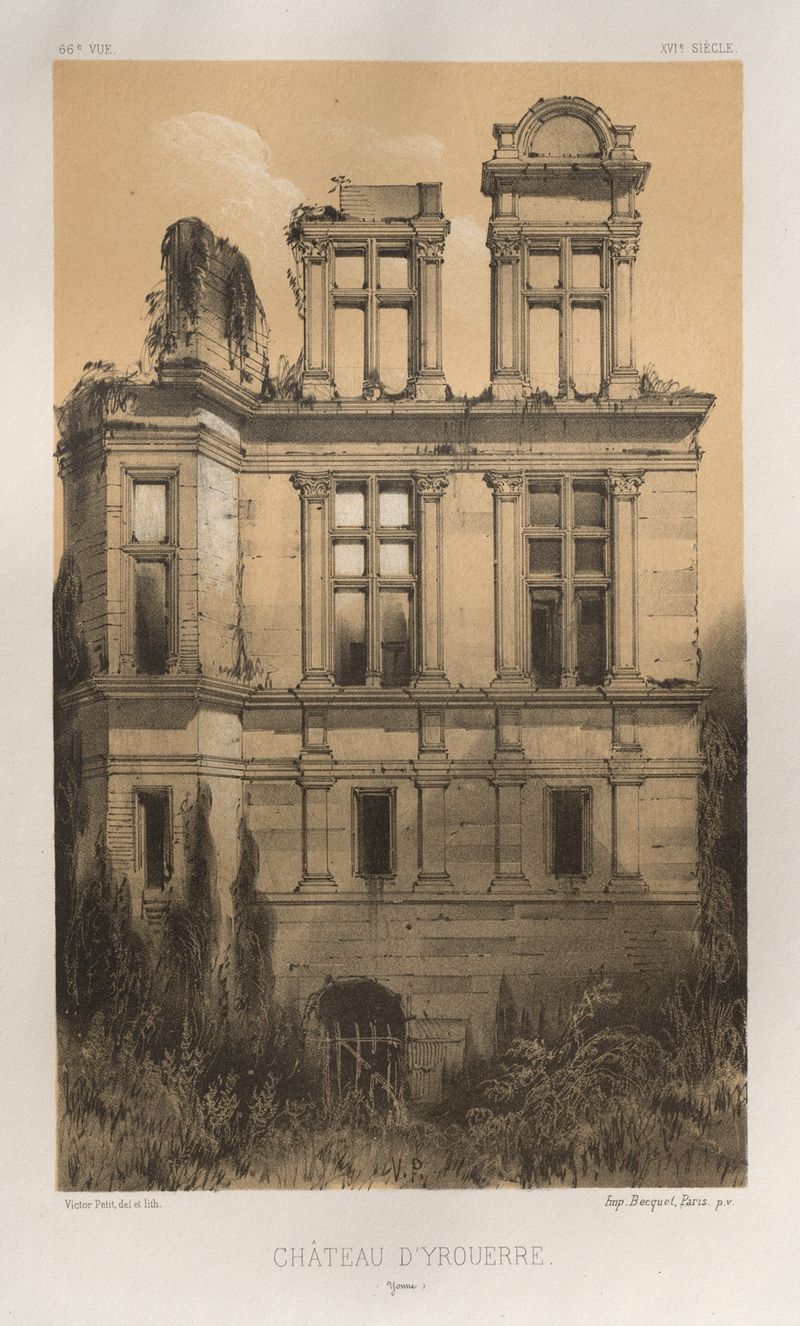
Château D’Yrouerre (Yonne)
Victor Petit
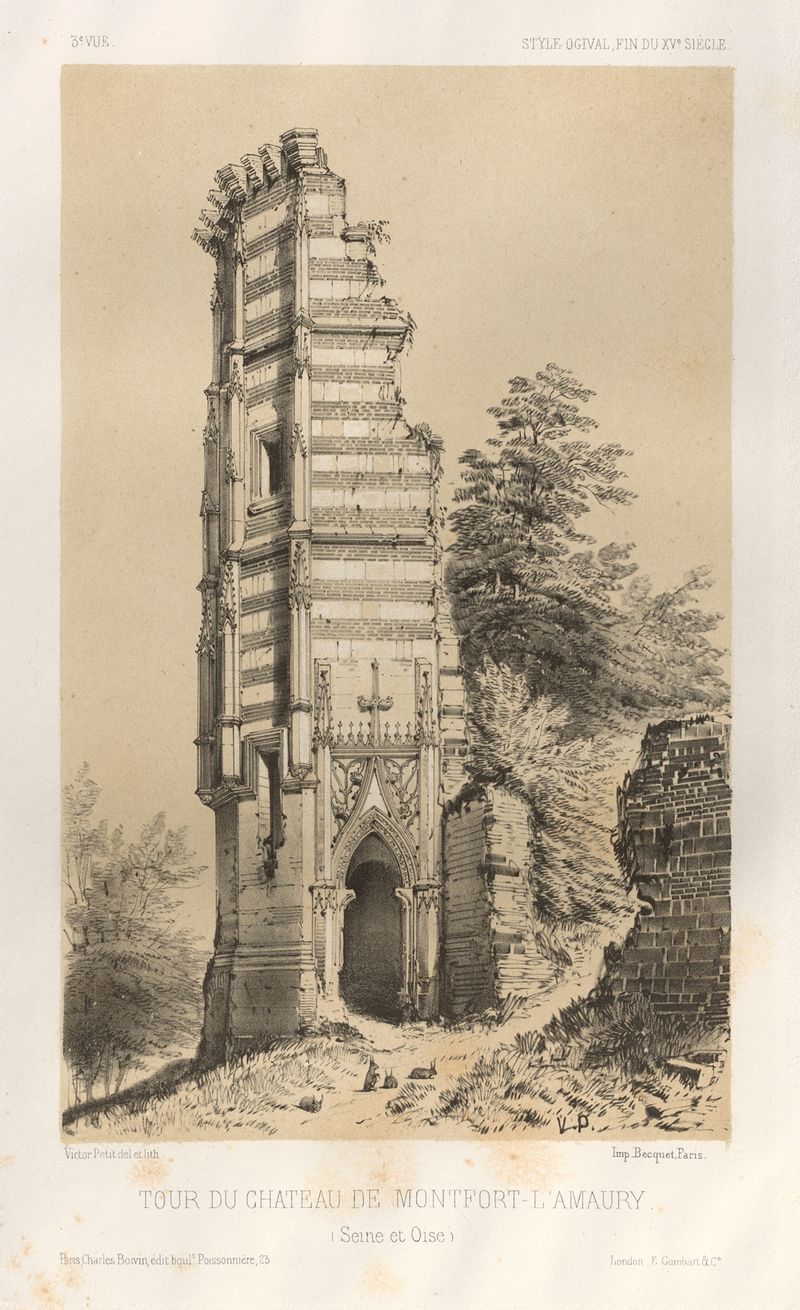
Tour du chateau de Montfort-l’Amaury (Seine-et-Oise)
Victor Petit

Tour Du Port De Marseille (Bouches Du Rhône)
Victor Petit
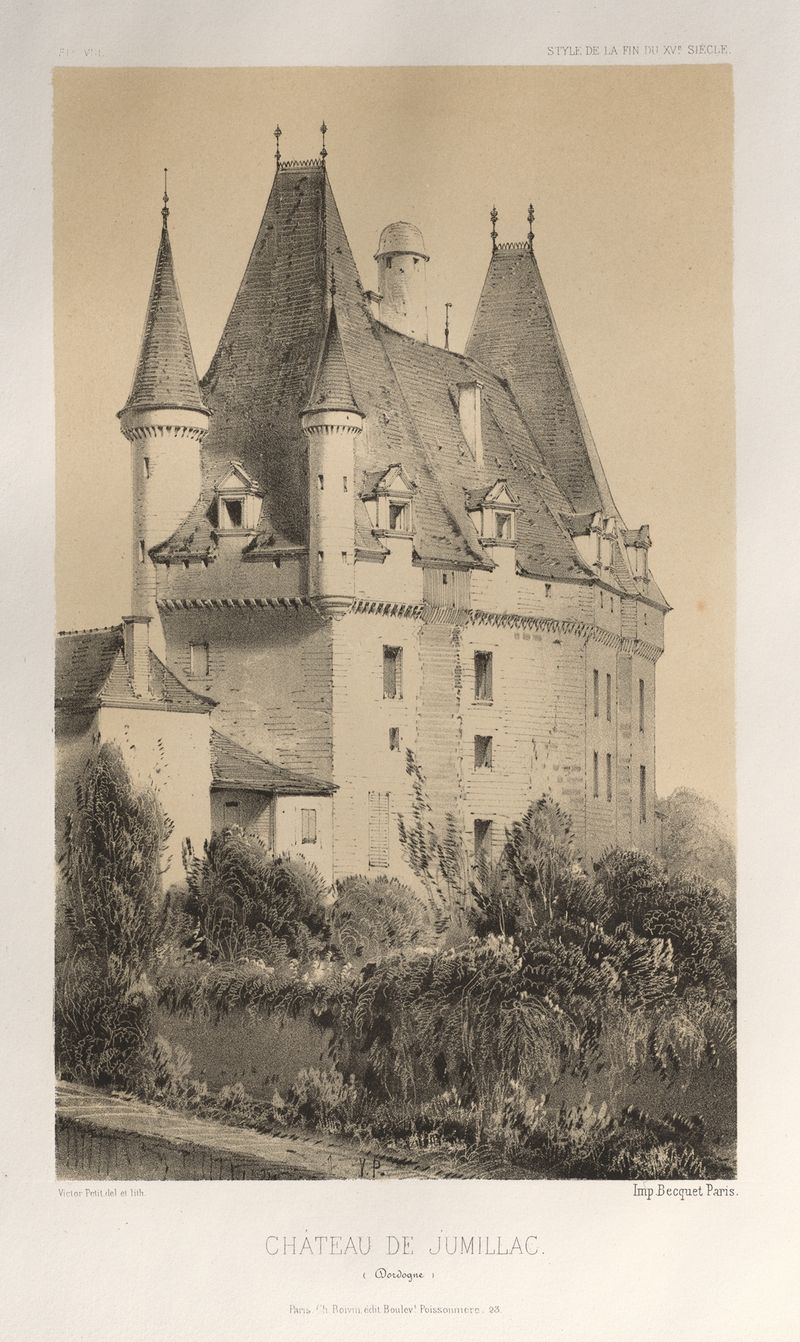
Château De Jumillac (Dordogne)
Victor Petit

Château de Tévray (Eure)
Victor Petit

Galerie Du Château De Jouancy (Saone et Loire)
Victor Petit

Château De Mello (Oise)
Victor Petit
Chateau De Druyes (Yonne)
Victor Petit

Le ChasteLet-Neuf (Corrèze)
Victor Petit





