
Château en Écosse — History & Facts
How often do we tread the fine line between allure and treachery in the world of art? Within the realm of Château en Écosse, one can sense that duality lying beneath the surface. Focus first on the castle, nestled among rolling hills, its intricate turrets piercing a sky painted with soft pastel hues. The light spills over the edifice, casting long shadows that stretch into the tranquil landscape below. Notice how Cazin's deft brushwork evokes texture in the stone walls, enhancing the chateau’s grandeur while hinting at the isolation it embodies.
The muted color palette harmonizes the scene, inviting one to linger, yet suggesting an underlying melancholy. Yet, look closer and the painting reveals its secrets. The chateau stands proud yet lonely, a sentinel of forgotten promises, embodying betrayal and abandonment. The natural elements encircle it as a reminder of the relentless march of time, while the absence of human presence imbues the scene with an eerie quietude.
This solitude speaks to a deeper narrative—perhaps of a once-vibrant realm now marred by desolation and broken trust. In 1871, Jean Charles Cazin painted this work during a time when he was establishing his reputation in the Parisian art scene, amid the backdrop of political upheaval following the Franco-Prussian War. The artist sought to express both the allure and the fragility of beauty in his landscapes, reflecting his experiences and the complexities inherent in nature and architecture. Cazin, influenced by the Barbizon school, embraced a softer, more lyrical style, which is palpably felt in this piece, merging emotion with technique.
More Artworks by Jean Charles Cazin
Browse all →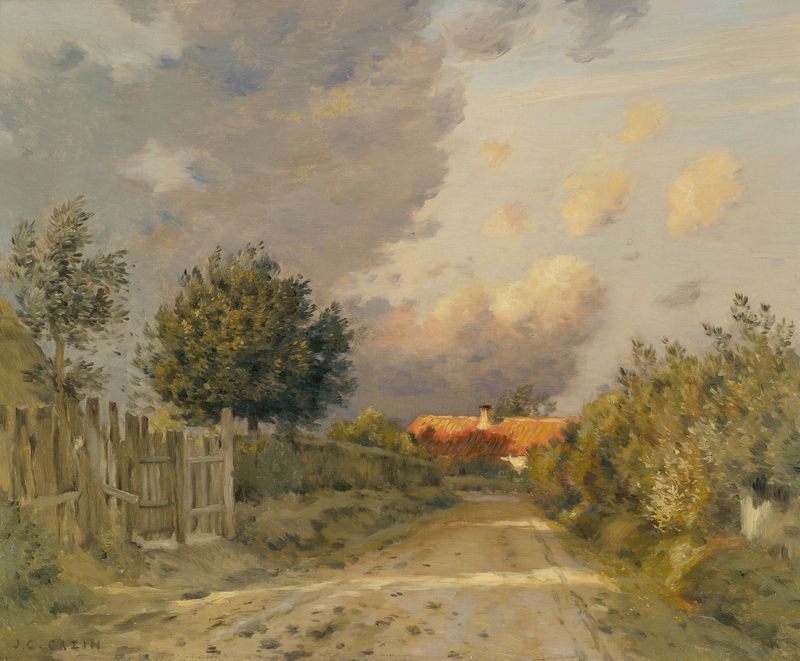
Early Evening In The French Countryside
Jean Charles Cazin
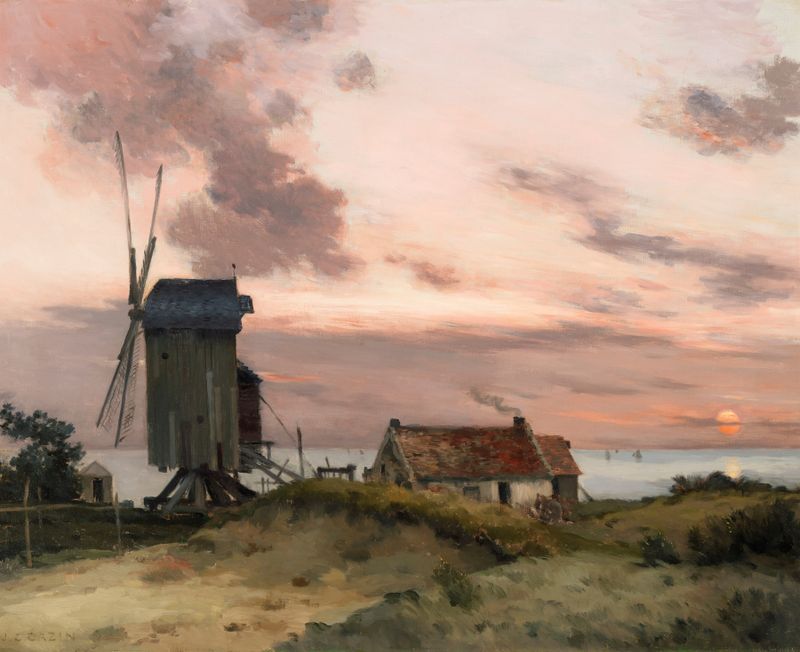
Windmill on a Beach
Jean Charles Cazin
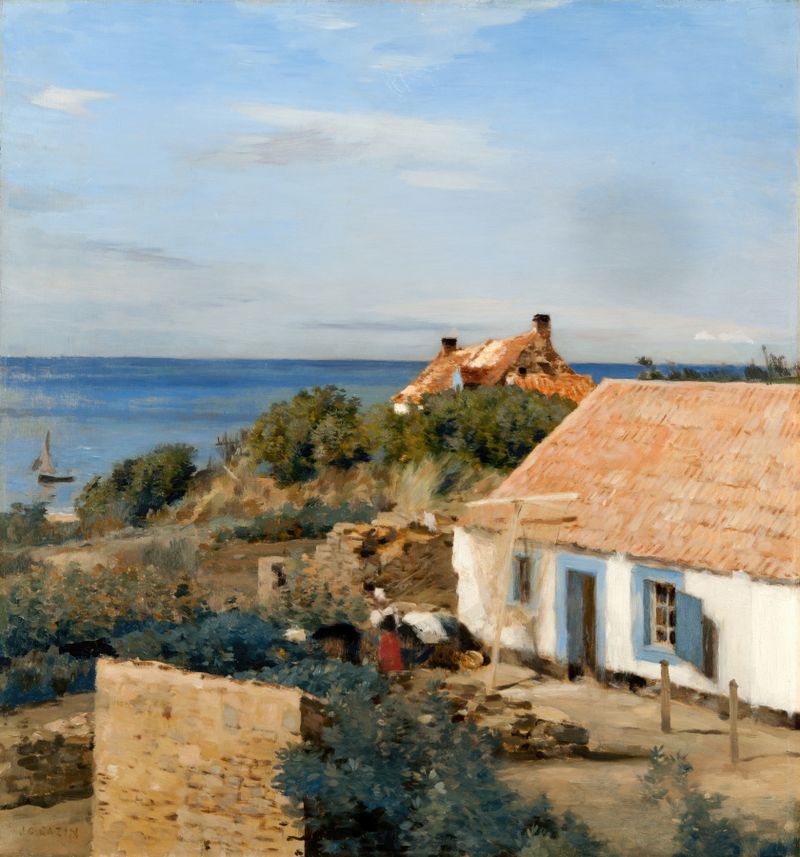
French Landscape
Jean Charles Cazin
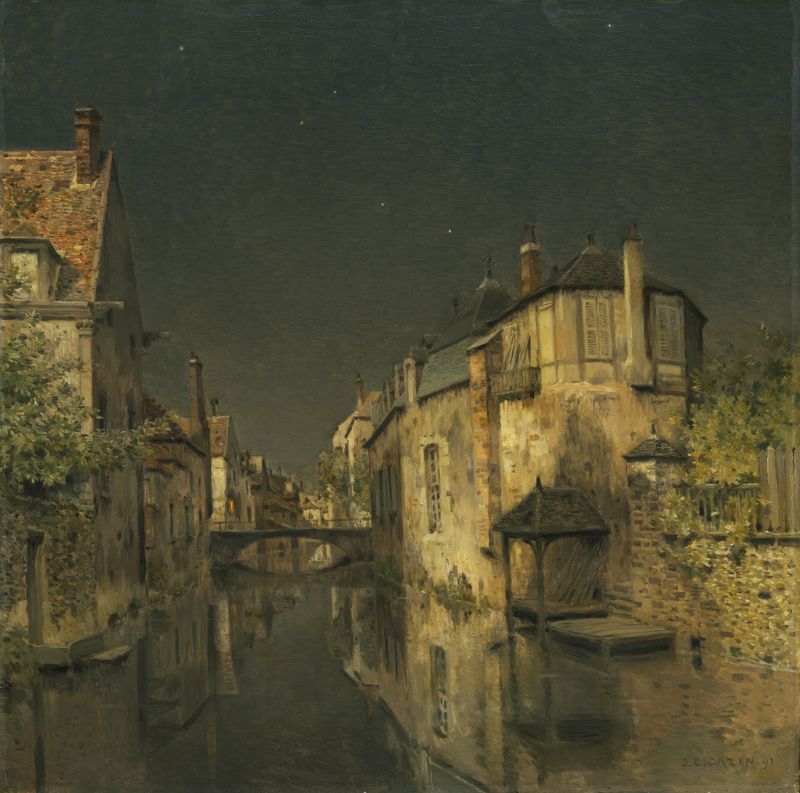
Midnight
Jean Charles Cazin

Tobias and the Angel
Jean Charles Cazin

October Day
Jean Charles Cazin

Paysage au clair de lune
Jean Charles Cazin
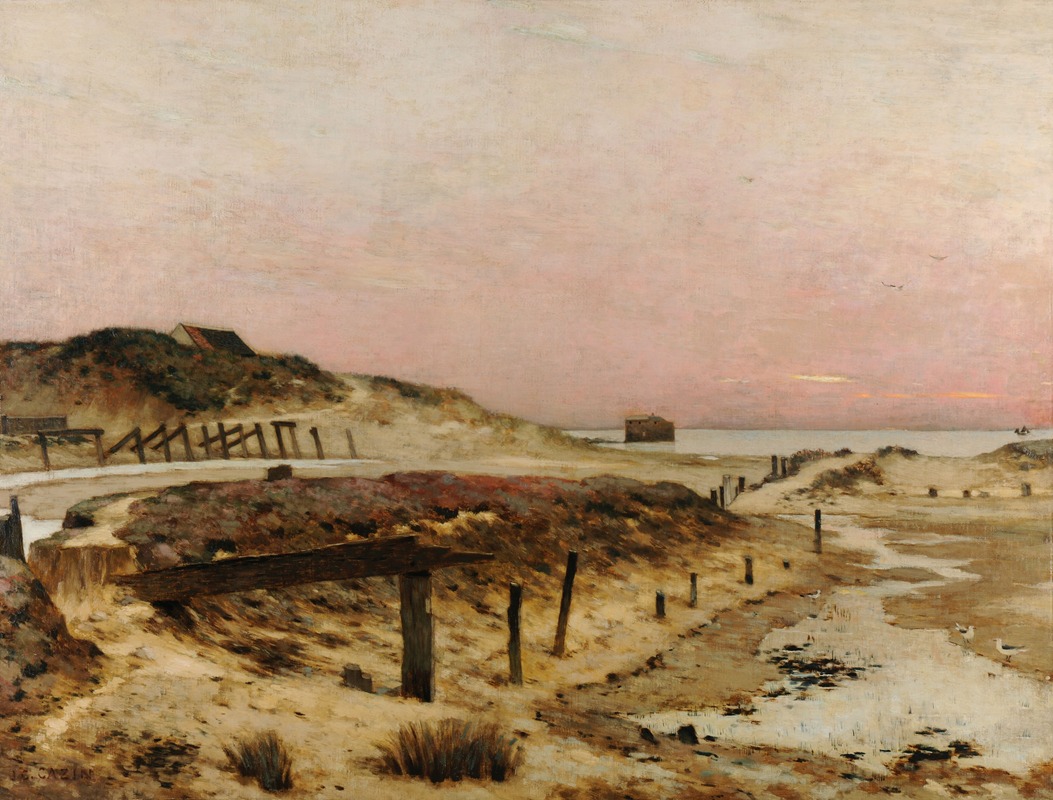
Rest on the Flight into Egypt
Jean Charles Cazin
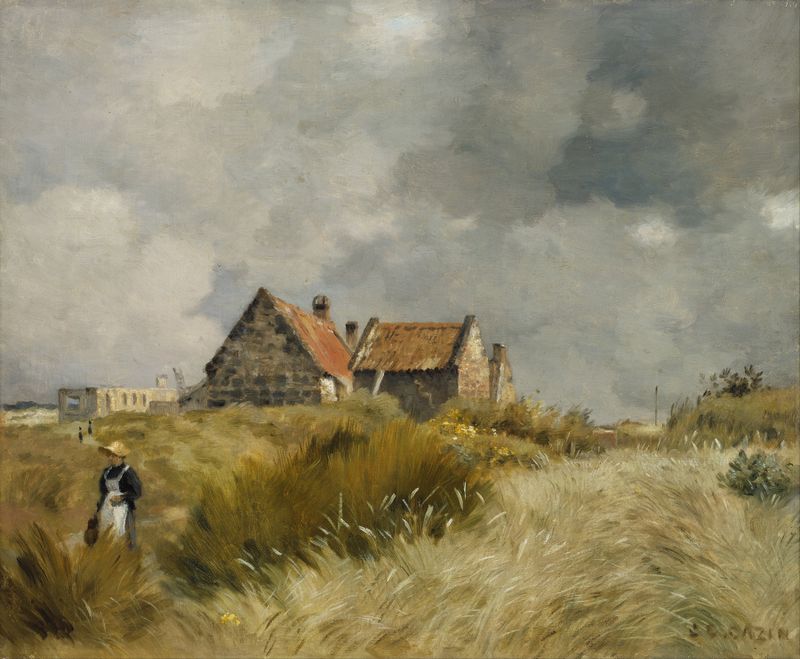
Cottage in the Dunes
Jean Charles Cazin

The Boatyard
Jean Charles Cazin





