
Château Montfort — History & Facts
In the stillness of this landscape, the viewer is drawn into a world where obsession intertwines with tranquility, and the essence of a place reveals secrets untold. Look to the center of the canvas, where the stately Château Montfort rises above the lush greenery, its stone facade bathed in the warm embrace of sunlight. Notice how the artist carefully renders the delicate details of the architecture, each window reflecting a fragmented view of the world outside, suggesting a layered history and the passage of time. The surrounding landscape, with its soft hills and meandering paths, invites exploration, contrasting the stillness of the château with the movement of nature. Yet, beneath this tranquil exterior lies an emotional tension.
The meticulous brushwork hints at a deeper obsession with both the grandeur of the structure and the serene beauty of its landscape. Small bursts of color in the foliage and the play of shadows evoke a sense of longing. The stillness of the château contrasts with the dynamic elements of nature, suggesting a narrative of isolation, where the grandeur can become a prison, and obsession can lead to solitude. In 1653, the artist was establishing his reputation in the Dutch Golden Age, a period marked by flourishing art and culture.
Working in the Netherlands, he was inspired by the natural beauty and architectural marvels around him, yet his focus on Château Montfort reveals a personal connection to the theme of obsession, capturing not only a grand view but also the emotional weight it carries.
More Artworks by Anthonie Jansz. van der Croos
Browse all →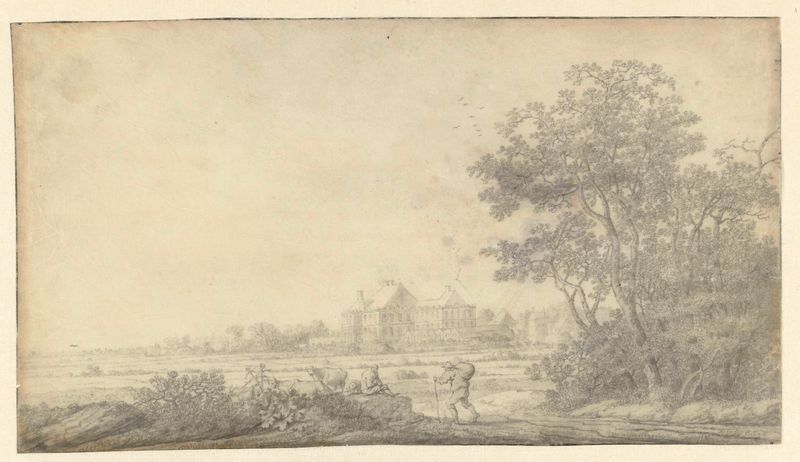
View of Huis ter Nieuburch, Rijswijk, Seen from the East
Anthonie Jansz. van der Croos
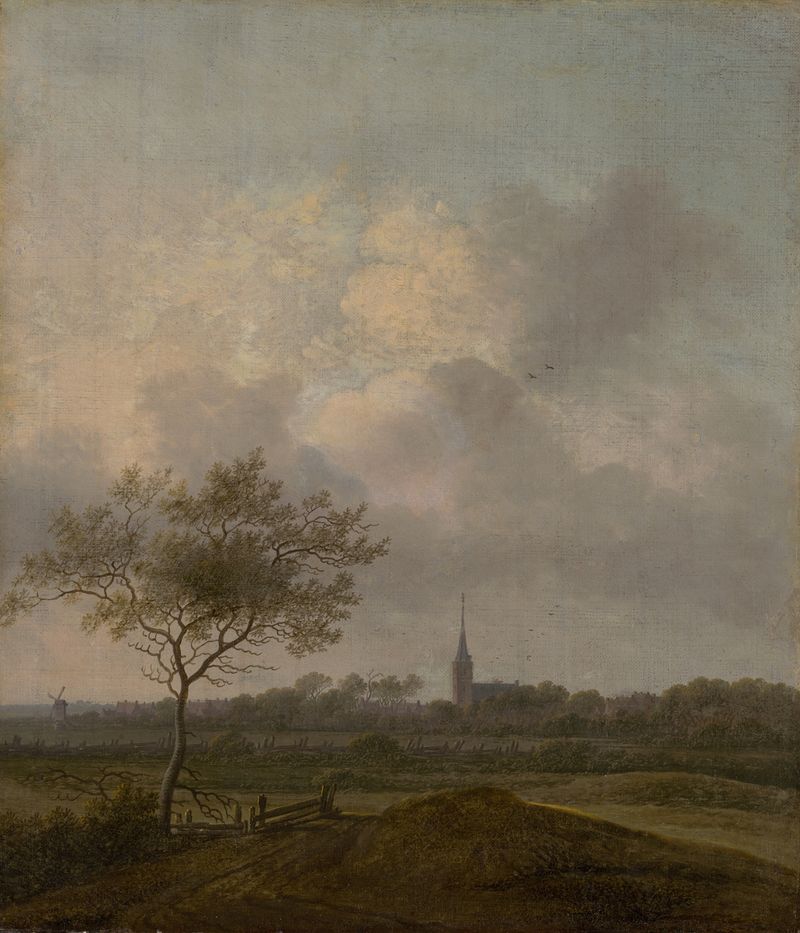
Landscape with Church in Rijswijck
Anthonie Jansz. van der Croos

A river landscape with a fortified town and a fishing boat
Anthonie Jansz. van der Croos
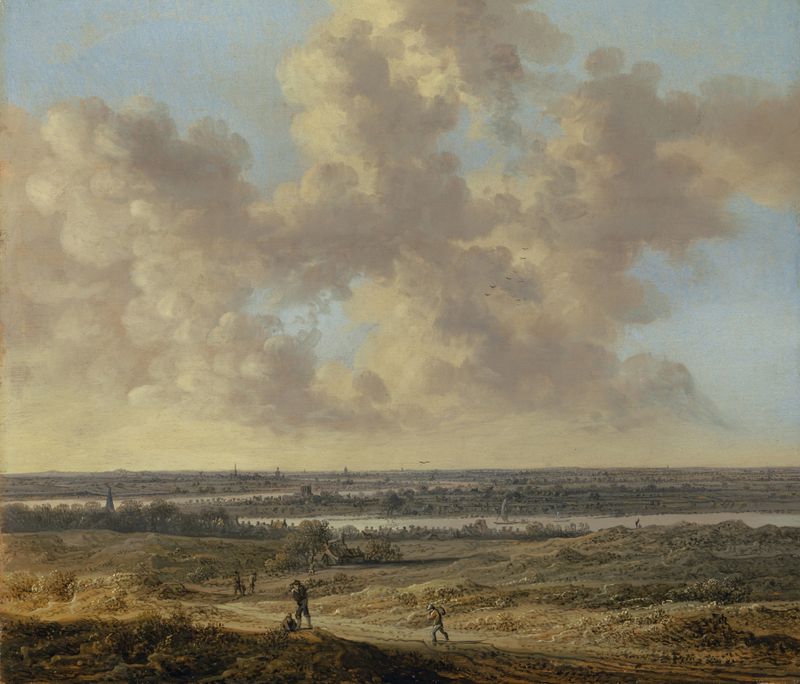
Plain with River
Anthonie Jansz. van der Croos
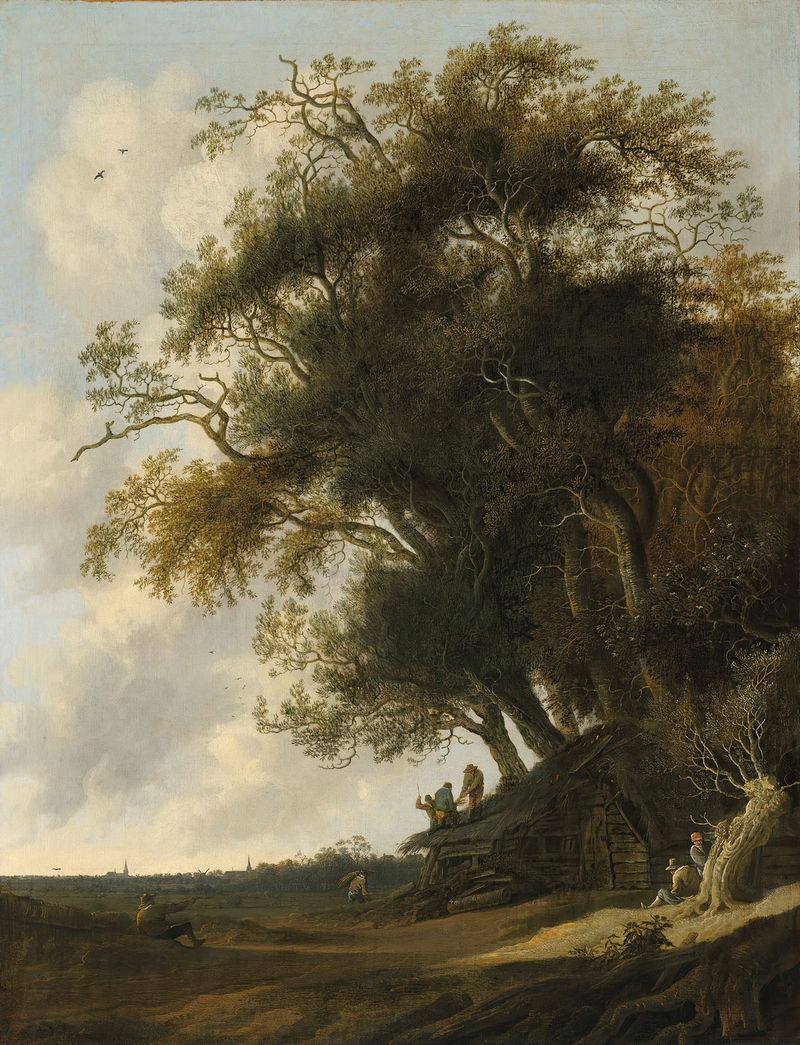
Thatchers mending a roof in a dune landscape
Anthonie Jansz. van der Croos
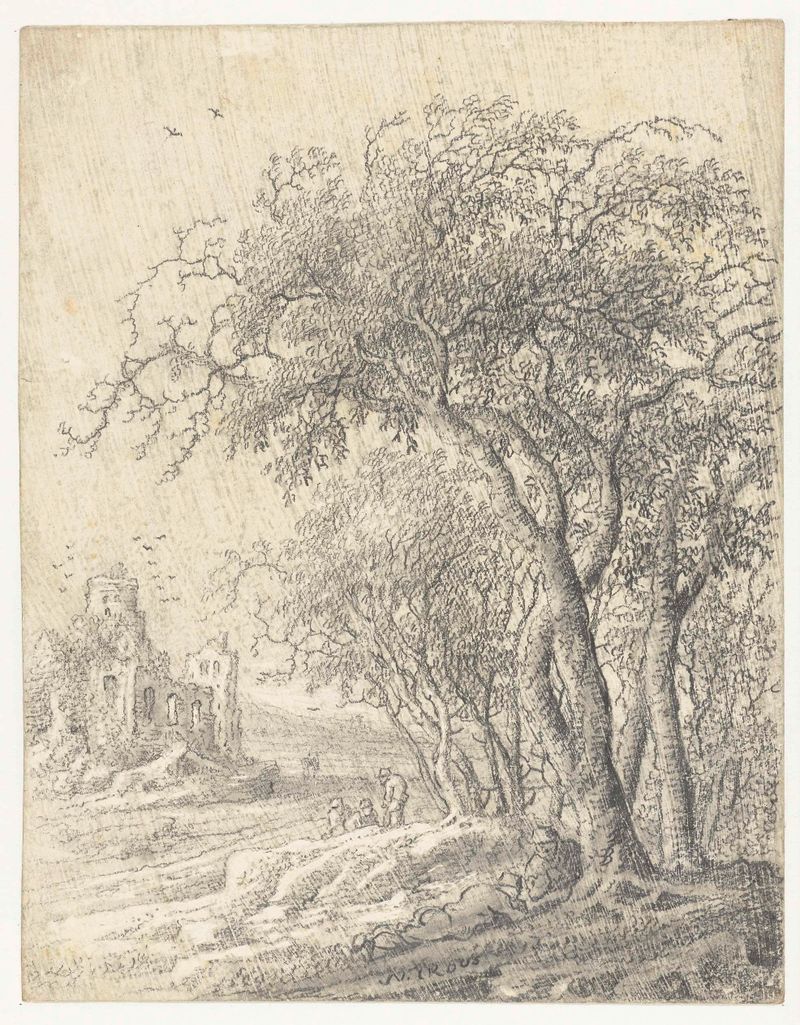
Landscape with Trees and a Ruin
Anthonie Jansz. van der Croos
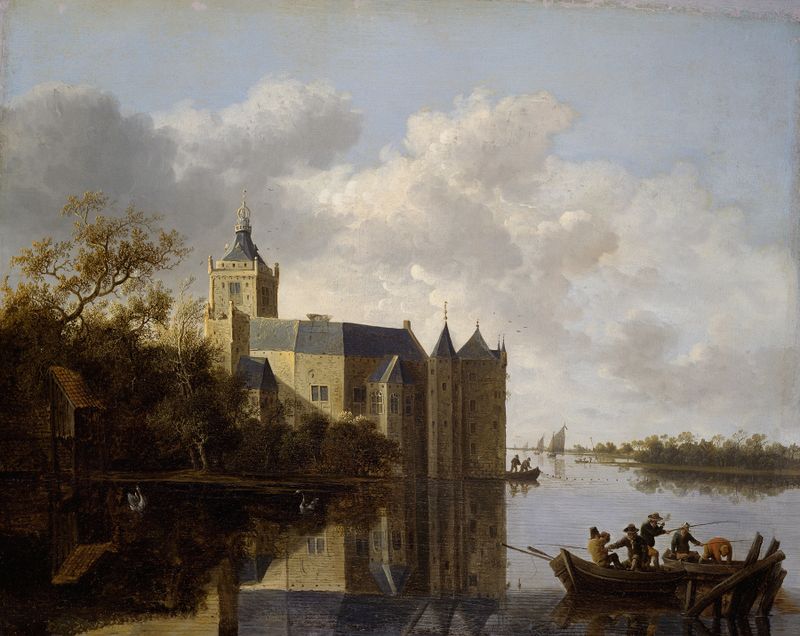
The Castle of Montfoort near Utrecht
Anthonie Jansz. van der Croos
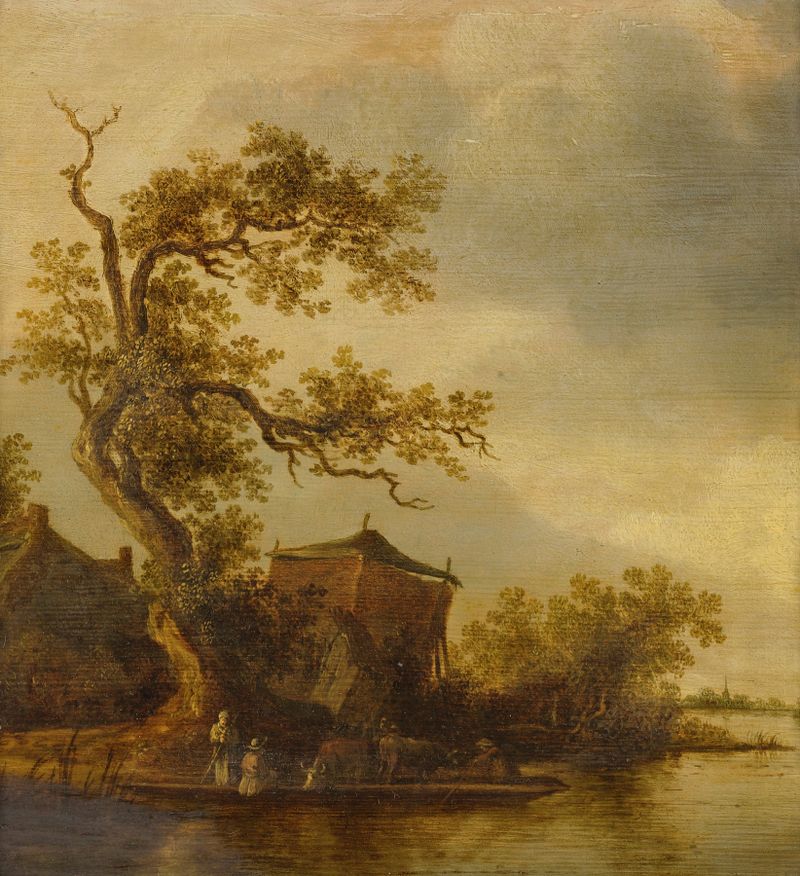
Fishermen Along A Lake With Their Cattle
Anthonie Jansz. van der Croos





