
Plain with River — History & Facts
“Is it madness to find beauty in the quiet of solitude?” A question lingers in the air, inviting contemplation. A landscape unfurls, serene yet filled with whispers of the mind's chaos, capturing a moment suspended between clarity and the fog of disarray. Look to the center of the canvas, where the river glides gracefully, its surface glimmering under a soft, diffused light. The gentle curves of the water draw the eye, inviting exploration of the lush greens and browns that cradle the banks.
Notice how the artist’s deft brushwork conveys both texture and tranquility, each stroke a deliberate choice that evokes the feeling of open space and calm. The palette, with its muted hues, speaks to an inner harmony, while the expansive sky looms above, hinting at the vastness of both nature and human emotions. Yet beneath this peaceful facade lies a complex interplay of tension. The placid river is juxtaposed against the encroaching woods, their shadows suggesting the lurking thoughts that come with isolation.
In the distance, the horizon appears almost blurred, as if reality itself is slipping away, echoing the madness of contemplation. The simplicity of the scene belies a deeper struggle, where the mind grapples with the dichotomy of serenity and unrest. In 1654, Anthonie Jansz. van der Croos painted Plain with River during a time of personal and societal turbulence in the Netherlands.
As a period marked by economic shift and artistic exploration, van der Croos was carving his niche within the burgeoning landscape of Dutch landscape painting. This work reflects both his technical prowess and the broader existential questions of his era, capturing a moment that resonates through time.
More Artworks by Anthonie Jansz. van der Croos
Browse all →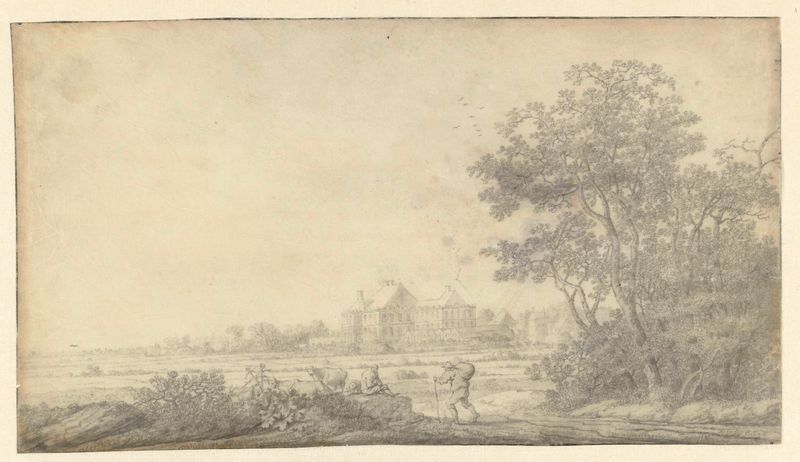
View of Huis ter Nieuburch, Rijswijk, Seen from the East
Anthonie Jansz. van der Croos
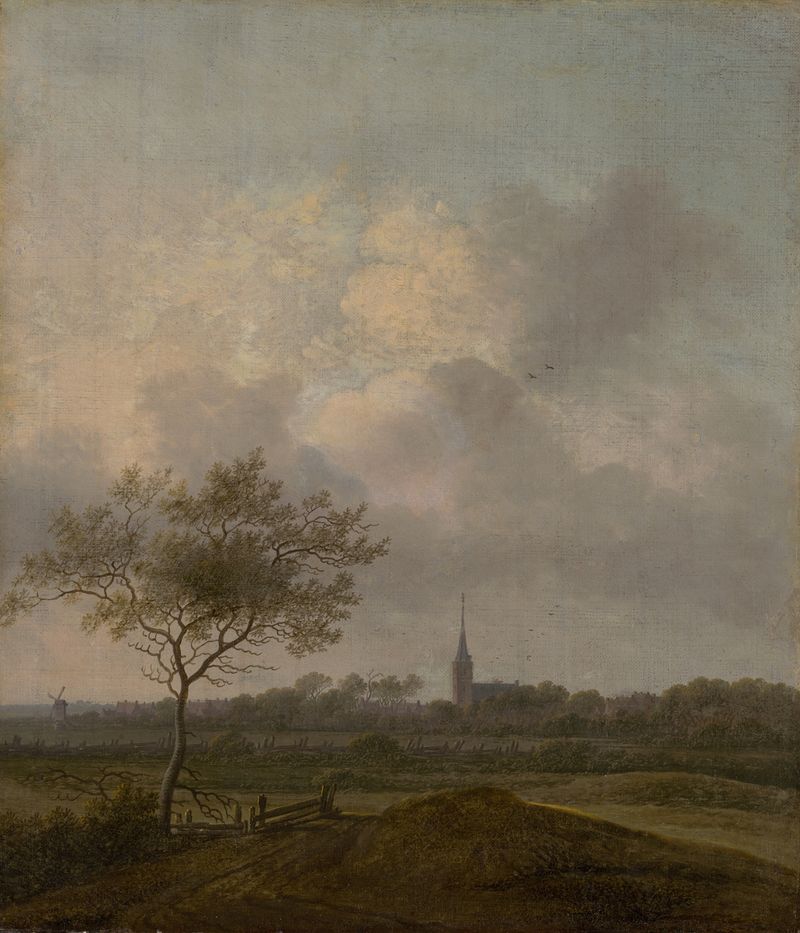
Landscape with Church in Rijswijck
Anthonie Jansz. van der Croos

A river landscape with a fortified town and a fishing boat
Anthonie Jansz. van der Croos
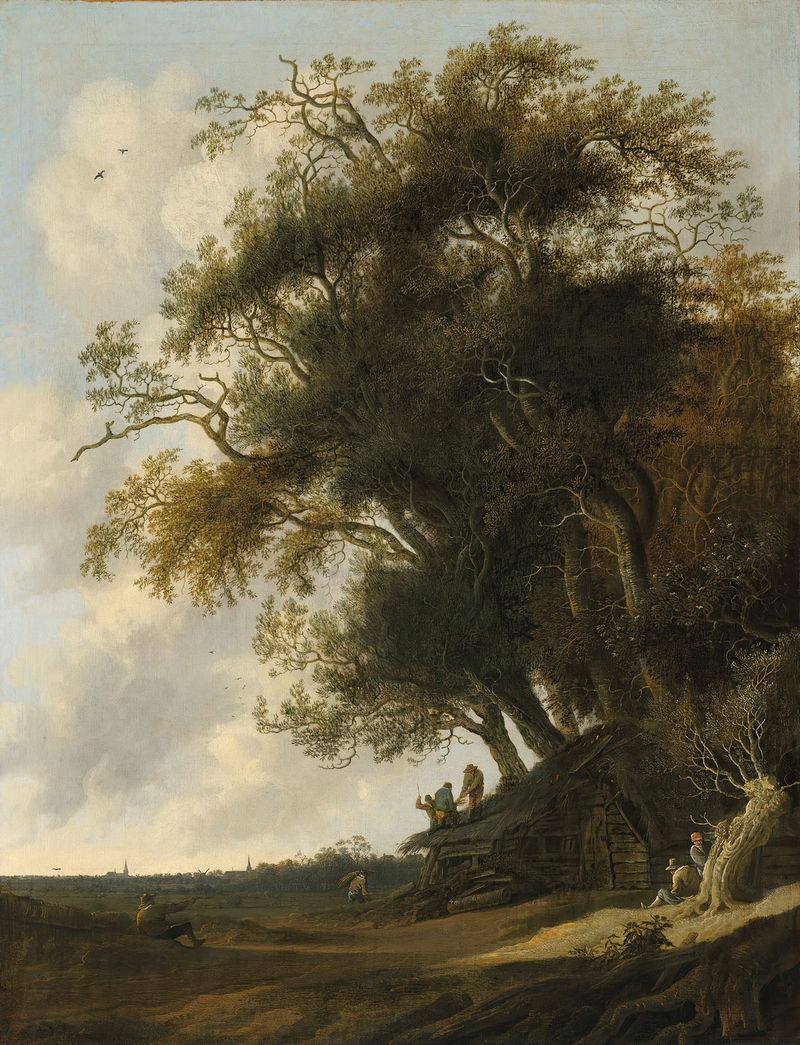
Thatchers mending a roof in a dune landscape
Anthonie Jansz. van der Croos
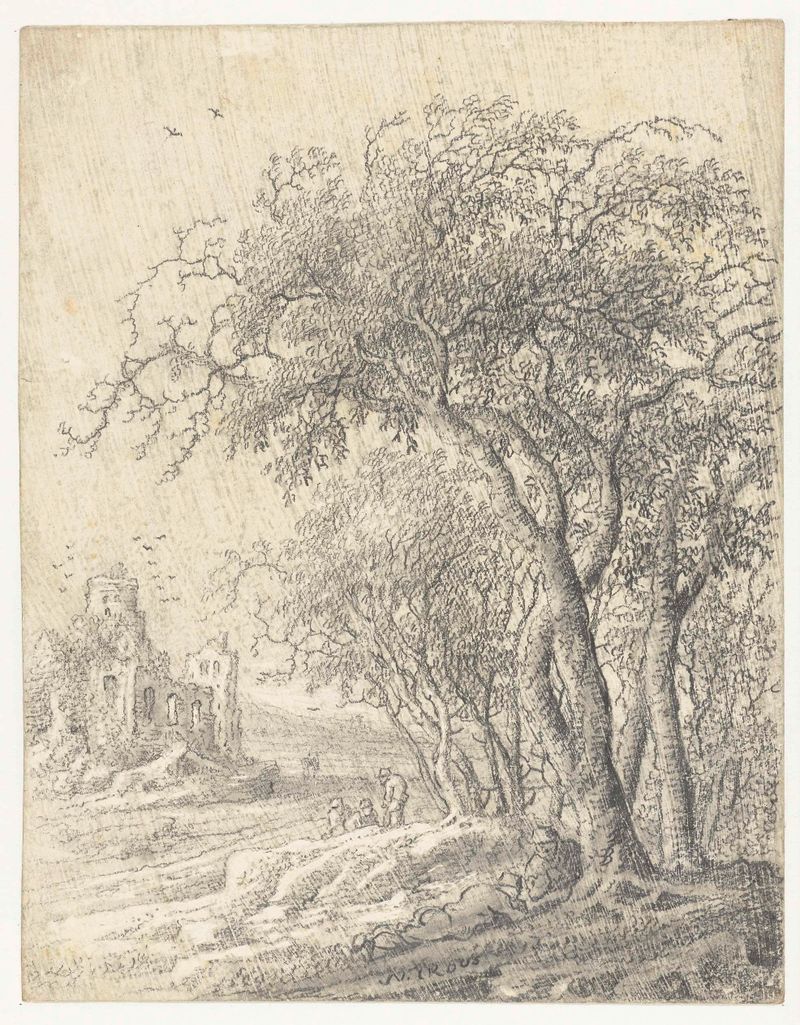
Landscape with Trees and a Ruin
Anthonie Jansz. van der Croos
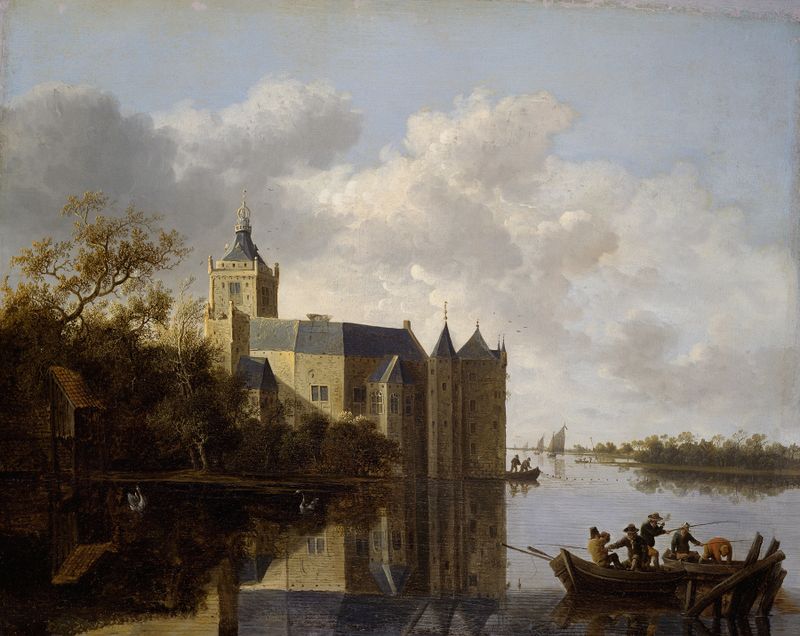
The Castle of Montfoort near Utrecht
Anthonie Jansz. van der Croos
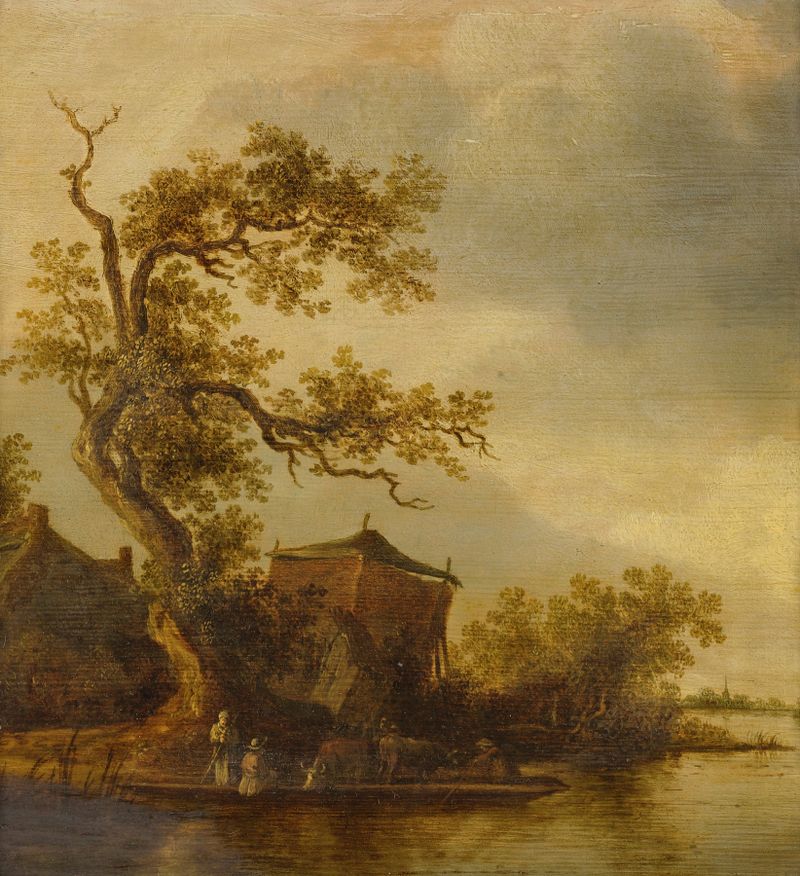
Fishermen Along A Lake With Their Cattle
Anthonie Jansz. van der Croos
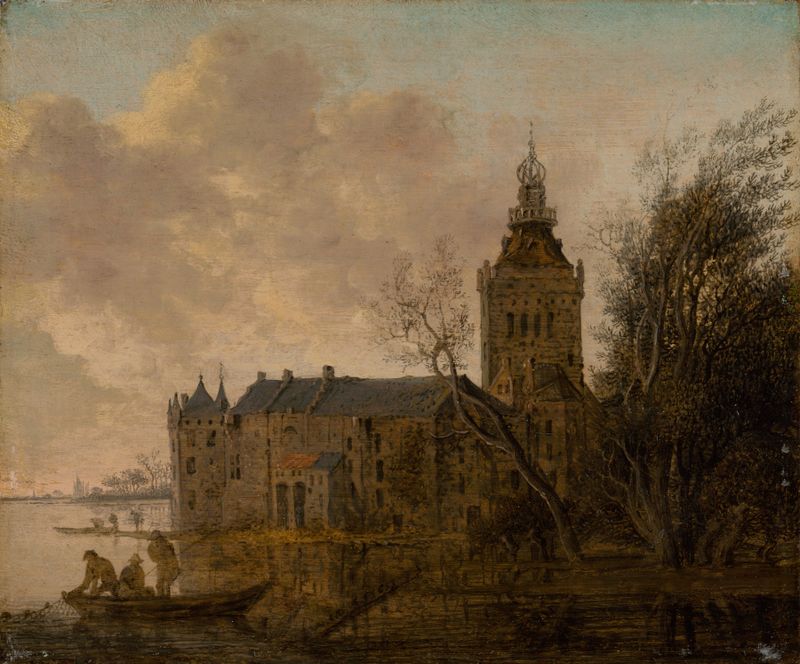
Château Montfort
Anthonie Jansz. van der Croos





