
Landscape with Church in Rijswijck — History & Facts
Is this a mirror — or a memory? The landscape unfolds with a haunting tranquility, an echo of moments lost yet palpably felt. Look to the foreground, where a gentle stream meanders through clusters of lush greenery, its surface reflecting the soft hues of the sky. Notice how the delicate brushstrokes create a sense of movement in the foliage, while the church, stoic and serene, stands as a sentinel. The interplay of light and shadow casts a contemplative mood, inviting the viewer to linger and reflect on the passage of time and the weight of silence that fills the air. As you delve deeper, consider the contrasting elements within the painting.
The vibrant greenery suggests life, yet the calmness of the scene hints at an underlying sorrow, a poignant reminder of what once was. The church, perhaps a symbol of solace and connection, holds a deeper significance — it stands isolated, much like the grief that can envelop those left behind. This juxtaposition of vitality and stillness evokes a sense of yearning, a longing for what has faded away. In 1650, the artist crafted this piece during a period of transition in Dutch art, where landscapes became increasingly infused with personal narratives and emotional depth.
Van der Croos, operating in a time when artists sought to capture both the beauty of nature and the human experience, found himself reflecting on themes of loss and remembrance, enveloping his work in a bittersweet reverie that resonates even today.
More Artworks by Anthonie Jansz. van der Croos
Browse all →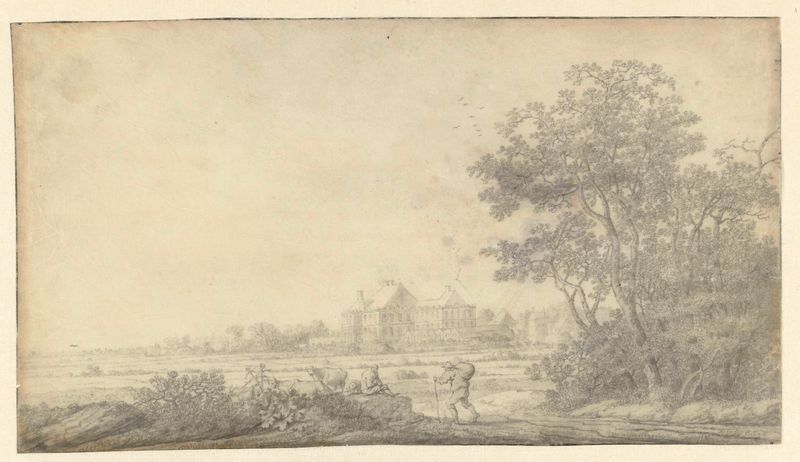
View of Huis ter Nieuburch, Rijswijk, Seen from the East
Anthonie Jansz. van der Croos

A river landscape with a fortified town and a fishing boat
Anthonie Jansz. van der Croos
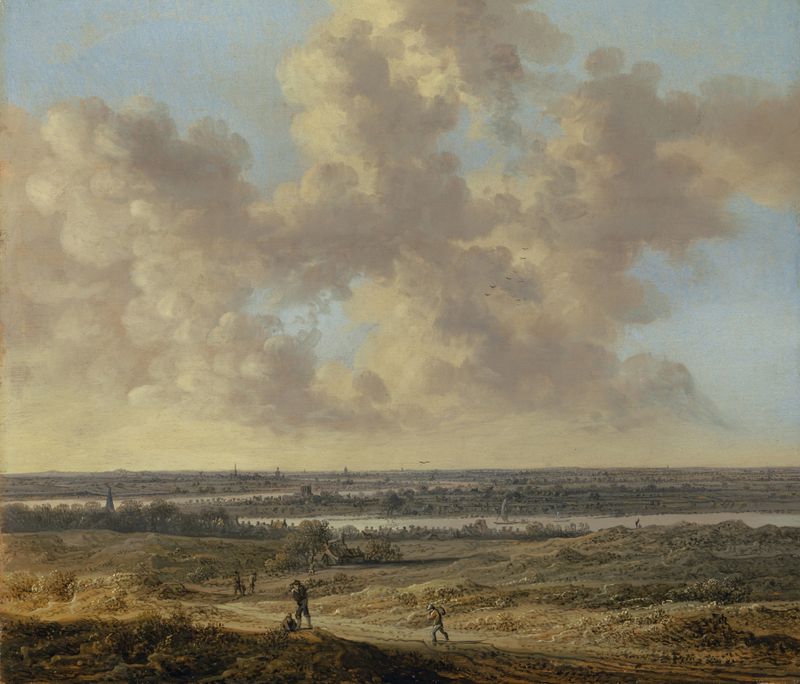
Plain with River
Anthonie Jansz. van der Croos
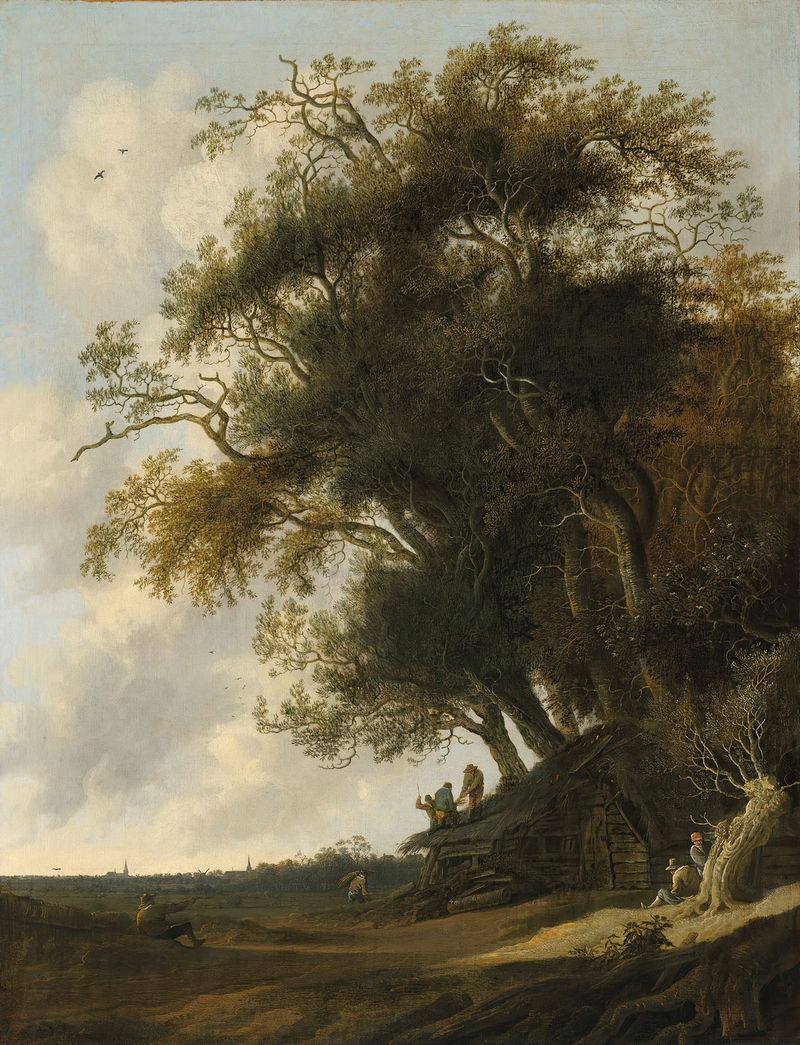
Thatchers mending a roof in a dune landscape
Anthonie Jansz. van der Croos
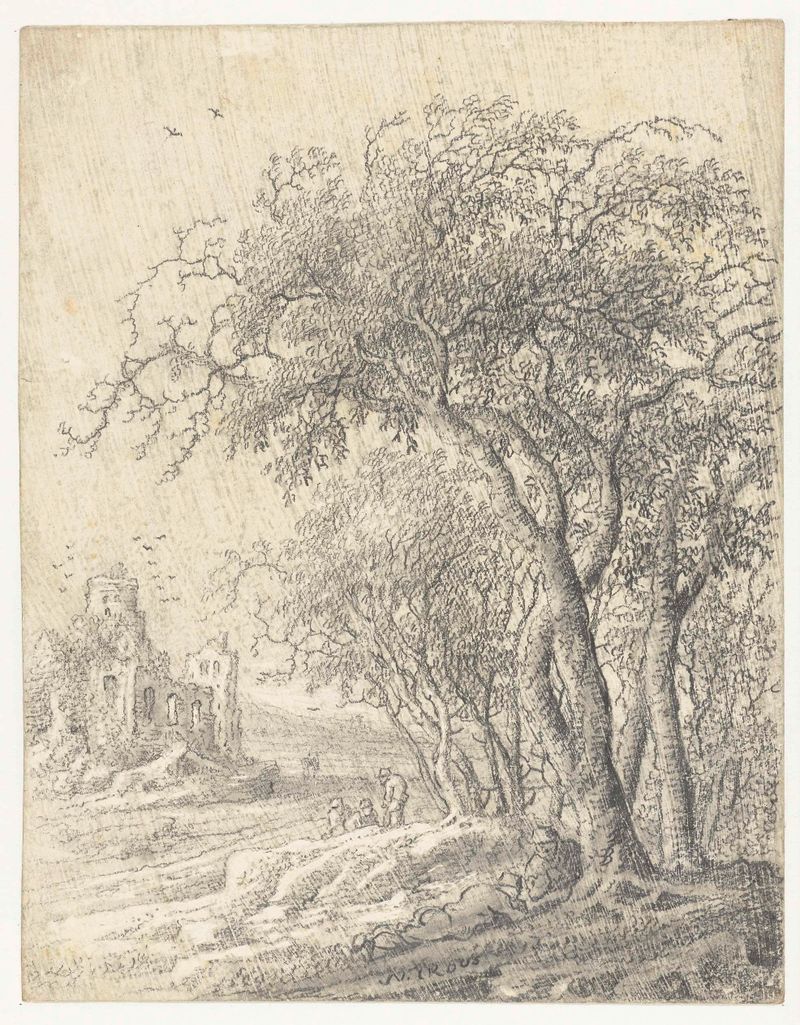
Landscape with Trees and a Ruin
Anthonie Jansz. van der Croos
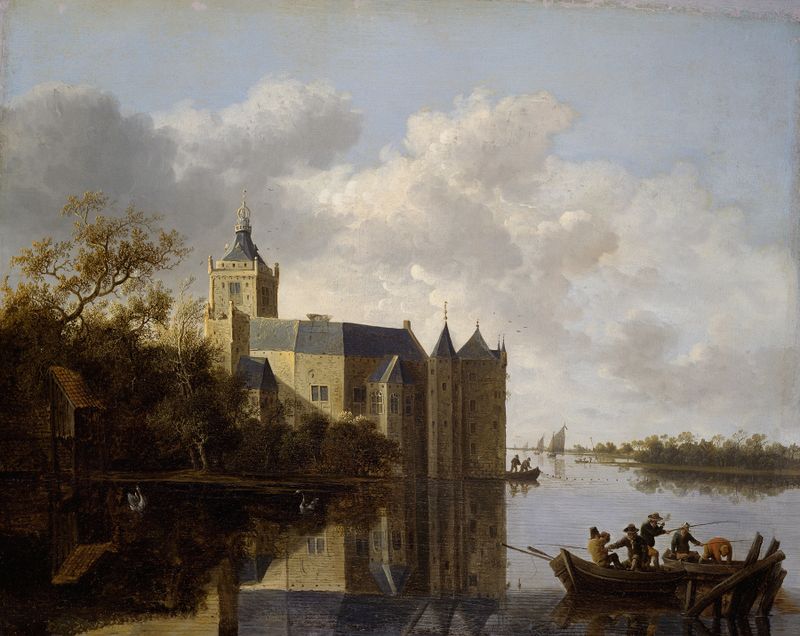
The Castle of Montfoort near Utrecht
Anthonie Jansz. van der Croos
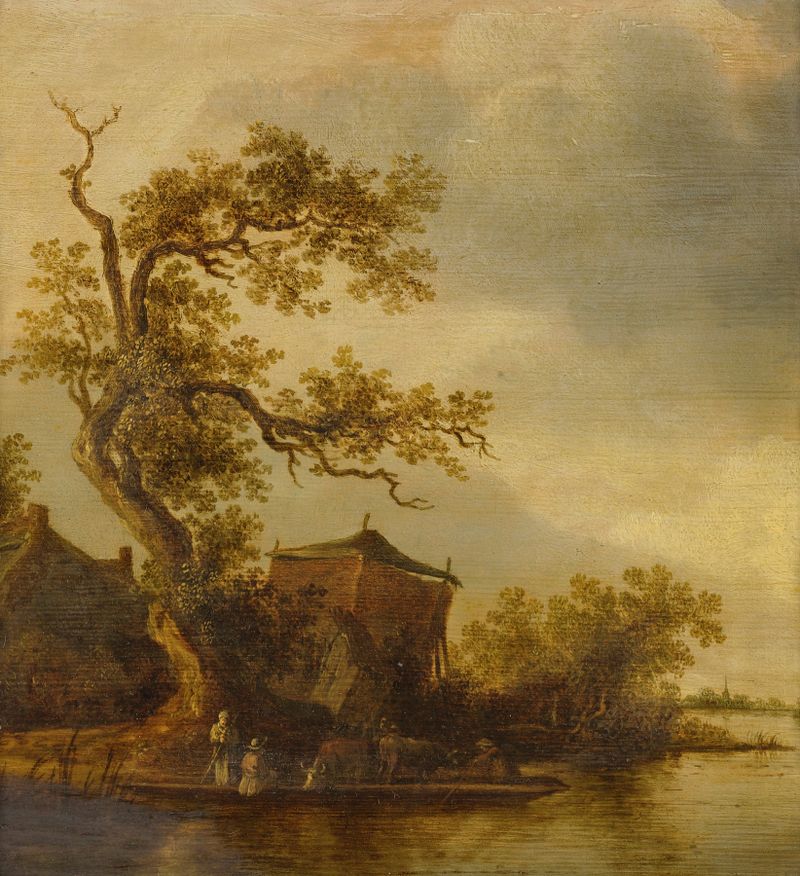
Fishermen Along A Lake With Their Cattle
Anthonie Jansz. van der Croos
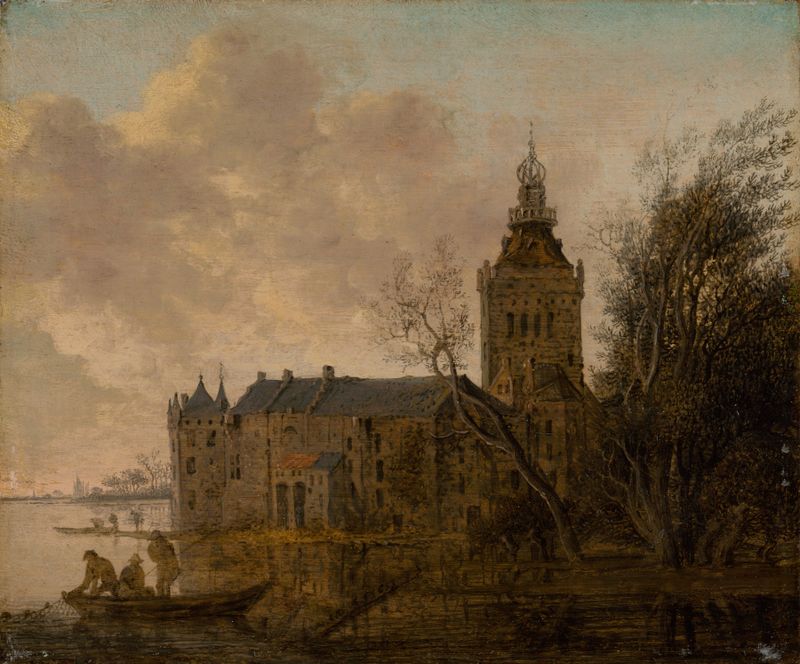
Château Montfort
Anthonie Jansz. van der Croos





