
View of Huis ter Nieuburch, Rijswijk, Seen from the East — History & Facts
Is this a mirror — or a memory? The delicate interplay of light and shadow in View of Huis ter Nieuburch, Rijswijk, Seen from the East evokes a sense of nostalgia that transcends time, inviting contemplation on what is real and what is merely reflected in our minds. Look to the left at the grand façade of the Huis ter Nieuburch, its architectural elegance rising majestically against a tranquil sky. The artist employs a muted palette, with soft blues and greens that complement the warm hues of the building, creating a serene atmosphere. Notice how the shadows extend gracefully across the foreground, anchoring the composition while also hinting at the passage of time.
The careful detailing of the trees and the subtle ripples of the water invite the eye to wander, as if one could step into this idyllic scene. Hidden within this landscape is a tension between the idyllic and the ephemeral. The serene reflection on the water echoes the solid structure of the house, yet the gentle disturbance of the surface reminds us that nothing is permanent. The interplay between light and shadow speaks to the transient nature of memory; it is both concrete and elusive.
Each brushstroke captures a moment, yet suggests the inevitability of change, emphasizing both the beauty and the fragility of existence. In 1643, van der Croos painted this scene during a time when the Dutch Golden Age was flourishing, reflecting the period’s fascination with landscape and architecture. Working in the context of a burgeoning middle class that prized both aesthetics and natural beauty, he captured a moment of tranquility amidst an evolving world—one where art served as a bridge between reality and idealized memory.
More Artworks by Anthonie Jansz. van der Croos
Browse all →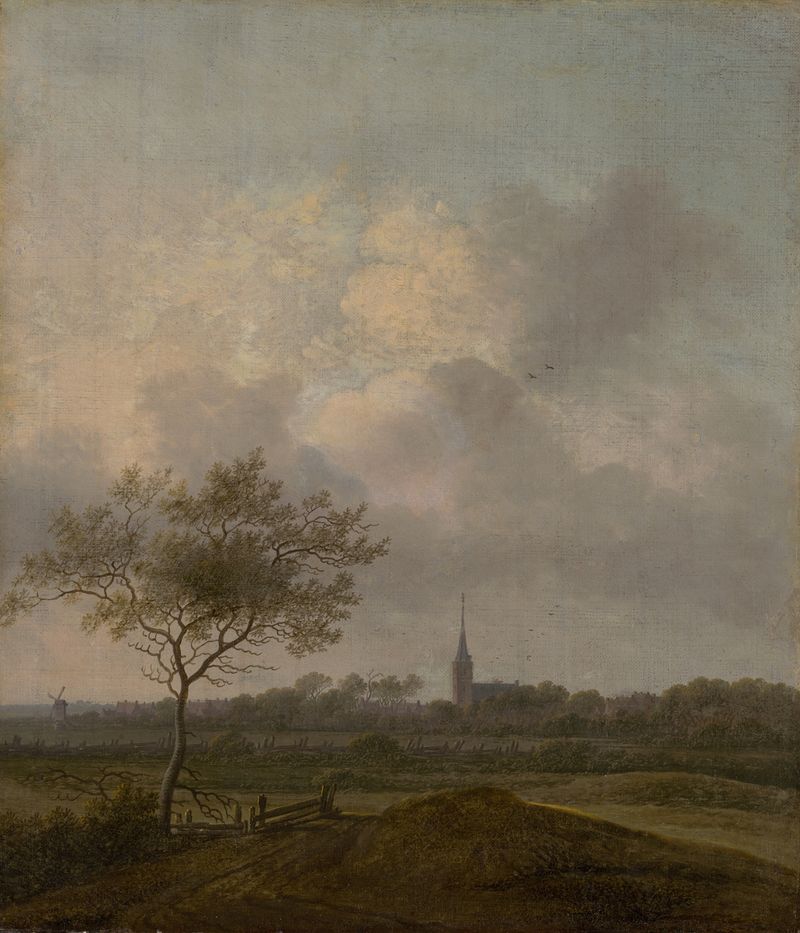
Landscape with Church in Rijswijck
Anthonie Jansz. van der Croos

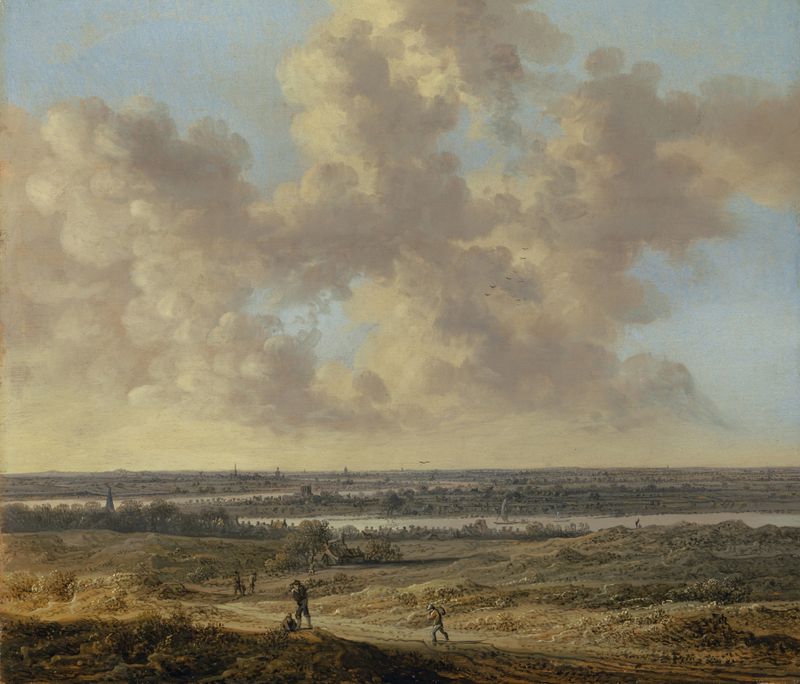
A river landscape with a fortified town and a fishing boat
Anthonie Jansz. van der Croos
Plain with River
Anthonie Jansz. van der Croos
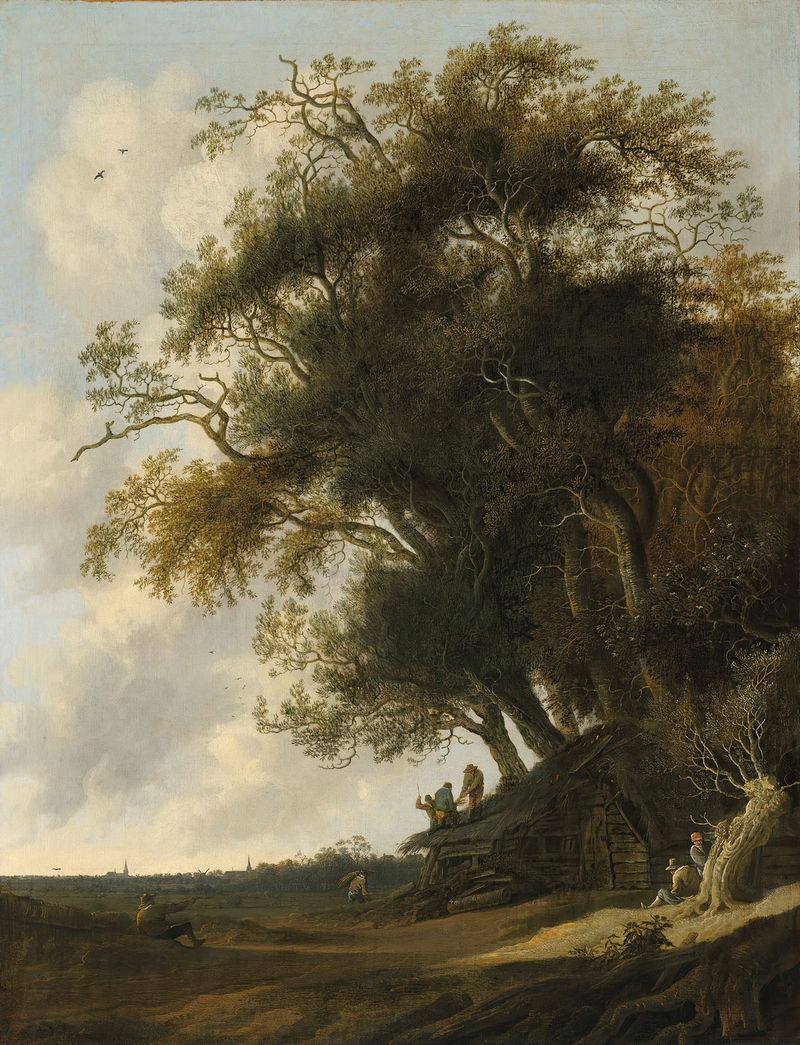
Thatchers mending a roof in a dune landscape
Anthonie Jansz. van der Croos
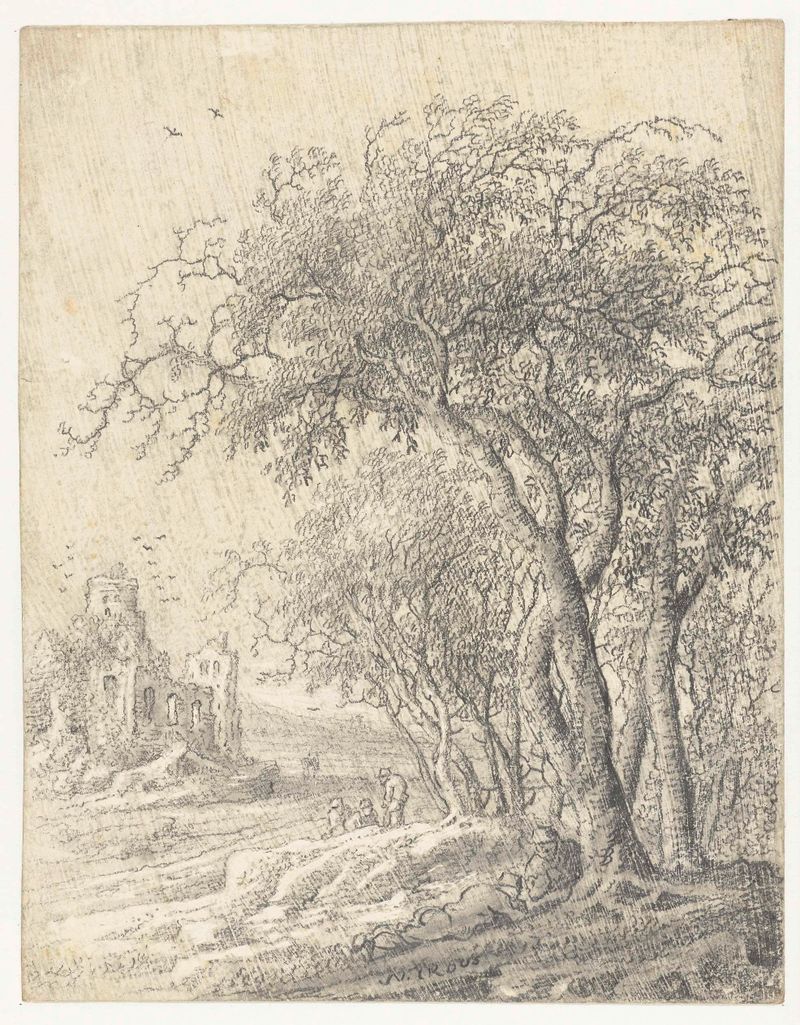
Landscape with Trees and a Ruin
Anthonie Jansz. van der Croos
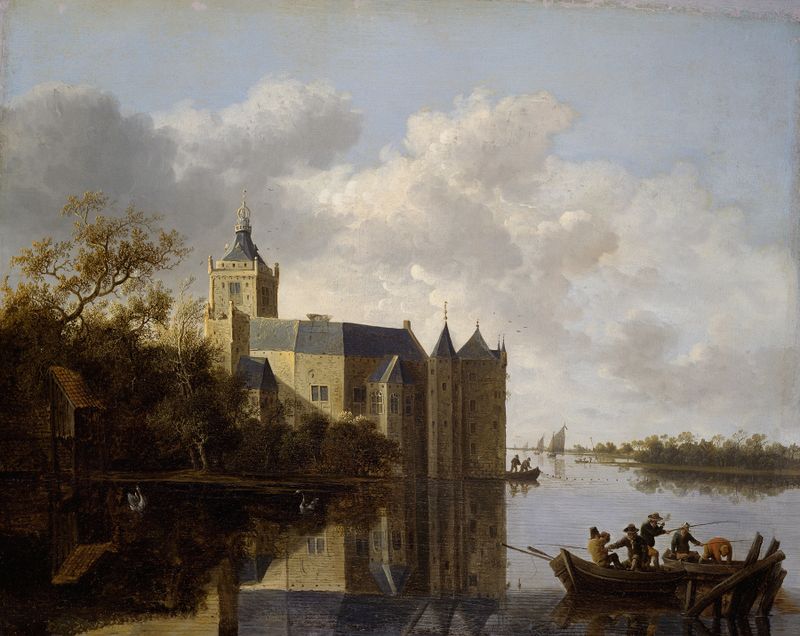
The Castle of Montfoort near Utrecht
Anthonie Jansz. van der Croos
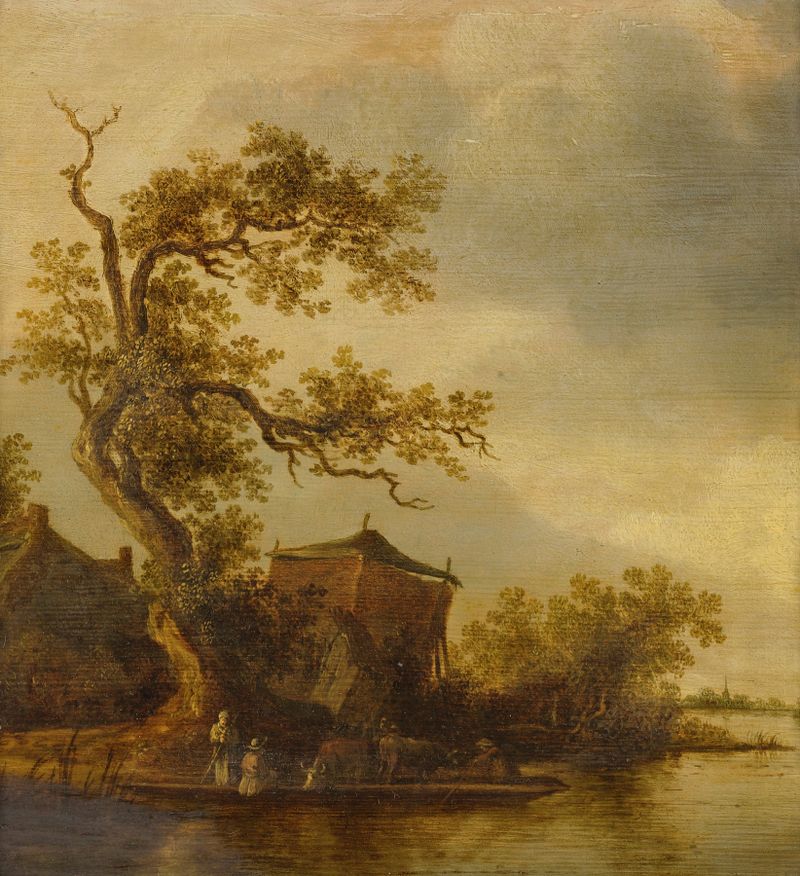
Fishermen Along A Lake With Their Cattle
Anthonie Jansz. van der Croos
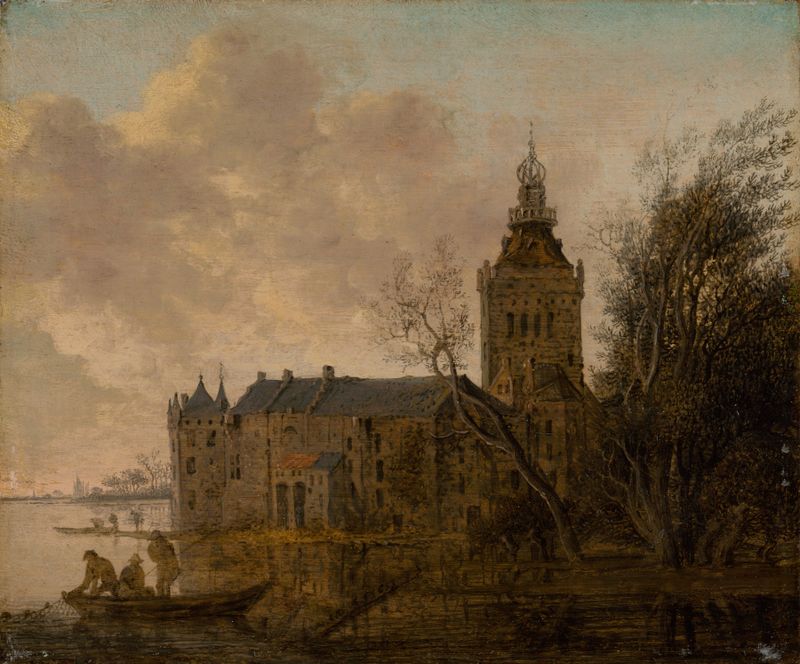
Château Montfort
Anthonie Jansz. van der Croos
More Architecture Art
Browse all →
The statue of Liberty
Frédéric Auguste Bartholdi

View of Houses in Delft, Known as ‘The Little Street’
Johannes Vermeer

View of Houses in Delft, Known as ‘The Little Street’
Johannes Vermeer

The Cathedral in Rouen. The portal, Grey Weather
Claude Monet

The yellow house
Vincent van Gogh

The Church in Auvers-sur-Oise, View from the Chevet
Vincent van Gogh