Cimon en Pero tussen twee tritons — History & Facts
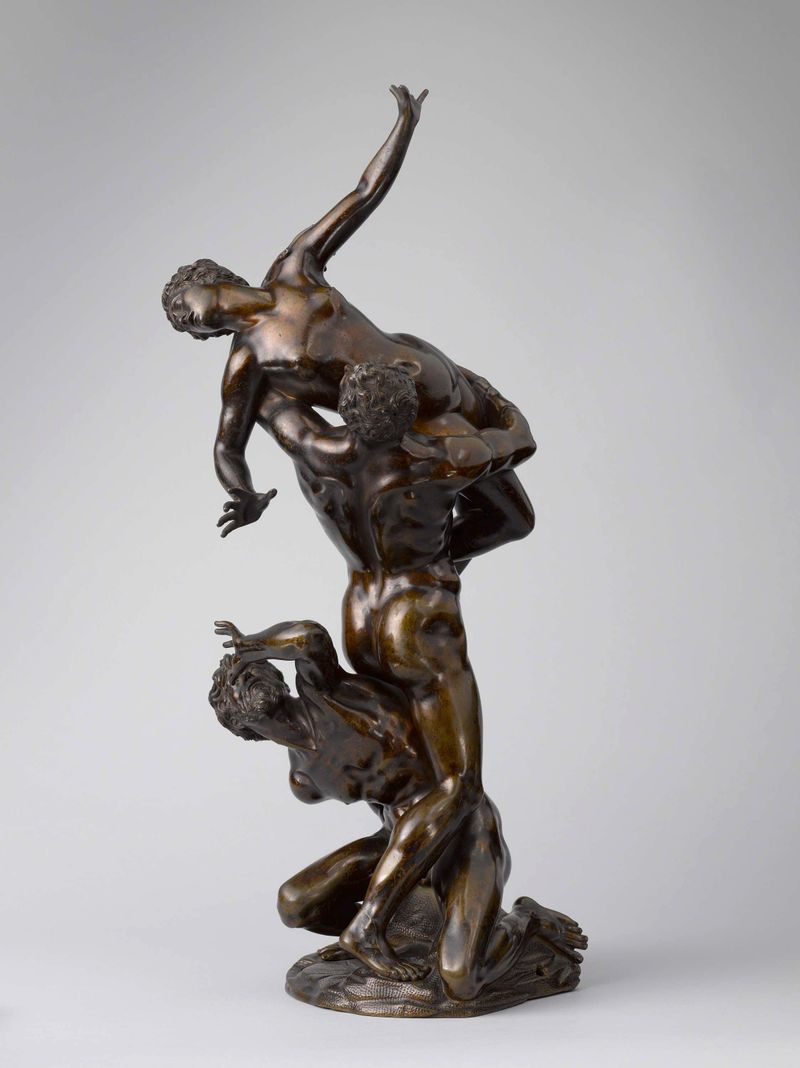
Where does light end, and longing begin? In the delicate interplay of illumination and shadow, Cimon en Pero tussen twee tritons captures that ethereal border, drawing us into a world where desire and hope intertwine amidst the elements of water and myth. Look to the center of the composition, where the figures of Cimon and Pero emerge, illuminated by a gentle, celestial glow. Their expressions are intricately detailed, revealing a tapestry of emotions — love, longing, and a quiet yearning for connection. The two tritons, poised on either side, cradle them in a frame of swirling waves and dynamic movement, accentuating the intensity of the moment.
The artist employs soft, muted colors, allowing the figures to stand out while the background recedes into a serene, oceanic haze. Beneath the surface, layers of meaning ripple through this work. The presence of the tritons symbolizes the duality of nature — the tumultuous yet nurturing aspects of life. Cimon's gaze towards Pero hints at deeper themes of fate and sacrifice, while her gentle touch suggests an unwavering bond, even amidst uncertainty.
This tension encapsulates a timeless narrative of love, bridging the gap between the human experience and the mythical realm, inviting viewers to ponder their own longings. Created between 1510 and 1550, this piece emerged during a period of great transformation in European art. Hans Sebald Beham, a prominent figure of the Northern Renaissance, was influenced by both classical themes and contemporary humanist thought. As he painted, the art world was evolving, with a growing interest in individual emotion and storytelling — a shift that resonated through his intricate depictions and emotional depth.
More Artworks by Hans Sebald Beham
Browse all →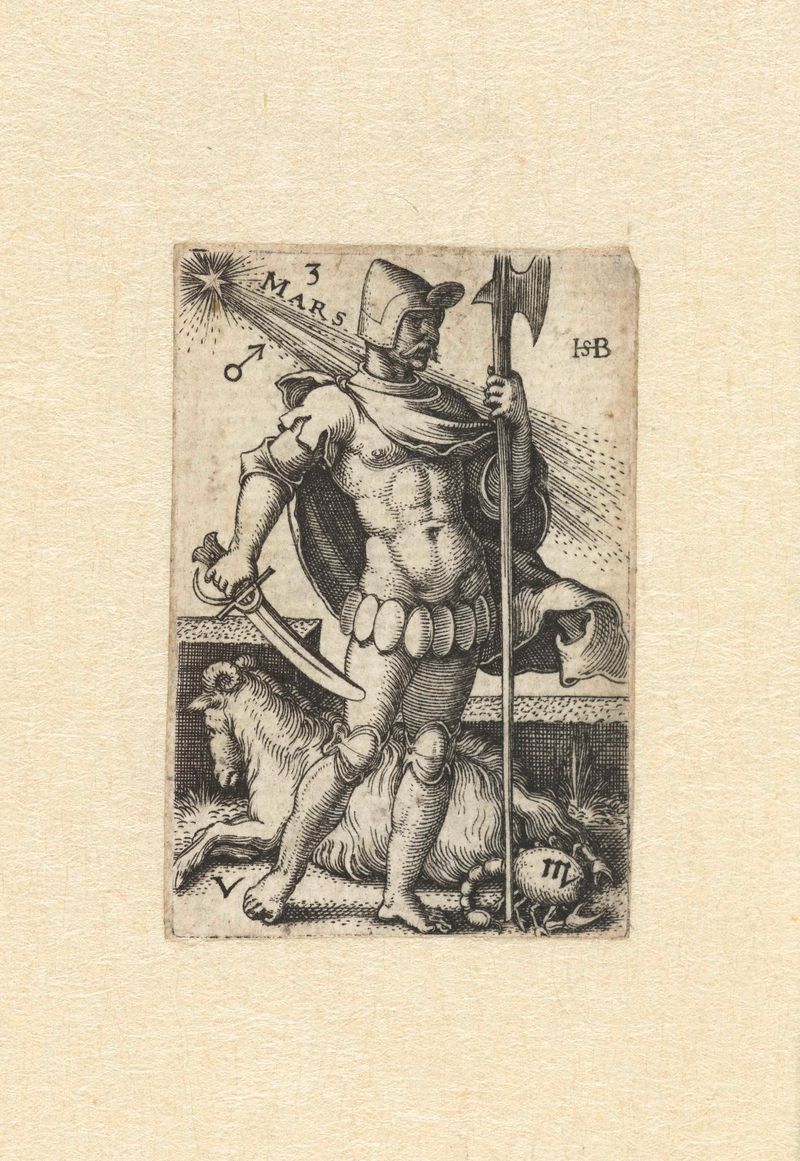
Mars met sterrenbeelden Ram en Schorpioen
Hans Sebald Beham

Achilles in gevecht met Hector
Hans Sebald Beham
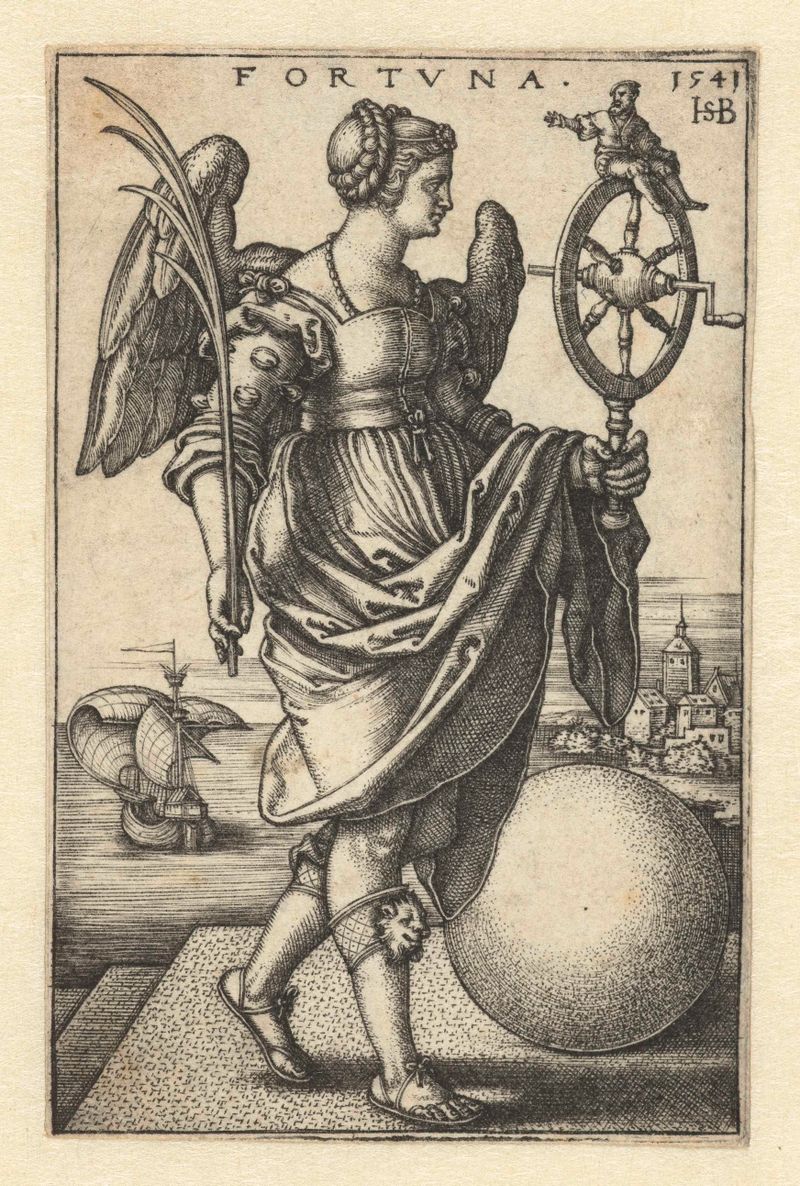
Fortuna
Hans Sebald Beham

Hercules worstelt met Antaeus
Hans Sebald Beham

Twee muzikanten met schalmey en doedelzak
Hans Sebald Beham

Voorzichtigheid (Prudentia)
Hans Sebald Beham

Hercules in gevecht met de Trojanen
Hans Sebald Beham
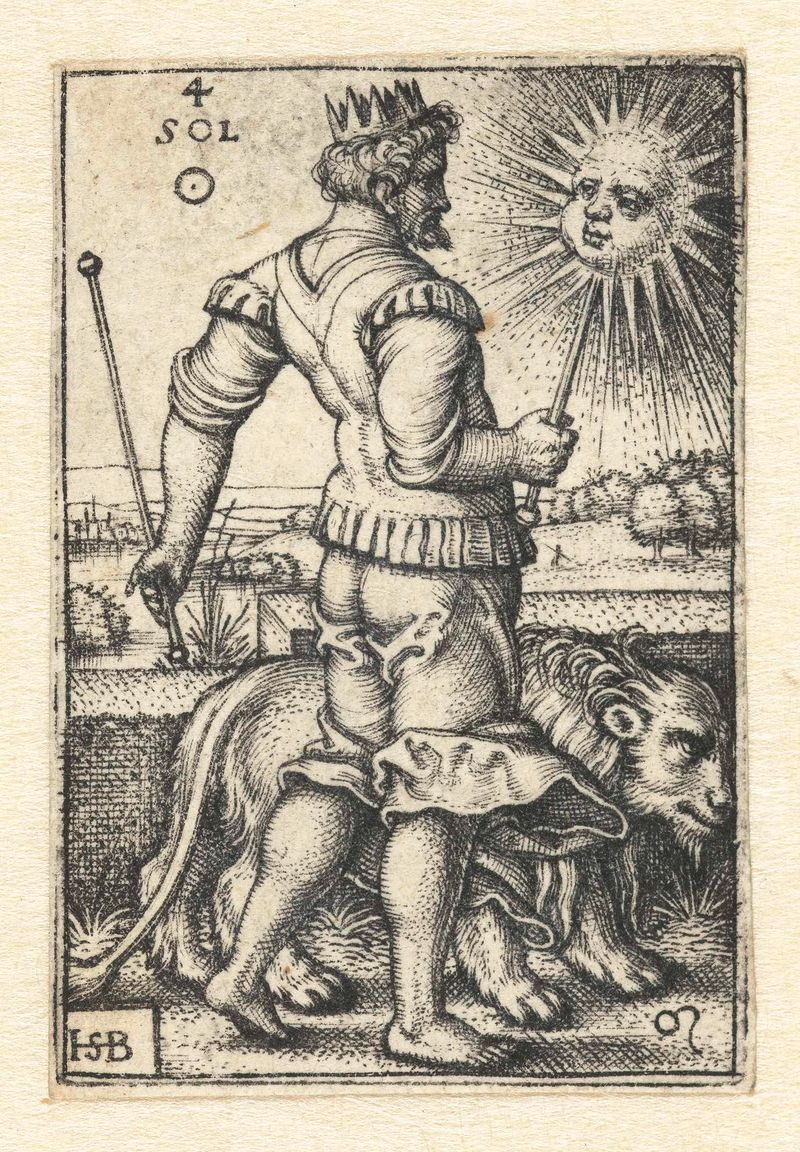
Apollo (Sol) met sterrenbeeld Leeuw
Hans Sebald Beham
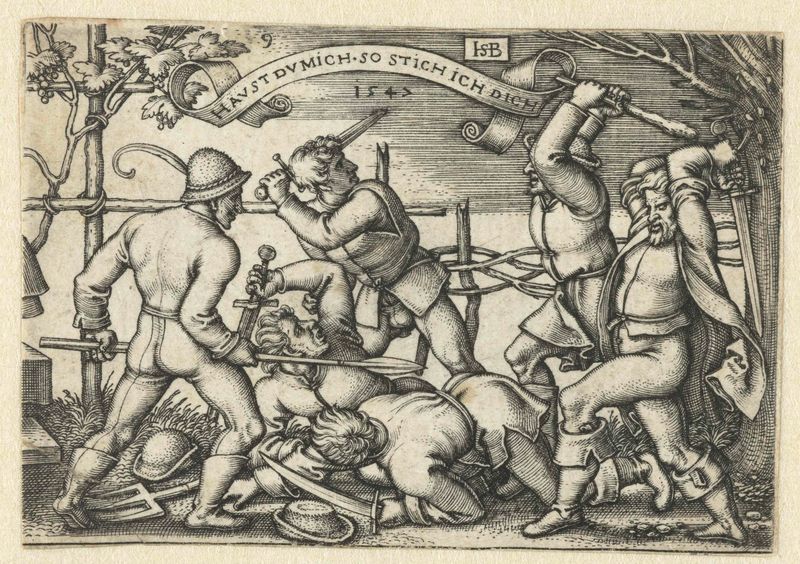
Vechtende boeren met zwaarden
Hans Sebald Beham
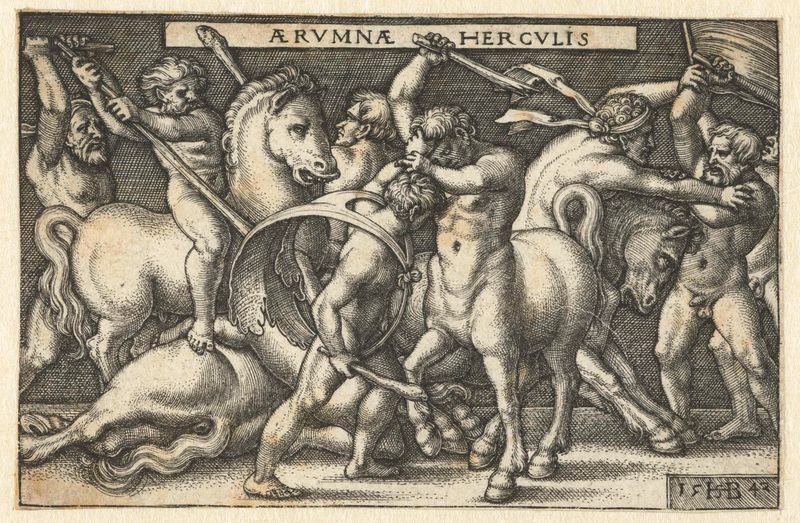
Hercules in gevecht met centaurs
Hans Sebald Beham