
Circus — History & Facts
A swirl of color and movement pulls the viewer straight into the heart of the spectacle. The eye is caught first by the bold, rhythmic arcs of yellow and ochre that sweep across the canvas, evoking the tent’s billowing canopy and the charged air beneath. Figures in leotards—rendered in simplified, almost sculptural forms—lean together in a moment of shared anticipation or exertion, their bodies outlined in strong, confident brushstrokes.
The white horse, poised and luminous, waits quietly at the edge, while the blue chair in the foreground stands empty, a silent invitation to enter the ring. Every element is fractured and reassembled, as if seen through a kaleidoscope, heightening the sense of fleeting excitement that defines the circus. Painted in 1913, Circus belongs to a world on the cusp of modernity, when artists like August Macke were breaking free from academic traditions and searching for new ways to capture the energy of contemporary life. The circus, with its promise of wonder and its cast of performers, became a favorite subject for painters seeking to explore movement, color, and the spectacle of urban entertainment.
In the years leading up to the First World War, such scenes resonated with a society fascinated by both innovation and escape. Today, this work is part of the Museo Thyssen-Bornemisza collection in Madrid—a vivid reminder of a moment when the circus ring was not just a stage, but a symbol of artistic possibility. Let your gaze linger: every patch of color and every curve is part of the performance.
More Artworks by August Macke
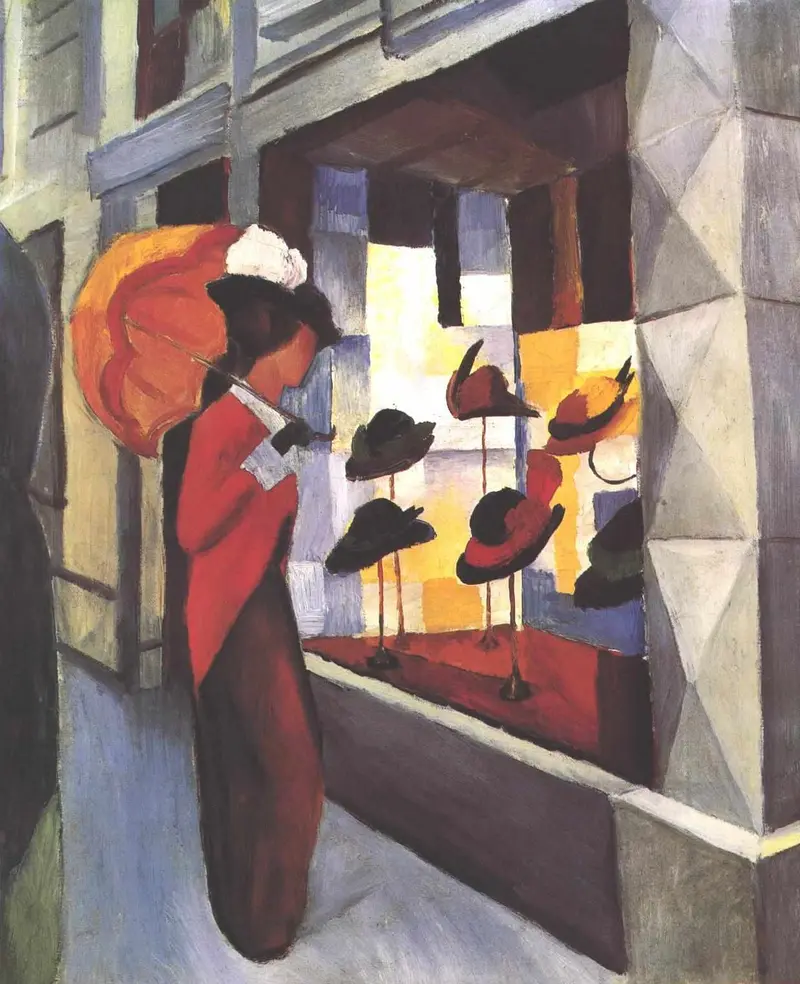
Woman with a Parasol in Front of a Hat Shop
August Macke

Street with Church in Kandern
August Macke
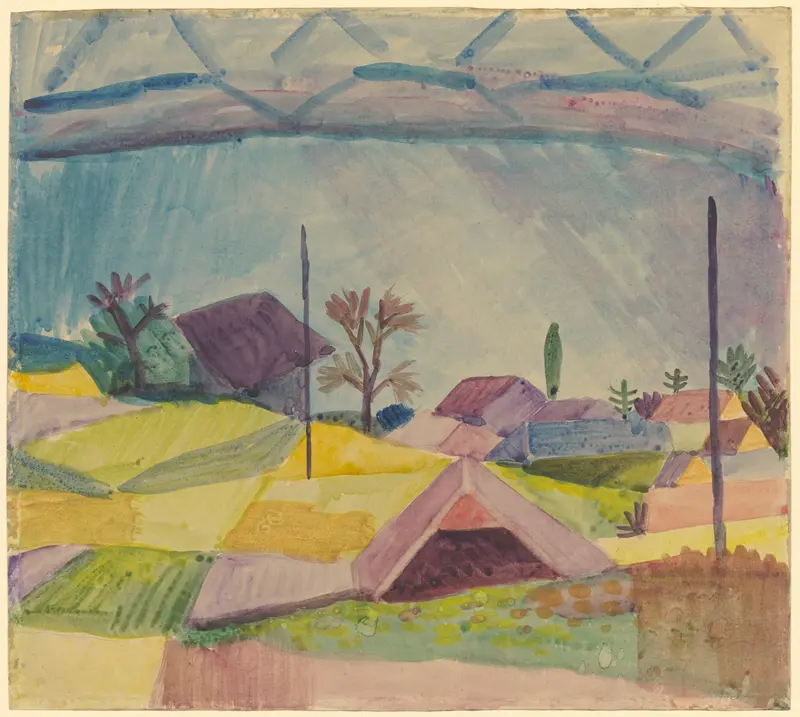
View of Hilterfingen
August Macke

Paar im Nachen
August Macke
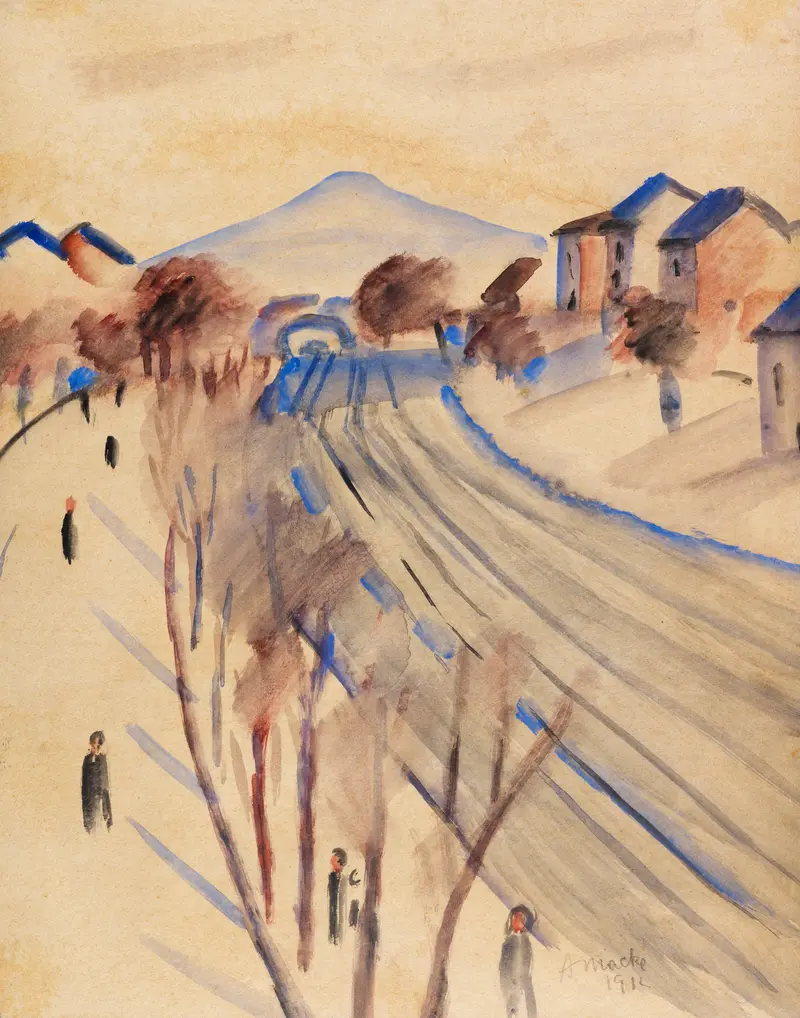
Ölberg mit Bahngleisen II
August Macke
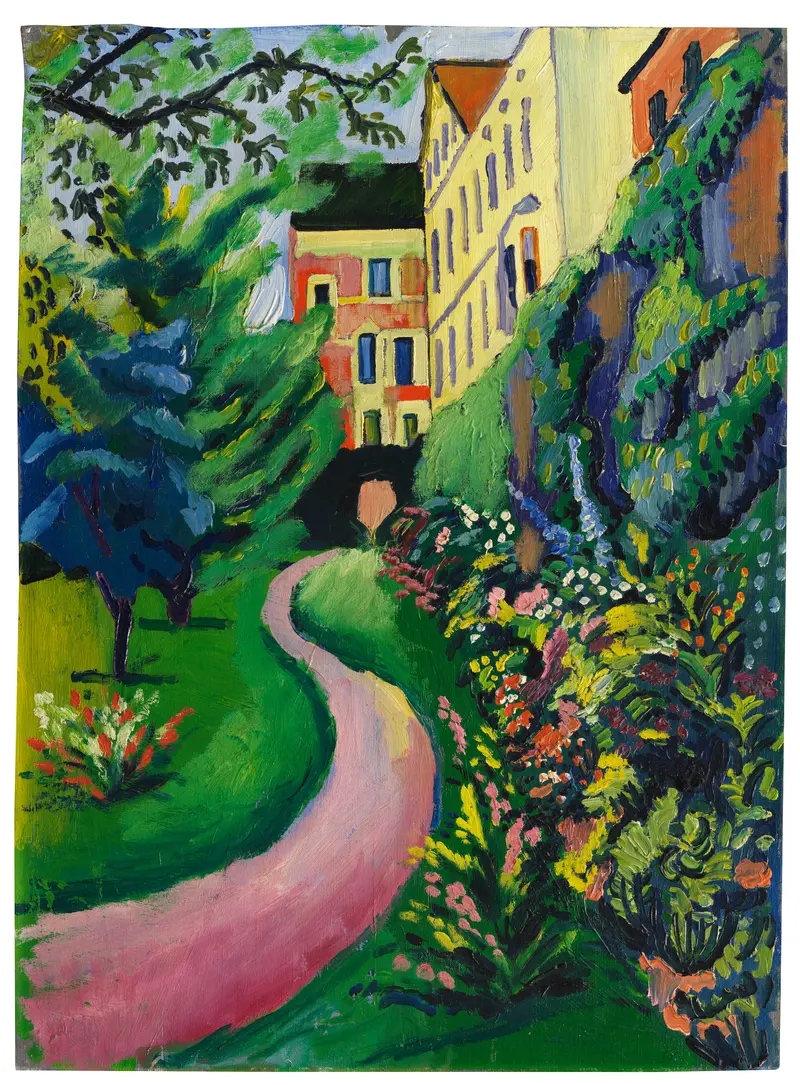
Unser Garten mit blühenden Rabatten
August Macke
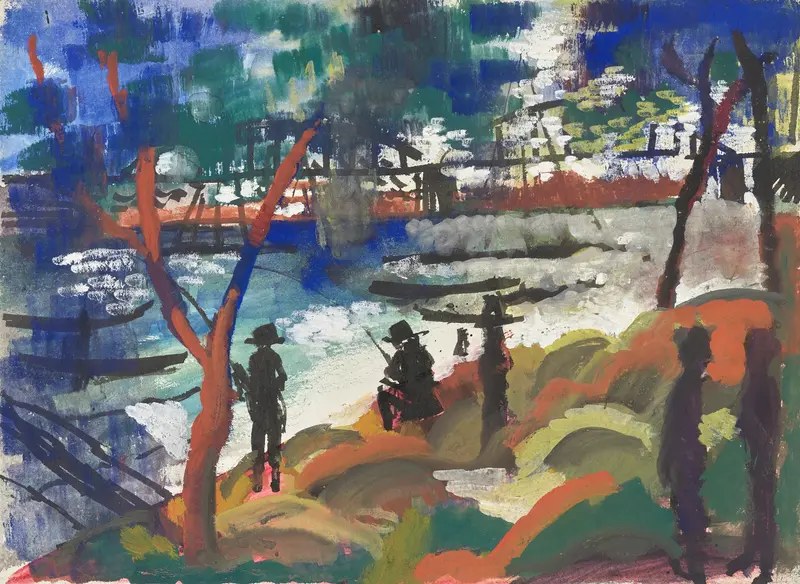
Angler am Fluss
August Macke
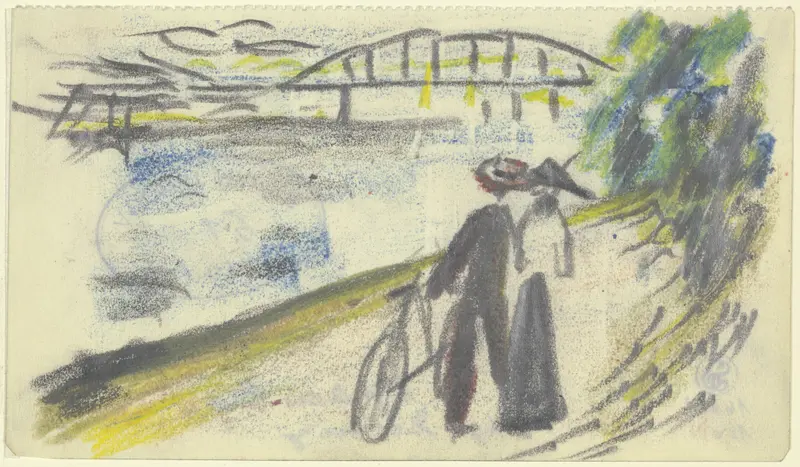
Path at the Rhine
August Macke
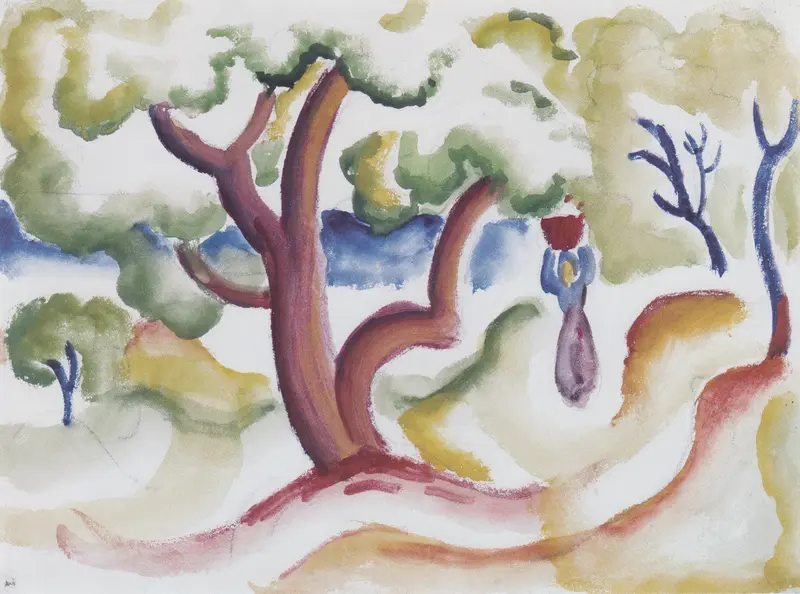
Frau mit Krug unter Bäumen
August Macke
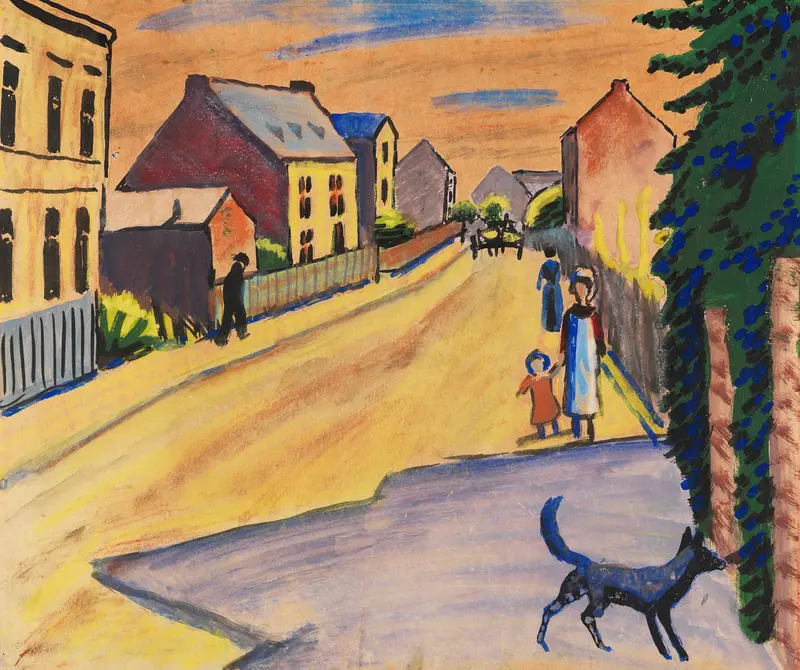
Sonnige Straße mit Hund
August Macke



