
City Skyscrapers — History & Facts
In a world overflowing with towering silhouettes, the weight of solitude often lingers in the shadows. As urban landscapes rise, loneliness whispers between the steel and glass, revealing a striking contrast between human ambition and emotional isolation. Look to the left at the sweeping curve of the building, where the lines converge toward a point that seems to stretch into infinity. Notice how the cool hues of blue and gray dominate the canvas, evoking a sense of distance and detachment.
The artist employs a delicate balance of light and shadow, allowing the sun’s rays to peek through the structures, illuminating the emptiness that dwells within the city’s heart. Each brushstroke is purposeful, guiding the viewer’s eye upward, as if inviting one to reconsider the meaning of height and isolation. In this composition, the juxtaposition of the towering skyscrapers and the vast, unfilled sky speaks to the duality of progress and loneliness. The intricate details of each building create a stark contrast with the surrounding void, revealing how humanity’s creations can simultaneously connect and alienate.
The city’s verticality symbolizes aspirations, yet the emptiness that envelops it evokes a profound sense of yearning, suggesting that even amidst the hustle, the individual remains solitary. In 1901, Otto Henry Bacher painted this piece while navigating the complexities of an evolving art world transitioning from realism to modernism. Residing in the United States, Bacher was deeply influenced by the burgeoning cityscapes that surrounded him, reflecting the rapid urbanization of the era. This artwork captures a moment of introspection, as the artist grapples with the implications of progress and the solitude it can bring to urban dwellers.
More Artworks by Otto Henry Bacher
Browse all →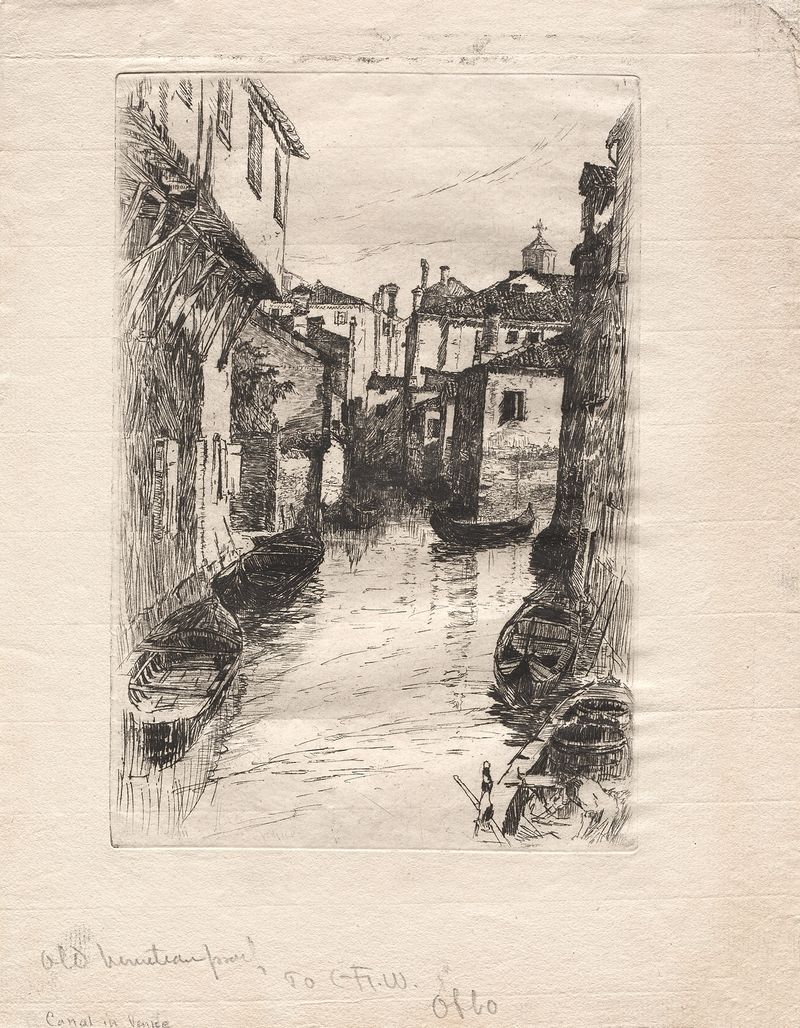
Canal in Venice
Otto Henry Bacher
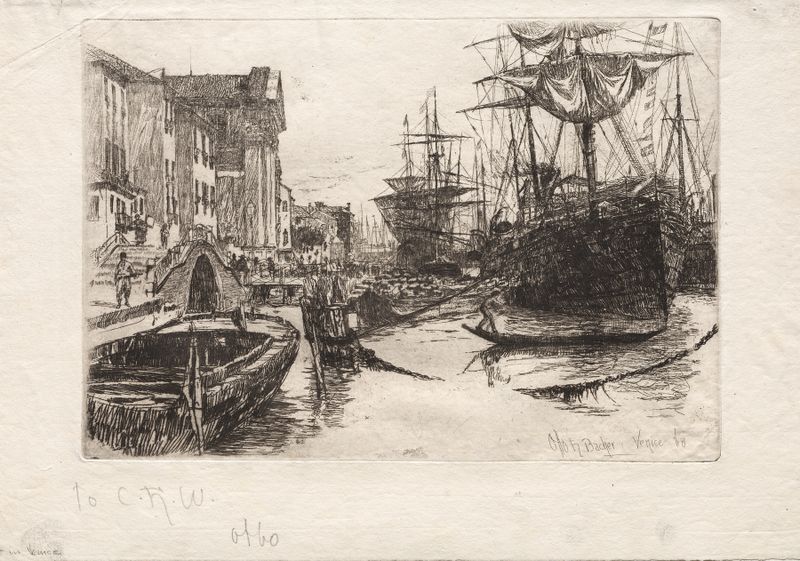
View in Venice
Otto Henry Bacher
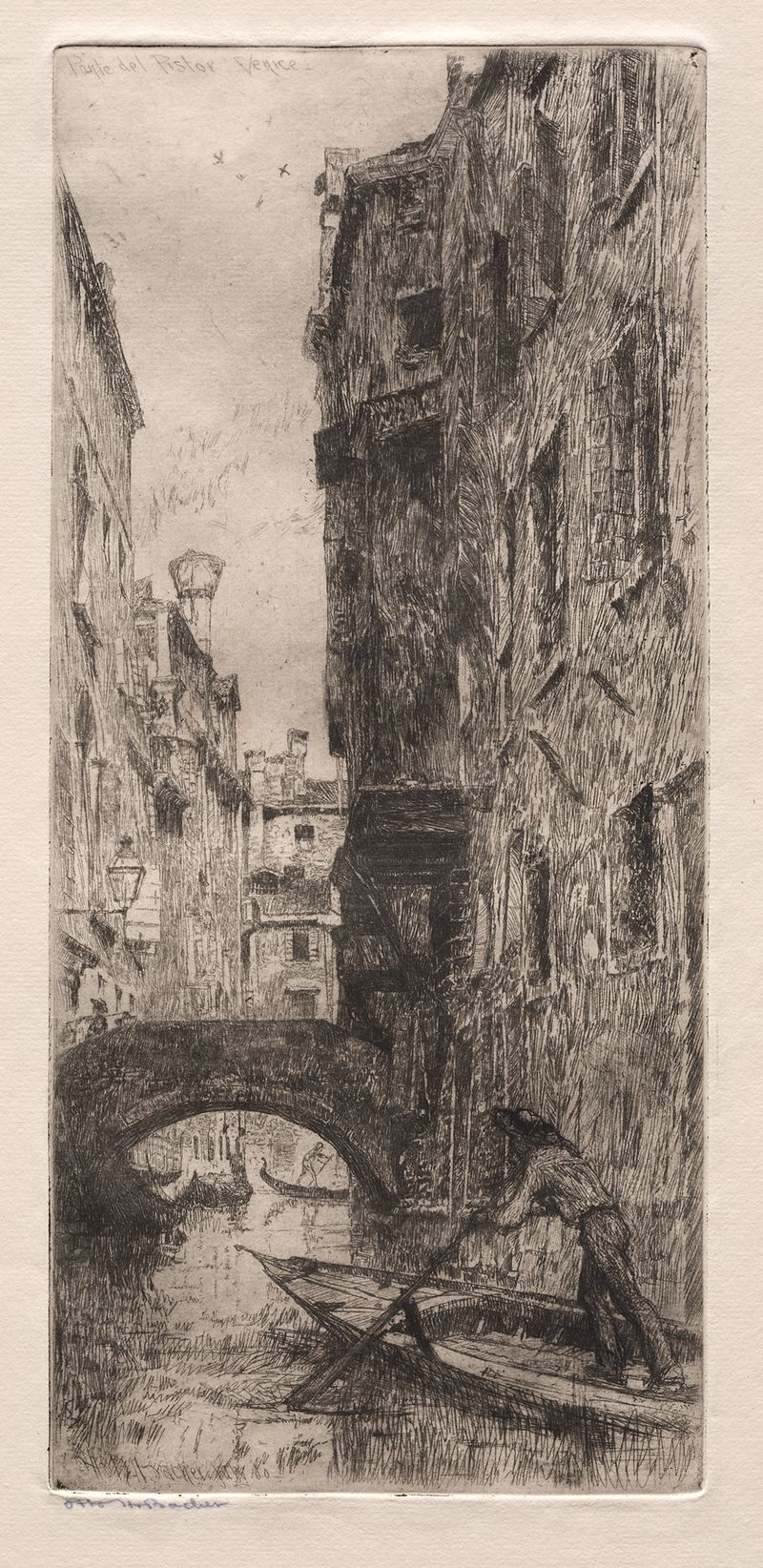
Ponte del Pistor, Venice
Otto Henry Bacher
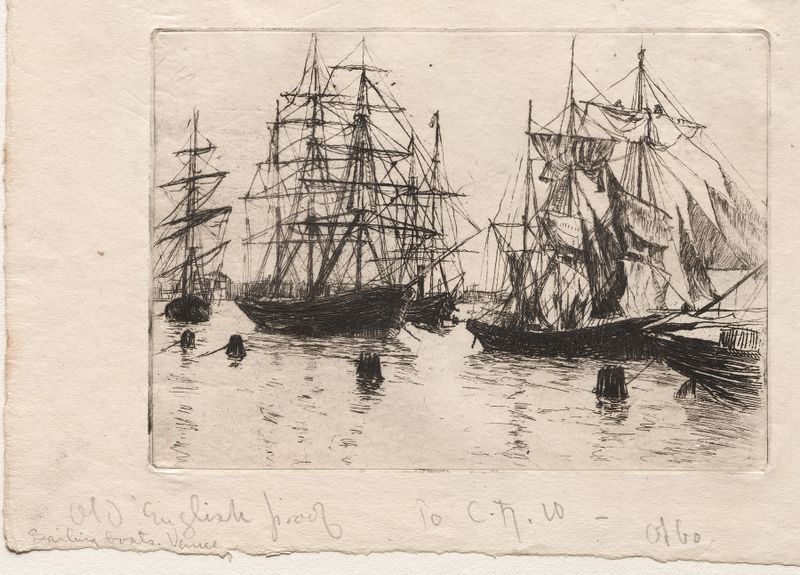
Sailing Boats, Venice
Otto Henry Bacher
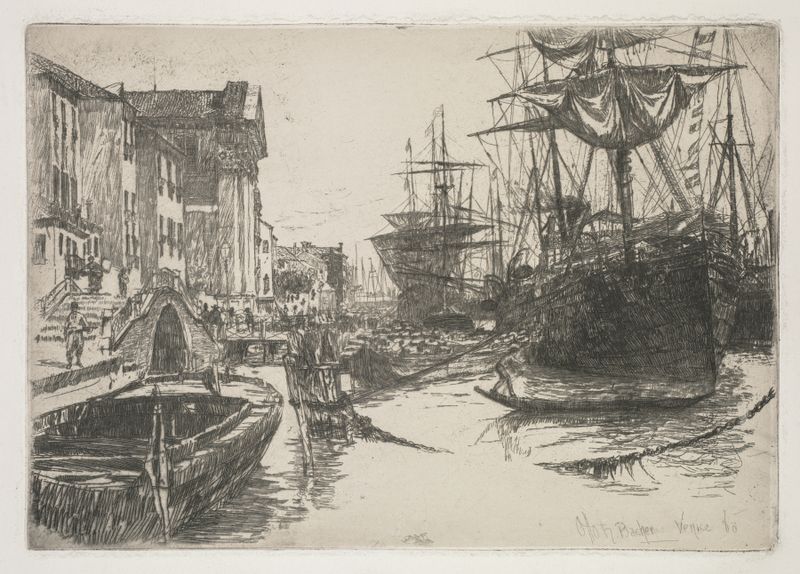
Fondamenta della Zattere
Otto Henry Bacher
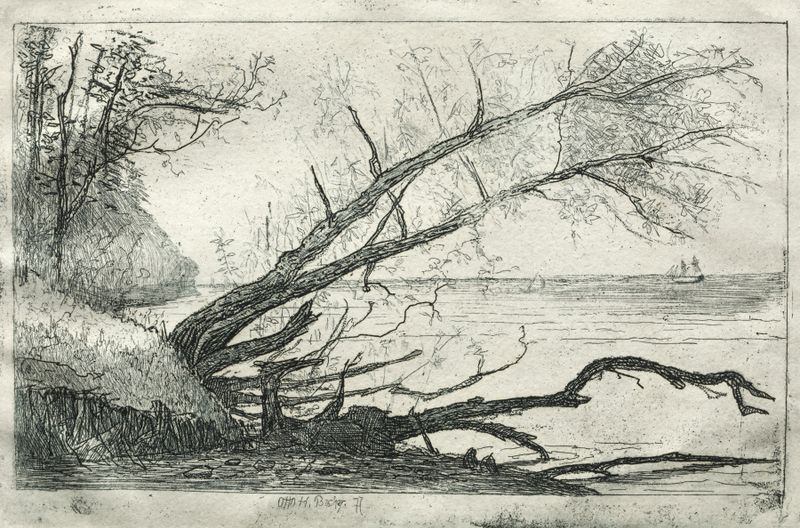
Old Sycamore
Otto Henry Bacher
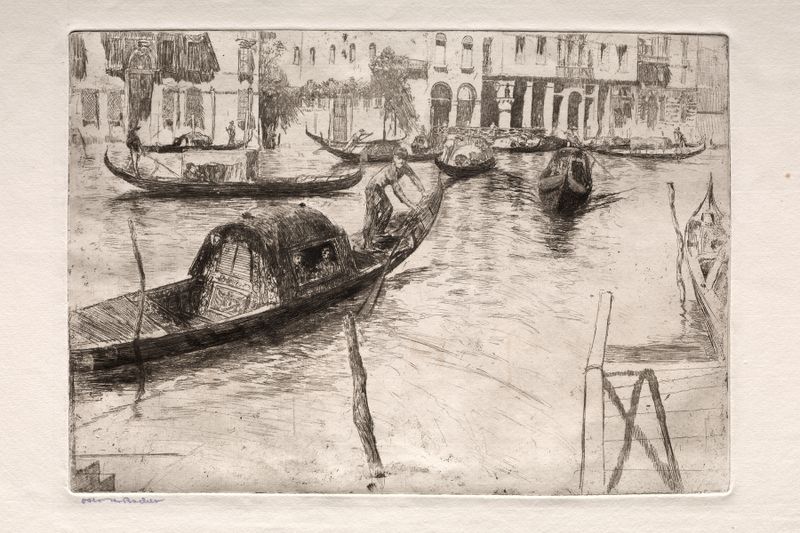
Traghetto San Felice
Otto Henry Bacher
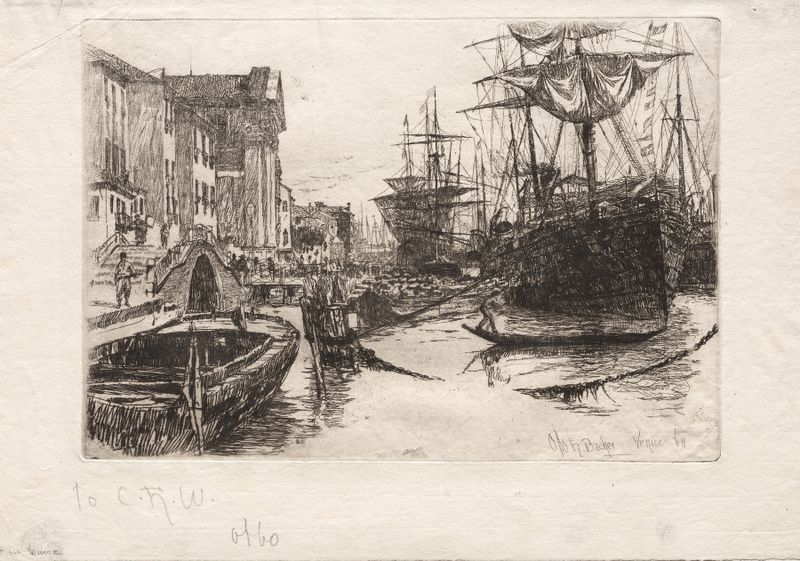
View in Venice
Otto Henry Bacher
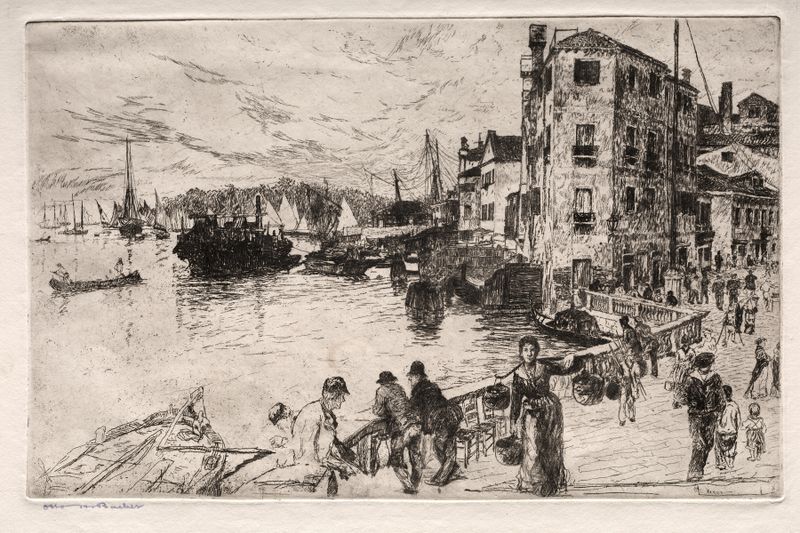
Castello Quarters, Riva
Otto Henry Bacher
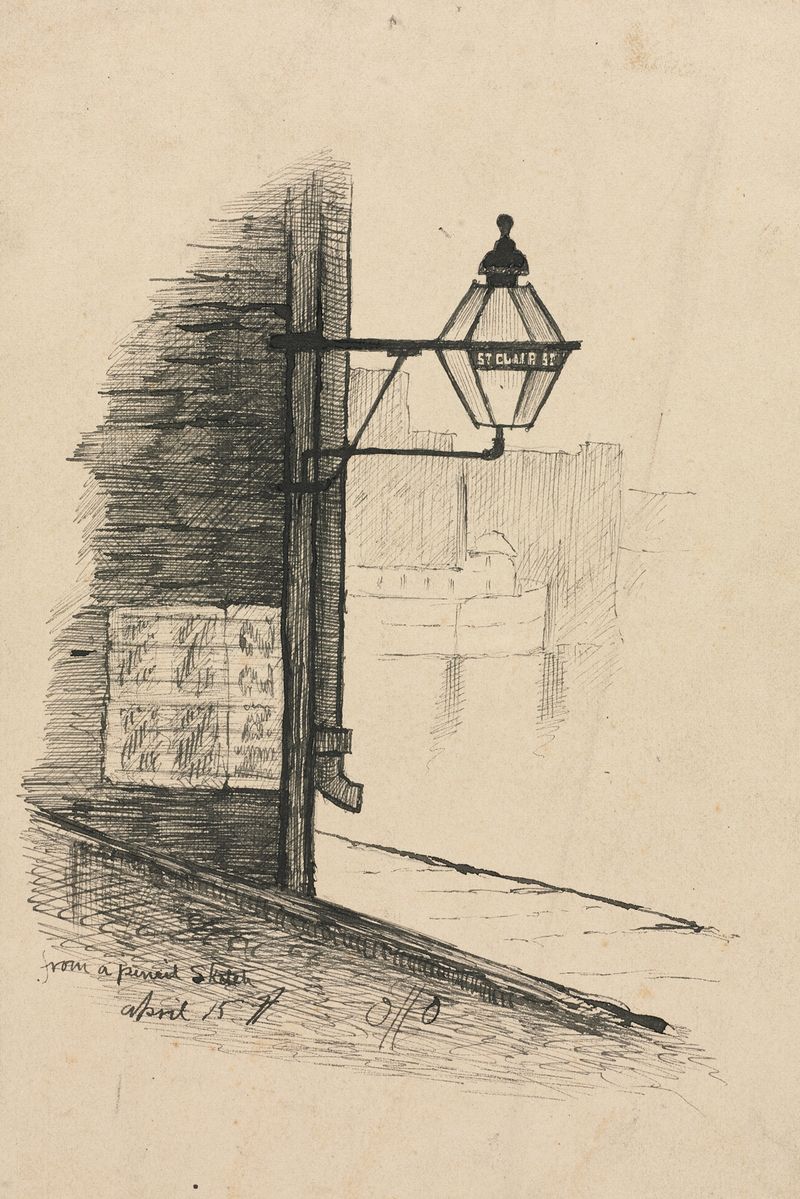
St. Clair Street, Cleveland
Otto Henry Bacher
More Architecture Art
Browse all →
The statue of Liberty
Frédéric Auguste Bartholdi

View of Houses in Delft, Known as ‘The Little Street’
Johannes Vermeer

View of Houses in Delft, Known as ‘The Little Street’
Johannes Vermeer

The Cathedral in Rouen. The portal, Grey Weather
Claude Monet

The yellow house
Vincent van Gogh

The Church in Auvers-sur-Oise, View from the Chevet
Vincent van Gogh