
Classical Landscape with Gypsies — History & Facts
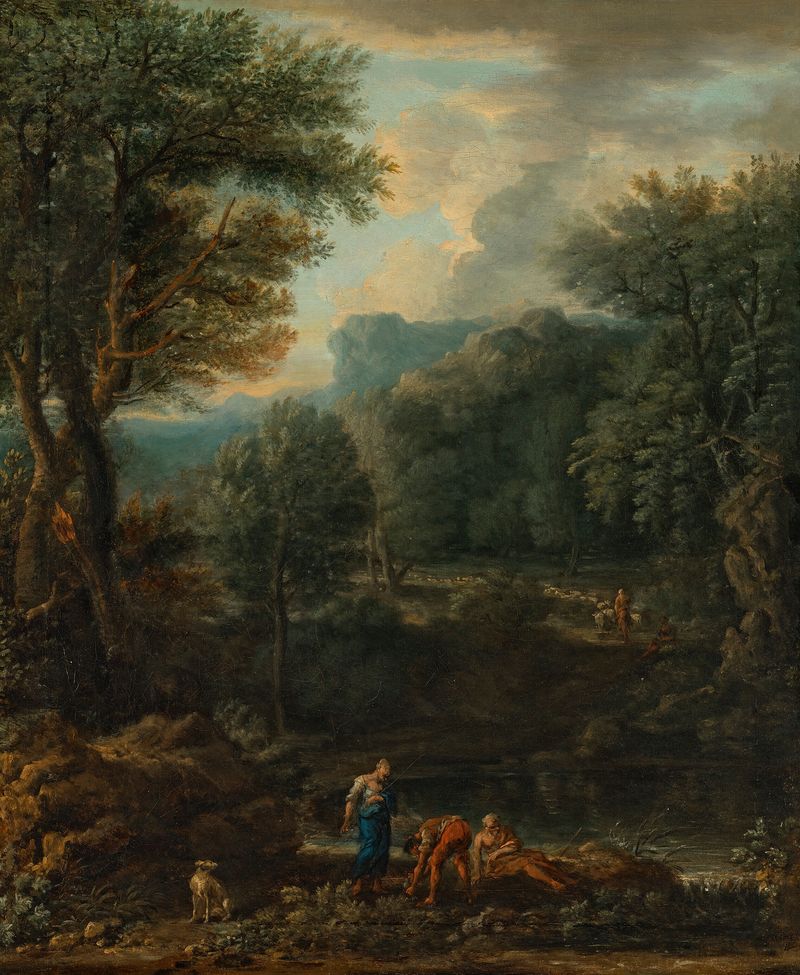
In the stillness of a landscape, the intertwining destinies of nature and humanity unfold, inviting introspection and contemplation. First, look to the left at the sweeping hills, their gentle curves embracing the sky like an age-old promise. Notice how the rich greens and browns contrast with the soft blues of distant mountains, creating a harmonious dialogue. The brushstrokes, though refined, carry a rhythmic energy as they animate the foliage, while the gypsies, caught in a moment of daydreaming, become a focal point against this vibrant backdrop.
Their earthy tones blend seamlessly with the landscape, yet their presence hints at a deeper connection to the land. Delve into the details: the way the sun filters through tree branches, casting dappled shadows on the ground, reveals a tension between light and dark. The gypsies’ relaxed postures evoke a sense of freedom, yet their positioning hints at a transient existence, perhaps symbolizing the fleeting nature of happiness and stability. This contrast of permanence in the landscape and the ephemerality of human life deepens the emotional resonance of the piece, suggesting that destiny binds us all — whether we embrace it or resist. In 1748, Wootton painted this work during a time when the English landscape genre was gaining popularity, reflecting a growing appreciation for the natural world.
Living in London, he was influenced by the picturesque ideals of the time, capturing both the beauty of the countryside and the romanticized notion of nomadic life. This period marked a significant transition in art, as artists began to explore the balance between humanity and nature in their compositions.
More Artworks by John Wootton
Browse all →
Classical landscape: morning
John Wootton

A Fox Hunt
John Wootton
An Italianate landscape
John Wootton
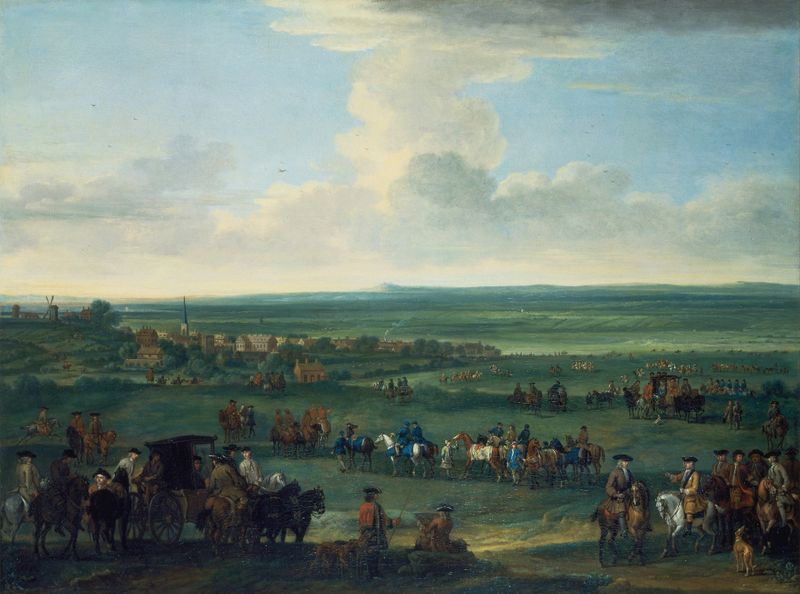
George I at Newmarket, 4 or 5 October, 1717
John Wootton

Classical Landscape with Figures and Animals; Sunset
John Wootton

Lord Portmore Watching Racehorses at Exercise on Newmarket Heath
John Wootton
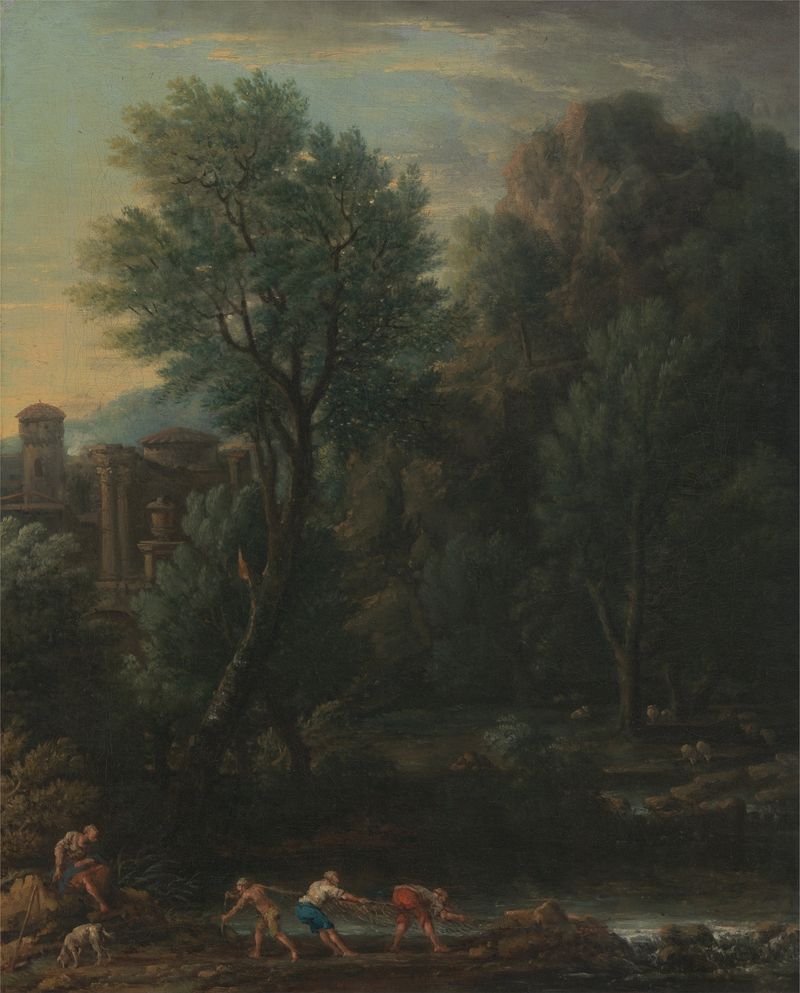
Classical Landscape
John Wootton

Classical Landscape: Evening
John Wootton

Classical Landscape
John Wootton
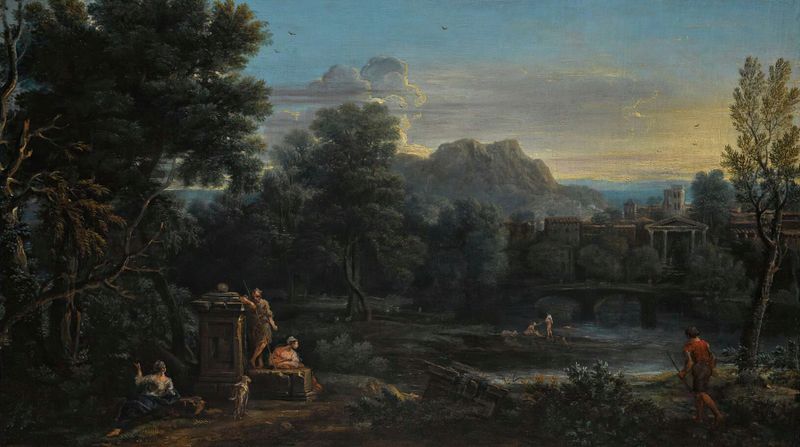
A wooded classical landscape with figures resting in the foreground and bathing in the river, a town beyond
John Wootton





