
Classical Landscape with Temple — History & Facts
In the vast embrace of a landscape, the weight of untouched nature resonates with the quietude of a forgotten temple, inviting the viewer to ponder the ethereal realms beyond our grasp. Look to the foreground where gentle slopes cradle a winding path, leading the eye through lush greenery towards the majestic ruins. Notice how the brushstrokes dance lightly across the canvas, creating a soft play of light and shadow that breathes life into the trees. The temple, poised majestically at the center, commands attention with its classical architecture, each column whispering stories of ages past, bathed in a golden hue that suggests the fading warmth of a dying sun. Among the verdant greenery and the serene structure lies a contrast between the vibrancy of life and the decay of history.
The temple's stoic presence amidst the surrounding growth evokes a sense of both reverence and melancholy, hinting at the passage of time and the impermanence of human endeavors. The delicate interplay between light and shade serves to elevate these contradictions, suggesting a sense of transcendence—where nature both envelops and transcends the remnants of mankind's creations. In 1818, Weld painted this idyllic scene during a time of burgeoning Romanticism, as artists turned to nature and the sublime for inspiration. Working in England, he sought to explore the interplay between humanity and the natural world, reflecting the philosophical currents of his time.
This work encapsulates the transition from Enlightenment ideals to the emotional resonance embraced by the burgeoning modern era, inviting viewers to reflect on their own relationship with the past and the eternal.
More Artworks by Isaac Weld
Browse all →
View of Mount Vernon, the seat of General Washington
Isaac Weld

Caernarvon (Castle)
Isaac Weld

View of Niagara Falls with Two Figures Sitting on a Rock Center Foreground
Isaac Weld
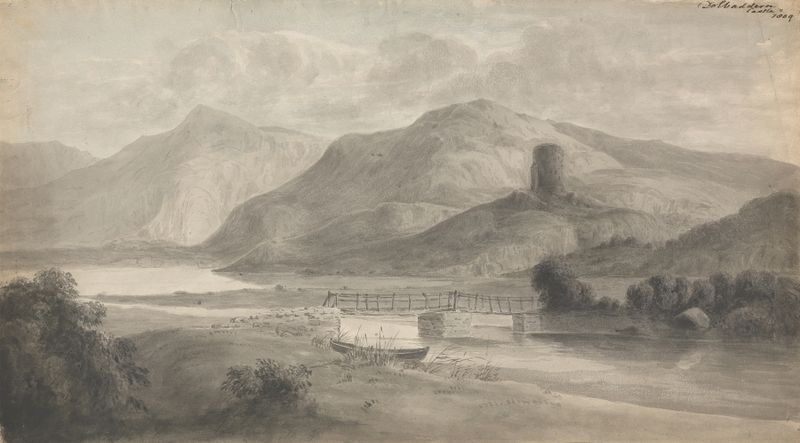
Dolbadarn Castle (North Wales)
Isaac Weld

View of Niagara Falls with Two Figures on Rock in Right Foreground
Isaac Weld
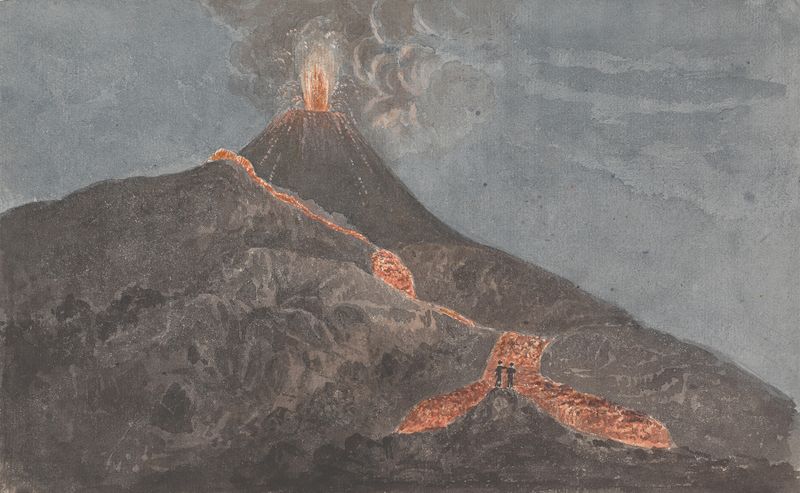
Vesuvius in Eruption
Isaac Weld
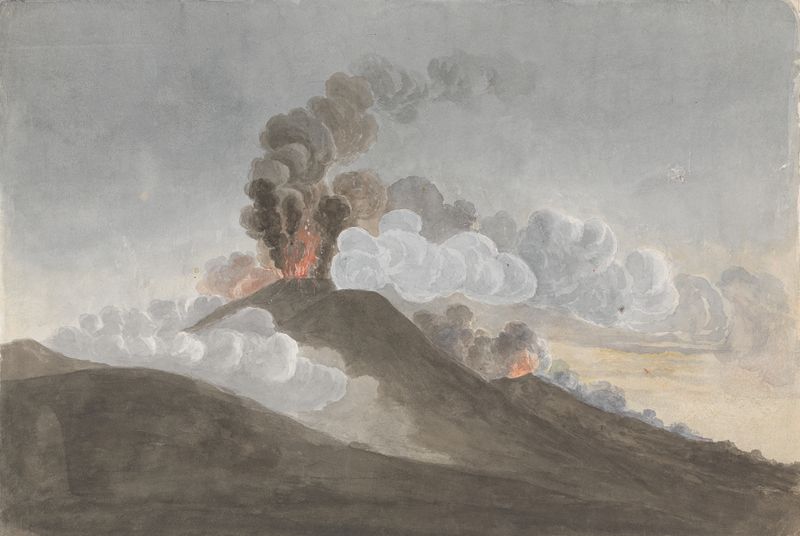
Vesuvius in Eruption.
Isaac Weld
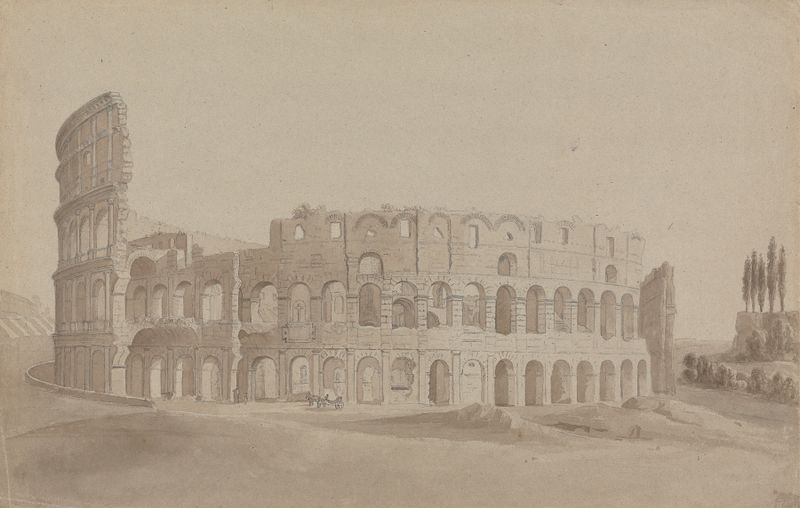
The Colosseum, Rome
Isaac Weld
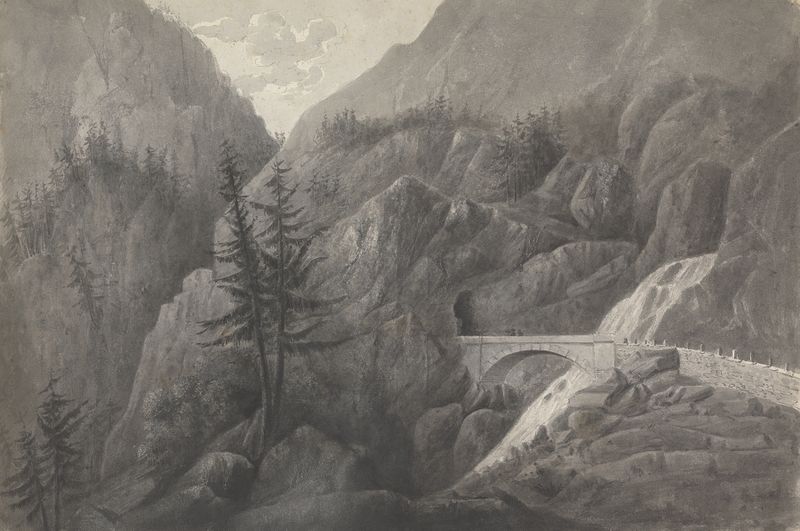
Simplon (Switzerland)
Isaac Weld
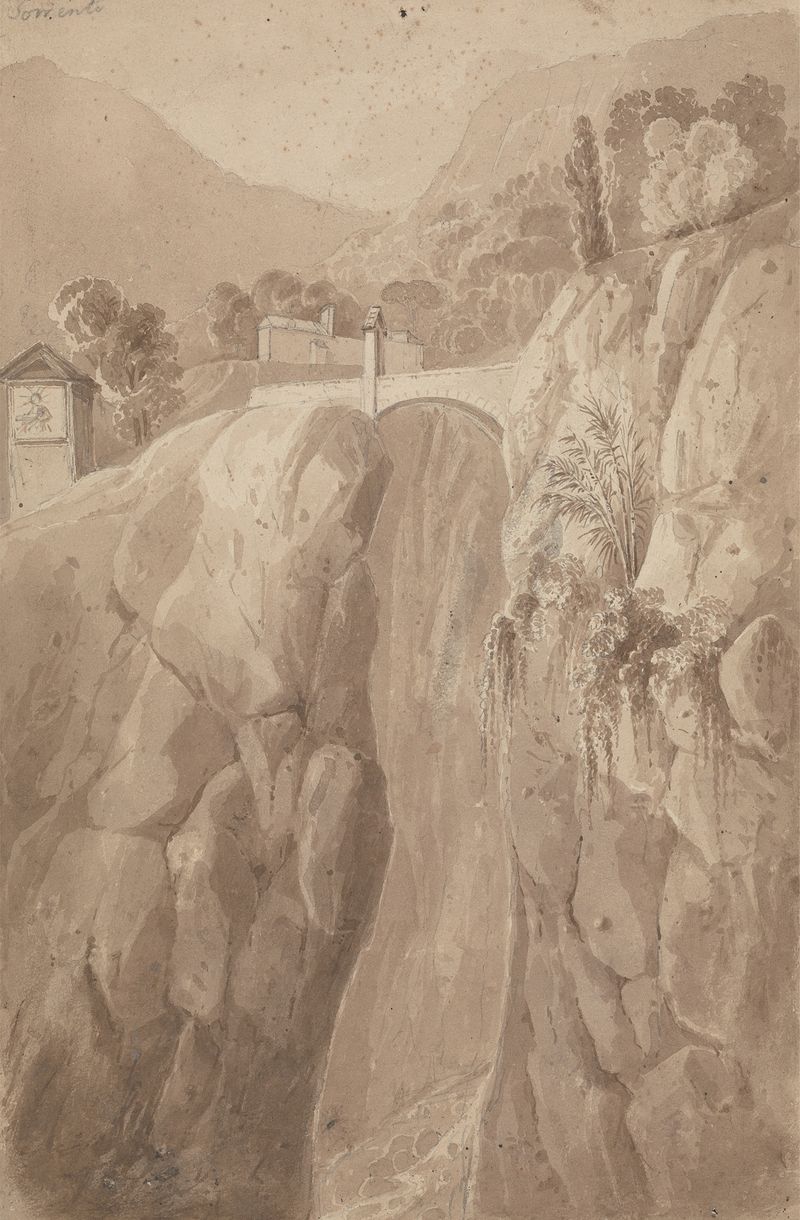
Sorrento
Isaac Weld





