
Cliff edge — History & Facts
What grips the viewer first in Cliff edge is the sensation of vertigo, as if you are standing right at the brink, toes curled into the grass, looking down at the sheer drop. The artist, August Jerndorff, has chosen a vantage point that invites both awe and caution, letting the eye travel from the tangled roots clutching the crumbling earth to the shimmering coastline far below. Every detail is rendered with a clarity that makes the scene almost tactile—the roughness of the chalky cliff, the delicate tracery of bare branches, the tufts of grass that seem to defy gravity at the very edge.
The light is sharp and clean, casting subtle shadows and making the sky an endless, inviting blue. The composition pulls you upward and outward, from the precariousness of the edge to the calm expanse of sea and sky, holding you in a moment of suspended breath. Painted in 1870, this work belongs to a period when artists across Europe were turning their attention to the drama and specificity of natural landscapes. In Denmark, where Jerndorff worked, such scenes often celebrated the quiet grandeur of the local terrain, capturing both its beauty and its fragility.
Works like this were sometimes commissioned by collectors eager to bring the wildness of the coast into their parlors, or painted for exhibitions that showcased the technical skill and observational acuity of the artist. Cliff edge was auctioned at Bonhams in London in 2010, but history has kept few traces of its earlier journey. What remains is the invitation to look again, to follow each root and shadow, and to feel the pull of the earth beneath your feet.
More Artworks by August Jerndorff

Domorganist i Roskilde, professor Hans Matthison-Hansen,kunstnerens svigerfader
August Jerndorff

Arkitekten Thorvald Bindesbøll i en granskov på Kullen
August Jerndorff
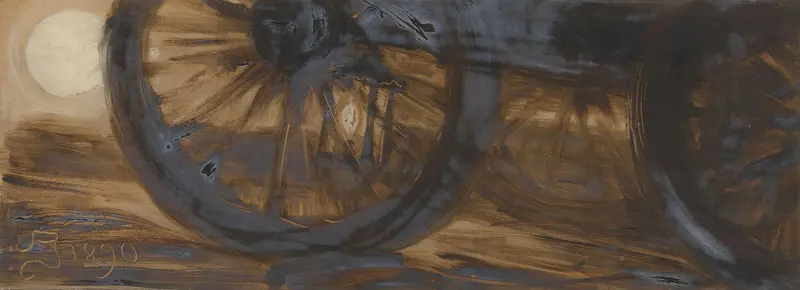
Wohnvognen
August Jerndorff
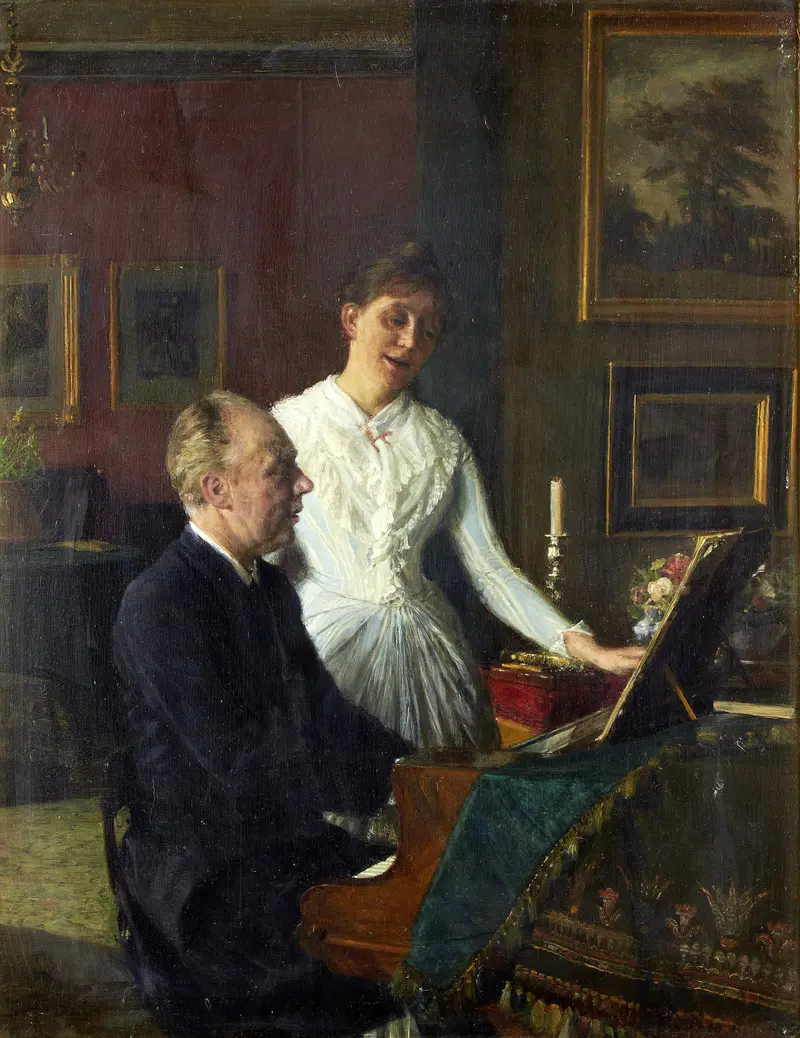
Actor Peter Jerndorff and his wife Amalie at the piano
August Jerndorff
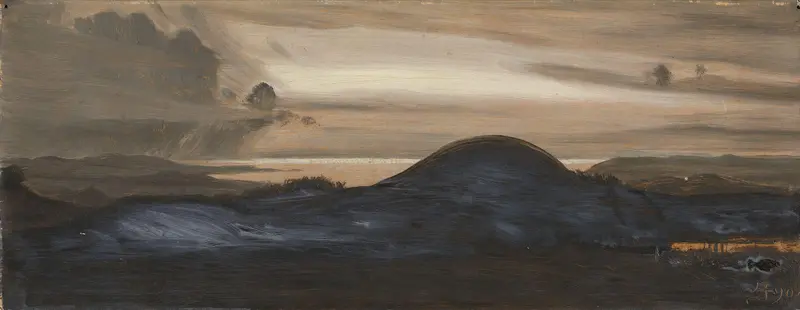
Illustrasjon til Holger Drachmanns "Elverkongen" i "Troldtøj", København 1889-
August Jerndorff
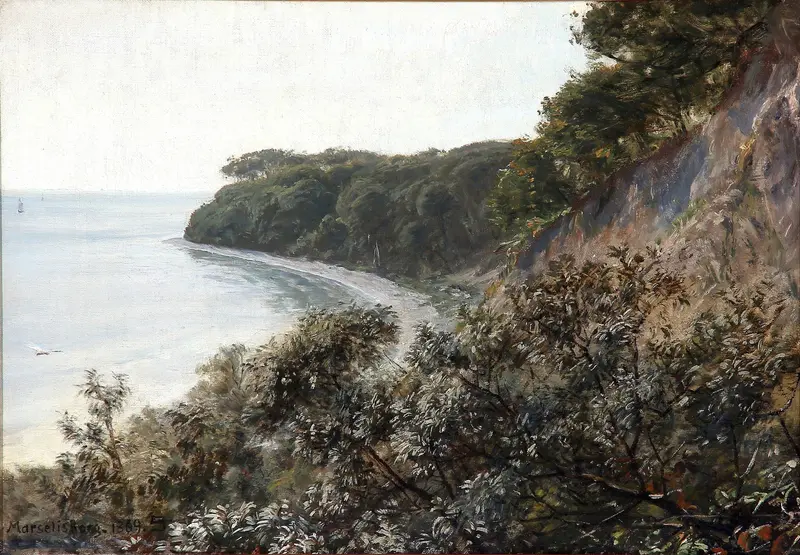
Coastal scene from Marselisborg
August Jerndorff

Huset laa i Byens yderste Udkant, om Sommeren ganske skjult af den tilgroede Have
August Jerndorff
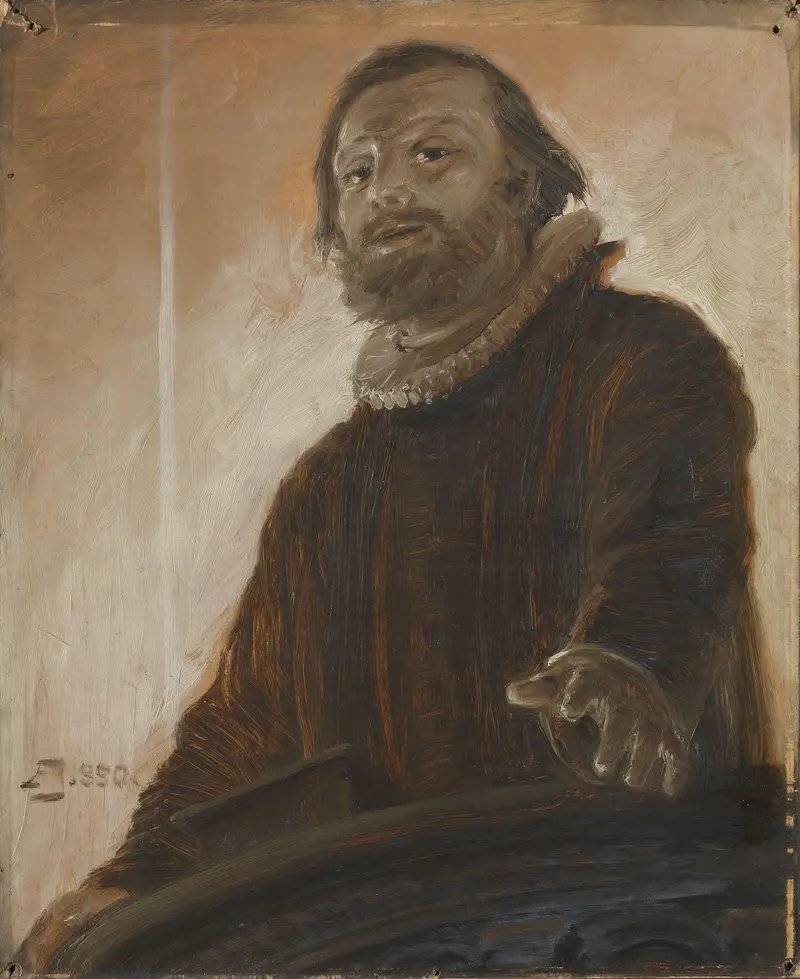
"da saa' jeg op paa ham, han ned paa mig..."
August Jerndorff
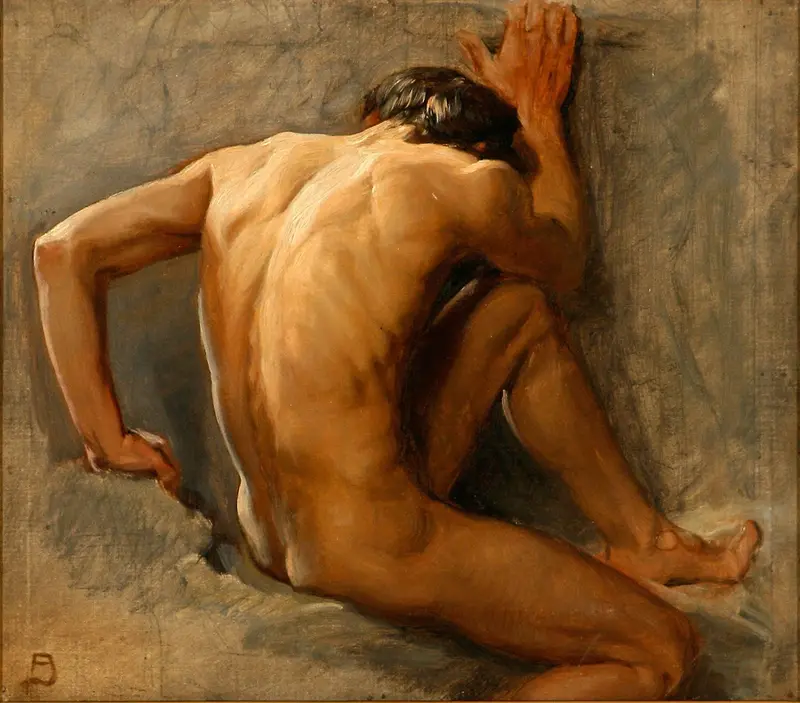
Study of a nude man
August Jerndorff
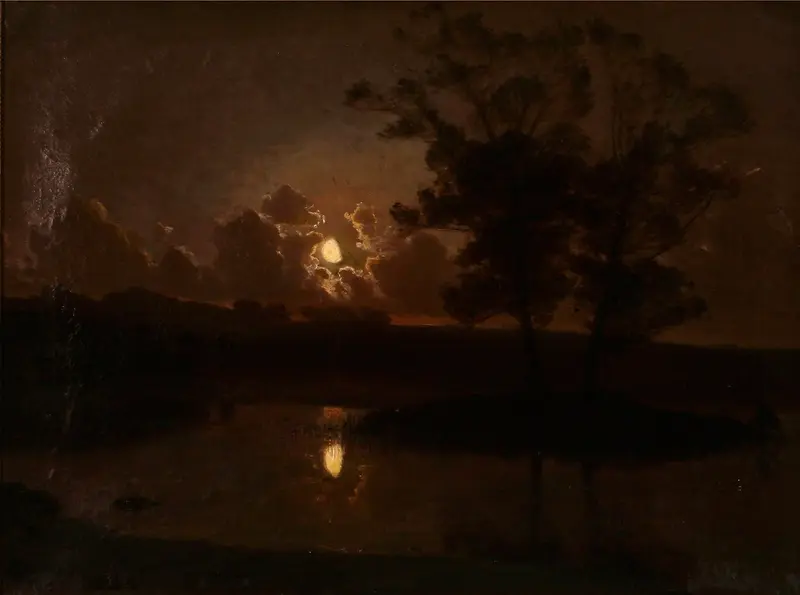
August Andreas Jerndorff Høstaften ved Hjortekæret, Jægersborg Dyrehave
August Jerndorff
More Landscape Art

The Starry Night
Vincent van Gogh

View of Delft
Johannes Vermeer

Water Lilies
Claude Monet

The Grand Canal, Venice, looking north-west from the Ca' Corner to the Ca' Contarini degli Scrigni, with the campanile of Santa Maria della Carità
Canaletto

Windsor Castle
Canaletto

The Grand Canal looking North-East from the Palazzo Dolfin-Manin to the Rialto Bridge
Canaletto