Cliffs — History & Facts
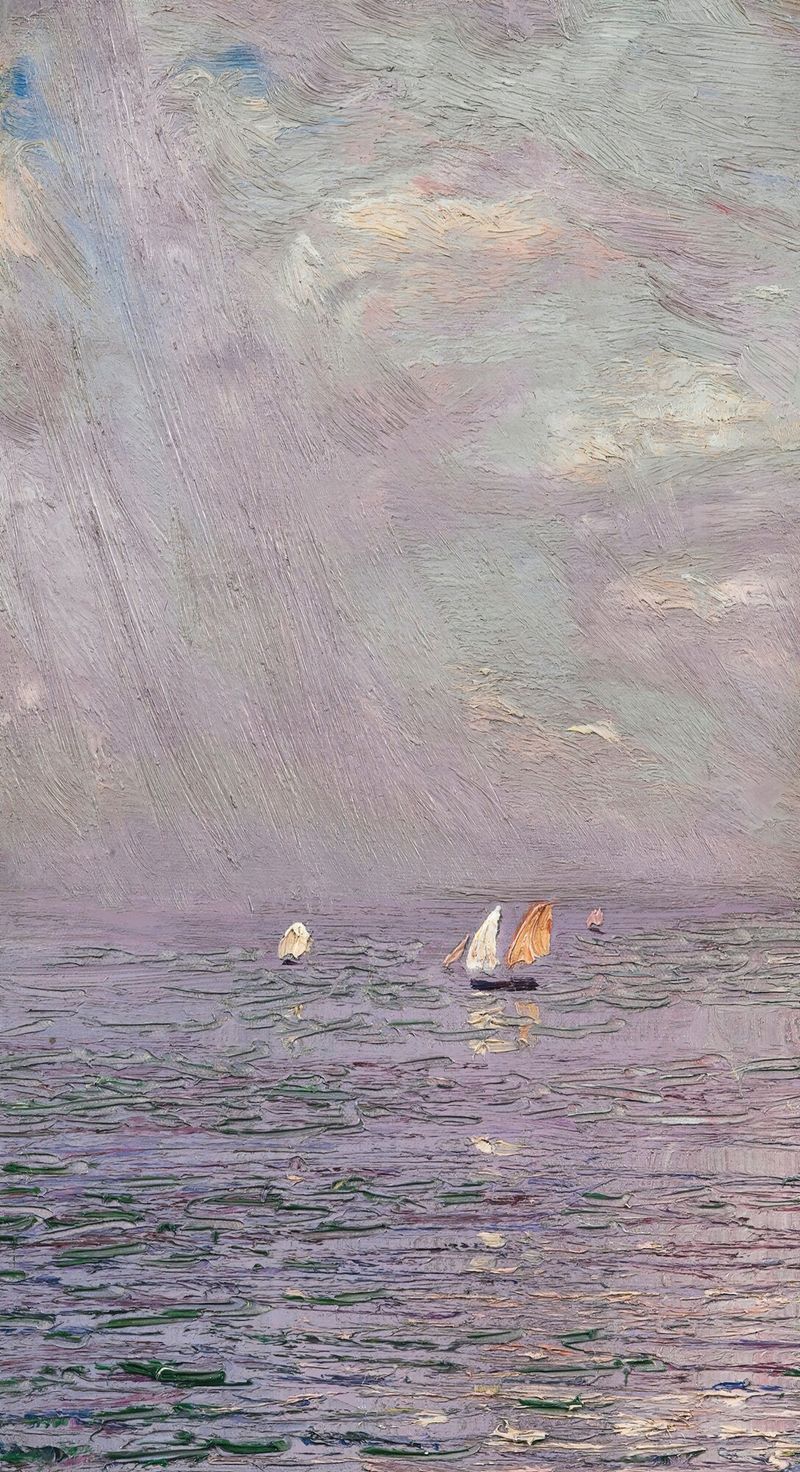
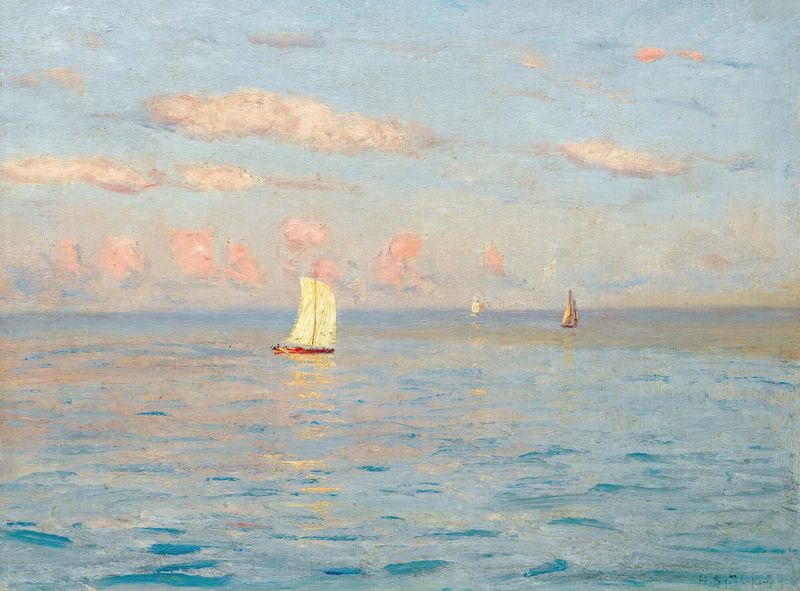
When did color learn to lie? In Cliffs, a haunting landscape unfolds, where serene beauty dances with an undercurrent of madness. The vibrant hues tug at the heart, yet whisper secrets of despair, inviting viewers to question the very essence of reality. Focus on the bold strokes of cobalt and emerald that dominate the canvas. The cliffs rise majestically, their jagged edges softened by patches of lush greenery, drawing the eye upward.
Notice how the light strikes the surface, illuminating patches with an almost ethereal glow, while shadows linger ominously in the crevices. This interplay of color and form crafts a tension that pulls the viewer in, suggesting beauty intertwined with chaos. Beneath this surface beauty lies a commentary on nature's duality. The cliffs, though alluring, are reminders of instability and isolation.
The lush colors evoke life yet conceal an ominous underbelly, hinting at the madness of a world where nature can be both nurturing and destructive. The contrast between the vibrant foreground and the threatening darkness of the cliffs encapsulates the complexity of human emotion — a joyful facade shadowed by unspoken fears. In 1913, Nikolai Nikanorovich Dubovskoy painted Cliffs during a transformative period in Russian art, marked by a shift towards modernism. As tensions brewed in Russia, artists increasingly sought to explore deeper emotional truths in their work.
Dubovskoy, influenced by both impressionism and symbolism, captured this moment of introspection, merging the external landscape with the internal turmoil of an evolving society.