Twilight — History & Facts
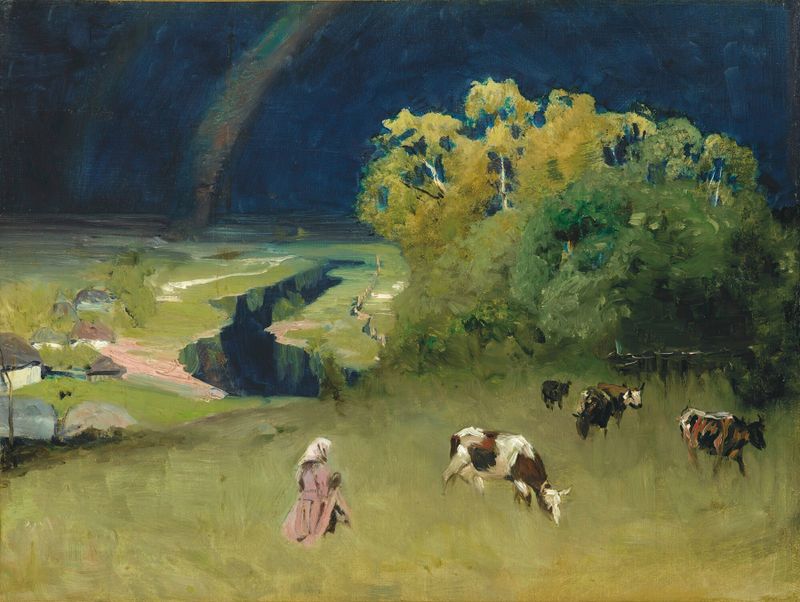
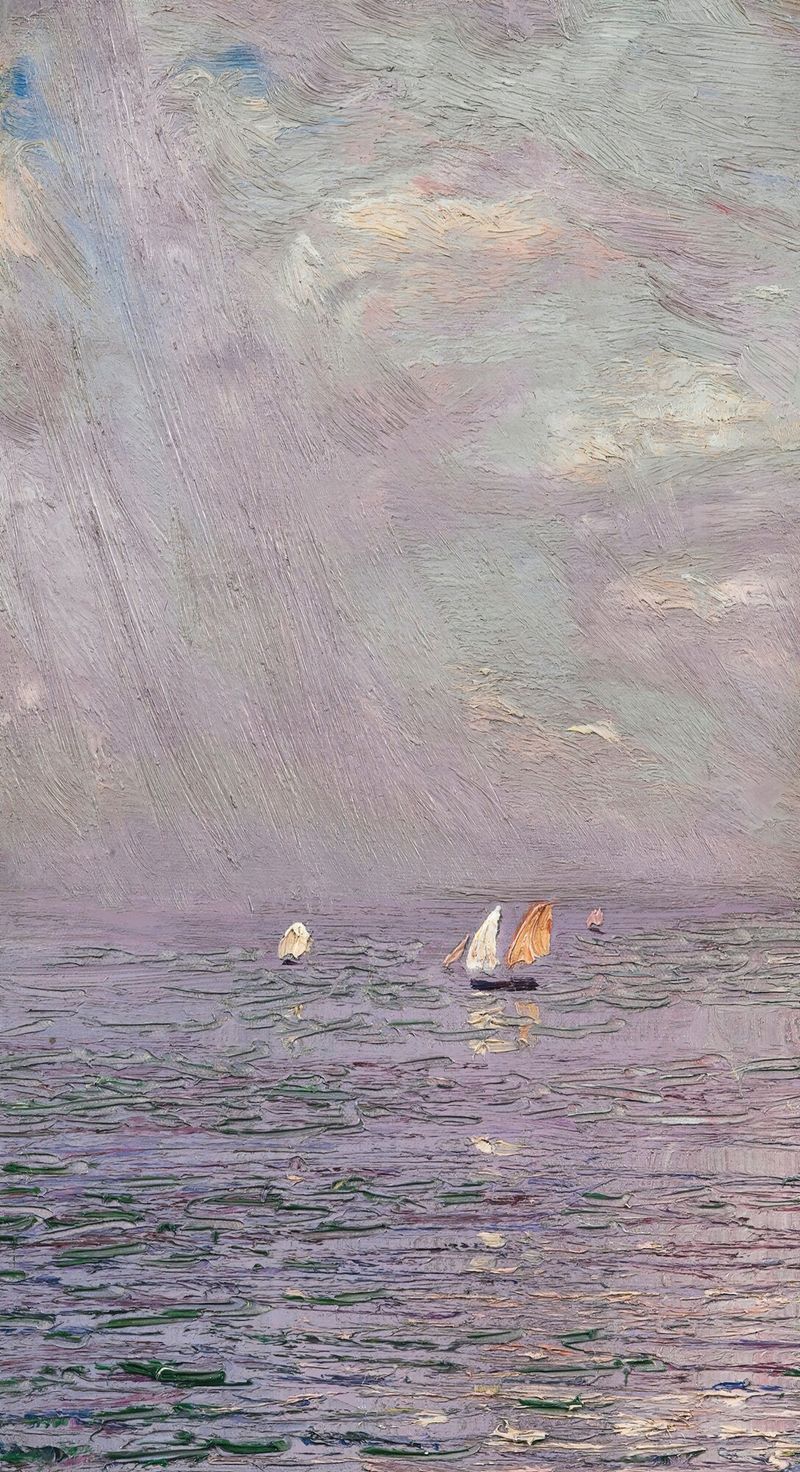
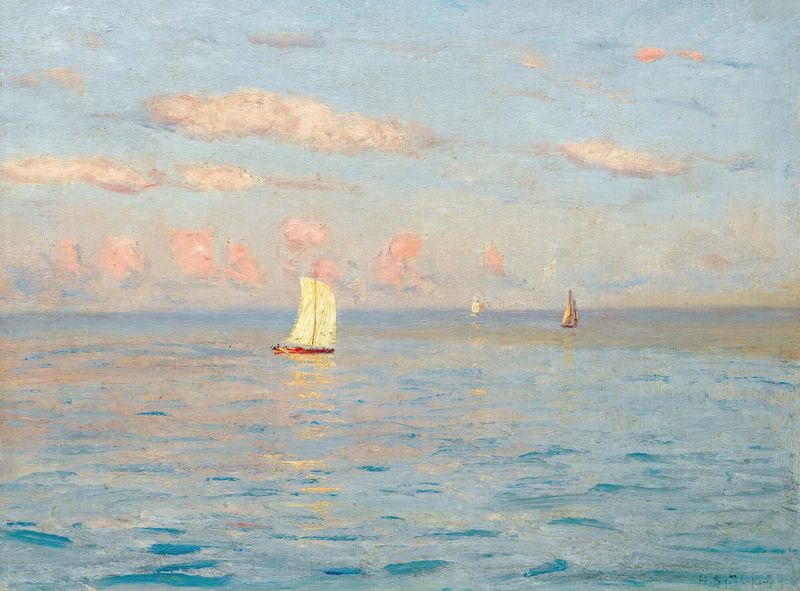
When did color learn to lie? In the delicate interplay of twilight hues, a profound revelation awaits those who dare to look closely. Focus on the horizon, where the deepening indigo of evening kisses the fading warmth of the sun’s last rays. Notice how the strokes of lavender and gold intermingle, creating an atmosphere that feels both tranquil and charged with an unspoken promise. The gentle layering of pigments invites you to wander deeper into the canvas, while the soft edges of clouds seem to dissolve into the atmosphere, blurring the boundaries between day and night. Beneath the serene surface lies a tension—an interplay of clarity and ambiguity.
The rich colors evoke nostalgia, yet the abstracted forms suggest the fleeting nature of time itself. Each brushstroke resonates with the theme of transition, encapsulating the moment when daylight surrenders to the mysteries of dusk. The contrast of light and shadow serves as a metaphor for revelation, prompting reflections on what is visible and what remains hidden in the twilight. Painted during the late 19th century, the artist crafted this work amidst a rapidly changing artistic landscape, where realism began yielding to impressionistic influences.
Dubovskoy found himself in a burgeoning artistic community, grappling with the boundaries of representation and emotion. This period marked a significant evolution in the exploration of color and light, as artists sought to capture not just the physical world, but the essence of experience itself.