At The Pier — History & Facts
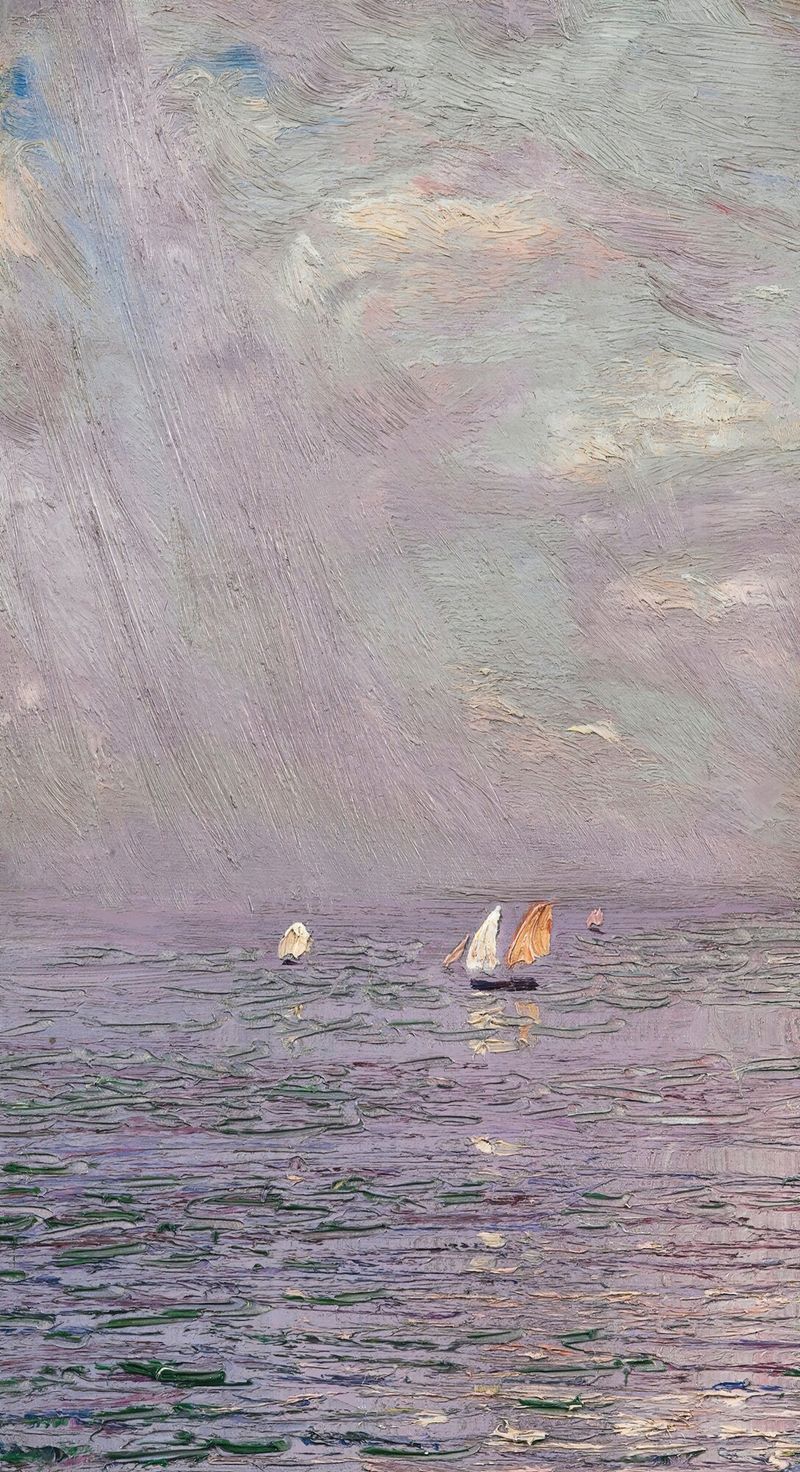
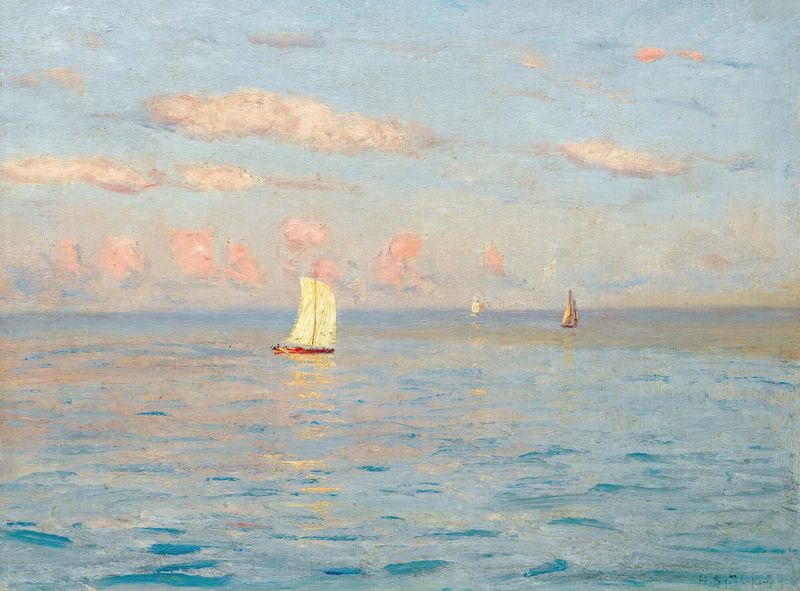
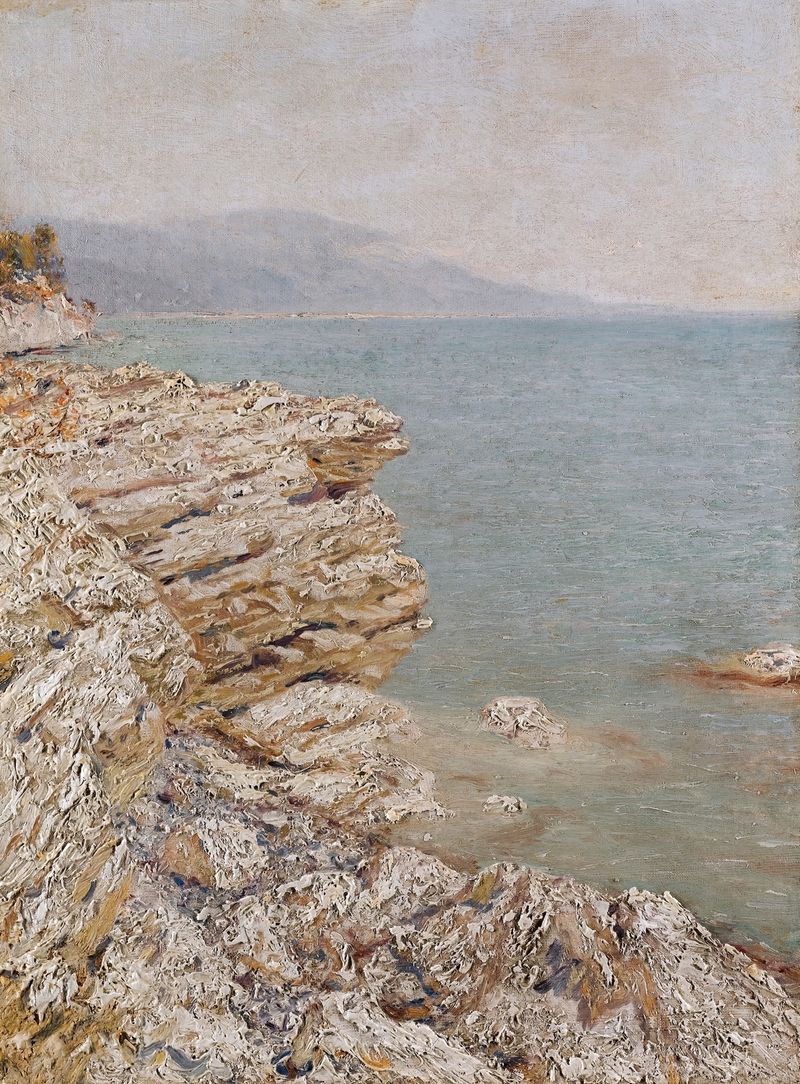
Is this a mirror — or a memory? In At The Pier, the waters reflect not only the sky but the delicate balance between reality and the turmoil of the mind. Look to the left at the gentle ripples, each one a whisper of the wind’s breath against the surface. The play of light—dappled and fragmented—creates a surreal ambience, while muted earth tones intermingle with soft blues, suggesting a world at once serene and unsettling. The pier stretches into the distance, leading the eye toward an uncertain horizon, symbolizing the journey into both nature and self. At first glance, the painting evokes a peaceful landscape, but upon deeper inspection, the pier’s weathered planks and the water’s moody hues reflect an underlying tension.
The juxtaposition of the tranquil sky and the restless water hints at the chaos lurking beneath externally calm facades. The viewer can sense a haunting solitude; perhaps the scene captures a moment of introspection that borders on madness, inviting profound questions about the nature of perception and reality. During the creation of this piece, Dubovskoy was deeply influenced by the Russian Symbolist movement, which sought to explore the depths of emotion and consciousness. Though the exact date of the painting remains uncertain, it likely emerged during a time when the artist grappled with personal and artistic challenges.
The world was shifting, and the search for meaning in a rapidly changing society deeply informed his work, bridging the gap between the external world and the inner psyche.