
Clouds — History & Facts
A horizon nearly dissolves under the weight of sweeping, layered forms—Clouds by Arthur Dove draws the viewer into a world where sky and land seem to merge through undulating bands of color. The most striking element is the way these cloud shapes, rendered in ochres and deep blues, refuse to settle into a literal sky. Instead, they roll and fold across the canvas, their movement both measured and mysterious.
The eye is led from one curve to the next, following the rhythm of nature translated into abstraction. Light slips along the upper edges of each form, suggesting the shifting moods of dusk or dawn, but never quite revealing the time of day. Created in 1927, this work belongs to a period when American artists like Arthur Dove were searching for a visual language that could capture the essence of the landscape without resorting to direct representation. Dove, often associated with early American modernism, was fascinated by the rhythms and energies of the natural world.
Paintings like Clouds were not made for grand salons or wealthy patrons, but for a new audience eager to see the familiar world transformed by modern vision. Today, the painting resides in the collection of the Museum of Fine Arts, Boston, a quiet testament to an era when artists dared to see the sky as something more than just a backdrop. Let your gaze linger on the shifting bands—what do you see moving there?
More Artworks by Arthur Dove
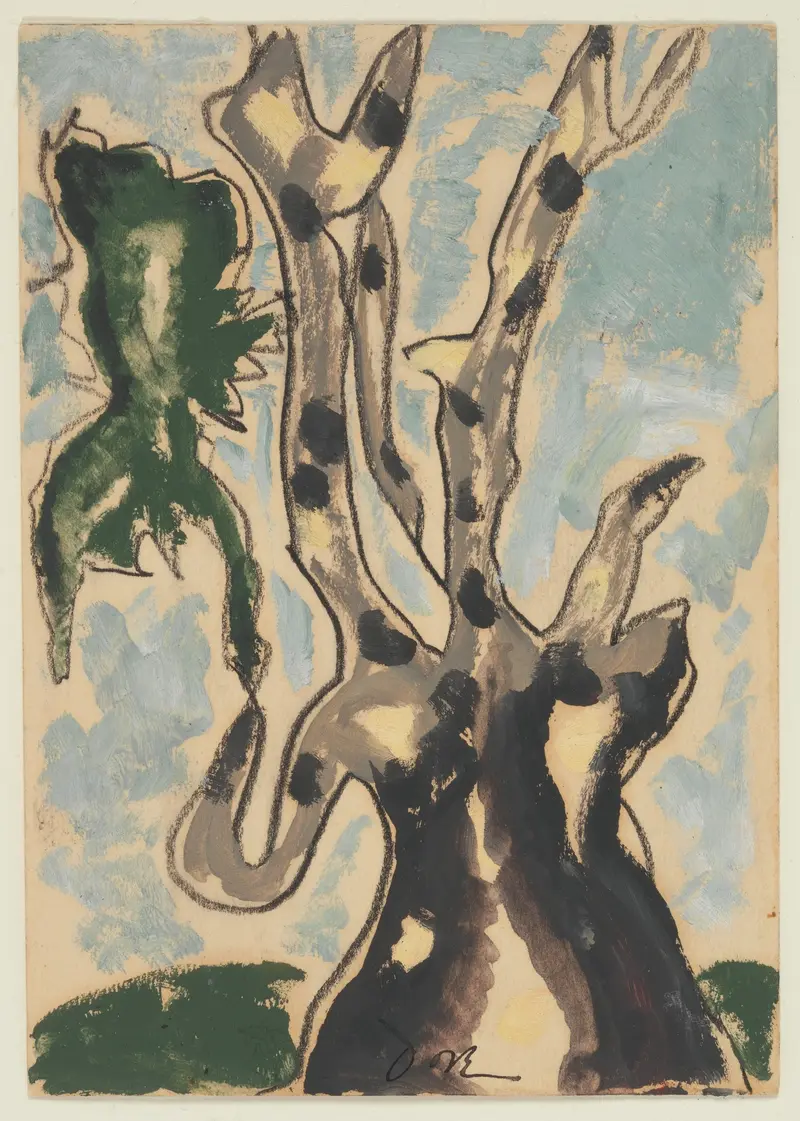
Sycamore
Arthur Dove

Out the Window
Arthur Dove
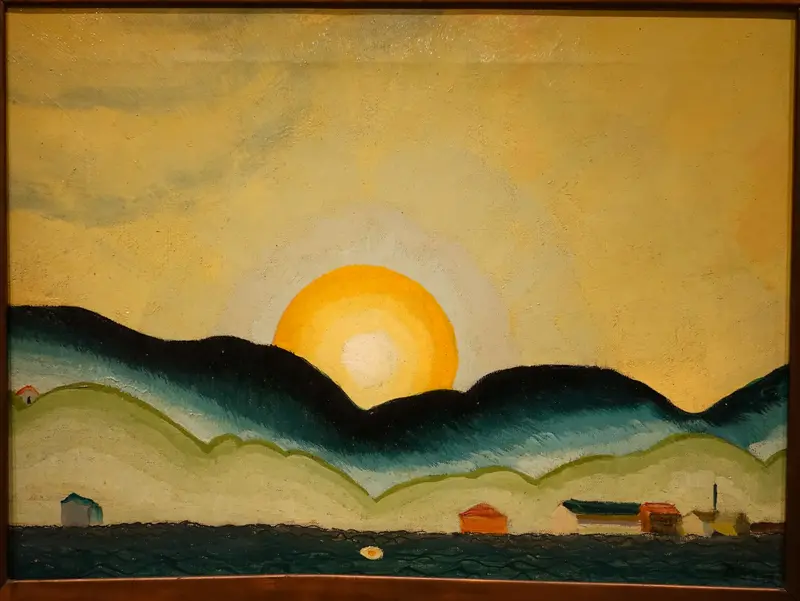
Northport Harbor
Arthur Dove

George Gershwin–‘Rhapsody in Blue,’ Part I
Arthur Dove
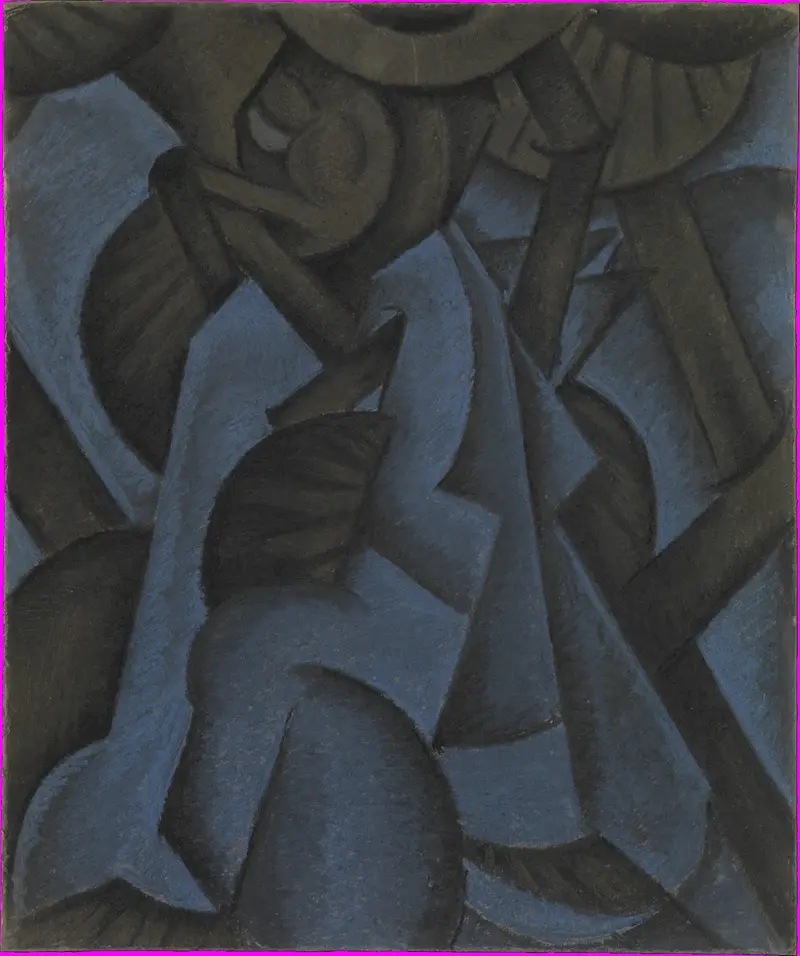
Pagan Philosophy
Arthur Dove
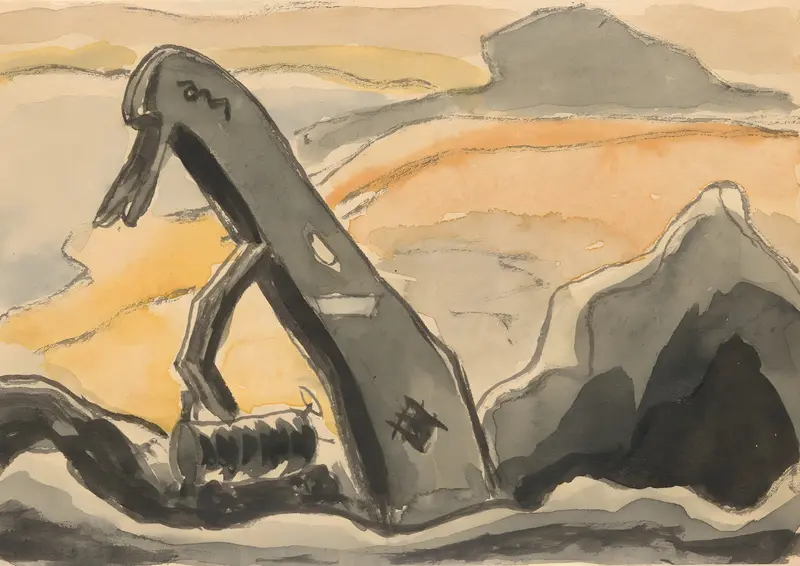
Steam Shovel–Port Washington
Arthur Dove
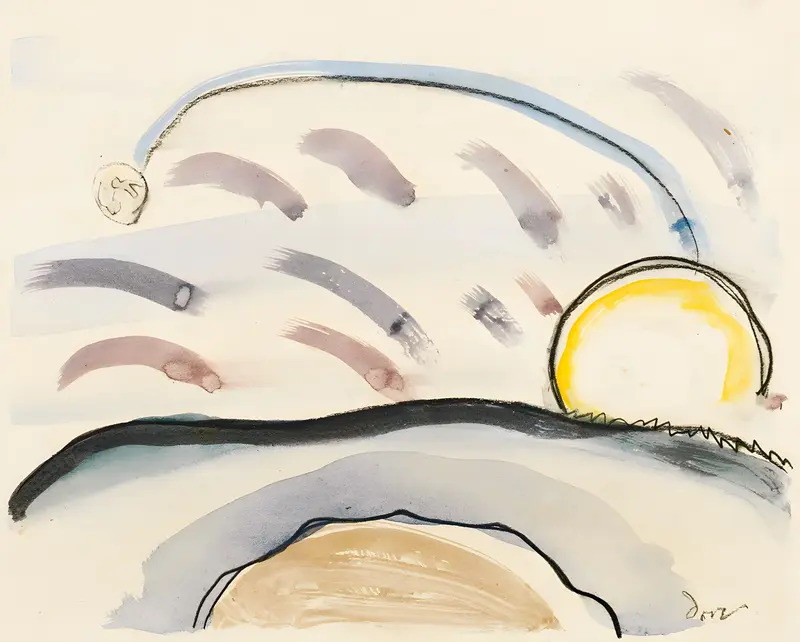
Study for ‘Sun and Moon’
Arthur Dove
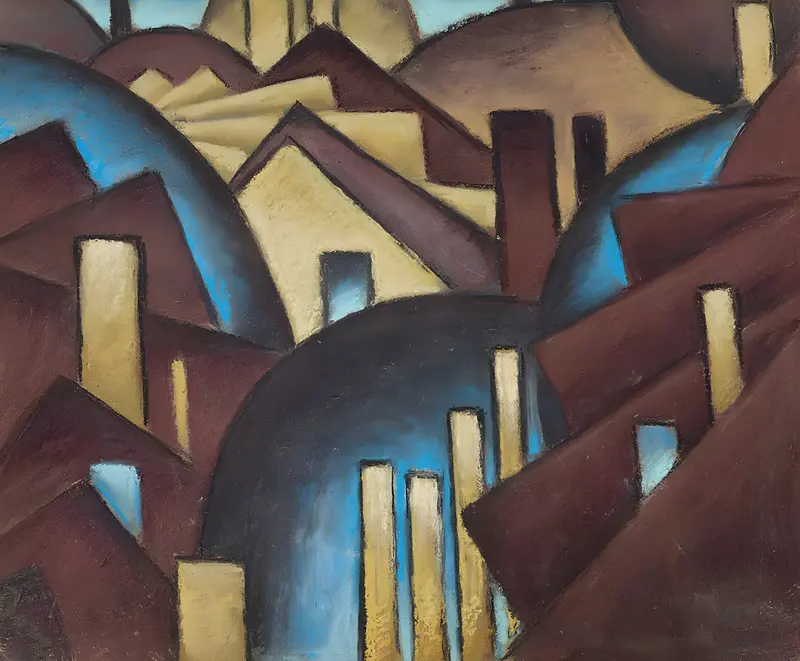
Nature Symbolized No. 1 (Roofs)
Arthur Dove
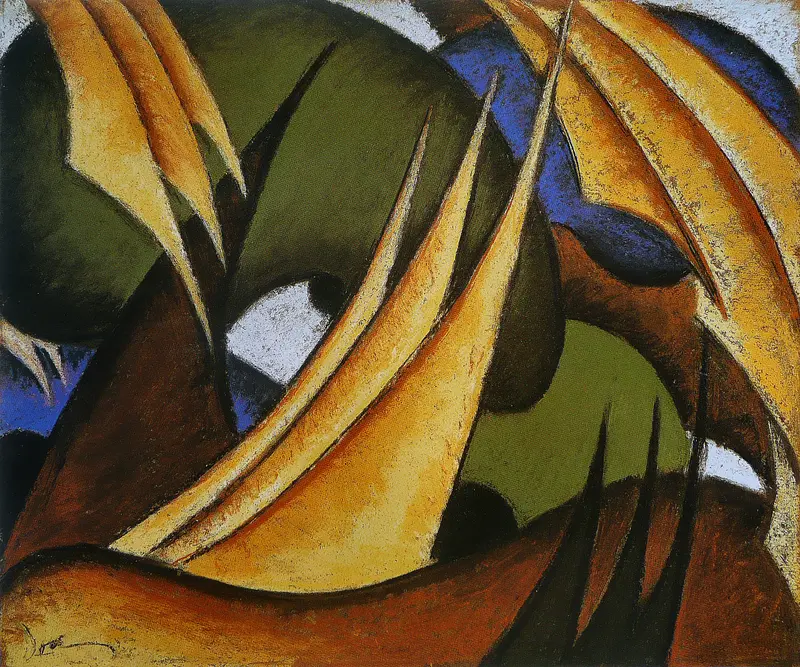
Sails
Arthur Dove
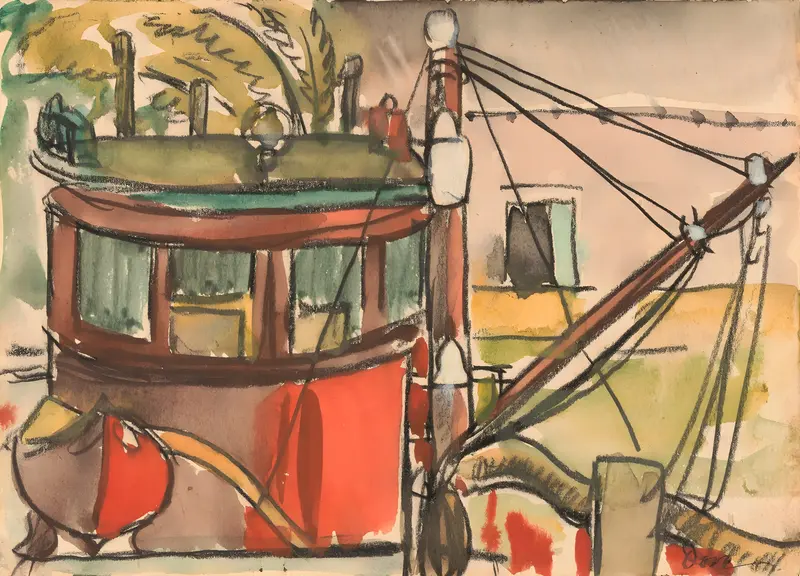
Oil Tanker II
Arthur Dove
More Landscape Art

The Starry Night
Vincent van Gogh

View of Delft
Johannes Vermeer

Water Lilies
Claude Monet

The Grand Canal, Venice, looking north-west from the Ca' Corner to the Ca' Contarini degli Scrigni, with the campanile of Santa Maria della Carità
Canaletto

Windsor Castle
Canaletto

The Grand Canal looking North-East from the Palazzo Dolfin-Manin to the Rialto Bridge
Canaletto