Clères — History & Facts
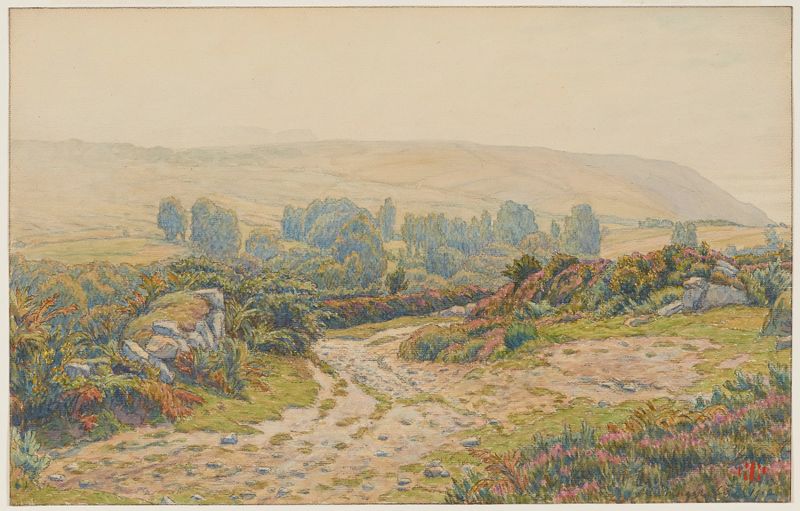
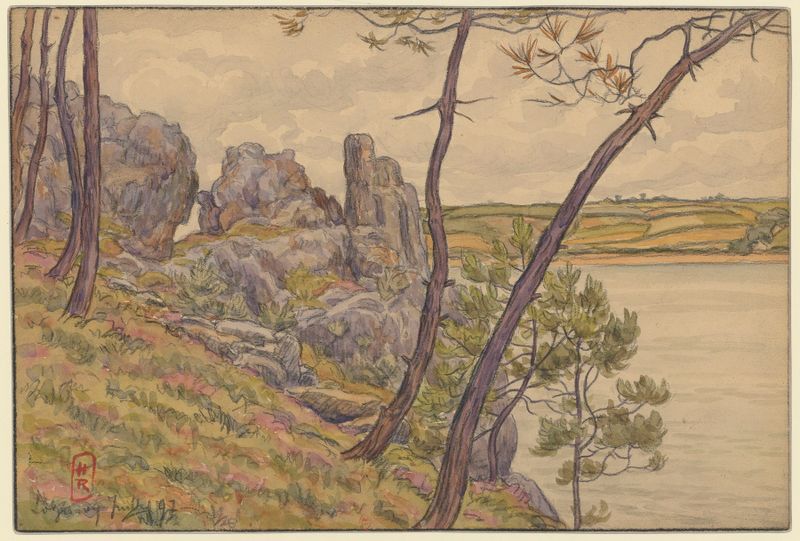
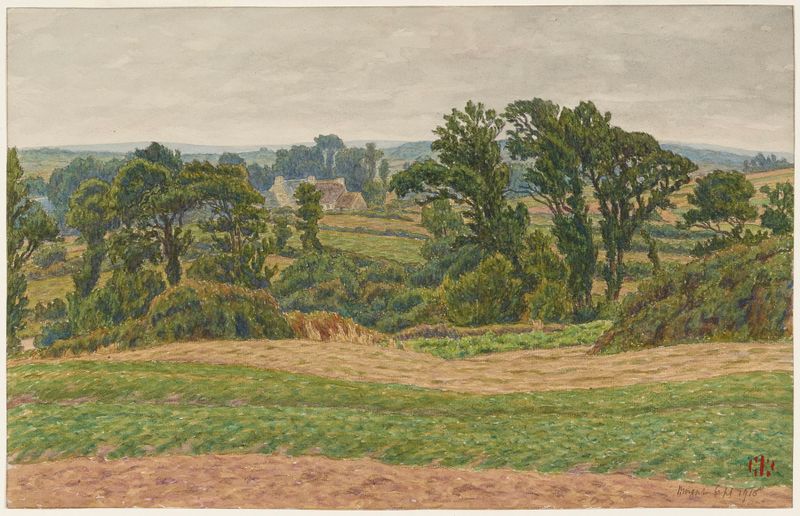
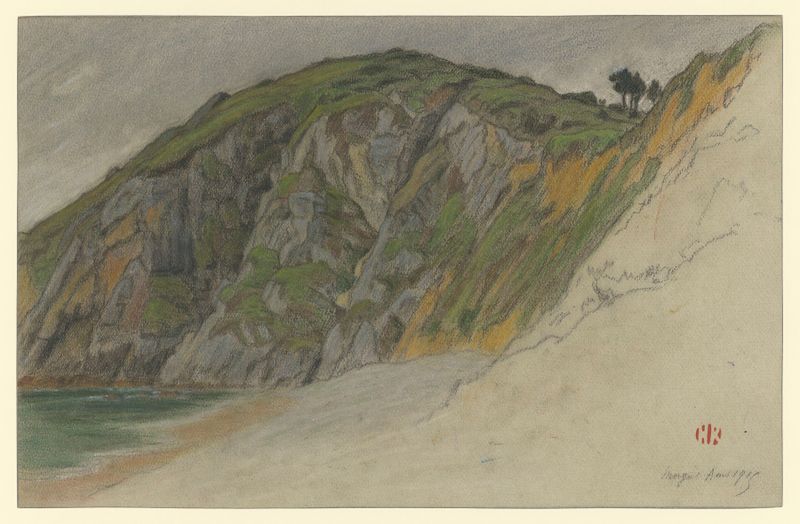
In the fleeting dance between memory and reality, art finds its most poignant expression — a yearning to grasp what slips through our fingers like sand. Focus on the delicate interplay of light and shadow across the canvas, where soft blues and warm ochres coalesce to evoke a serene landscape. The gentle curves of the hills draw the eye upward, guiding viewers toward a horizon that seems both distant and inviting. The touches of white in the clouds whisper of a fleeting moment, as if the sky itself is holding its breath in anticipation of what lies beyond. As you delve deeper, notice the contrast between the tranquil foreground and the swelling hills in the background.
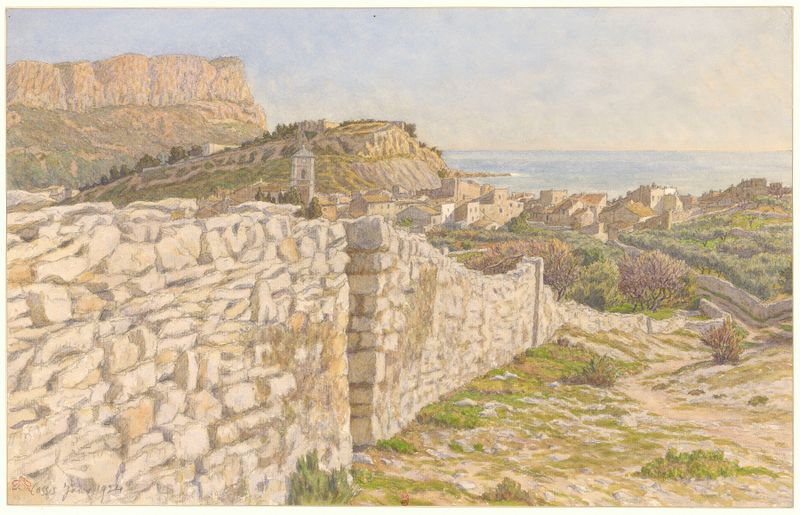
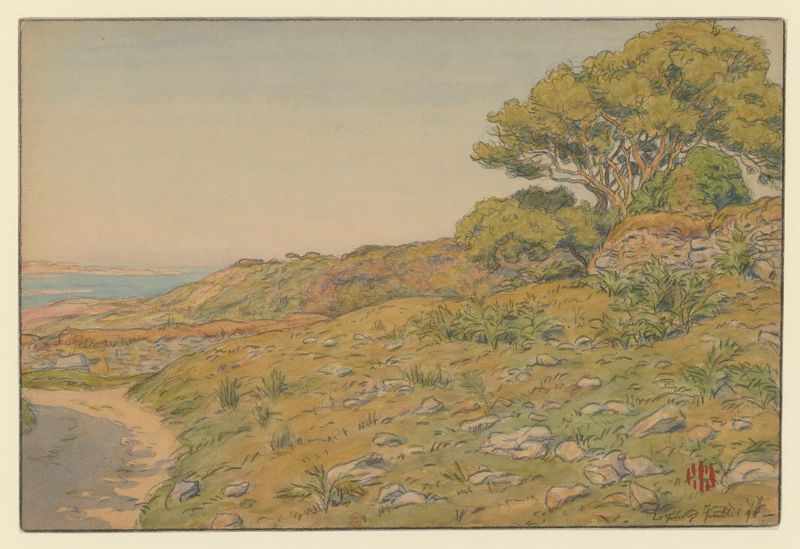
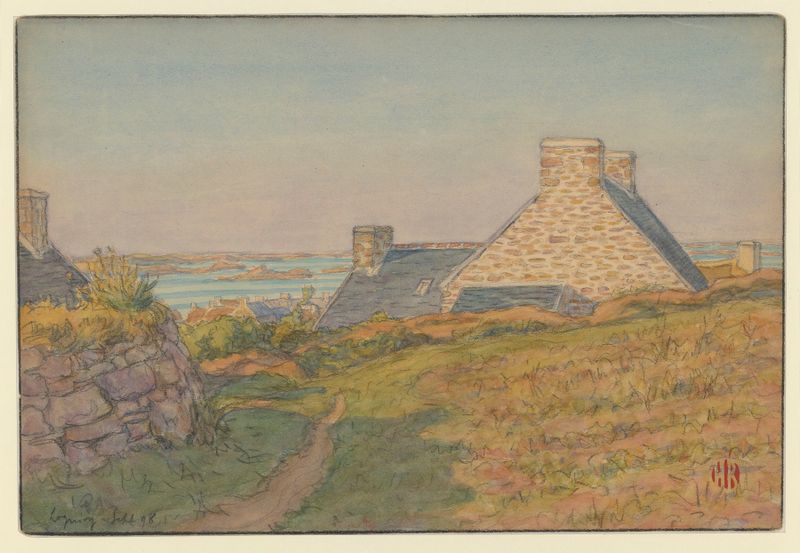
There’s a palpable tension between the stillness of the depicted scene and the emotional undercurrent that stirs within it. Each brushstroke carries a sense of longing, inviting you to explore the narratives buried within the landscape — perhaps a familiar place, now transformed by time and memory. Henri Rivière painted this piece in 1922, a time marked by post-war reflection and a search for solace. Living in France, he was influenced by the Symbolist movement while embracing a more personal, intimate approach to landscape.
This work emerged during a period of introspection, capturing both the beauty and the melancholy of a world that is ever-changing, yet deeply resonant.