Coach on a Village Road — History & Facts
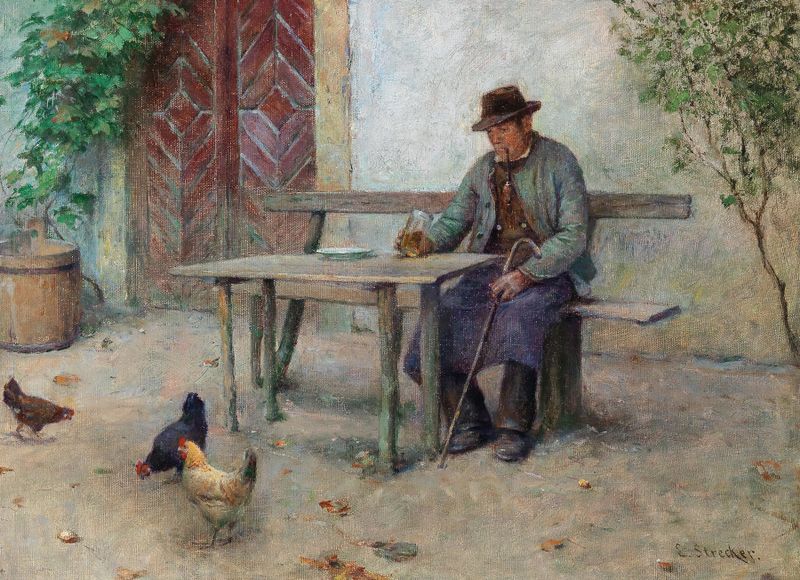
Did the painter know this moment would outlive them? The quiet tranquility of a village scene unfolds before us, inviting reflection on the essence of serenity and the passage of time. Focus on the gentle curve of the dirt road, leading the eye toward a modest coach gliding through the soft light of dusk. Notice how the muted earth tones harmonize with the lush greens of the surrounding fields, creating a peaceful backdrop. The delicate brushstrokes capture the wooden texture of the coach, while the fading sunlight casts long shadows that stretch across the path, suggesting a journey both physical and metaphorical. In this artwork, the tension between movement and stillness is palpable.
The coach, though in motion, seems to pause in an eternal moment, embodying the calm of rural life. The figures inside are cloaked in shadows, their expressions unreadable, hinting at stories untold. The simplicity of the scene contrasts with the complexity of life, reminding us that tranquility can exist even amid the uncertainty of existence. Emil Strecker painted this work during a time when the art world was beginning to embrace Impressionism, though the exact date remains uncertain.
Operating within a small community and focused on everyday subjects, he captured the essence of peaceful rural life. This painting reflects a cultural shift towards celebrating the ordinary, a theme that resonated deeply with a society grappling with modernity.