
Coast of Maine — History & Facts
What if beauty was never meant to be finished? In Coast of Maine, the essence of nature's rugged charm captures a moment both haunting and serene, inviting us to explore the depths of melancholy embedded within the landscape. Look to the lower right, where the shoreline meets the restless ocean, the waves frothing against the rocks with a gentle ferocity. Ascend your gaze to the soft hues of the sky—a blend of muted blues and grays—that seem to absorb the light, casting a reflective mood over the entire scene. The artist's brushwork creates a textured illusion of movement, making the water shimmer as if it were alive.
Each stroke conveys both the majesty and vulnerability of the coastal landscape, calling attention to the delicate balance between tranquility and turmoil. Within this seemingly idyllic setting lies a tension that speaks of solitude and the passage of time. Notice the distant horizon, where the sky meets the sea, suggesting an endless journey yet to be taken. The rocks, battered by waves over time, symbolize both endurance and decay, a reminder of nature's relentless cycle.
The subtle play of light and shadow evokes an emotional resonance, inviting contemplation on the fleeting nature of beauty and existence itself. Herzog created this evocative work during a time when the American art scene was heavily influenced by the romantic idealism of nature. Working in the late 19th century, he was deeply affected by the landscapes of the Maine coast, reflecting the profound connection between humanity and the natural world. This period marked a pivotal moment in his career, where he turned to capturing the sublime essence of wild terrains, marrying emotion with realism.
More Artworks by Hermann Ottomar Herzog
Browse all →
Snow-Capped Peaks
Hermann Ottomar Herzog
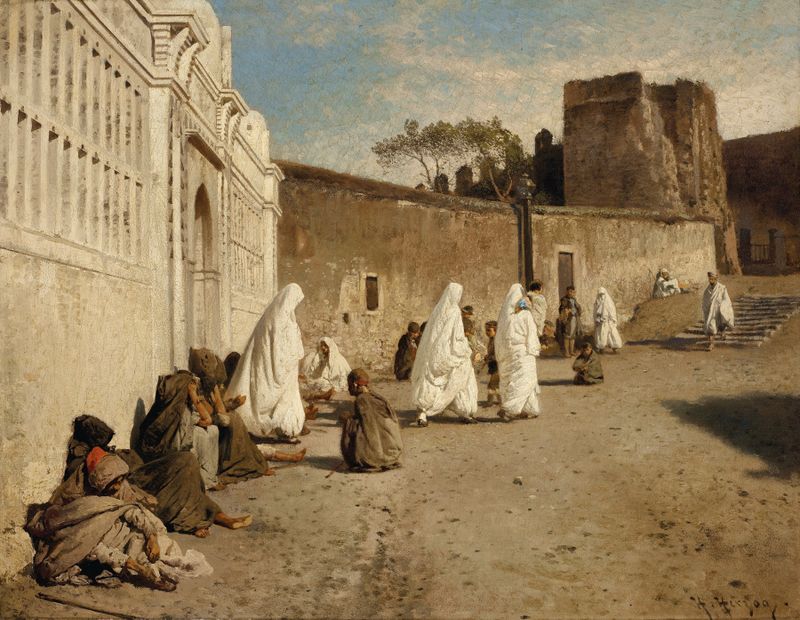
Entrance into the Alhambra, Spain
Hermann Ottomar Herzog

Hafen in Ostende
Hermann Ottomar Herzog
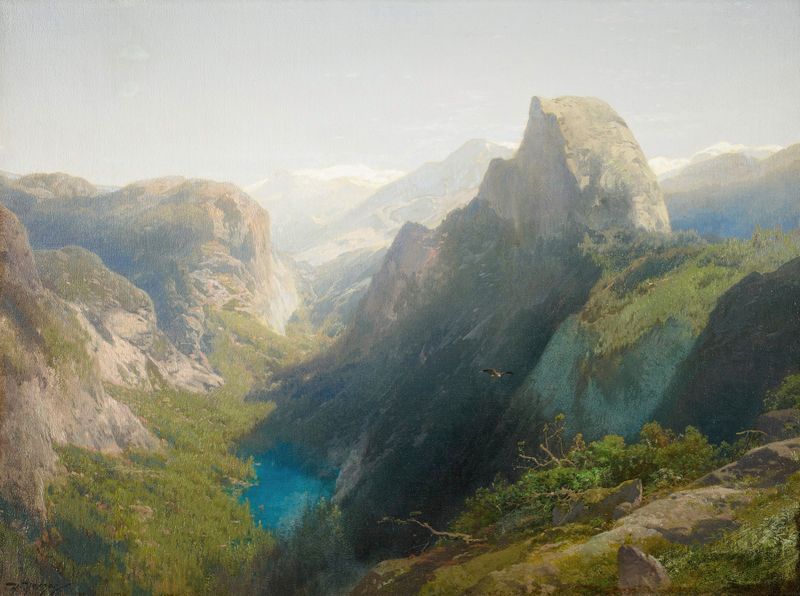
Mirror Lake, Yosemite
Hermann Ottomar Herzog
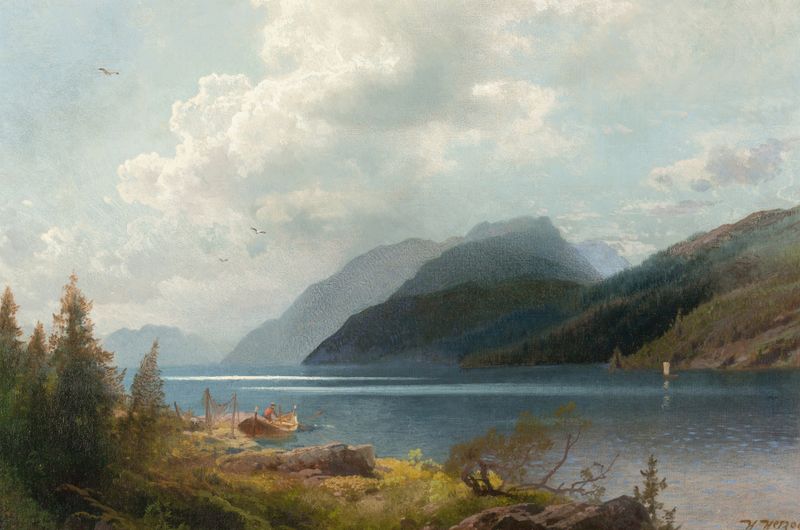
Mountain Lake, Sagne Fjord, Norway
Hermann Ottomar Herzog
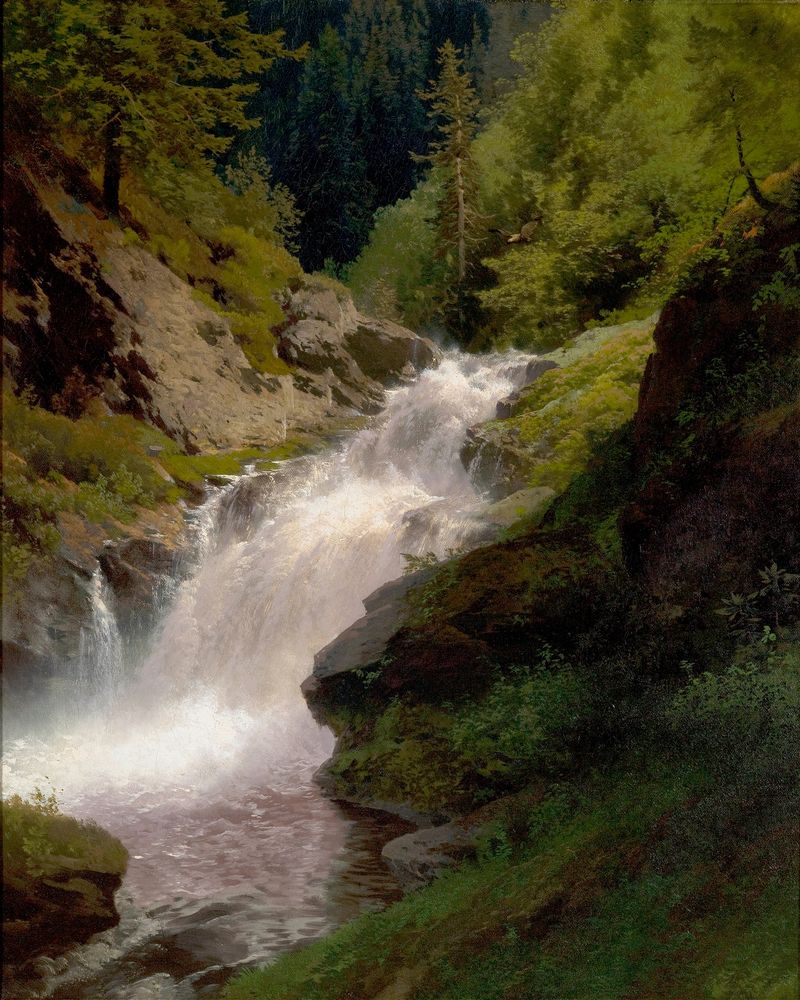
Winona Falls
Hermann Ottomar Herzog
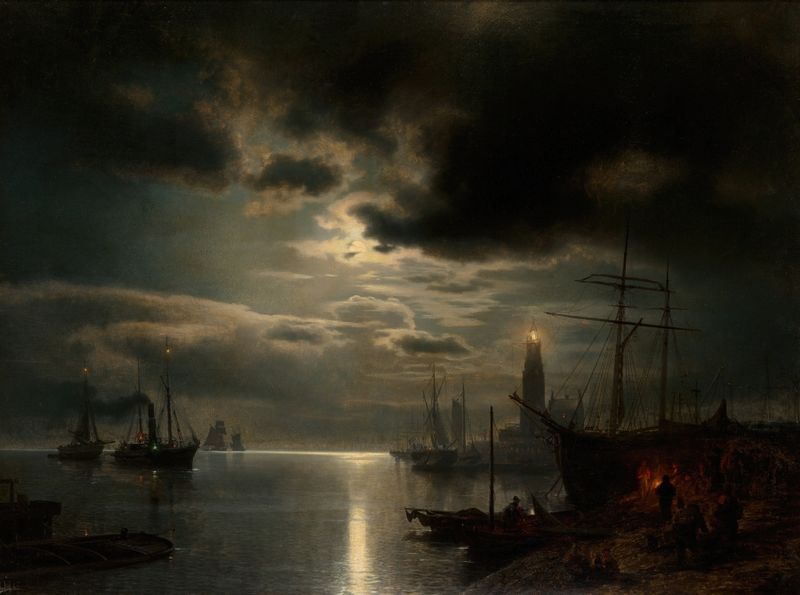
A Moonlit Harbor
Hermann Ottomar Herzog
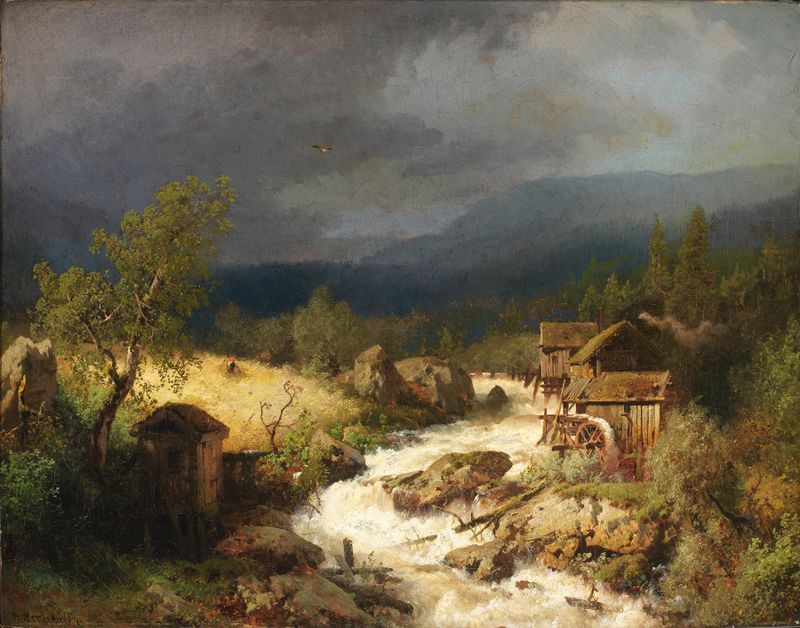
Mill on a Torrent
Hermann Ottomar Herzog

The Rippling River
Hermann Ottomar Herzog

Alpine Landscape Mountain Hut
Hermann Ottomar Herzog





