
Coastal scene with ruins — History & Facts
Where does light end, and longing begin? In the interplay of shadow and brilliance, fragility emerges, whispering stories of time lost and beauty found. Notice how your gaze is immediately drawn to the soft hues of the sky, where delicate pinks and pale blues dissolve into one another. Then, look to the crumbling ruins, their weathered stones bathed in the golden warmth of the setting sun. The artist masterfully contrasts the resilient earth with the ephemeral light, creating a dialogue between permanence and decay.
The gentle waves lap at the shore, their rhythmic motion offering a haunting soundtrack to the idyllic scene. As you explore further, observe the juxtaposition of the serene sea and the dilapidated structure — a reminder that beauty often resides in impermanence. The ruins stand as silent witnesses to history, while the vibrant colors evoke a sense of longing for what once was. This tension amplifies the emotional gravity of the scene, suggesting that even in decay, there exists a poignant grace.
The viewer is left contemplating the passage of time and the inevitable cycle of creation and destruction. William Wyld painted this coastal vista in the 19th century, amid a growing interest in romanticism and realism. Living in England during a period marked by industrial change, he sought to capture the beauty of nature and the remnants of the past. His work often reflects a deep connection to landscape, revealing the delicate balance between human existence and the inexorable march of time through art.
More Artworks by William Wyld
Browse all →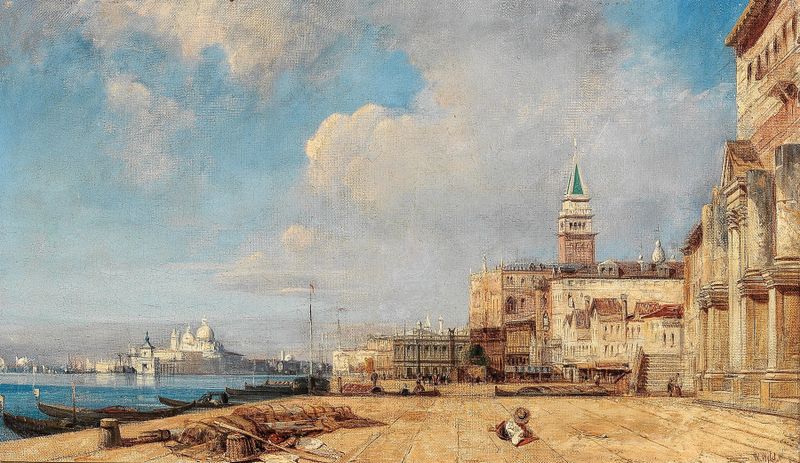
Venice, View of the Campanile and Santa Maria della Salute
William Wyld
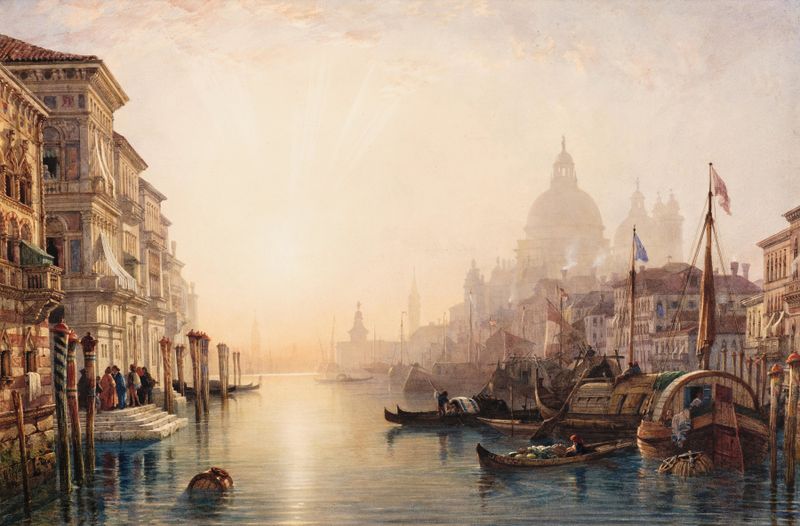
Venice, a View of the Grand Canal with Santa Maria della Salute and Punta della Dogana
William Wyld
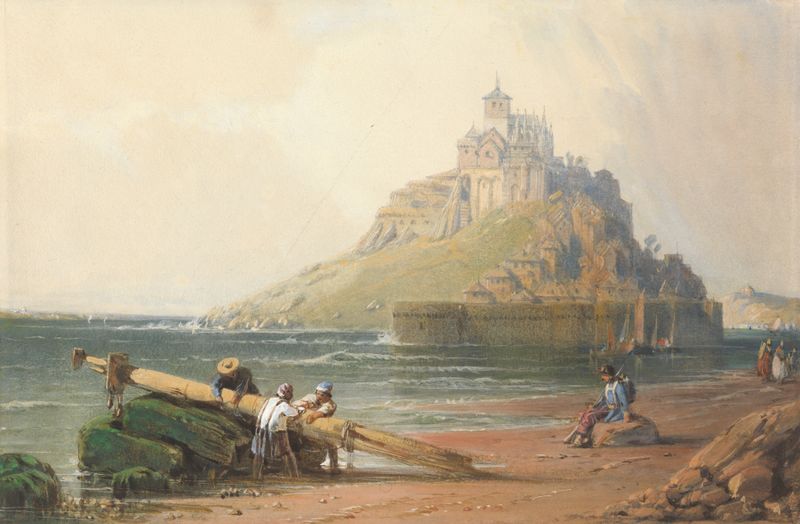
View of Mont St. Michel with Figures on the Beach
William Wyld
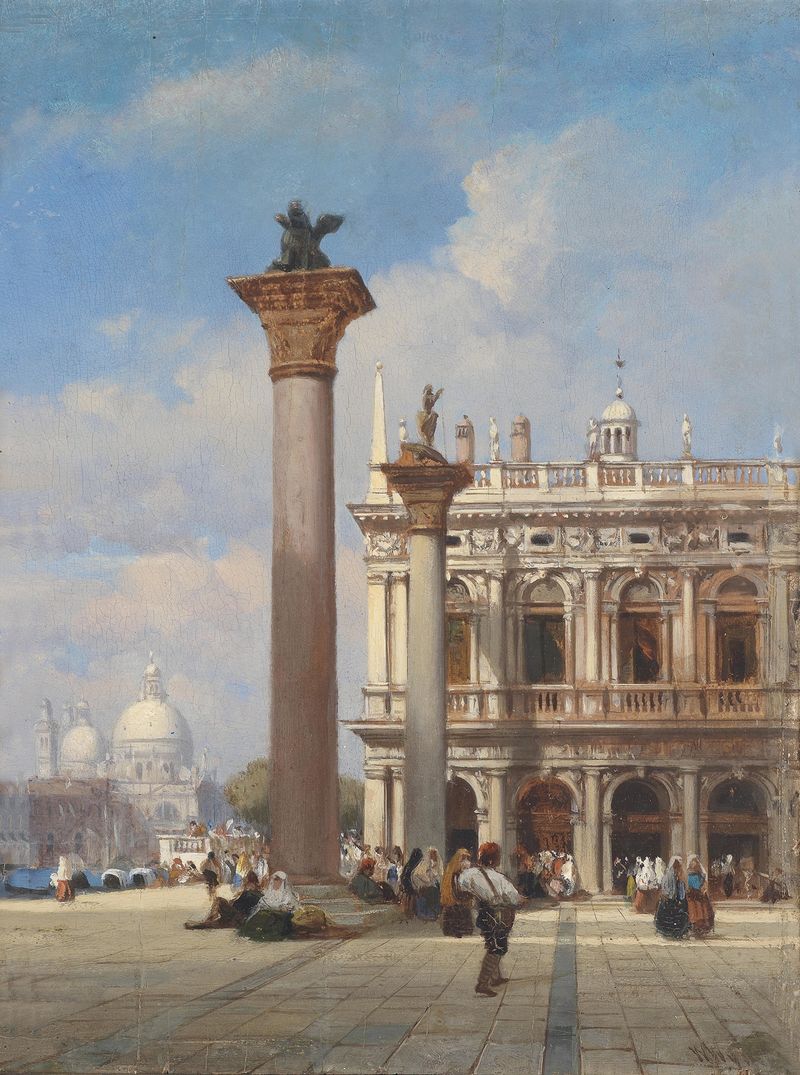
Venezia Piazza San Marco
William Wyld
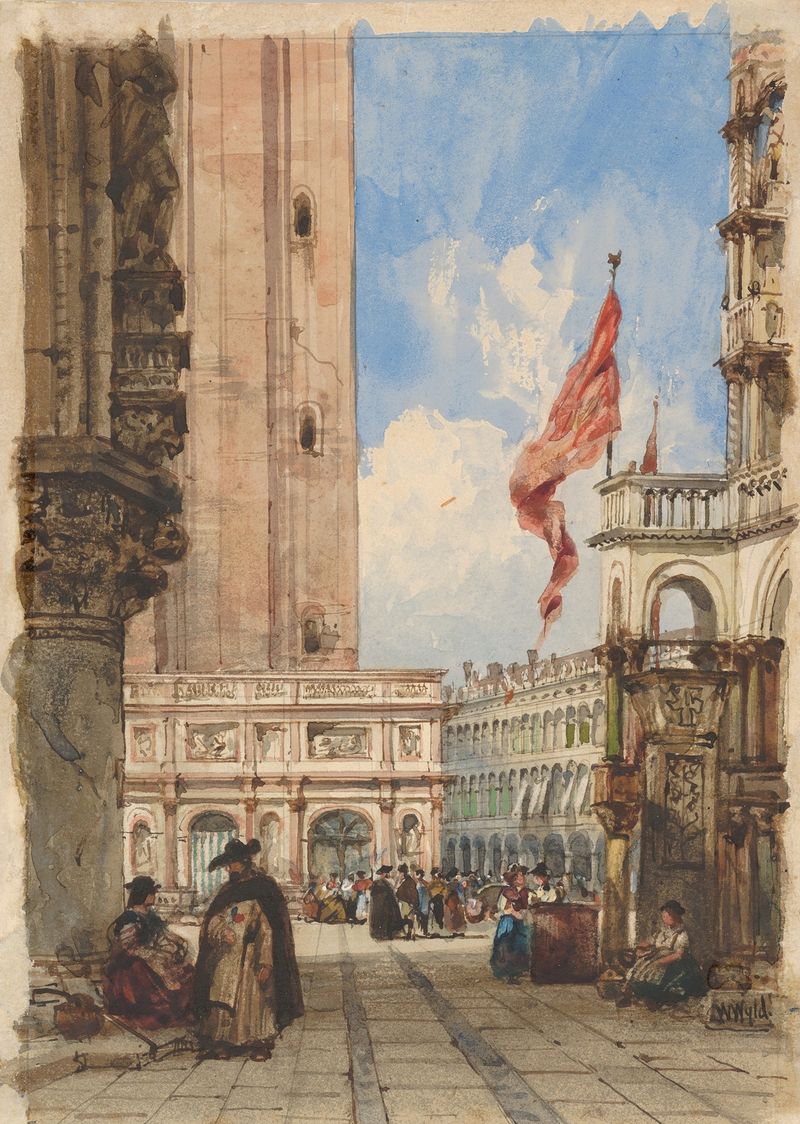
St. Mark’s Square, Venice, with Loggetta
William Wyld
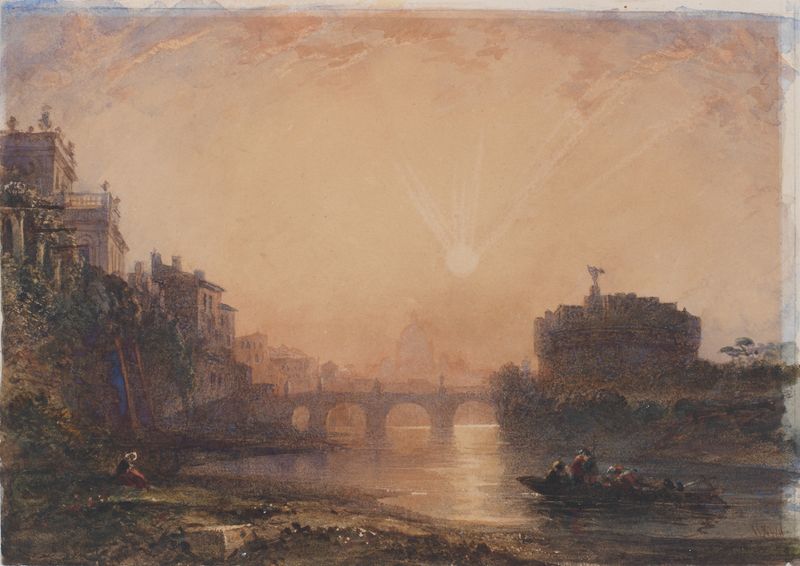
The Castel Sant’Angelo, Rome, at sunset
William Wyld

The Duomo in Milan from a Side Street
William Wyld
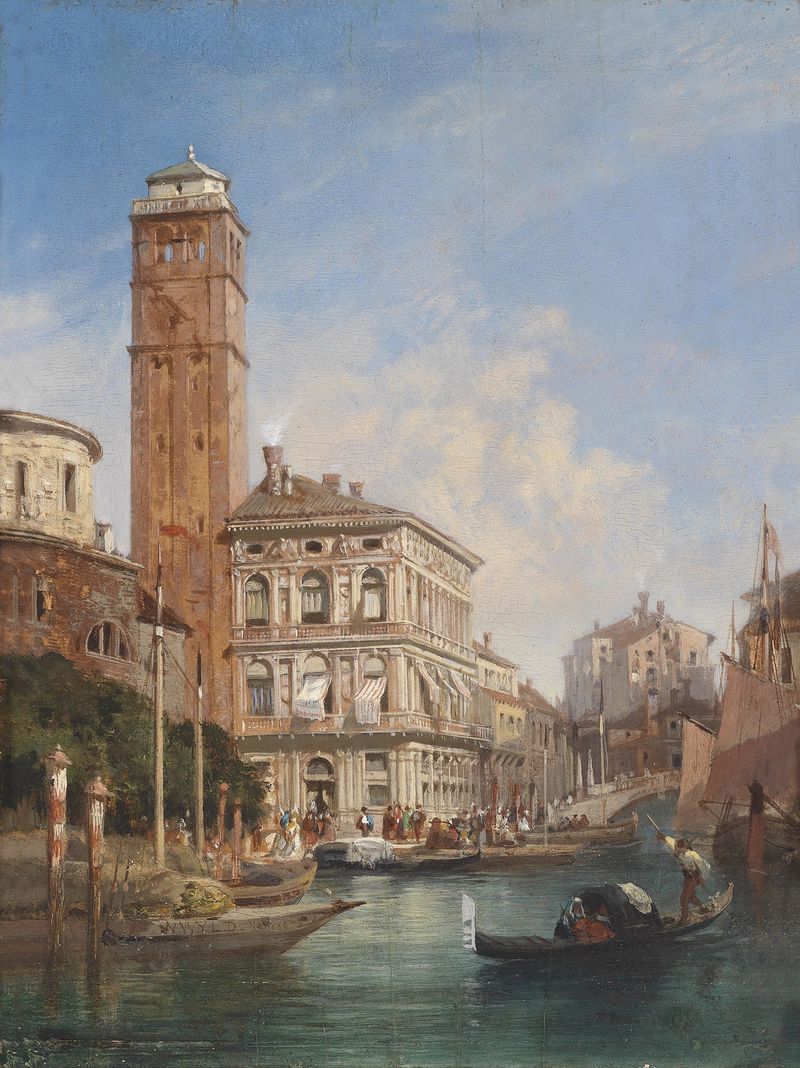
Venezia San Geremia
William Wyld
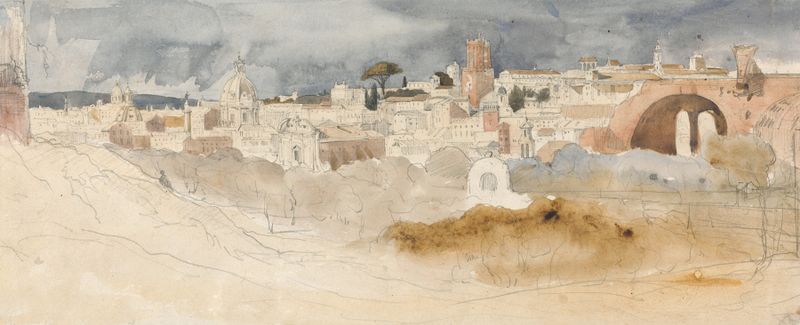
Rome from the Palatine Hill
William Wyld
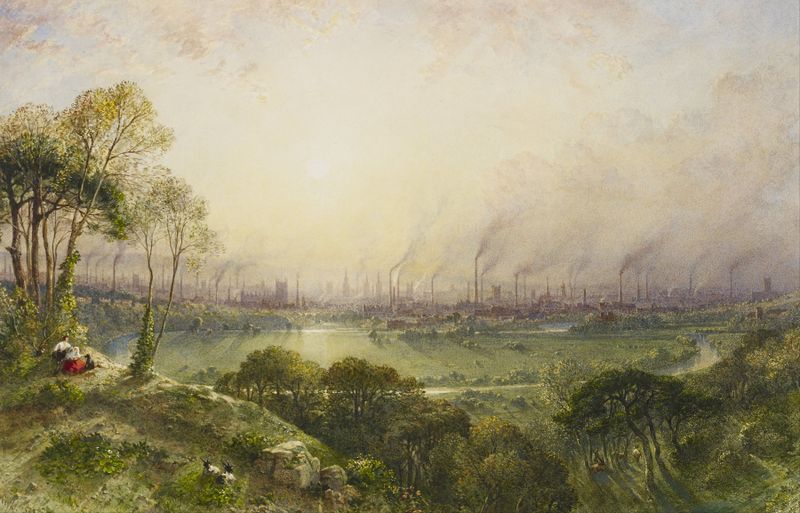
Manchester from Kersal Moor, with rustic figures and goats
William Wyld





