
Rome from the Palatine Hill — History & Facts
Where does light end, and longing begin? The question lingers in the air like the fading echo of an ancient song, capturing the essence of time and loss. Focus on the horizon, where soft pastels blend into the warm embrace of the setting sun. Look closely at how the light dances over the ruins, illuminating fragments of history while casting long shadows that speak of forgotten glories. The palette is both vibrant and subdued, evoking an atmosphere of nostalgia that envelops the viewer, beckoning them to explore the depths of the city’s past. In this artwork, the interplay of light and shadow serves as a powerful metaphor for the dual nature of memory and time.
The crumbled structures stand as reminders of what once was, embodying both beauty and decay. The lush greenery creeping into the scene offers a sense of resilience, contrasting with the remnants of civilization that hint at loss and longing. Each brushstroke seems to whisper secrets of the eternal struggle between light and darkness, reflecting the human experience in a city that has seen the rise and fall of countless empires. William Wyld painted this piece during a period of reflection in his artistic journey.
Active in the mid-19th century, he was captivated by Italy and its profound historical narratives. As he captured the view from the Palatine Hill, the artist was deeply influenced by the Romantic movement’s themes of nostalgia and the sublime, contributing to his exploration of ruins and landscapes steeped in history. The painting stands as a testament to his fascination with the interplay between nature and humanity’s transient legacy.
More Artworks by William Wyld
Browse all →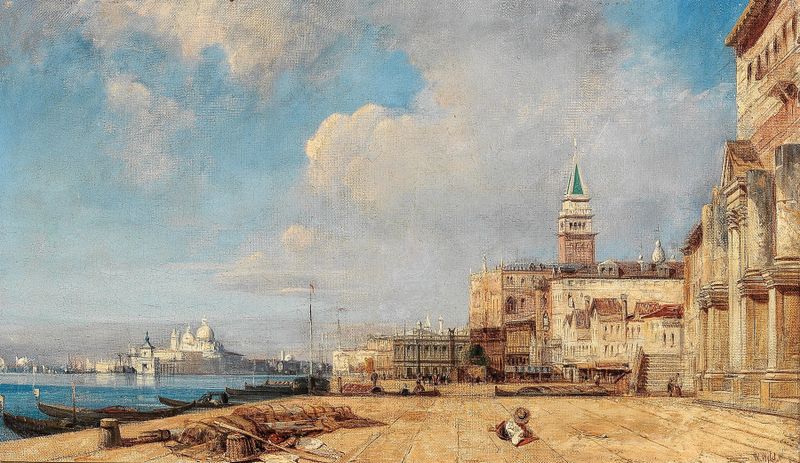
Venice, View of the Campanile and Santa Maria della Salute
William Wyld
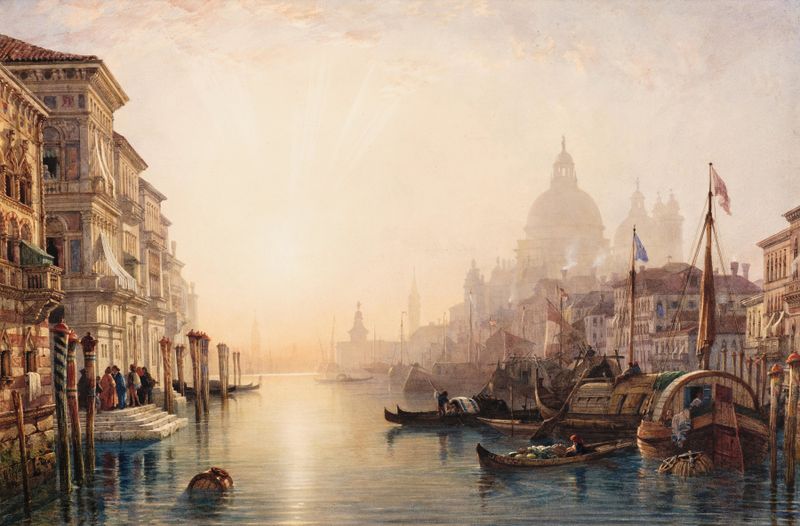
Venice, a View of the Grand Canal with Santa Maria della Salute and Punta della Dogana
William Wyld
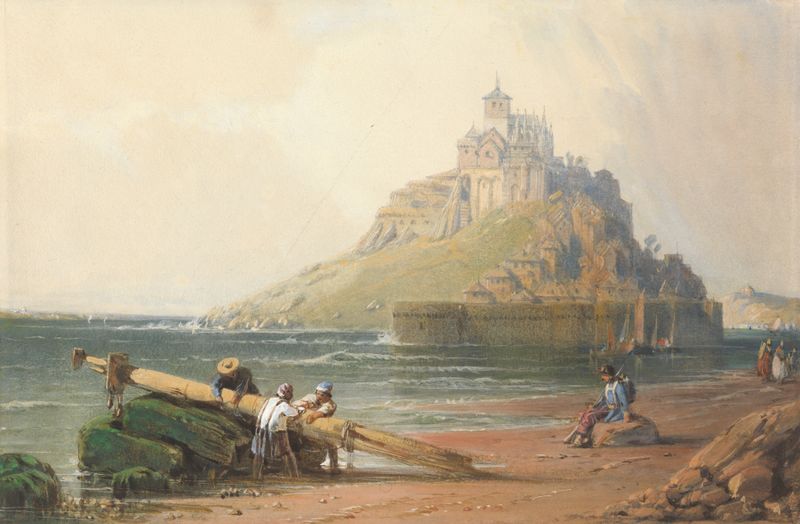
View of Mont St. Michel with Figures on the Beach
William Wyld
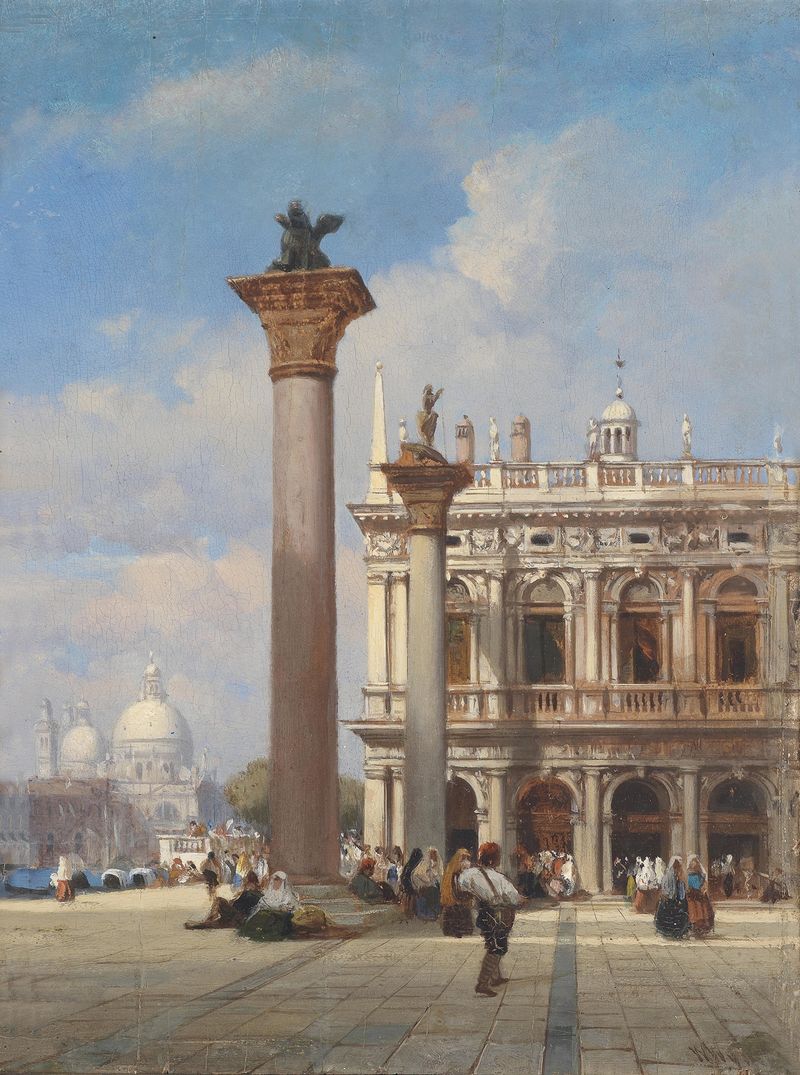
Venezia Piazza San Marco
William Wyld
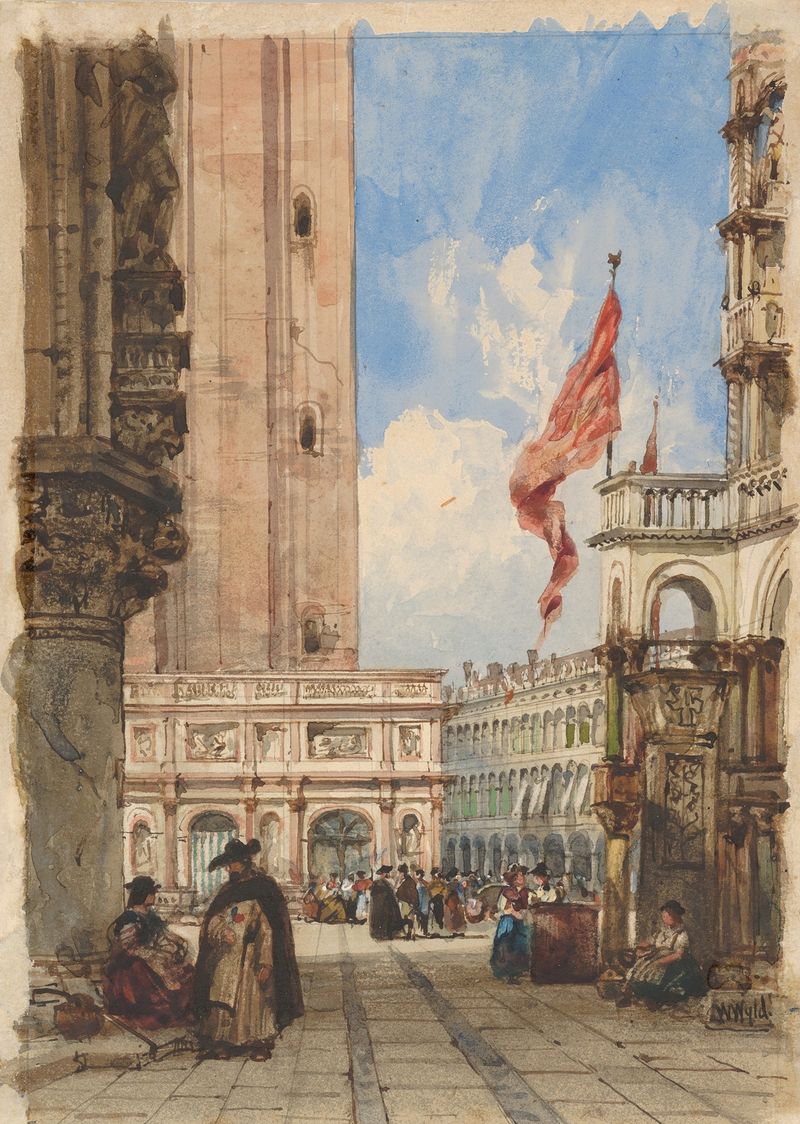
St. Mark’s Square, Venice, with Loggetta
William Wyld
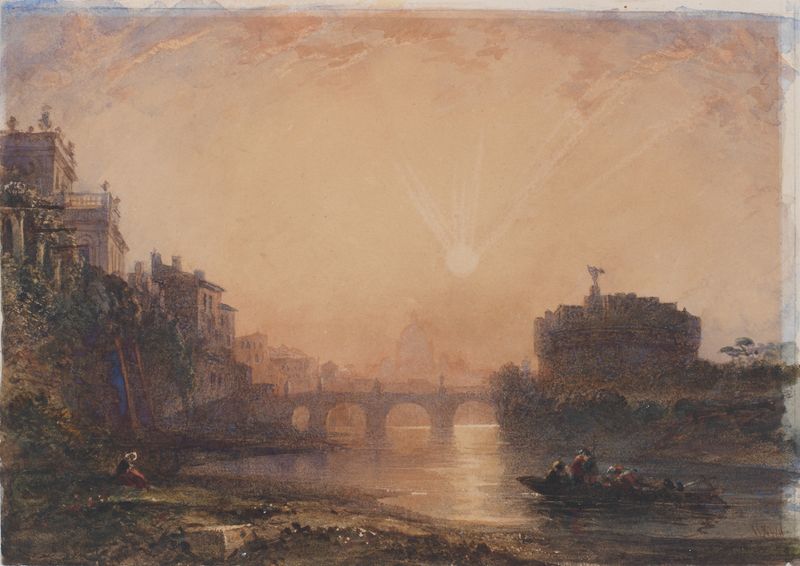
The Castel Sant’Angelo, Rome, at sunset
William Wyld

The Duomo in Milan from a Side Street
William Wyld
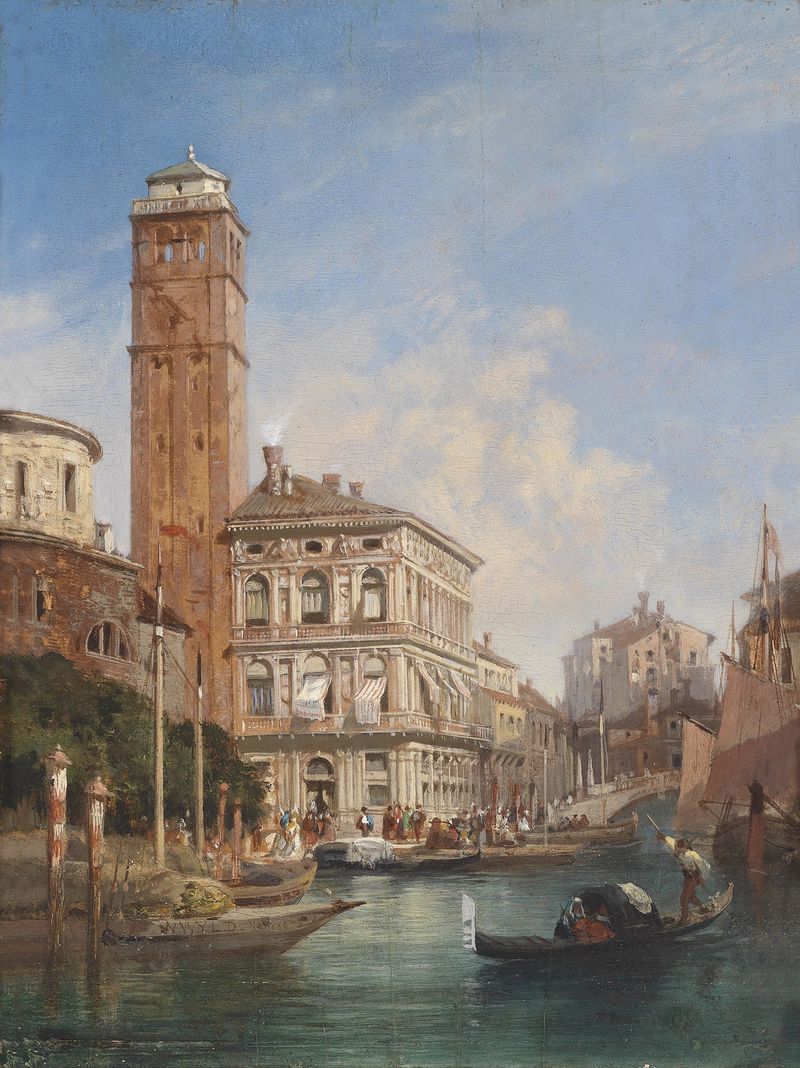
Venezia San Geremia
William Wyld

Coastal scene with ruins
William Wyld
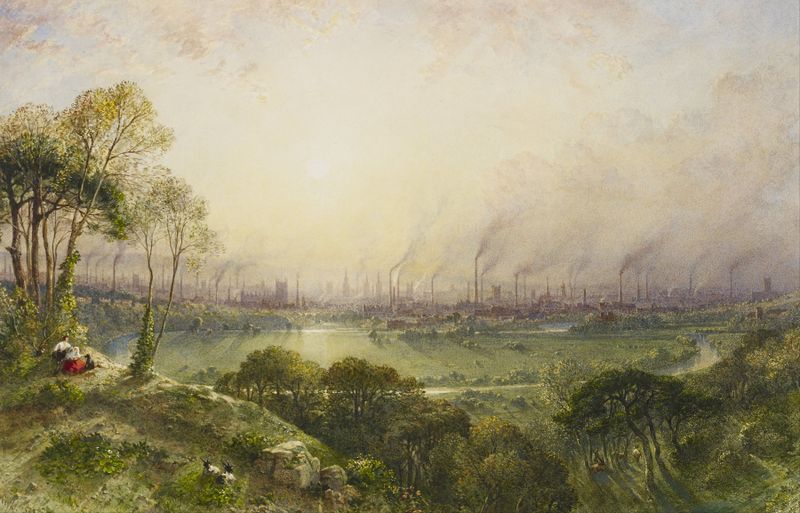
Manchester from Kersal Moor, with rustic figures and goats
William Wyld





