
Manchester from Kersal Moor, with rustic figures and goats — History & Facts
Who listens when art speaks of silence? In the hushed landscape of Manchester from Kersal Moor, a void of tranquility envelops the figures, inviting contemplation and reflection. Look to the left at the rustic figures, their postures relaxed yet purposeful as they engage with their environment. The earthy tones of their garments meld seamlessly with the moor’s lush greens and browns, creating a harmony with nature. The light subtly filters through the clouds, casting a soft glow that highlights the gentle slopes of the terrain and the distant urban horizon, where the industrial essence of Manchester waits quietly.
Notice how the goats dot the foreground, their presence lending a sense of life to the pastoral scene, while the distant cityscape urges an exploration of contrasts. Delve deeper into the emotional undercurrents of the painting; the juxtaposition of rural serenity against the looming backdrop of the city echoes a tension between nature and industry. The figures are grounded and peaceful, yet their gaze seems to linger on the horizon, hinting at a longing for connection to the burgeoning metropolis. The goats, symbols of pastoral life, embody both vulnerability and resilience, quietly persevering in a world teetering on the edge of transformation and disruption. In the mid-19th century, Wyld captured this scene during a time of rapid industrialization in England.
While the exact date of this work remains undetermined, Wyld was active during a period when the Romantic movement was giving way to realism, reflecting the complexities of urbanization in his landscapes. With Manchester from Kersal Moor, the artist sought to illustrate the delicate balance between the natural world and the encroaching city, creating a moment where silence speaks volumes.
More Artworks by William Wyld
Browse all →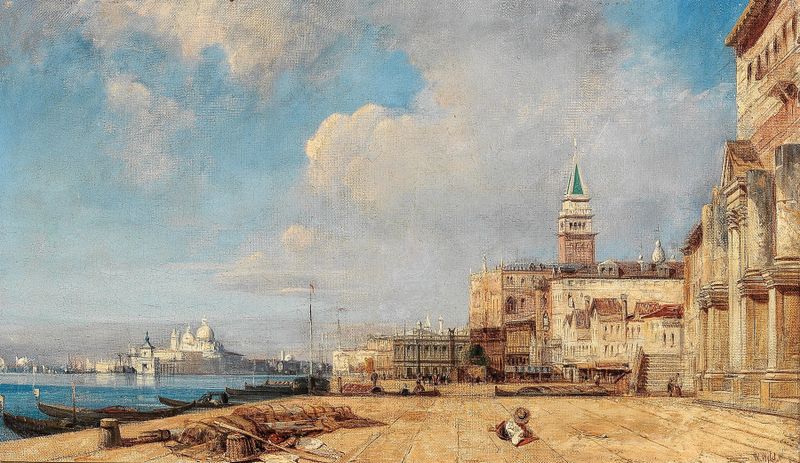
Venice, View of the Campanile and Santa Maria della Salute
William Wyld
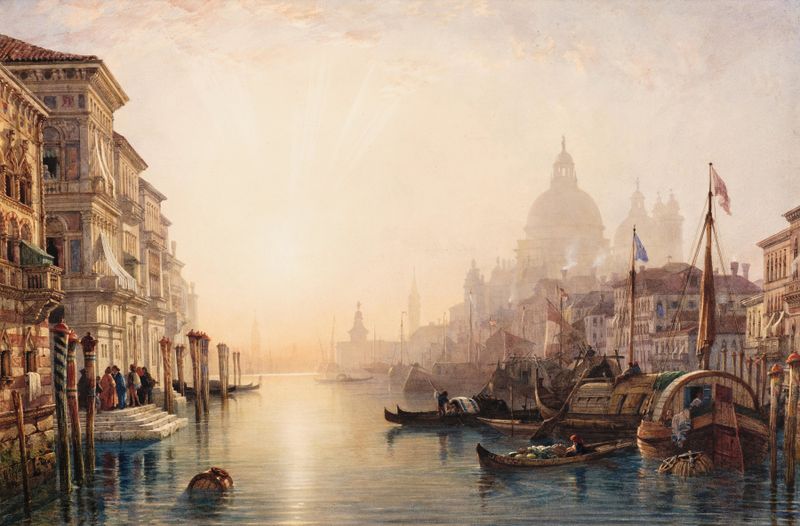
Venice, a View of the Grand Canal with Santa Maria della Salute and Punta della Dogana
William Wyld
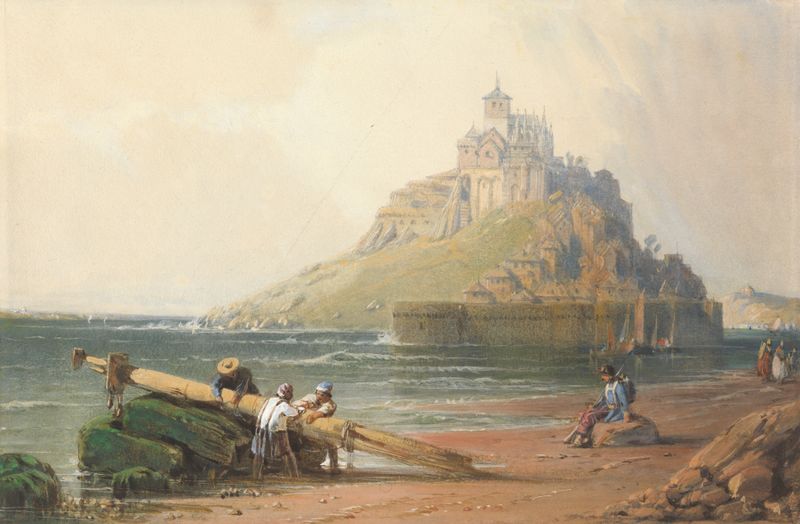
View of Mont St. Michel with Figures on the Beach
William Wyld
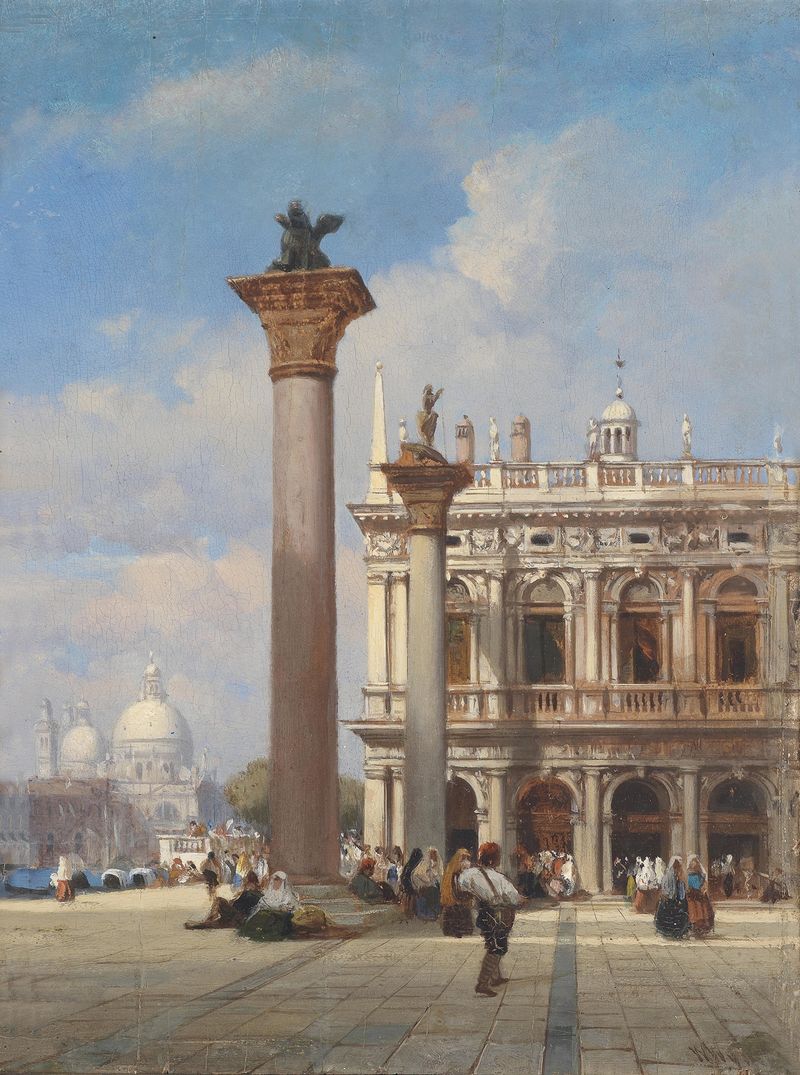
Venezia Piazza San Marco
William Wyld
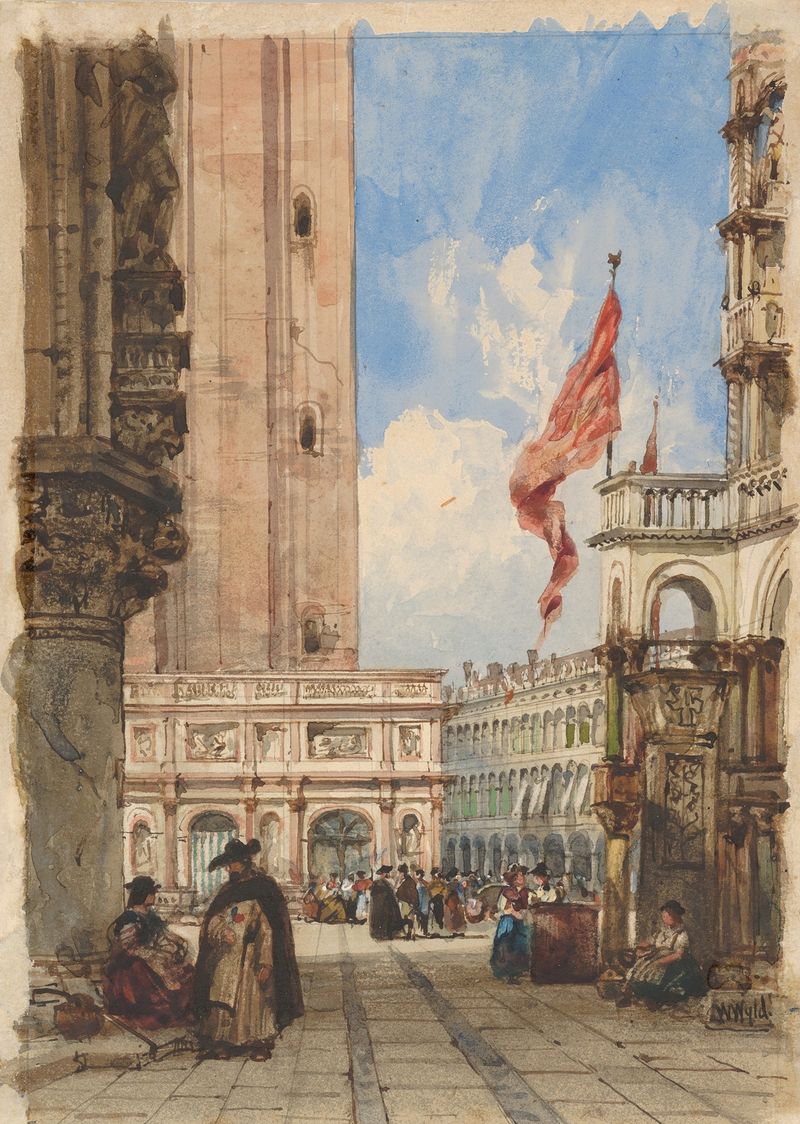
St. Mark’s Square, Venice, with Loggetta
William Wyld
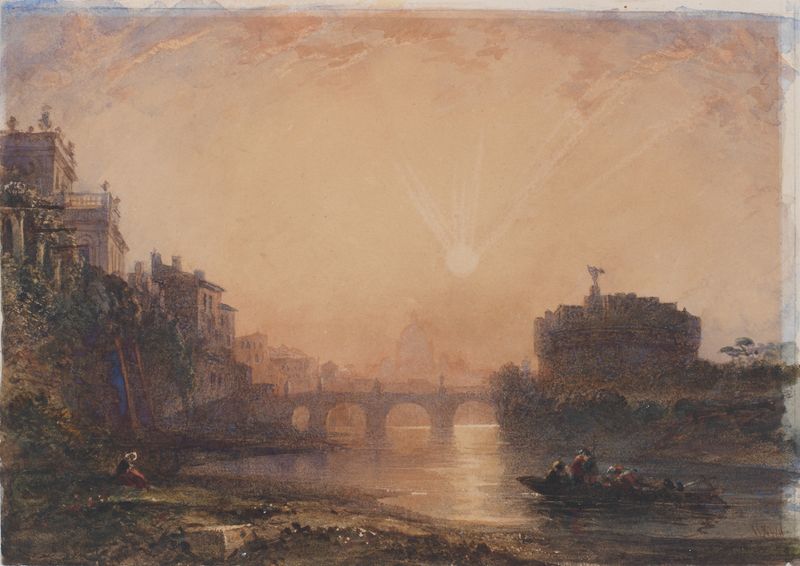
The Castel Sant’Angelo, Rome, at sunset
William Wyld

The Duomo in Milan from a Side Street
William Wyld
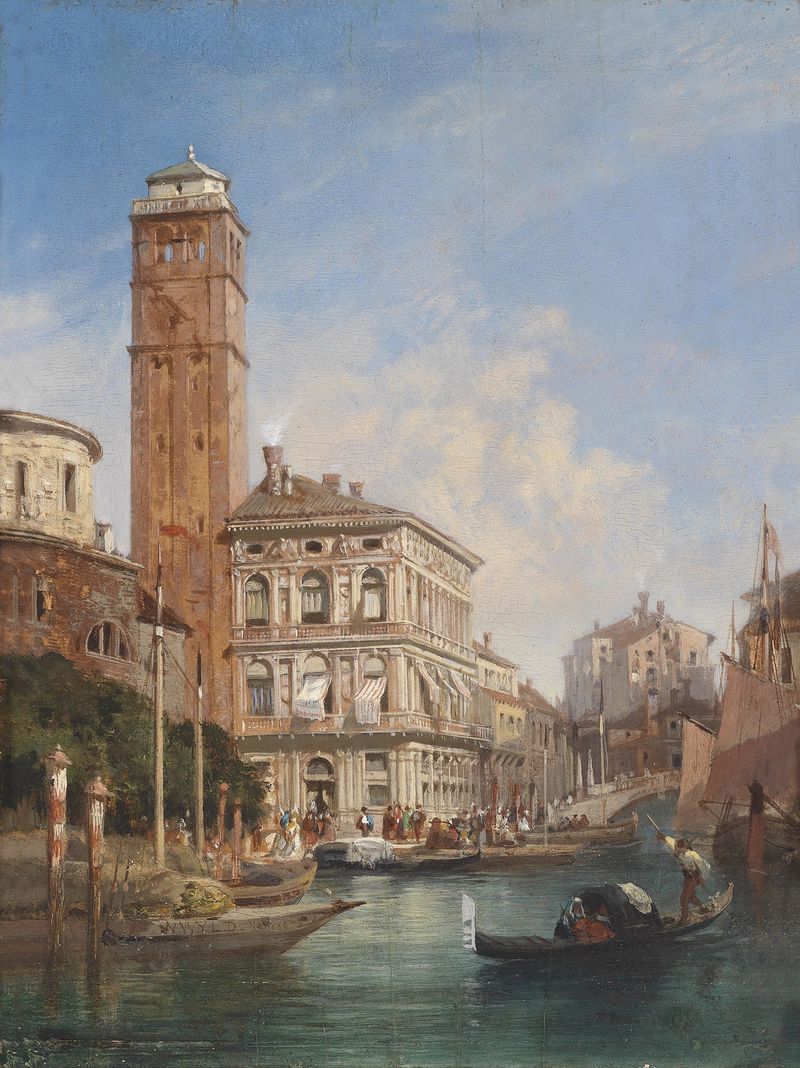
Venezia San Geremia
William Wyld
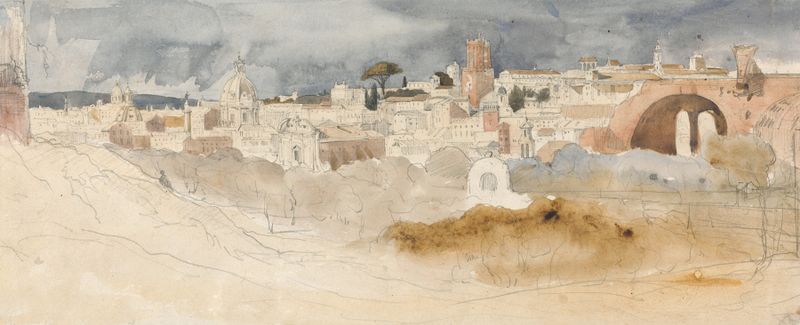
Rome from the Palatine Hill
William Wyld

Coastal scene with ruins
William Wyld





