Coastal view — History & Facts
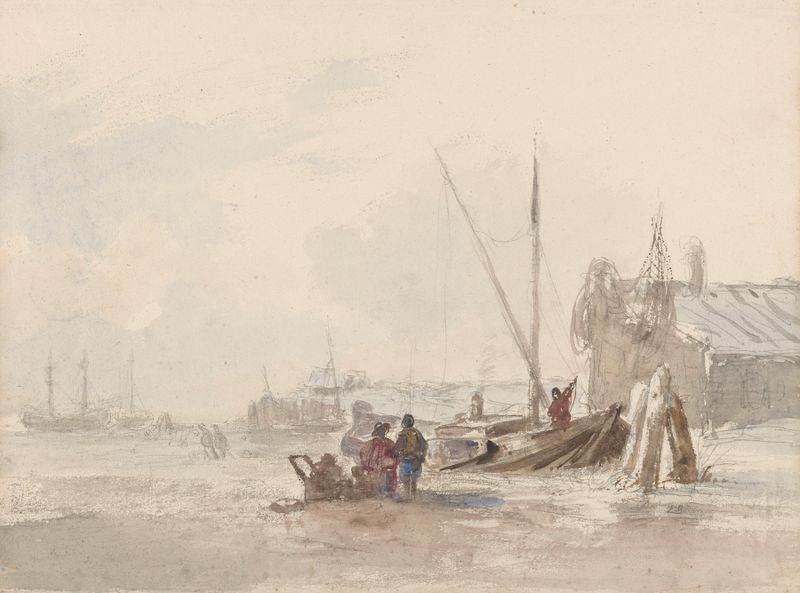
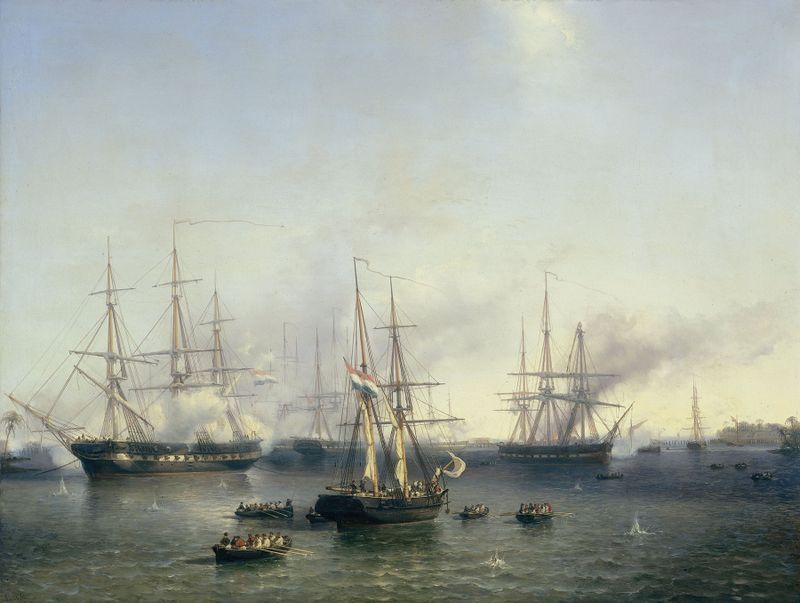
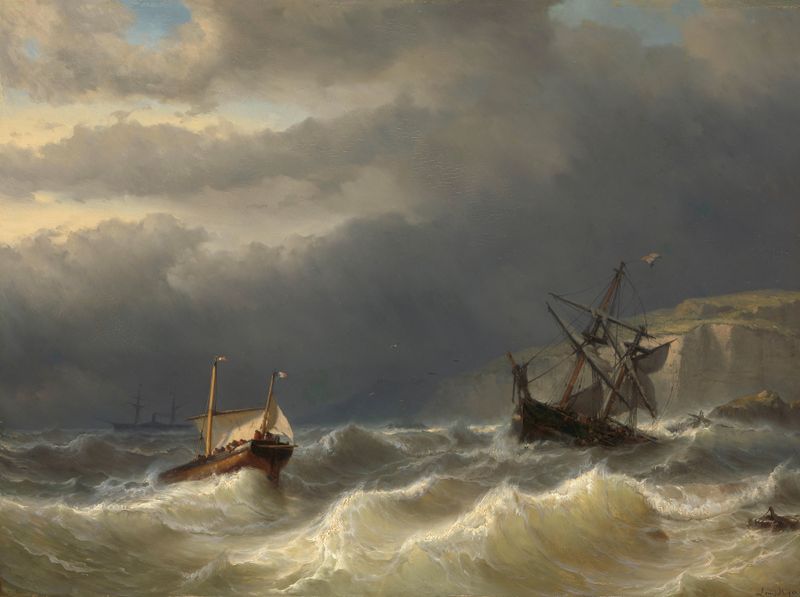
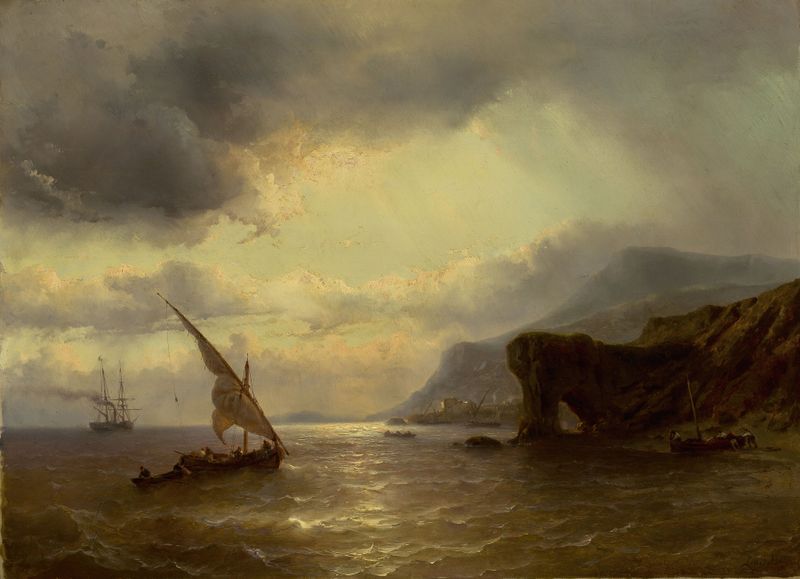
When did color learn to lie? In the delicate interplay between light and shade, Coastal view invites us to question the very essence of reality and perception. Focus on the horizon first, where the soft blues of the ocean bleed into the sky, creating an ethereal boundary that feels both inviting and ephemeral. The gentle brushstrokes capture the rippling waves, while fragments of white—like whispers of foam—dance across the surface. To the left, the shoreline curves, hinting at the land’s fragile embrace of the water, and the muted greens of the grasses echo the transient nature of the scene.
Each color choice seems deliberate, evoking a sense of calm yet hinting at the instability beneath. However, this tranquil view is layered with deeper significance. The juxtaposition of the serene ocean with the restless sky suggests an underlying tension between stability and change. The flecks of light glistening on the water imply a fleeting moment—beauty that cannot last and a reminder of nature's impermanence.
There’s fragility in the soft blending of hues, inviting contemplation on how moments of peace can be both cherished and ephemeral. Louis Meijer painted Coastal view during a time when the art world was evolving, likely in the early 20th century. As an artist influenced by Impressionism, he sought to capture fleeting moments of beauty, exploring the edges of perception and color. The work reflects not only personal insights but also the broader movement toward a more emotive and subjective representation of the world.