
Cockburn Island, Admiralty Inlet — History & Facts
Who listens when art speaks of silence? In the stillness of Cockburn Island, Admiralty Inlet, a haunting beauty emerges, whispering stories of isolation and madness embedded in nature's vastness. Look to the foreground, where gentle waves lap against the rocky shore, their placid movement contrasting with the jagged cliffs that rise defiantly in the background. The muted palette of soft blues and greens evokes a calm serenity, yet the stark lines of the geological formations suggest an underlying tension. Notice how the light dances across the water's surface, illuminating hidden depths and casting shadows that hint at unseen forces lurking just beyond perception. Delve deeper into the composition, where the interplay of light and dark suggests a psychological struggle between tranquility and turmoil.
The solitary island, cradled by the encompassing sea, symbolizes the weight of isolation, evoking a sense of madness that lingers in the air. Each brushstroke captures not just the landscape, but the emotional landscape of the human experience, wrapped in layers of introspection and the silent screams of the mind. Created during a time when romanticism and realism intersected, this work reflects Charles Hamilton Smith’s exploration of the natural world in the early 19th century. Living in England amidst rising industrialization, he sought solace in the untouched beauty of landscapes, which he believed revealed deeper truths.
Through this masterpiece, he invites us to confront our own madness, finding meaning in the quiet chaos of existence.
More Artworks by Charles Hamilton Smith
Browse all →
Situation of H.M.S. Hecla & Griper
Charles Hamilton Smith
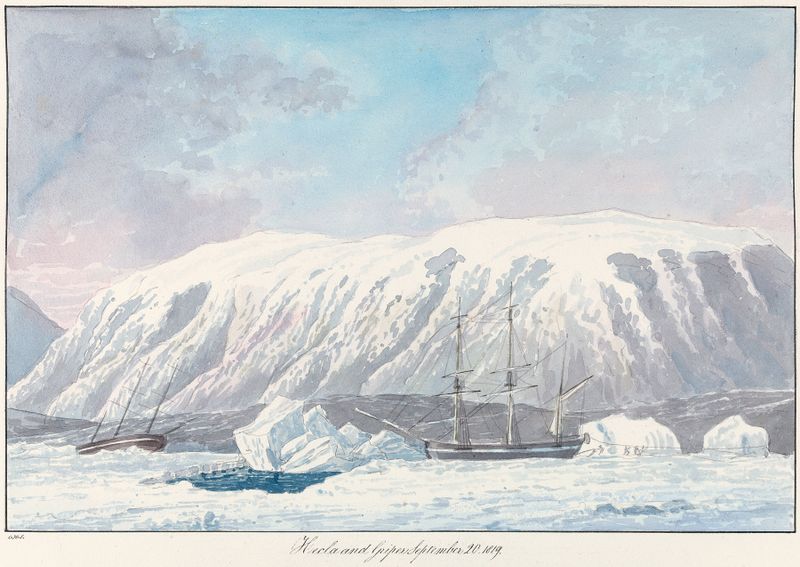
Hecla and Griper
Charles Hamilton Smith

Friendly Cove, Nootka Sound
Charles Hamilton Smith

Iceberg in Baffin’s Bay
Charles Hamilton Smith
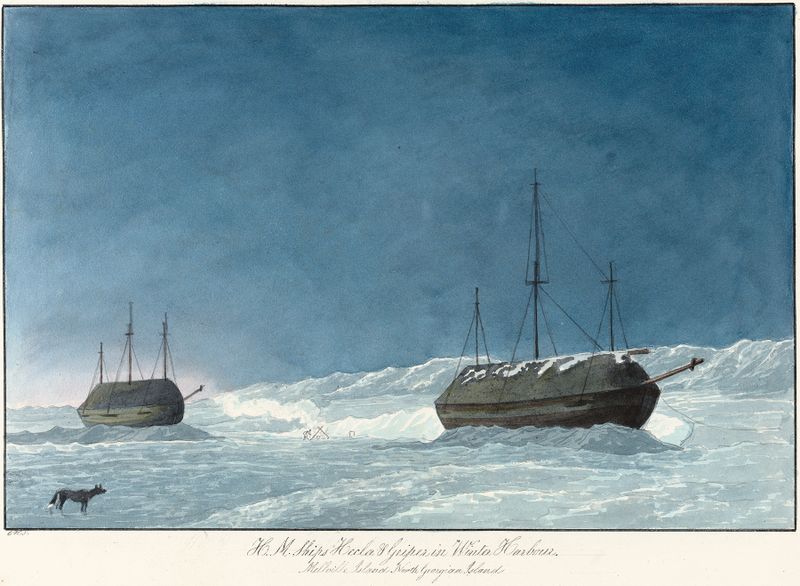
H. M. Ships Hecla and Griper in Winter Harbour
Charles Hamilton Smith

The Erebus & Terror in a Gale in the Pack of the Ice
Charles Hamilton Smith
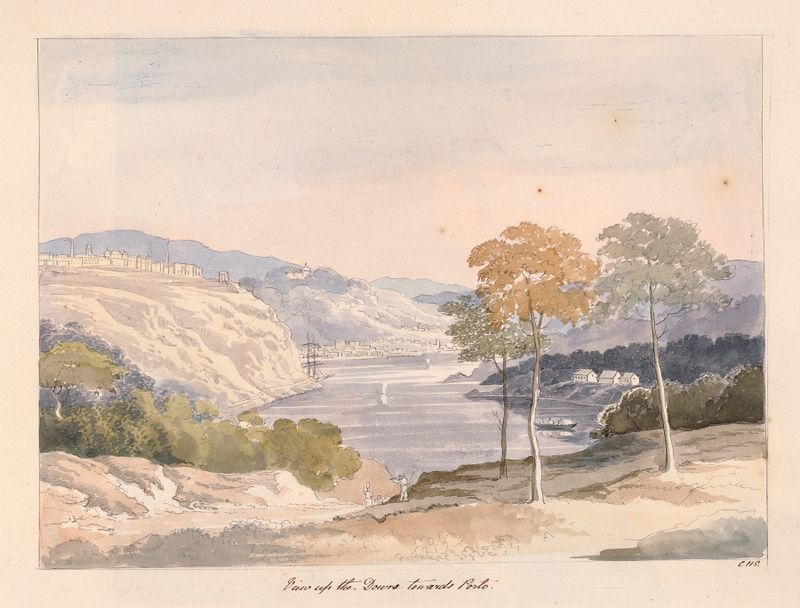
View of the Douro towards Porto
Charles Hamilton Smith
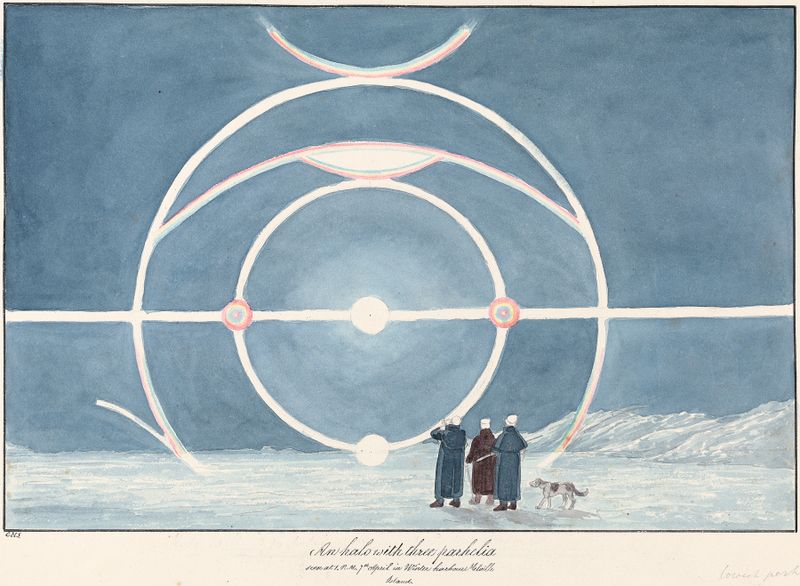
Halo with Three Parhelia, Winter Harbour Melville Island
Charles Hamilton Smith
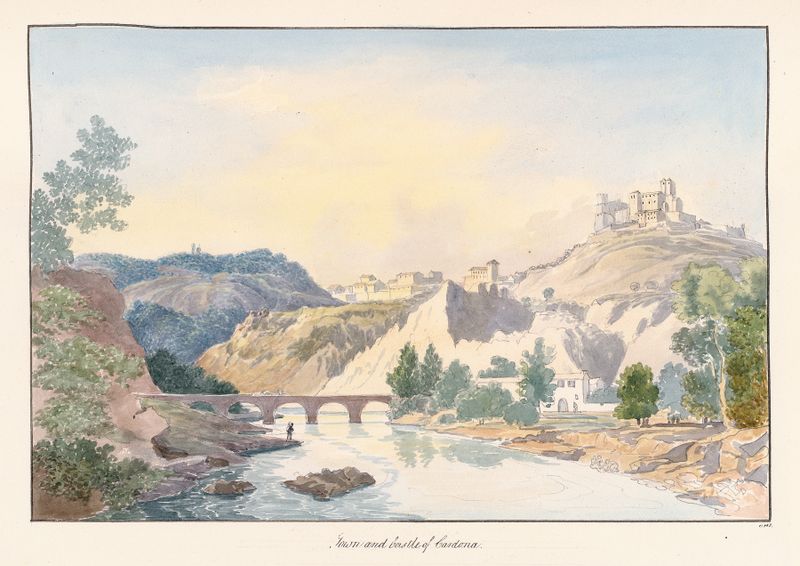
Town and Castle of Cardona
Charles Hamilton Smith
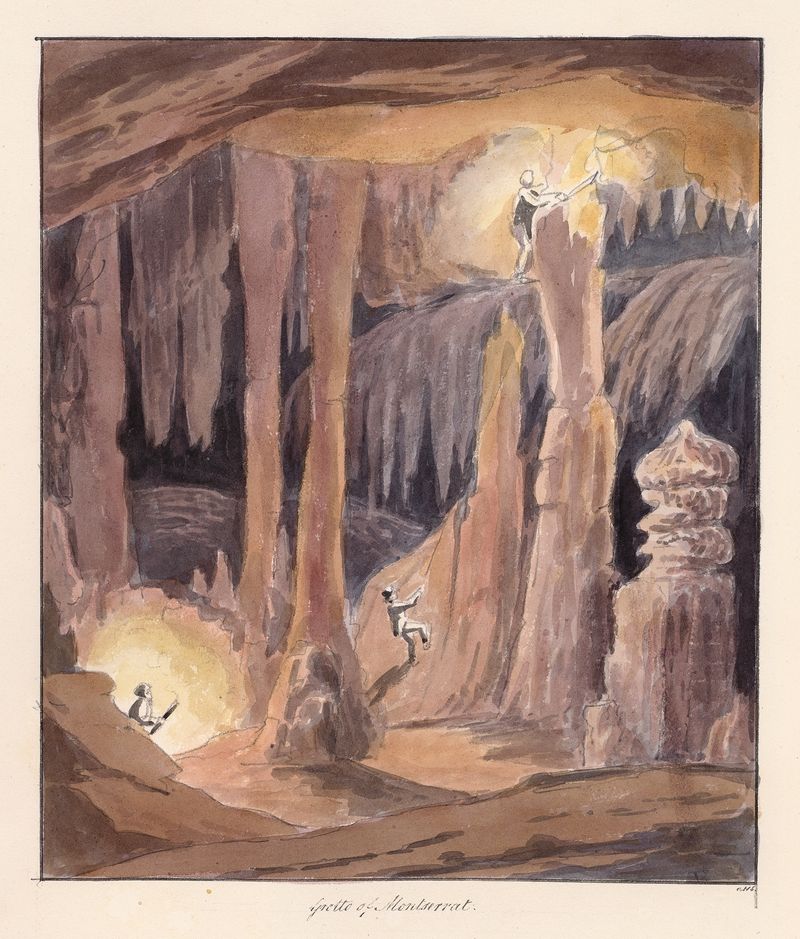
Grotto of Montserrat
Charles Hamilton Smith





