
Col de Balaguer — History & Facts
What secret hides in the quiet of the canvas? Beneath the gentle waves of color and the soft brushstrokes, a sense of transcendence beckons the viewer to dive deeper into the world created by the artist. Look closely at the delicate interplay of light and shadow in the background, where soft greens and blues meld into a serene horizon. Notice how the painter’s hand guides your gaze towards the peaks of the landscape, drawing attention to the subtle contours of the hills. Each layer of paint is applied with intention, creating a textured surface that invites you to explore the nuances of nature’s beauty, as if the very air is alive with potential. The contrast between the detailed foreground and the hazy background hints at a tension between reality and the ephemeral.
The foreground may represent the solidity of the earth, while the softening of the distant mountains suggests dreams or aspirations. This duality evokes an emotional resonance, prompting reflections on one's own journey and the mysteries that lie beyond the visible world. During this period, the artist worked amidst a wave of Romanticism, which sought to capture the sublime and the ineffable qualities of nature. Although the exact date of this piece remains uncertain, it likely emerged from the broader context of the early 19th century, a time when artists were increasingly exploring the relationship between humanity and the landscape.
Charles Hamilton Smith’s work embodies this pursuit, inviting contemplation of the transcendental moments that exist between the tangible and the ethereal.
More Artworks by Charles Hamilton Smith
Browse all →
Situation of H.M.S. Hecla & Griper
Charles Hamilton Smith
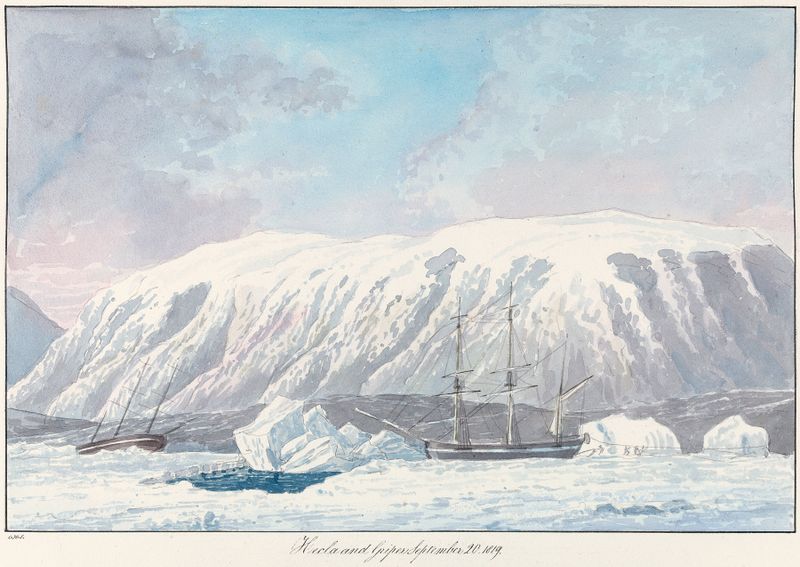
Hecla and Griper
Charles Hamilton Smith

Friendly Cove, Nootka Sound
Charles Hamilton Smith

Iceberg in Baffin’s Bay
Charles Hamilton Smith
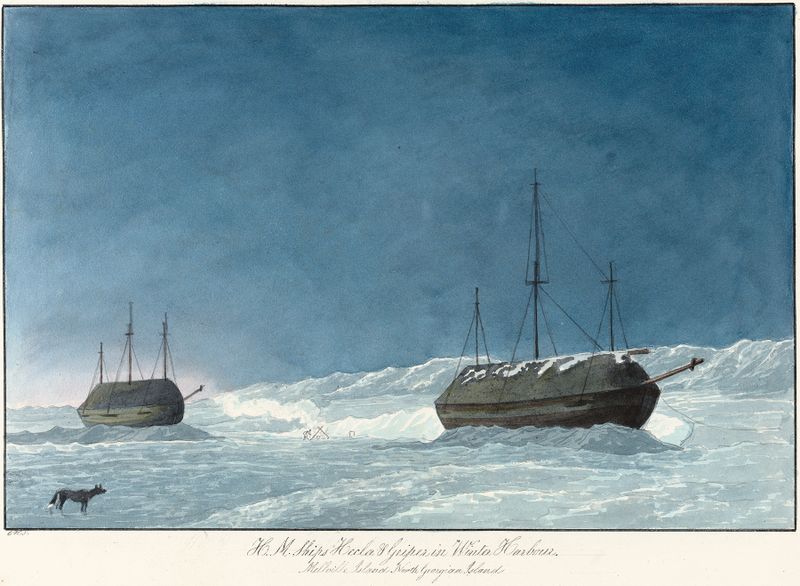
H. M. Ships Hecla and Griper in Winter Harbour
Charles Hamilton Smith

The Erebus & Terror in a Gale in the Pack of the Ice
Charles Hamilton Smith
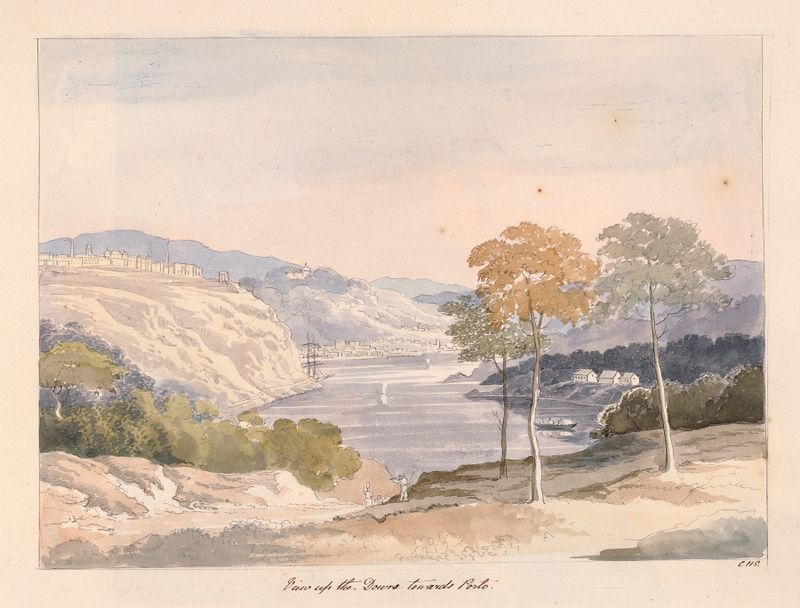
View of the Douro towards Porto
Charles Hamilton Smith
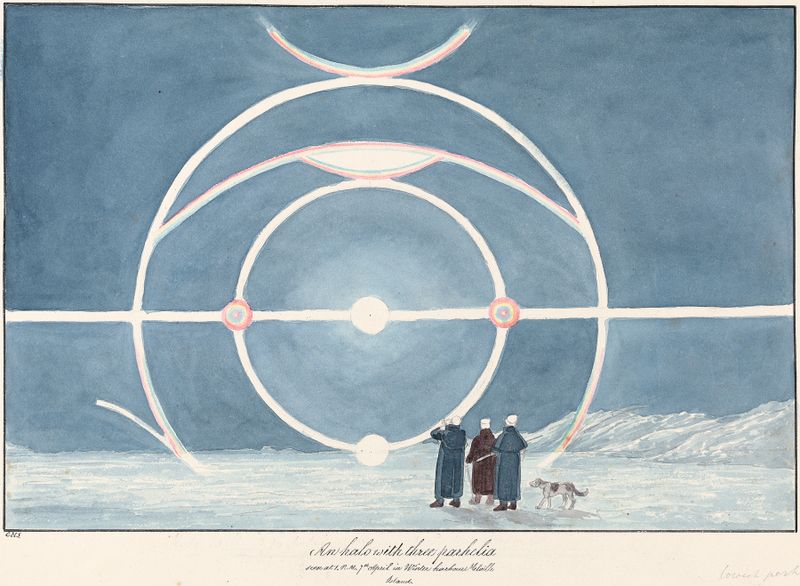
Halo with Three Parhelia, Winter Harbour Melville Island
Charles Hamilton Smith
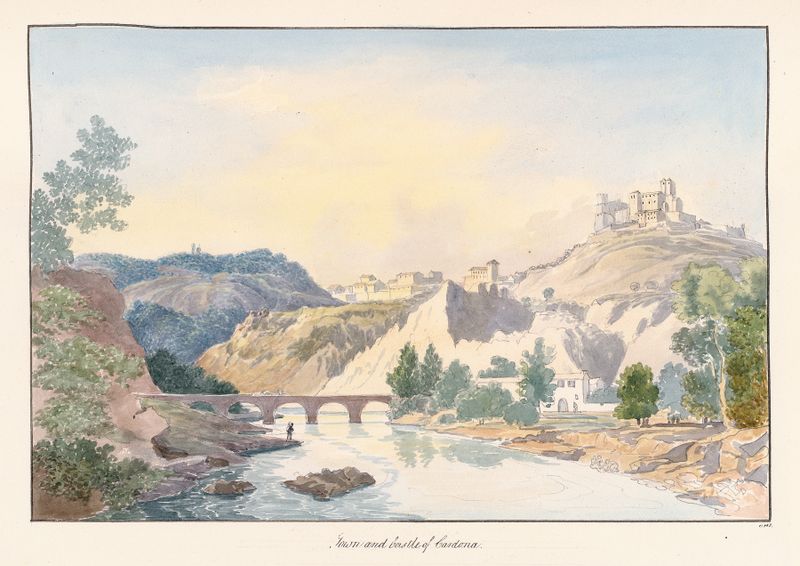
Town and Castle of Cardona
Charles Hamilton Smith
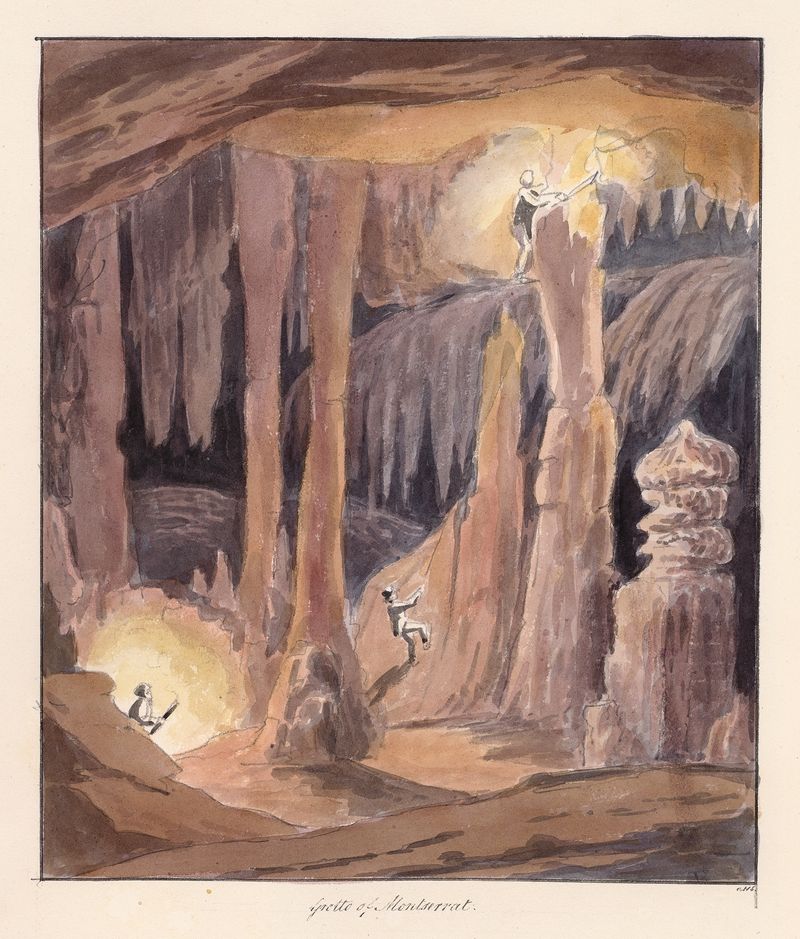
Grotto of Montserrat
Charles Hamilton Smith





